


Best Times to Visit Rainbow Mountain Peru
Nestled in the Andes, Rainbow Mountain Peru is one of the country’s most stunning natural sights. Many travelers love visiting Rainbow Mountain because of its bright colors and dramatic scenery. Since the area sits at high altitude, visitors coming from sea level should take time to adjust before starting the Rainbow Mountain hike.
The Cusco region offers many day trips, and this mountain is one of the most popular, often combined with visits to the Inca Trail or other famous sites nearby.
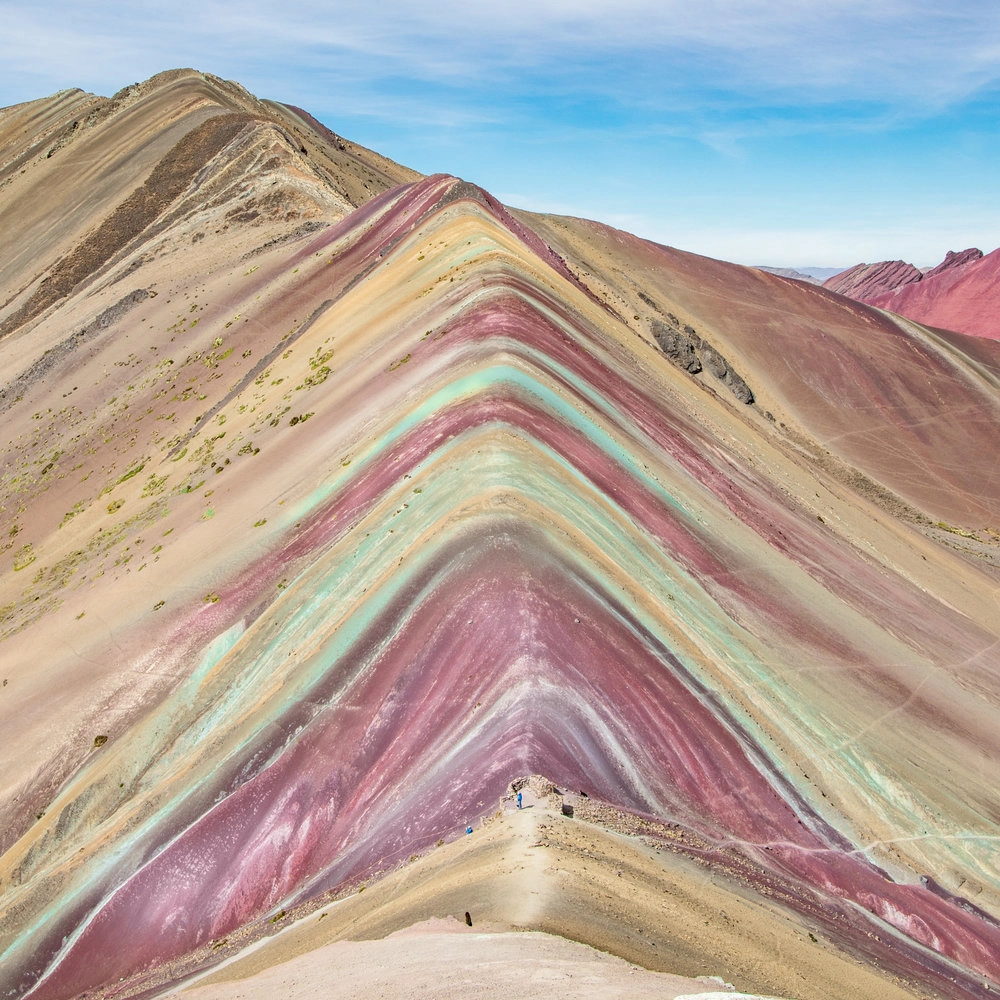
Rainbow Mountain, also known as Vinicunca or the Mountain of Seven Colors, stands out for both its beauty and its cultural value. Its location near the Red Valley adds even more color and wonder to the landscape. Travelers exploring the Cusco region often choose this destination to experience one of the most unique geological formations in Peru.
The mountain’s colorful stripes formed over millions of years. Layers of minerals and constant weather changes created the reds, yellows, blues, and purples seen today. Anyone visiting Rainbow Mountain during their trip will witness a rare natural formation that continues to attract hikers, photographers, and nature lovers from around the world.

The Geological Story Behind the Colors
The geological formation of Rainbow Mountain comes from a long and active natural process. Tectonic plates moved and pressed against each other for millions of years. During this time, layers of sediment built up, and each layer carried different minerals that created the mountain’s bright colors. Iron oxide creates the red tones, while chlorite gives the green shades.
Glacial activity also played a major role. As glaciers moved and later melted, they scraped away the top layers of earth. This action exposed the colorful stripes we see today. This ongoing process shows how our planet constantly changes and shapes the landscape.
Rainbow Mountain also holds deep cultural importance for the indigenous communities nearby. The Quechua people, descendants of the Incas, consider this mountain sacred. When travelers visit Vinicunca, they can learn about local traditions, experience ancient customs, and see the strong connection between the community and their natural environment.
Cultural Heritage and Sacred Traditions
Rainbow Mountain is not only a beautiful sight but also an important cultural landmark. The Quechua people tie the mountain to their spiritual beliefs. They often visit it as a place for worship and reflection. During traditional rituals, they honor Pachamama, the Earth Mother, showing their deep respect for nature and its cycles.
To understand the cultural heritage of Rainbow Mountain, you need to explore the region’s oral histories and folklore. Families have passed these stories down for generations. They explain the mountain’s spiritual and historical meaning. When you spend time with local guides, you gain a deeper understanding of these traditions, which makes your visit more meaningful.
Rainbow Mountain is more than a natural or cultural wonder; it is a living legend. Weather and seasons can change how the mountain looks, adding to its mystery. Each visit shows a different version of the landscape, making this destination worth experiencing again and again.
Balancing Tradition, Tourism, and Change
For the local communities, Vinicunca is a symbol of resilience and continuity. Despite the influx of tourists, the Quechua people strive to maintain their traditions and way of life, adapting to modern influences while preserving their cultural identity. This dynamic interplay between tradition and change is a defining feature of the region, making it a compelling aspect of the Rainbow Mountain experience.
Timing is crucial when planning a visit to Rainbow Mountain. Factors such as weather conditions and tourist influx can significantly impact your experience. Here, we break down the best times to visit, ensuring you make the most of this remarkable destination.
Dry Season (May to September): The dry season is undoubtedly the best time to visit Rainbow Mountain. During these months, the weather is relatively stable, with minimal rainfall. This results in clearer skies and better visibility, allowing the mountain’s vibrant colors to stand out magnificently. Additionally, the trails are less muddy, making the trek to the peak more enjoyable.
Why the Dry Season Stands Out
Visiting during the dry season offers more than just favorable weather conditions; it provides an opportunity to experience the mountain at its most vivid. The lack of rain ensures that the colors are not muted, allowing photographers and nature lovers to capture the mountain in all its glory. This season also coincides with various local festivals, offering a chance to immerse yourself in the cultural celebrations of the region.
The stable weather conditions also mean fewer disruptions in travel plans. Roads are more accessible, and the likelihood of cancellations due to weather is reduced. This reliability makes the dry season a preferred choice for those who want a hassle-free experience.
Shoulder Months (April and October): These months can also be the best time to visit, as they provide a balance between good weather and fewer crowds. You might encounter some rain, but it is generally less than during the wet season. Traveling during these months offers a more tranquil experience, with fewer tourists on the trails.
The Charm of the Shoulder Months
The shoulder months are ideal for those who prefer a quieter visit. The slightly cooler temperatures and occasional rain showers create a different ambiance, adding to the mountain’s enchanting appeal. This period is perfect for travelers who enjoy solitude and wish to explore the mountain without the hustle and bustle of peak tourist season.
Additionally, visiting during the shoulder months often means better deals on accommodations and tours. With fewer tourists, local businesses are more likely to offer discounts and promotions, making it a cost-effective option for budget-conscious travelers.
Cultural Festivals and Special Events: Aligning your visit with local festivals can enhance your experience. These events offer a glimpse into the vibrant culture and traditions of the Quechua people. Participating in these celebrations provides a deeper connection to the community and adds a unique dimension to your trip.
Festivals That Enrich the Journey
Festivals such as Inti Raymi in June or the Qoyllur Rit’i pilgrimage in May are significant cultural events that attract visitors from all over the world. These festivals provide an opportunity to witness traditional dances, music, and rituals, offering an immersive cultural experience.
Planning your visit around these events requires some foresight, as accommodations may book up quickly. However, the effort is well worth it for the chance to experience Rainbow Mountain in the context of its rich cultural heritage.
Wet Season (November to March): The wet season brings heavy rains, which can obscure the mountain’s colors and make hiking trails slippery and challenging. Landslides and road closures can also disrupt travel plans. While some adventurous travelers may still opt to visit during this time, it is generally recommended to avoid the wet season for safety and comfort.

Challenges of Visiting in the Wet Season
The unpredictability of the weather during the wet season can lead to a less than ideal experience. The vibrant colors of the mountain may be hidden behind clouds and mist, diminishing the visual impact. Additionally, the trails become more difficult to navigate, posing potential risks for hikers.
For those who choose to visit during this time, it’s crucial to come prepared with appropriate gear and a flexible itinerary. Expect delays and be open to adjusting your plans as needed. While the wet season presents challenges, it can also offer a different perspective of Rainbow Mountain, showcasing its wild and untamed beauty.
Peak Tourist Times: While the dry season is ideal for weather, it is also the peak tourist season. To avoid the largest crowds, consider visiting early in the morning or later in the afternoon.
Managing Crowds and Enhancing Your Experience
The influx of tourists during peak season can detract from the serene experience many travelers seek. Large groups and crowded trails can make it difficult to appreciate the mountain’s tranquility. To circumvent this, plan your hike for off-peak hours, allowing you to enjoy the scenery in peace.
Another strategy is to explore alternative routes or nearby attractions. This not only helps avoid the crowds but also introduces you to lesser-known aspects of the region. Engaging with local guides can uncover hidden gems and provide a more personalized experience.
Holiday Periods: Avoiding major holiday periods can lead to a more enjoyable visit. During holidays, both international tourists and locals flock to Rainbow Mountain, resulting in crowded conditions. Planning your trip during non-holiday times can ensure a more pleasant experience.
Planning Around Holidays
Holidays such as Christmas and New Year see a significant increase in visitors, as people take advantage of time off work to travel. This surge in tourism can lead to longer waits and more competition for resources. By scheduling your visit outside these periods, you can enjoy a more relaxed and intimate encounter with Vinicunca.
Vinicunca is situated at a high elevation, approximately 5,200 meters above sea level. Altitude sickness is a real concern for many visitors, so it is essential to acclimatize properly before your trek. Spend a few days in Cusco, which sits at a lower elevation, to allow your body to adjust.
Acclimatization: A Crucial Step
Acclimatization is crucial to ensure a comfortable and safe visit to Rainbow Mountain. Symptoms of altitude sickness include headaches, nausea, and dizziness, which can impede your ability to enjoy the experience. Taking the time to acclimate in Cusco allows your body to adjust gradually, minimizing the risk of severe symptoms.
During your acclimatization period, engage in light activities and stay hydrated. Avoid alcohol and caffeine, as they can exacerbate dehydration. Consider consulting with a healthcare professional about altitude sickness medication, which can provide an additional layer of protection.
Opt for guided tours that emphasize responsible and ethical tourism practices. Engaging with local guides not only enriches your experience with authentic insights but also supports the local economy. Look for agencies that prioritize environmental conservation and respect for indigenous communities.
Choosing Responsible and Insightful Tours
Choosing a guided tour ensures that you have access to expert knowledge and guidance throughout your visit. Local guides offer unique insights into the cultural and natural history of Rainbow Mountain, enhancing your understanding and appreciation of the site.
These tours often include stops at local communities, providing opportunities to learn about traditional crafts and practices.
When selecting a tour, prioritize companies committed to sustainable tourism. These agencies focus on minimizing environmental impact and promoting cultural preservation. Supporting ethical tourism practices ensures that your visit benefits the local community and contributes to the long-term conservation of Rainbow Mountain.
Clothing: Dress in layers, as temperatures can vary greatly throughout the day. A waterproof jacket, warm fleece, and breathable base layers are recommended.

Essential Gear for the Trek
Layering is essential when visiting Rainbow Mountain due to the fluctuating temperatures. Mornings can be chilly, while midday sun can bring warmth. A waterproof jacket protects against sudden rain showers, while a warm fleece provides insulation against the cold. Base layers made from moisture-wicking materials keep you comfortable during the hike.
Consider packing a hat and gloves for added warmth, especially during the early morning or late afternoon. Lightweight, quick-dry clothing is ideal for comfort and convenience during your trek.
Footwear: Sturdy hiking boots with good grip are essential for navigating uneven and sometimes slippery terrain.
Protecting Yourself Against the Elements
Proper footwear is crucial for a successful hike up Rainbow Mountain. Trails can be rocky and uneven, requiring sturdy boots with ankle support and a good grip. This ensures stability and reduces the risk of slips and falls, particularly during wet or icy conditions.
Breaking in your boots before the trip is recommended to prevent blisters and discomfort. Pair your boots with moisture-wicking socks to keep your feet dry and comfortable throughout the day.
Sun Protection: The high altitude means stronger UV rays, so bring sunglasses, a hat, and high-SPF sunscreen.
Staying Hydrated and Energized
Protecting yourself from the sun is vital due to the increased intensity of UV rays at high altitudes. Sunglasses shield your eyes from glare, while a wide-brimmed hat provides shade for your face and neck. Apply high-SPF sunscreen regularly, even on cloudy days, to prevent sunburn.
Lip balm with SPF protection is also recommended to prevent chapped lips. Staying sun-safe ensures that you can enjoy your hike without the discomfort of sunburn or eye strain.
Hydration and Snacks: Carry plenty of water and snacks to keep your energy levels up during the hike.
Practicing Sustainable and Respectful Tourism
Maintaining hydration is essential at high altitudes, where the risk of dehydration is increased. Carry a reusable water bottle or hydration pack to ensure you have access to water throughout the hike.
Pack energy-boosting snacks such as nuts, dried fruit, and granola bars to sustain your energy levels during the trek.
As tourism grows, so does its impact on Rainbow Mountain and the surrounding communities. While the influx of visitors brings economic benefits, it also poses environmental and cultural challenges. Here are some ways to ensure your visit is respectful and sustainable:
Choose accommodations and tours that are run by local residents. This ensures that tourism revenue directly benefits the community, helping to preserve their way of life and traditions.
Helping the Local Community Thrive
Supporting local businesses is a key aspect of responsible tourism. By choosing locally owned accommodations and tours, you contribute to the economic well-being of the community. This support helps fund community projects, education, and healthcare, ensuring that the benefits of tourism are distributed fairly.
Engaging with local artisans and purchasing handmade crafts provides additional support for the community. These purchases are a meaningful way to bring home a piece of the culture while directly contributing to the livelihoods of local families.
Stick to designated trails to minimize erosion and habitat destruction. Carry out all trash, and consider participating in clean-up initiatives if available.
Respecting Local Traditions and People
Preserving the natural beauty of Rainbow Mountain requires conscientious behavior from all visitors. Staying on marked trails protects fragile ecosystems and prevents soil erosion. Carrying out all trash, including biodegradable items, ensures that the environment remains pristine for future visitors.
Engaging with local customs and traditions respectfully is fundamental to a positive cultural exchange.
Learn a few basic phrases in Quechua or Spanish to communicate with locals, and always ask for permission before taking photographs of people.

A Journey That Stays With You
Visiting Rainbow Mountain in Peru is more than just a visual feast; it is an immersive cultural and natural experience. By choosing the right time to visit and practicing responsible tourism, you contribute to the preservation of this extraordinary destination. Embrace the adventure, engage with the vibrant local culture, and let the beauty of Vinicunca inspire you.
Whether you are a travel agency owner crafting unique itineraries or an individual traveler seeking an unforgettable journey, Rainbow Mountain promises an experience that blends the awe of nature with the richness of Peruvian culture. Plan wisely, travel responsibly, and enjoy the magnificent tapestry of colors and traditions that await you at Vinicunca.
The adventure begins with careful planning and preparation, ensuring that your visit is both memorable and sustainable. By following the guidance provided in this expanded article, you can embark on a journey that respects the environment, honors cultural traditions, and enriches your understanding of this remarkable part of the world. Rainbow Mountain awaits, ready to share its wonders with those who tread its trails with care and respect.
Spiritual Importance of Vinicunca
The mountain is not just a visual spectacle but a cultural landmark deeply interwoven with the spiritual beliefs of the Quechua people. It is often considered a place of worship and reflection, where traditional rituals and ceremonies are performed to honor Pachamama, the Earth Mother. These practices highlight the community’s deep respect for nature and its cycles.
Oral Histories and Local Folklore
Understanding the cultural heritage of Rainbow Mountain involves delving into the oral histories and folklore of the region. These stories, passed down through generations, offer insight into the spiritual and historical significance of the mountain. Engaging with local guides can provide a richer understanding of these narratives, enhancing the overall experience of your visit.

A Living Cultural Landscape
Rainbow Mountain is more than a geological and cultural marvel; it is a living legend that continues to captivate those who visit. The mountain’s ever-changing appearance, influenced by weather conditions and seasons, adds to its mystique. Each visit offers a unique perspective, making it a destination worth exploring multiple times.
Harmony Between Tradition and Tourism
For the local communities, Vinicunca is a symbol of resilience and continuity. Despite the influx of tourists, the Quechua people strive to maintain their traditions and way of life, adapting to modern influences while preserving their cultural identity.
Timing is crucial when planning a visit to Rainbow Mountain. Factors such as weather conditions and tourist influx can significantly impact your experience.
Best Time to Visit Rainbow Mountain Peru
Dry Season (May to September): The Ideal Time
The dry season is undoubtedly the best time to visit Rainbow Mountain. With clearer skies and minimal rainfall, the mountain’s colors appear more vivid, and the trails are easier to navigate.
Why the Dry Season Is Best to visit the Rainbow Mountain Peru
The lack of rain ensures vibrant colors, perfect for photography. Roads are more accessible, and cancellations due to weather are less likely, making this period ideal for a hassle-free experience.
Shoulder Months (April and October): A Great Alternative
These months offer a balance between decent weather and fewer crowds. Occasional showers may occur, but the tranquility of these months makes them appealing to many travelers.
The Charm of the Shoulder Season
Visiting in April or October offers a quieter, more intimate experience.
Travelers may also find better pricing on accommodations and tours due to lower demand.
Visiting During Local Festivals
Aligning your visit with Andean festivals provides a deeper cultural connection and transforms your Rainbow Mountain experience into something truly unforgettable.
Cultural Festivals Near Rainbow Mountain
Key Festivities to Consider
Events like Inti Raymi (June) and Qoyllur Rit’i (May) attract visitors worldwide.
These festivals offer a unique opportunity to witness ancient Andean traditions, traditional dance, music, and rituals.
Planning for Festival Crowds
Book accommodations early—festival periods attract both locals and international travelers.
Visiting Rainbow Mountain During the Wet Season (November–March)
Challenges of the Rainy Season
Heavy rains can diminish visibility, obscure the mountain’s colors, and make trails slippery. Landslides and road closures are also more common.
Tips for Adventurous Travelers
If visiting during this season, pack the right gear and maintain flexibility in your schedule.
Though challenging, the wet season reveals a more dramatic, wild side of Vinicunca.
Managing Crowds During Peak Season
Visiting at Off-Peak Hours
Large crowds during the dry season can affect the experience. Early mornings or late afternoons are ideal for avoiding crowds.
Exploring Hidden Routes
Alternative trails and lesser-known viewpoints provide quieter, more authentic experiences guided by local experts.
Avoiding Holiday Crowds
Major Holidays to Avoid
Christmas, New Year, and certain national holidays see a significant surge in visitors.
Traveling outside these periods ensures a more peaceful visit.
Preparing for High Altitude at Vinicunca Rainbow Mountain Peru
Importance of Acclimatization
Vinicunca sits at 5,200 meters. Spend a few days in Cusco to acclimatize before trekking to avoid altitude sickness.
Health Tips
Stay hydrated, avoid alcohol, rest well, and consider altitude medication if needed.
Choosing the Right Tour for Rainbow Mountain Peru
Opting for Responsible Tourism
Guided tours that prioritize sustainable and ethical practices enrich your visit while supporting local economies.
Why Local Guides Matter
Local guides offer cultural insights, share traditional stories, and ensure safe navigation of the terrain.
What to Pack for Rainbow Mountain Peru
Clothing for Andean Weather
Dress in layers—temperatures vary throughout the day.
Pack a waterproof jacket, fleece, breathable base layers, and warm accessories.
Footwear Recommendations
Sturdy hiking boots with good grip are essential for the uneven terrain.
Sun Protection at High Altitude
Sunglasses, a hat, SPF 50+ sunscreen, and SPF lip balm are a must.
Hydration and Snacks
Carry plenty of water and high-energy snacks like nuts and granola bars.
Supporting Sustainable Tourism
Choose Locally Owned Services
Selecting local hotels, guides, and restaurants ensures tourism benefits the indigenous community directly.
Buy Local Handicrafts
Purchasing handmade crafts supports local artisans and preserves traditional art forms.
Follow Environmental Best Practices
Stick to marked trails, avoid leaving trash, and join clean-up projects when possible.
Respect Local Culture
Learn basic Quechua or Spanish phrases and always ask permission before photographing locals.
Final Thoughts: Experiencing the Magic of Rainbow Mountain Peru
Visiting Rainbow Mountain is more than a visual journey—it’s a cultural immersion.
By choosing the right season, preparing well, and engaging responsibly, you help preserve this iconic site.
Whether you’re crafting itineraries as a travel agency or planning a personal adventure, Vinicunca offers a blend of natural wonder and cultural richness that stays with you long after your trek.
The adventure begins with thoughtful preparation and a respect for the land and its people. Rainbow Mountain awaits—ready to share its colors, stories, and spirit with those who visit consciously.