Where to Go Before and After Machu Picchu to Prevent Altitude Sickness
Before you plan your trip to Peru, you need to know the different altitude levels you will be facing. And by not adjusting to the altitude before heading to Machu Picchu you can spoil your journey.
There is a vast difference in elevation between Machu Picchu and its surrounding cities like the Sacred Valley, and its capital city Lima.
Cusco city has the highest elevation in Peru at 11,000 feet, Sacred Valley at about 8,000 feet. On the other hand, Lima is about 500 feet.
Heading straight to Machu Picchu from Lima or Cusco may cause serious altitude sickness. Therefore travellers are recommended to spend some time to adjust and acclimatize to Machu Picchu.
You must consider these places for adjusting to the altitude and soaking up into the local culture of Peru.
Lima
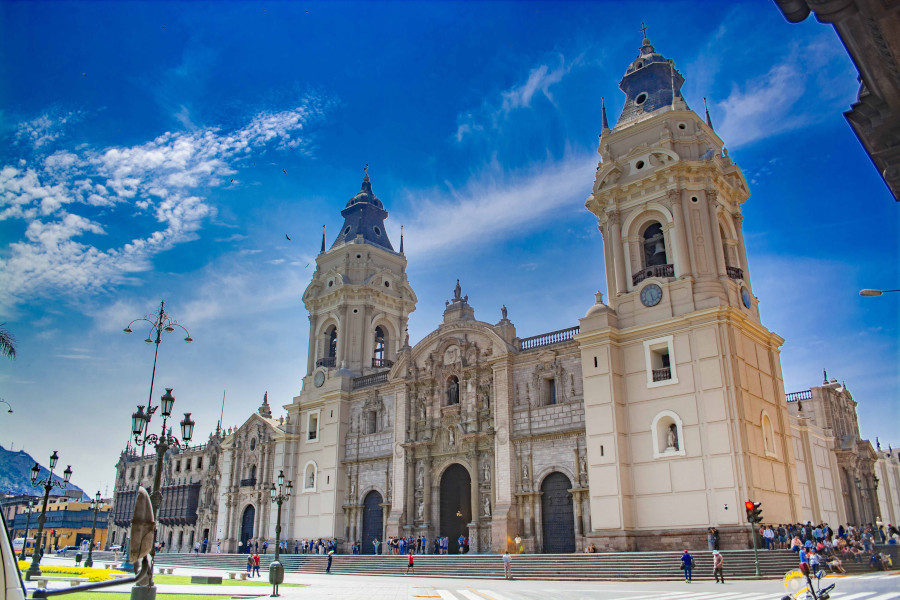
Lima is at sea level and requires no acclimation. You are recommended to spend a few days here to settle in and prepare for Machu Picchu. It is one of the best food cities in the world. It’s filled with great restaurants. You can head towards the Westin Lima to experience Peruvian gastronomy at Maras.
Sacred Valley
You can spend time in Sacred Valley to acclimatize to the altitude. Here, you can take a bike ride and enjoy the beauty of the Valley. You can also grab a drink at Sacred Valley Brewing, You can also visit a chicheria establishment that serves chicha. The chicha is a fermented drink made from maize.
Cusco
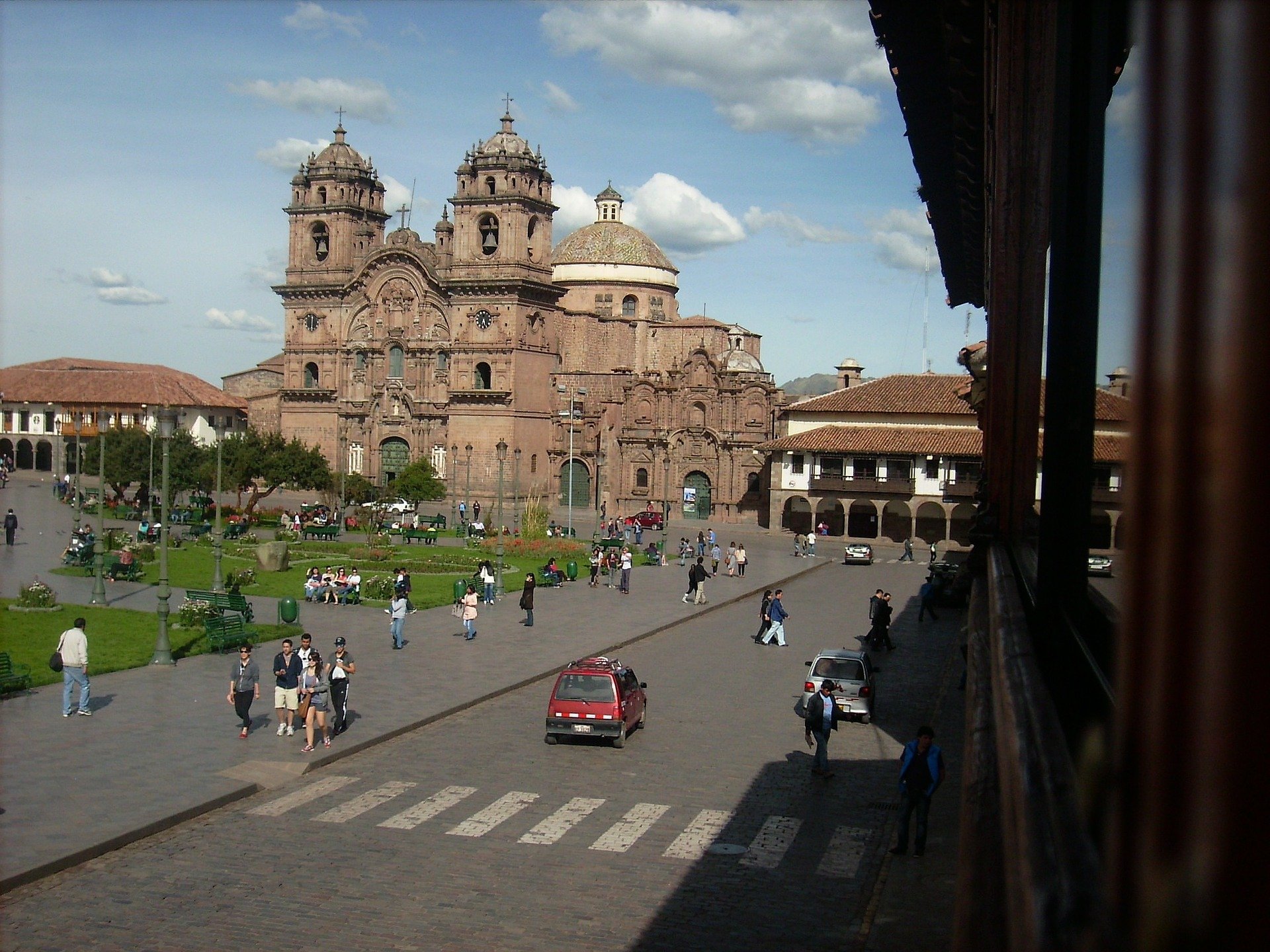
The city of Cusco is located at an altitude of about 11,000 feet and most of the visitors experience certain symptoms of altitude sickness. But after your trip to Machu Picchu and adjusting to the higher altitude, you can head back up to Cusco.
The place is full of ancient history, vibrant colours, and excellent markets. You must visit the 500-year-old Palacio Del Inka hotel with an original Inca wall. It also has several pieces of art from the pre-Inca, Inca, Colonial, and Republican periods on display.
Basic Principles to be Followed before Heading to Machu Picchu
You should acclimatise for at least 2 days in Cusco
Stay well-hydrated throughout the day
Avoid smoking, alcohol and other stimulants
Take preventative medication such as Acetazolamide (Diamox)
Travellers are recommended to give time to their body to acclimatize and get lots of rest. There is nothing to worry in case of mild altitude sickness like dizziness and headache, but serious symptoms should be treated immediately.
Which Animals Can Be Seen in Machu Picchu?
The wildlife of Machu Picchu makes it a marvellous destination for nature lovers. They can explore its low grasslands, mountain peaks, valleys, and cloud forests.
The biodiversity of Machu Picchu is widely spread and includes the Historic Sanctuary of Machu Picchu. This natural area is considered a World Heritage Site since 1983. The area offers a range of temperatures throughout the year. Here the high mountains create favourable micro-climates for the evolution of certain species.
Machu Picchu is located between the Andes and the Amazon, and forms fragile eco-systems for small species such as insects, birds, and mammals.
You can find a diversity of animals in Machu Picchu due to the existing micro-regions inside the reserve.
Here is a list of Machu Picchu animals that you can see during your visit to the Inca citadel of Machu Picchu:
Spectacled Bear (Tremarctosornatus): These are short-faced furry mammals. They are known as spectacled bears due to the rings of light fur around their eyes that appear as if they are wearing glasses.
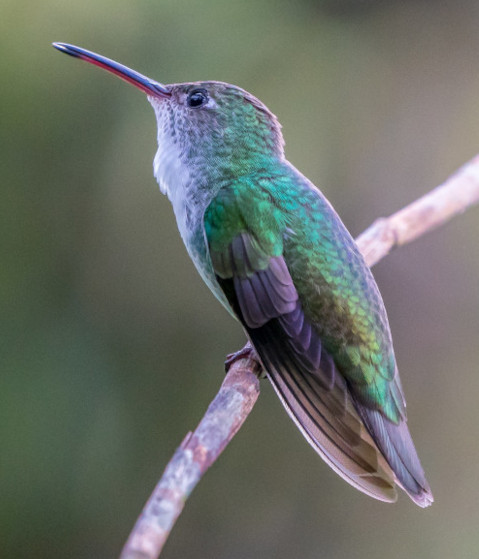
Giant Hummingbird(Patagonagigasperuviana): The largest hummingbird in the world has an average size of 8.5 inches. It was found in the Historical Sanctuary of Machu Picchu. The body of the bird is covered in greenish-grey or reddish-brown plumage with a white rump. It also has a slower wing beat when compared to other hummingbirds.
Andean Cock-of-the-Rock(Rupicolaperuviana): It is the national bird of Peru. The male Cock-of-the-rock is covered in a red-orange plumage. On the other hand, females are reddish-brown.
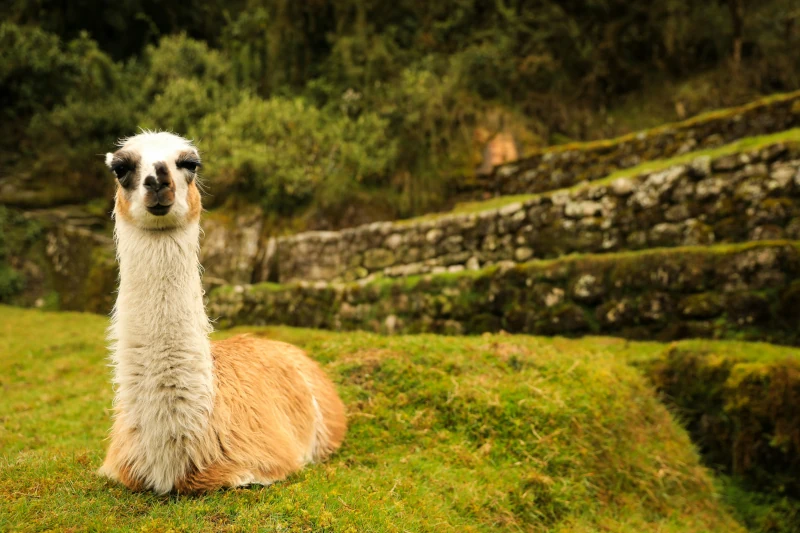
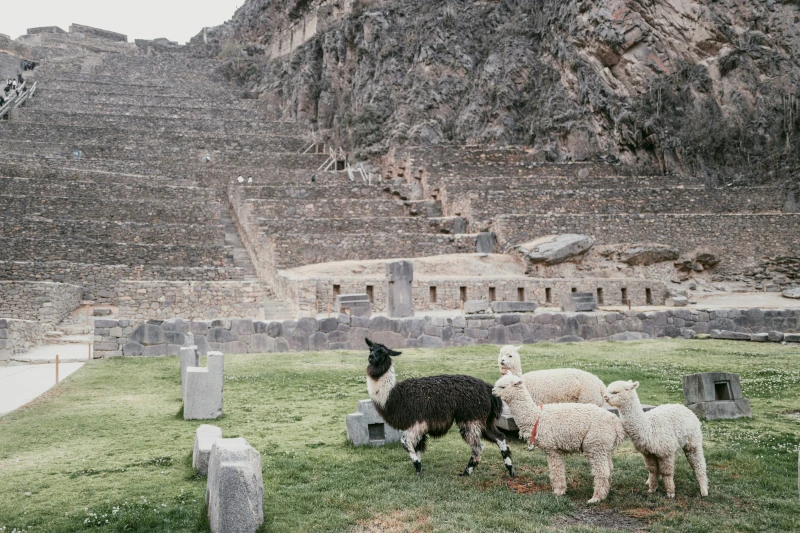
Camelids: Two of camelids – the Llama (Lama glama) and the alpaca (Lama pacos) have perfectly adapted to the environment. These wooly animals are a source of fibres to the local weavers and their lean meat is served as a rich source of protein and iron.
Andean Condor(Vulturgryphus): This is the largest vulture in the world with a wing span of about 10 feet wide. It has a curved beak and it can spot prey on land far below with its excellent eyesight.
Endangered Species in Machu Picchu
The spectacled bear comes under the vulnerable category globally. Its population in Peru is expected to decrease by 30% in the coming 30 years. The cock of the rock is being recovered but still comes under the category of threatened species.
The decline of these species is due to the loss of their habitats. The common reasons for the loss of the habitats of these animals include forest fires caused by human activity, and also their persecution and hunting.
Which is better Manu or Tambopata Jungle?
Are you planning to travel to Peru to see its amazing wildlife? Then you could find it difficult to decide between Manu and Tambopata.
Both are equally fascinating, but depending on your needs. One may offer certain advantages over the other. So, which is better Manu or Tambopata Jungle?
Accessibility:
Because of its isolation, Manu National Park is regarded as one of the planet’s biodiverse locations. Even wildlife researchers can reach it that easily! You must take a 40-minute flight to Boca Manu before taking a 5–6-hour boat ride to the jungle lodges where you will be staying to reach the Manu jungles.
Since Tambopata is not as secluded as Manu, you should be ready for some crowds. Although it is not a lot, Tambopata receives a lot more daily visits. This is because it is so easily accessible; all it takes is a 30-minute flight from Cusco to Puerto Maldonado. You can then travel to the jungle lodges by boat along the Tambopata River.
Wildlife Spotting:
With more than 1200 plant species, 200 mammal species, 150 reptiles, and amphibian species, and 1000 butterfly species, the Manu National Park is one of the best places in Peru to watch wildlife. It will undoubtedly be one of the greatest life experiences you will ever have. River otters, black caimans, capybaras, Brazilian tapirs, giant armadillos, scarlet macaws, Andean cock-of-the-rock, and black spider monkeys are among the animals that are frequently spotted.
Tambopata Jungle is especially excellent for wildlife viewing, particularly birdwatching expeditions, with around 1200 plant species, 160 mammal species, 100 reptile and amphibia species, 650 bird species, and 1200 butterfly species. The Chuncho Macaw Clay Lick, which feeds more than 100 macaws, parrots, and parakeets every day, is the most visited site in the Tambopata.
Costs of the Tours:
The Manu wildlife excursions are suited for visitors who intend to stay in Peru for longer than 2 weeks because they need a lot of time and effort. The wildlife tour alone will take anything from 4 to 9 days, depending on your needs. It is more interesting than Tambopata, but it is also more expensive because you need a budget of $300 to $400 every day.
Tambopata is more suitable for visitors who intend to stay in Peru for less than a week. This is because it is not a particularly difficult place to visit and practically all wildlife excursions last for approximately 4-5 days. Because of the crowds, it is less entertaining but also the least expensive, costing only approximately $100 to $200 per day.
Which is better Manu or Tambopata Jungle?
The dry season of Peru, lasts from April to September. It is the best time to visit the jungles of Manu and Tambopata since it increases the chance of spotting wildlife.
Whatever place you decide to go, it will be equally fascinating and leave a lasting impression on you. It all comes down to your preferences, such as the number of days you want to spend in Peru, how much budget you have, and what kind of species you want to see!
Which would be the best alternative to the classic Inca trail trek?
The classic Inca Trail is a popular choice for many travelers who want to explore the stunning ruins of Machu Picchu. However, with limited permits and increasing demand, it can be difficult to secure a spot on the trail. Additionally, the trail can be physically challenging and may not be suitable for all travelers. Fortunately, there are several alternative treks that offer unique experiences and stunning scenery.
Salkantay Trek
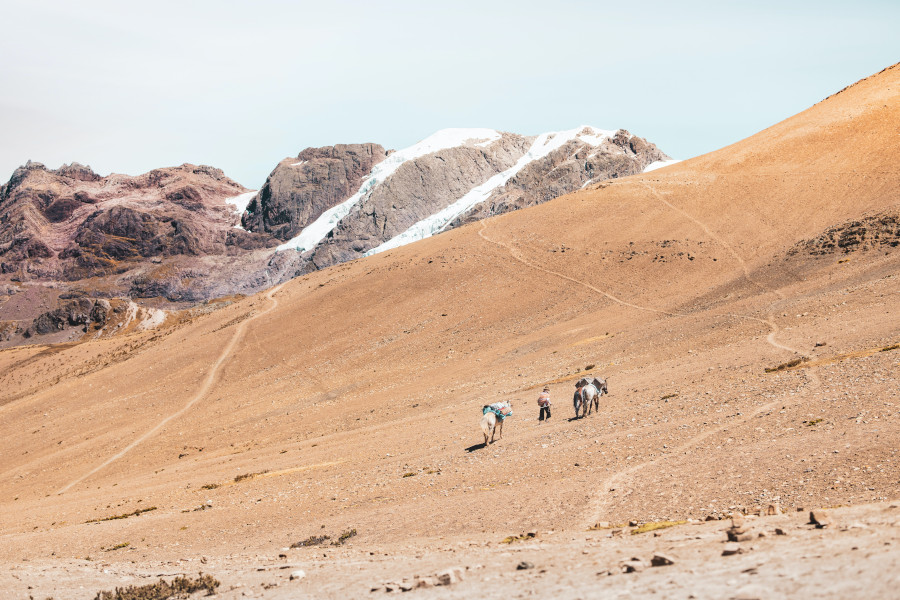
One of the most popular alternatives to the classic Inca Trail is the Salkantay Trek. This trek takes you through diverse landscapes, from snow-capped mountains to lush rainforests. Also, it passes near the stunning turquoise waters of Lake Humantay. It’s a great option for those who want a challenging trek with stunning views.
The Salkantay Trek typically takes 4-5 days to complete, and can be tailored to suit different fitness levels. While it’s a challenging trek, the sense of accomplishment when you reach the end is unmatched. Along the way, you’ll have the chance to see traditional Andean communities and learn about the local culture, adding a cultural element to your adventure.
The highlight of the Salkantay Trek for many is the breathtaking views of the surrounding mountains. Among this mountains is the iconic Salkantay Peak. The trek also passes through the beautiful Santa Teresa Valley. In this valley, you can relax in the nearby natural hot springs and see the stunning waterfalls of Mandor. Finally, the trek culminates in the famous Machu Picchu ruins, providing a perfect end to your adventure.
Lares Trek
Another alternative to the classic Inca Trail is the Lares Trek. This trek takes you through traditional Andean villages, where you can learn about the local culture and customs. You’ll also pass by stunning alpine lakes and hot springs, making it a great choice for those who want a more relaxed trek with cultural experiences.
The Lares Trek typically takes 3-4 days to complete and is considered a moderate trek, making it a great option for those who want a more relaxed pace. Along the way, you’ll have the chance to meet the local Quechua people and learn about their way of life. You’ll see traditional clothing, taste local cuisine, and even witness weaving demonstrations.
In addition to the cultural experiences, the Lares Trek also offers stunning natural beauty. You’ll pass by alpine lakes and snow-capped mountains, as well as natural hot springs where you can relax after a day of trekking.
As with the Salkantay Trek, it’s important to choose a licensed tour operator for the Lares Trek to ensure that you are supporting sustainable tourism practices and having a positive impact on the local communities.
Huchuy Qosqo Trek
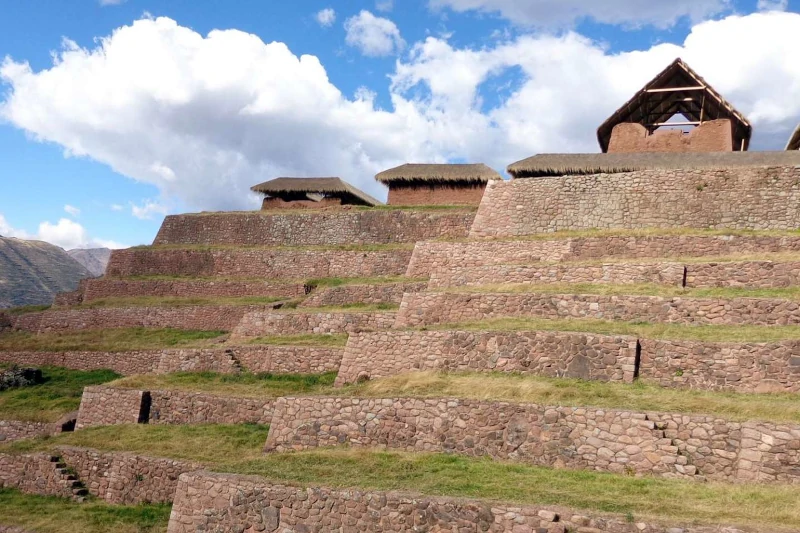
For those who want a shorter trek, the Huchuy Qosqo Trek is a great alternative to the classic Inca Trail. This trek takes you through beautiful landscapes, passing by Inca ruins and stunning views of the surrounding mountains.
The Huchuy Qosqo Trek typically takes 2-3 days to complete, making it a great option for those who are short on time or want a less physically demanding trek. Despite its shorter length, the trek still offers stunning views of the surrounding mountains, as well as the chance to see Inca ruins such as Huchuy Qosqo and Ollantaytambo.
The trek also takes you through traditional Andean villages, providing cultural experiences along the way. You’ll have the chance to see the local farming practices and learn about the unique way of life in the Andes.
As with the other treks, be sure to choose an operator that is committed to sustainable tourism practices and has a positive impact on the local communities.
Choquequirao Trek
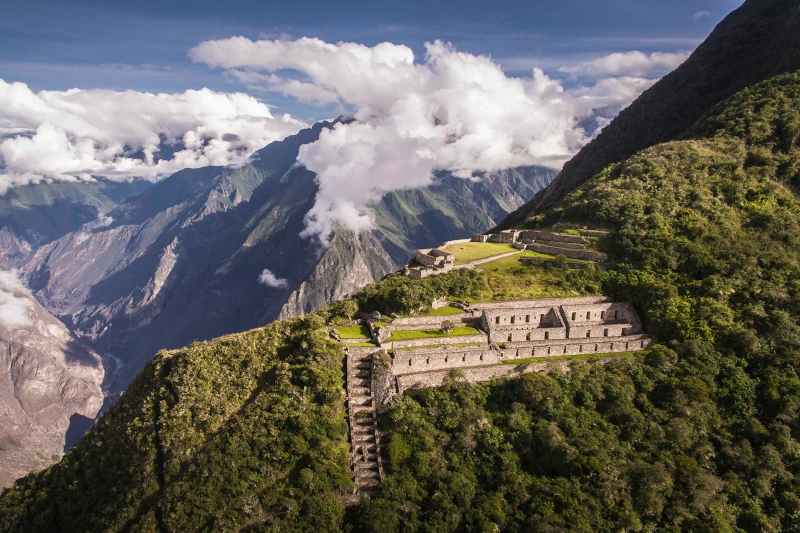
The Choquequirao Trekis another great alternative to the classic Inca Trail. This trek takes you to the impressive ruins of Choquequirao. It’s a great choice for those who want a more off-the-beaten-path experience while still getting to explore Inca ruins.
The Choquequirao Trek is a challenging trek that typically takes 4-5 days to complete. While it requires a higher level of fitness, it offers the chance to explore lesser-known Inca ruins and experience a more remote part of Peru.
The highlight of the trek is the impressive ruins of Choquequirao, which are often referred to as the “sister city” of Machu Picchu. The ruins are located high above the Apurimac River and offer stunning views of the surrounding mountains. In addition to Choquequirao, the trek also takes you through other lesser-known ruins such as Pinchaunuyoc and Raqaypata.
The Choquequirao Trek also offers beautiful natural scenery, including views of snow-capped mountains and the Apurimac Canyon. Along the way, you’ll also have the chance to see traditional Andean communities and learn about their way of life.
When was the Inca Trail built? How long did it take?
The Inca Trail, a breathtaking network of ancient paths stretching across the rugged Andean landscape, has captivated the imaginations of historians, archaeologists, and adventure enthusiasts alike. This intricate system of trails, connecting various Inca sites, has long been a subject of fascination for those seeking to unravel the mysteries of the past.
In this article, we will explore the origins of the Inca Trail, delving into its construction timeline and shedding light on the engineering marvel that it represents. Join us as we journey through time to uncover the story of when the Inca Trail was built and the remarkable effort it took to create this enduring testament to the prowess of the Inca civilization.
Unraveling the origins: The Inca Trail and its historical significance
The Inca Trail, a symbol of the Inca Empire’s greatness, has a rich historical background. Its construction showcases the empire’s engineering prowess. Understanding when the Inca Trail was built is crucial to appreciating its significance.
The Inca Empire, existing from the 13th to the 16th century, was the largest empire in pre-Columbian America. It was a period of rapid expansion and development. The Inca Trail built during this time connected administrative centers, religious sites, and settlements.
The modern Inca Trail route was part of a larger road network known as the Qhapaq Ñan. This network spanned approximately 30,000 km (18,641 miles) and traversed various terrains. Also, it stretched across modern-day Colombia, Ecuador, Peru, Bolivia, Argentina, and Chile. The Inca Trail built during the empire’s peak facilitated communication and trade.
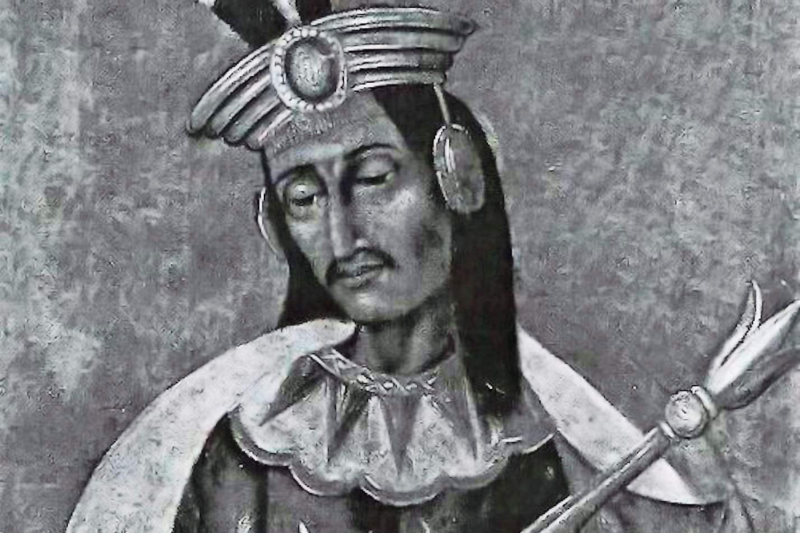
Many historians believe the trail’s development began during the reign of Pachacuti Inca Yupanqui (1438-1471). He was a visionary leader who transformed the kingdom of Cusco into the Inca Empire. Under his rule, the empire experienced significant growth.
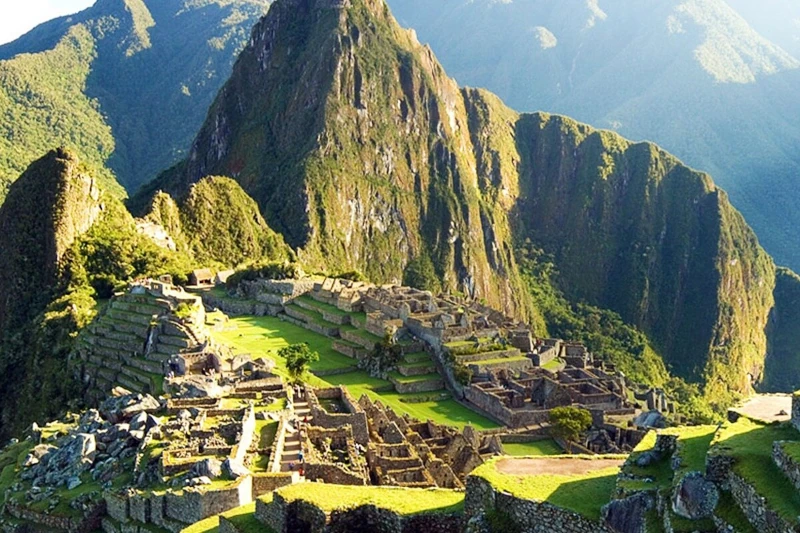
Pachacuti Inca Yupanqui was also responsible for constructing Machu Picchu. This iconic citadel, perched high in the Andes, is a prime example of Inca architectural ingenuity. The Inca Trail built during his reign connected the empire’s various sites.
The Inca Trail’s historical significance extends beyond its construction. It played a vital role in the empire’s efficient administration. The trail allowed for quick movement of soldiers, officials, and messages.
The intricate network of paths also highlights the Inca civilization’s advanced engineering skills. Expert masonry, suspension bridges, and staircases carved into mountains are evident. The Inca Trail built under Pachacuti Inca Yupanqui’s rule remains a testament to their abilities.
The construction process: Techniques, challenges, and timeline
The Inca Trail’s construction involved remarkable techniques, overcoming various challenges, and spanning an extensive timeline. The Inca Trail built during the empire’s zenith is a testament to their engineering capabilities.
Inca engineers employed advanced techniques to create the intricate trail system. They used local materials such as stone, wood, and rope to build roads, bridges, and staircases. The Inca Trail built in this manner showcased their resourcefulness.
One significant challenge was the diverse terrain, including mountains, valleys, and rivers. The Inca overcame this by incorporating suspension bridges, stone-paved roads, and mountain staircases into the trail’s design.
Another challenge was the harsh Andean weather. Heavy rainfall and landslides posed risks to the trail’s integrity. Ingenious drainage systems were developed to address this issue, ensuring the trail’s longevity.
The construction timeline remains a subject of debate among historians. However, many believe that the trail’s development began during Pachacuti Inca Yupanqui’s reign. The Inca Empire flourished under his rule, with numerous infrastructural projects initiated.
The temples of Machu Picchu, an architectural marvel, were also built during this period. The citadel remains one of the most iconic and well-preserved examples of Inca engineering.
The Inca Trail’s full extent was not discovered until the early 20th century. American explorer Hiram Bingham is credited with bringing the trail to global attention. His expeditions unveiled the trail’s scope and the hidden treasures of the Inca Empire.
Today, the Inca Trail is considered an extraordinary example of the Inca Empire’s engineering expertise. The Inca Trail built during their reign remains a testament to their ability to overcome challenges and innovate.
In summary, the construction process of the Inca Trail involved remarkable techniques, addressing numerous challenges, and an extensive timeline. This iconic trail continues to be a symbol of the Inca Empire’s brilliance and perseverance.
The Inca Trail today: Preservation efforts and the legacy of an ancient civilization
The Inca Trail built centuries ago continues to captivate the world today. Preservation efforts and the legacy of the ancient civilization are key to its enduring allure.
Conservation efforts include limiting the number of visitors allowed on the trail. By restricting access, the Peruvian government aims to preserve the trail’s integrity and prevent degradation.
Additionally, regular maintenance work is carried out along the trail. This includes clearing vegetation, repairing stonework, and ensuring the safety of the trail for hikers. These efforts help maintain the Inca Trail and preserve the legacy of the Inca Empire.
The Inca Trail’s legacy extends beyond the path itself. It represents the Inca Empire’s innovative spirit, engineering prowess, and cultural heritage. The trail has become a symbol of the ancient civilization’s achievements.
Many tourists embark on the Inca Trail to experience the rich history of the ancient Inca civilization. The trek offers a glimpse into the lives of the people who built and used the trail. Thus, the Inca Trail remains a significant part of our global heritage. Preservation efforts ensure that the trail continues to inspire and captivate.
For those seeking an alternative trek to Machu Picchu, the Lares Trek is a perfect choice. This route showcases stunning landscapes, traditional Andean villages, and lesser-known Inca sites. This unforgettable journey will immerse you in the rich history and breathtaking beauty of the Andes.
World Travel Awards: Peru as a Culinary Destination
Tucked away in South America lies a gastronomic gem: Peru as a culinary destination. This nation is not just rich in history, but in flavor. A tapestry of diverse landscapes gives birth to a myriad of ingredients.
Lima, its capital, has become a global food hotspot. Chefs blend indigenous techniques with global trends. The result? Dishes that dance on the palate and captivate the soul.
Peruvian cuisine tells a story of its people. From mountain highlands to coastal plains, every meal is a journey. Dive in and discover why Peru reigns supreme in the gastronomic world.
A culinary revolution unleashed: Peru’s Rise to the pinnacle of gastronomy
For decades, Peru remained a silent giant in the culinary realm. Yet, its cuisine now speaks volumes. The flavors of Peru have emerged, enthralling food lovers globally.
Lima, previously overlooked, is now a gastronomic capital. Here, chefs have reignited ancient culinary traditions. They pair them with modern techniques and create magic.
Peruvian Ceviche, once a local delight, has become globally adored. Fresh fish, tangy lime, and fiery chili showcase Peru’s best. It represents a culinary experience both fresh and invigorating.
Many wondered how Peru climbed the gastronomic ladder so swiftly. The answer lies in its rich biodiversity. From the Andes to the Amazon, the array of ingredients is staggering.
Each region offers something unique, from fruits to rich meats. This variety has positioned Peru as a Culinary Destination.
But it’s not just about diversity. The Peruvian passion for food has fueled this revolution. Every dish, every ingredient, holds a story. These stories, shared over meals, captivate diners worldwide.
Moreover, global food enthusiasts have played a part. They ventured to Peru, enticed by its culinary whispers. What they found was a symphony of flavors. They became ambassadors, spreading the word of this gastronomic haven.
Peru’s journey in the culinary world is inspiring. It serves as a testament to the nation’s resilience, creativity, and pride. The world recognized its brilliance. And as we relish its delicacies, we celebrate its rise.
Exploring the flavors of Peru: A journey through the culinary riches of the nation
The gastronomic wonders of Peru are vast and varied. From coastal dishes to highland treats, every region surprises. Each bite tells tales of history and heritage.
Lima, its bustling capital, offers a tantalizing start. Restaurants here serve everything from traditional to fusion. They beautifully showcase Peru as a Culinary Destination.
But to truly understand its flavor depth, one must travel. Venture to the Andes, and you’ll discover “Pachamanca“.
This dish, cooked underground with heated stones, is an age-old tradition. It offers a unique mix of meats, potatoes, and spices. A true embodiment of the mountain spirit.
Then there’s the legacy of Inca Cuisine. The Incas were not just great builders, but also culinary innovators. Quinoa, maize, and potatoes owe their popularity to them. They turned simple ingredients into nutritional masterpieces.
As you move to the Amazon rainforest, the palette deepens. Unique fruits, freshwater fish, and unique herbs dominate dishes. These flavors are as wild and diverse as the forest itself.
The coast of Peru has its own story. With the Pacific Ocean at its doorstep, seafood reigns supreme. Ceviches, tiraditos, and chowders celebrate the ocean’s bounty.
In the south, Arequipa boasts a spicy and robust cuisine. Rocoto relleno and chupe de camarones are local favorites. They offer a spicy kick that lingers on the tongue.
Yet, with all these diverse dishes, a common thread exists. It’s the undying love for food and tradition. A respect for ingredients and the stories they hold.
As more travelers explore its flavors, its fame grows. They see Peru as a Culinary Destination, not once, but repeatedly. This nation has succeeded in capturing hearts, one dish at a time.
To journey through Peru’s flavors is to time-travel. From ancient practices to modern fusions, it’s an adventure. An adventure that leaves one hungry for more.
Tradition, innovation, and international acclaim: The pillars of Peru’s Culinary Dominance
Peru’s culinary ascent is nothing short of phenomenal. Its gastronomy stands on three formidable pillars. These are tradition, innovation, and global acclaim.
Tradition offers the bedrock of Peruvian flavors. For centuries, communities have cultivated a rich culinary heritage. From quinoa dishes to potent pisco, traditions are treasured.
Yet, it’s not just about the past. Innovation has taken Peru’s age-old recipes and reinvented them. Modern Peruvian chefs embrace this duality, creating fusion dishes that captivate.
Enter Lima, now a gastronomic powerhouse. Its restaurants frequently top global culinary charts. Such international acclaim isn’t accidental. It’s a testament to the nation’s dedication to gastronomy.
International food enthusiasts can’t resist Peru’s allure. The promise of both authenticity and novelty draws them in. They leave with memories of flavors they can’t find elsewhere.
However, this culinary evolution isn’t just for outsiders. Locals, too, revel in the renaissance of their national dishes. Food festivals and competitions abound, showcasing local talent and creativity.
The world’s culinary community has taken note. Awards, accolades, and glowing reviews flood in. They recognize what many have known for ages: Peru is a gastronomic gem.
But what truly solidifies Peru’s culinary dominance? It’s the seamless blend of old and new. This harmony allows for dishes that respect heritage while embracing the future.
If you’re keen to experience this culinary mastery firsthand, there’s more than just food awaiting. Discover the historical wonder of Machu Picchu. For an immersive experience, consider a 4 Day Lares Trek to Machu Picchu.
In essence, to know Peru’s food is to know its soul. Dive deep, explore, and allow its culinary tales to enthrall.
What to Expect on the Inca Trail: A Day-by-Day Guide
Embarking on the Inca Trail is an adventure of a lifetime. It’s a journey back in time, amidst breathtaking landscapes. This guide offers a day-by-day breakdown on what to expect on the Inca Trail.
The trail challenges and rewards, with its diverse terrains. Every step brings you closer to the ancient city of Machu Picchu. Preparation is key for this trek.
Our guide ensures you know what to expect. From altitude changes to sacred ruins, we’ve got you covered. Pack your bags and get ready for an unforgettable journey.
With insights on the best times to go and what to bring, you’ll be well-prepared. This journey is not just a hike; it’s a cultural immersion. Let’s start this remarkable adventure together in our Inca Trail to Machu Picchu.
Day 1: Setting Off on the Inca Trail – The Journey Begins
Embarking on the Inca Trail marks the start of an unforgettable adventure. Hikers gather early, buzzing with anticipation. The air is crisp, hinting at the day’s challenges.
Guides distribute last-minute advice, emphasizing the journey ahead. Our goal? To traverse ancient paths leading to Machu Picchu.
Preparation and First Steps
Before dawn, we leave Cusco, heading towards the Sacred Valley. The scenic drive offers glimpses of rural life.
Our destination is Km 82, the official starting point. Here, we undergo a brief check-in process. Passports in hand, excitement builds among the group.
The first day introduces hikers to the trail’s beauty. We cover approximately 14 kilometers, a manageable distance for most. The path meanders alongside the Urubamba River, offering serene views. Verdant mountainsides frame our path, a testament to nature’s splendor.
Expect on the Inca Trail: A Journey of Discovery
Expect on the Inca Trail to encounter diverse ecosystems. The trail gradually ascends, reaching altitudes above 3,000 meters. Hikers feel the altitude, each breath seeming heavier than the last.
We highly recommend acclimatizing in Cusco for a few days beforehand. This preparation helps mitigate altitude sickness, a common concern.
Lunch provides a welcome break. We refuel and rest, surrounded by panoramic views. Our guides share insights about Inca history, enriching the experience. The camaraderie among hikers grows, bonded by shared endeavor.
The Path to Patallacta
As we progress, the iconic site of Patallacta comes into view. This ancient settlement mesmerizes with its strategic placement and architectural brilliance. Its terraces, once vibrant with crops, now stand as silent witnesses to Inca ingenuity.
Photographers find this spot irresistible. The ruins against the mountain backdrop create postcard-perfect images. We pause, absorbing the history and grandeur of our surroundings.
Altitude and Anticipation
The trail’s altitude demands respect. As we ascend, the air thins, challenging even seasoned hikers. Drinking plenty of water becomes essential. Guides remind us to pace ourselves, a key to overcoming the altitude.
Expect on the Inca Trail moments of introspection. The physical journey mirrors an inner one. Each step forward reflects determination, a step closer to the ancient citadel. The trail offers lessons in perseverance and awe at the Inca’s achievements.
Camping Under the Stars
Our first campsite welcomes us with spectacular views. The night sky, free of light pollution, dazzles with stars. Here, the Milky Way seems within reach, a celestial spectacle.
Dinner is a hearty affair, fuel for the days ahead. Stories and laughter fill the air, creating memories that will last a lifetime. As we retire to our tents, anticipation for tomorrow’s challenges lulls us to sleep.
Expect on the Inca Trail: A Test of Will and Spirit
The Inca Trail is more than a hike; it’s a journey through history. Day 1 sets the stage, blending physical challenge with cultural immersion. Expect on the Inca Trail to be tested, both physically and mentally.
The classic Inca Trail is a testament to human endeavor. It connects us to the past, to the people who once walked these paths. As we rest, dreams of ancient citadels and untouched landscapes fill our thoughts.
Reflections on Day One
Looking back on day one, the journey has already exceeded expectations. The blend of natural beauty and historical depth is unmatched. We highly recommend this experience to adventurers and history buffs alike.
The path ahead promises more wonders. Each step brings us closer to understanding the Inca’s mastery of their environment. As we rest, we reflect on the day’s journey. We have embarked on an adventure that will stay with us forever.
Expect on the Inca Trail to find more than ruins and landscapes. It offers a connection to the past, a bridge to understanding an ancient civilization. Day 1 is just the beginning. The trail beckons, leading us towards discovery and awe at the ingenuity of the Incas.
Day 2: Ascending to New Heights – Discovering Inca Ruins
Day 2 on the Inca Trail brings adventure to new levels. We start early, hearts full of anticipation.
The path ahead promises breathtaking views and ancient secrets. This is what hikers expect on the Inca Trail. Our destination? The majestic Machu Picchu.
The day begins with a steep ascent. We cover significant ground, tackling challenging terrains. The air thins as we climb higher. Guides and porters lead the way, ensuring safety and comfort.
By mid-morning, we reach an altitude that commands respect. The landscape unfolds in layers of history and natural beauty.
Here, each Machu Picchu story told by our guides adds depth to our journey. They share tales of the Inca Empire, its people, and their achievements. This enriches our hike to Machu Picchu.
Through the Heart of History
As we ascend, the ruins of Runkurakay greet us. This ancient checkpoint overlooks the valley below. Its circular design intrigues and invites speculation about its past purposes. We pause, capturing this moment, knowing it’s a privilege to visit Machu Picchu and its surrounding wonders.
The trail then leads us to the highest point of our trek: Dead Woman’s Pass. At 4,215 meters (13 828 feet), it’s a test of endurance. Here, the air is crisp, and the sense of achievement is palpable. We expect on the Inca Trail challenges, but the rewards surpass them all.
Descending from the pass, our path crosses lush cloud forests. Orchids and ferns line our way, a stark contrast to the morning’s rocky terrain. We marvel at the ecosystem’s diversity, a reminder of nature’s resilience and beauty.
The Path Less Traveled
After lunch, we approach the ruins of Sayacmarca. This inaccessible fortress stands as a guardian of the past. Its strategic location offers panoramic views, ideal for defense. Our guides explain its significance, enhancing our appreciation for Inca engineering.
The day’s journey showcases the importance of an Inca Trail permit. Without it, these sacred paths and ruins would remain unseen. Our hike to Machu Picchu continues, enriched by every step on the day Inca Trail.
As the sun begins to set, we reach our campsite. The day has been long, but spirits remain high. We share stories of the day’s adventures, each Machu Picchu tale more inspiring than the last. Our tour company has made this experience possible, guiding us through history and nature.
Tonight, under a blanket of stars, we reflect on our journey. We have walked paths paved by ancient civilizations. We have witnessed the ingenuity of the Inca Empire. Our visit to Machu Picchu is more than a hike; it’s a pilgrimage through time.
Expect on the Inca Trail to be challenged, to learn, and to be awed. Our guides and porters have been invaluable, sharing their knowledge and support. Inca Trail tours offer a unique blend of adventure and cultural immersion.
Tomorrow holds the promise of Machu Picchu. But today, we celebrate our ascent to new heights. We have discovered Inca ruins, traversed diverse terrains, and connected with a rich history.
This day on the Inca Trail has been unforgettable. We look forward to what comes next, ready for more discoveries.
Day 3 and 4: The Final Stretch – Arriving at Machu Picchu
Day 3 on the Inca Trail awakens us with a mix of excitement and anticipation. Today’s journey brings us closer to the legendary Machu Picchu. Our tour operator has briefed us well. We know what to expect on the Inca Trail.
The day’s hike starts with coca tea. This traditional remedy boosts our energy for the trek ahead. We pack our gear, eager to continue. The path ahead promises more wonders, more challenges.
Our first milestone is Phuyupatamarca, the ‘City Above the Clouds’. Its ruins emerge as we ascend, draped in mist. Here, the Inca’s genius in engineering and respect for nature become evident. This site offers a perfect pause, inviting reflection and awe.
Gateway to the Past
Descending from Phuyupatamarca, the trail becomes a verdant staircase. It leads us through the cloud forest, alive with birdsong. The air is fresh, filled with the scent of moss and earth. This portion of the hike underscores the diversity of the trail.
We reach Intipata, a site known for its agricultural terraces. These marvels of Inca architecture offer breathtaking views of the valley. Our guides share insights, making each step an educational journey. This is what hikers expect on the Inca Trail.
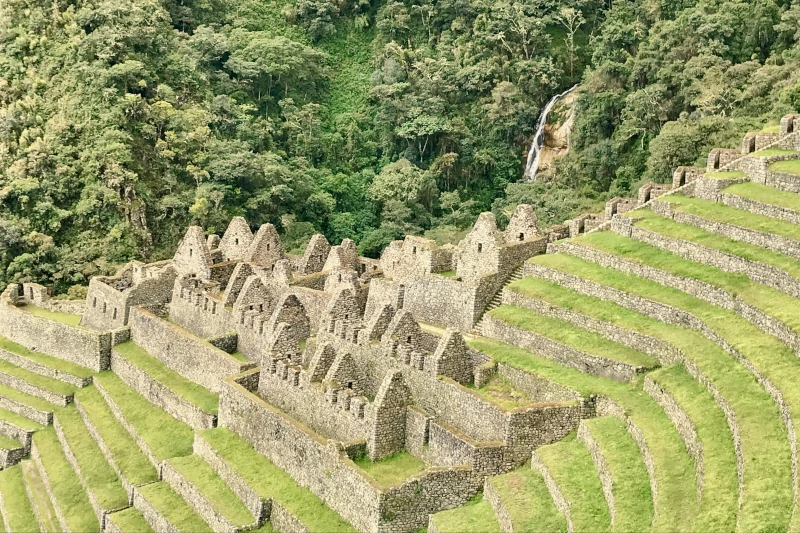
Our final camp is near Wiñay Wayna, ‘Forever Young’. This complex is a testament to Inca brilliance and their relationship with the land. Its terraces and structures cling to the mountainside, harmonious with the landscape.
The Dawn of Discovery
Day 4 begins in the dark, long before sunrise. Our night’s sleep was short but filled with anticipation. Today, we reach Machu Picchu.
The final part of our trek is quiet, reflective. We move as a group, connected by the shared goal. The Sun Gate awaits us, the final checkpoint before Machu Picchu.
As we approach the Sun Gate, the first rays of light crest the mountains. The sight is breathtaking. Machu Picchu reveals itself, nestled among the peaks. This moment is the reward for every step, every challenge faced on the trail.
We pause, allowing the magnitude of the view to sink in. This is the time to hike the Inca Trail, a journey through history to this moment. The Sun Gate offers the first glimpse of Machu Picchu, a preview of the marvels to come.
Arrival at the Ancient Citadel
Descending towards Machu Picchu, our excitement builds. Each step brings new perspectives of the city. Its beauty is overwhelming, nestled in nature, untouched by time.
We’ll gather for the final approach. They remind us of the importance of respect and preservation. This site is a treasure, a heritage of humanity.
We enter Machu Picchu, stepping into a world preserved by centuries. The city’s layout, its temples, and plazas speak of a civilization advanced beyond its time. Here, the Inca’s legacy is palpable, inviting awe and reverence.
Exploring Machu Picchu, we understand the importance of our journey. This is not just a visit; it’s an immersion into history. Our guides lead us, sharing stories and insights. Their knowledge enriches our experience, making it unforgettable.
Expect on the Inca Trail a transformation. The journey changes you, deepening your appreciation for history, nature, and human brilliance. We have walked paths ancient Incas trod, reaching a place of profound beauty and significance.
Our time at Machu Picchu concludes with a quiet reflection. We look back at the city from the Sun Gate, taking in the view. The journey here was not just about reaching a destination. It was about the lessons learned, the friendships forged, and the limits tested.
Reflections on the Journey
As we prepare to leave, we take one last look at Machu Picchu. The journey here has been more than we could have expected on the Inca Trail. It has been a journey of discovery, of challenges met and overcome.
Our hike the Inca Trail concludes, but the memories and lessons remain. We have experienced the beauty of the Andes, the genius of the Incas, and the spirit of adventure. This experience binds us to a story much larger than ourselves.
Expect on the Inca Trail to find parts of yourself you never knew existed. The trail teaches resilience, respect, and wonder. Our journey to Machu Picchu has been a testament to the enduring allure of the Inca Trail.
We leave with gratitude. Our tour operator, guides, and porters have been indispensable. Their expertise and care made this journey possible. As we depart, we carry with us a sense of accomplishment and a newfound respect for the ancient world.
The Inca Trail to Machu Picchu is more than a hike; it’s a pilgrimage to the past. It offers a glimpse into a civilization that, though gone, continues to inspire and awe. We return home enriched, our hearts and minds forever touched by this ancient wonder.
Why the Lares Trek is the Perfect Alternative to the Inca Trail
The Lares Trek, the unsuspected alternative to the traditional Inca trail. Embarking on a journey to Machu Picchu is a dream for many adventurers.
This path offers a blend of natural beauty, cultural richness, and fewer crowds. It’s a route that promises an authentic Andean experience. Perfect for those seeking tranquility and connection.
Why consider the Lares Trek over the popular Inca Trail? It’s not just about avoiding the crowds. It’s about immersive cultural encounters and stunning landscapes.
Unveiling the Hidden Treasures: The Scenic Beauty of the Lares Trek
In the heart of Peru, the Lares Trek emerges as a breathtaking journey. It snakes through the Andes, revealing nature’s masterpieces. Every step on this trek promises an unforgettable scenic experience.
Unlike its famous cousin, the Inca Trail, the Lares Trek offers solitude and untouched beauty. It weaves through high mountain passes, lush valleys, and tranquil lakes. This path lets adventurers connect deeply with nature’s wonders.
The trek starts with vibrant, rolling hills that set the tone for the adventure. Soon, it introduces trekkers to the high Andean landscapes. Here, the air feels fresher, and the sky, a deeper blue.
A Tapestry of Colors and Cultures
As the journey unfolds, the Lares Trek reveals a tapestry of stunning vistas. The path stands next to glacial lakes that mirror the sky. Their turquoise waters contrast sharply with the rugged terrain.
The trek also passes through small, traditional villages. These communities maintain centuries-old ways of life. Trekkers can witness locals herding llamas and alpacas, adding a rich cultural layer to the scenic trek.
One cannot ignore the majestic peaks that accompany you along the way. These guardians of the land stand tall, covered in snow. They offer a spectacular backdrop to the vibrant landscapes below.
Nature’s Varied Palette
The diversity of the landscape is astounding. One moment, you’re navigating rocky trails; the next, you’re in blooming meadows. The Lares Trek truly showcases the varied palette of the Andes.
Crossing high mountain passes provides a sense of achievement. From these vantage points, the panoramic views are unparalleled. The feeling of standing atop the world is both humbling and exhilarating.
Wildlife sightings add excitement to the trek. From majestic condors soaring above to shy vicuñas grazing, nature’s inhabitants enrich the experience. They remind us of the wildness that still governs these lands.
Bridging Landscapes and Legends
The trek is more than just a physical journey; it’s a bridge to the past. Along the way, ancient ruins whisper stories of the Inca civilization. These historical sites are less crowded, allowing for a more intimate exploration.
Waterfalls also mark the journey, offering refreshing stops. The sound of falling water complements the landescapes. These natural showers bring a sense of peace.
Every turn on the Lares Trek presents a new wonder. The journey is a continuous dialogue with nature. It invites reflection and fosters a deep connection with the earth.
The Lares Trek: A Journey Through the Clouds
Ascending further, trekkers enter realms where clouds and land meet. This ethereal landscape feels like walking through a dream. The misty atmosphere adds a mystical quality to the trek.
This section of the Lares Trek is surreal. Cloud forests envelop the path, home to diverse flora and fauna. The moisture-laden air nurtures a rich biodiversity, making each step a discovery.
A Cultural Odyssey: Immersive Experiences Along the Lares Route
The Lares Trek is not just a journey through nature. It’s a deep dive into the heart of Andean culture. This path takes you through the Lares Valley, where the fabric of local life unfolds.
The trek is a gateway to experiences far beyond the average tourist trail. It offers a unique glimpse into the lives of local communities. Here, every step tells a story of tradition and resilience.
Starting from the Sacred Valley, the trek immediately sets a tone of cultural richness. The valley, with its fertile lands and historical sites, is the perfect introduction to the Andean way of life.
Villages Untouched by Time
As the Lares Trek winds its way through the mountains, small towns emerge. These communities live much as they have for centuries. They offer a rare opportunity to see traditional Andean life in action.
In these villages, local families open their homes and hearts to travelers. Staying with a local family is more than just a place to sleep. It’s an invitation to understand their world.
Children herd llamas and alpacas, just as their ancestors did. Weavers create textiles with patterns passed down through generations. These moments provide a profound connection to the Andean spirit.
A Tapestry of Traditions
The cultural tapestry of the Lares Trek is rich and varied. Each community along the route has its own festivals and traditions. These celebrations are vibrant displays of identity and heritage.
Music and dance are integral to these festivals. They tell stories of the community, the earth, and the cosmos. Participating in or witnessing these celebrations is a highlight of the Lares experience.
Handicraft markets along the trek showcase the artisanal skills of the locals. Each piece reflects the natural beauty and cultural stories of the Lares Valley. Purchasing these crafts supports the community and brings a piece of the journey home.
Crossing Paths with History
The Lares Trek to Machu Picchu weaves through landscapes filled with ruins. These sites are less frequented, allowing for a serene exploration. They stand as silent witnesses to the Inca’s architectural prowess.
Hiking the Lares Trail brings travelers face to face with the Urubamba Mountain Range. The range is not just a natural wonder. It’s a sacred backdrop to the lives of those who live here.
A Journey Through the Seasons
The Lares Trek is a path of discovery, regardless of the season. Dry seasons offer clear skies and stellar views, while the wet season brings lush landscapes. Each season paints the trek in a different light, offering varied experiences.
Choosing the Road Less Traveled: Advantages of the Lares Trek Over the Inca Trail
In the quest to visit Machu Picchu, many overlook the Lares Trek. Yet, this path offers unmatched experiences. It leads adventurers through the heart of the Andes, avoiding crowded trails.
The Lares Trek starts in the Sacred Valley, immediately setting a tranquil tone. From there, it winds through remote areas, offering serenity. This peace is a luxury not found on the more popular Inca Trail.
Choosing to hike the Lares Trek means embracing the road less traveled. It’s a decision to experience Peru in its most authentic form. Here, the journey to Machu Picchu becomes as significant as the destination.
A Journey Through Authentic Andean Culture
One of the Lares Trek’s unique advantages is its cultural immersion. The trail passes through small towns where traditional life continues. These encounters offer a glimpse into the daily lives of the Andean people.
In these communities, travelers can interact with local villagers. This interaction is an opportunity to learn about their traditions and lifestyles. Such experiences are rare on the more trafficked routes to Machu Picchu.
The Lares Trek also allows for overnight stays in these towns. These stays deepen the cultural exchange. Guests can share meals and stories with host families, adding a personal touch to their journey.
The Natural Wonders of the Lares Valley
The Lares Trek unveils the untouched beauty of the Lares Valley. Its landscapes are diverse, ranging from lush valleys to high mountain passes. This variety ensures that every day on the trail brings new sights.
At high altitude, the air is crisp and the views are spectacular. The trek reaches its highest point amidst breathtaking panoramas. Here, trekkers feel a sense of achievement and connection with nature.
Wildlife flourishes along this less trodden path. The absence of crowds allows for more intimate encounters with nature. This solitude is a key advantage for those seeking a genuine wilderness experience.
Advantages of Timing and Flexibility
The Lares Trek offers flexibility that the Inca Trail cannot match. It doesn’t require permits that sell out months in advance. This flexibility makes planning a trip to Machu Picchu more accessible.
Additionally, the Lares Trek is shorter and doable in less time. Day tours range from two to four days, fitting various schedules. This shorter duration allows for a focused and enriching experience.
Traveling during the dry seasons offers clear skies and stable weather. However, the Lares Trek is less affected by seasonal crowds. This makes it a viable option year-round, unlike the Inca Trail, which can get extremely busy.
The Path to Wellness and Challenge
Trekking the Lares Trail is also a journey of personal growth. It challenges trekkers physically, with its varied terrain and altitude. Yet, it rewards them with a sense of accomplishment and renewal.
The physical demands of the trek are worth it because of the landscapes. The natural beauty and quietude provide a backdrop for reflection. This combination of challenge and tranquility.
Moreover, the Lares Trek’s remote paths foster a sense of adventure. They encourage trekkers to push their limits.
The Lares Trek as a Premier Choice
Choosing the Lares Trek to Machu Picchu is opting for an authentic adventure. It’s a decision to engage deeply with Peru’s culture, nature, and history. This trek offers a unique blend of experiences that the Inca Trail cannot.
When Was Machu Picchu Built? Key Facts
Machu Picchu, a UNESCO World Heritage Site, is a marvel of ancient architecture. But when was Machu Picchu built? This question has intrigued historians and travelers alike.
Believed to have been constructed around 1450 AD, Machu Picchu stands as a symbol of the Inca Empire’s zenith. Yet, its purpose remains shrouded in mystery.
In this article, we’ll delve into key facts about Machu Picchu’s construction date. We’ll explore its place within the Inca civilization timeline and the techniques used in its creation. High in the Andes, it’s a testament to the Inca civilization’s brilliance and resilience.
Join us as we journey back in time to uncover the secrets of this ancient wonder. We bring to you essentials Machu Picchu facts.
Unveiling the Mystery: Machu Picchu’s Construction Date
Machu Picchu’s construction date is a subject of much debate among historians. However, most agree that it was built during the height of the Inca Empire.
The consensus is that construction likely began around 1450 AD. This period marked a time of expansion and prosperity for the Incas.
Interestingly, Machu Picchu was only in use for about 80 years. It was abandoned around 1572 AD, shortly after the Spanish conquest.
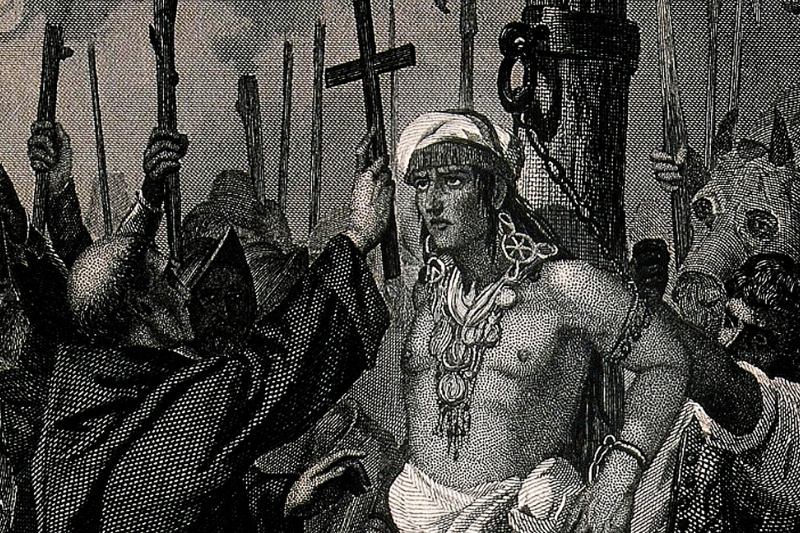
The Spanish conquistadors, who toppled the Inca Empire, never discovered Machu Picchu. Its remote location and strategic defenses kept it hidden for centuries.
The exact construction date of Machu Picchu may remain uncertain. Yet, its existence during the Inca Empire’s peak is a testament to their architectural prowess and societal sophistication.
The Inca Empire and Machu Picchu’s Place in History
The Inca Empire, also known as Tawantinsuyu, was the largest empire in pre-Columbian America. It spanned from the early 13th century until the Spanish conquest in the 16th century.
Machu Picchu holds a significant place in this timeline. Its construction showcases the Inca’s advanced society and technological capabilities.
The site’s strategic location was likely chosen for defense purposes. It sits on a mountain ridge above the Sacred Valley, offering a vantage point over the surrounding territory.
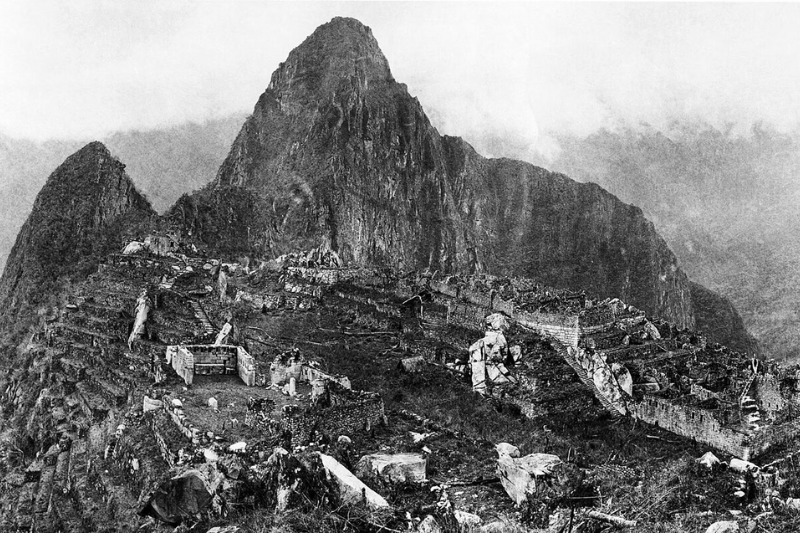
Machu Picchu’s isolation also contributed to its preservation. It remained hidden from the outside world until its rediscovery in 1911 by Hiram Bingham.
This rediscovery brought worldwide attention to Inca culture. Machu Picchu has since become a symbol of Peruvian national pride and an icon of Inca civilization.
Architectural Marvel: Understanding Machu Picchu’s Construction Techniques
Machu Picchu is a testament to the Inca’s engineering prowess. The site is made up of more than 150 buildings, including temples, sanctuaries, parks, and residences.
The Incas used a technique called “ashlar” to fit stones together without mortar. This precision in stonework has ensured the site’s endurance, even in a region prone to earthquakes.
The site’s design also incorporates natural features. Rock outcrops and cliffs are seamlessly integrated into the architecture, reflecting the Inca’s reverence for nature.
Machu Picchu’s advanced drainage systems are another example of Inca engineering. These systems have helped preserve the site by preventing water damage.
The site’s construction techniques have been studied for their seismic resistance, further highlighting the Inca’s mastery of their environment and resources.
The Purpose of Machu Picchu: Theories and Insights
The exact purpose of Machu Picchu remains a mystery. Some theories suggest it was a royal estate or a religious retreat.
The site aligns with astronomical events, indicating its importance to Inca cosmology. This has led some to believe it was a sacred site for rituals and ceremonies.
The presence of residential areas and agricultural terraces also suggest it was a self-sustaining community. It could have been a refuge for the Inca elite during times of conflict.
Despite the uncertainty, the site’s design and location offer insights into the Inca’s adaptation to their environment. The purpose of Machu Picchu, like its construction date, is a key piece of the Inca civilization puzzle.
Rediscovery and Global Significance
Machu Picchu was never found by Spanish conquistadors. It remained hidden until its rediscovery by Hiram Bingham in 1911.
This rediscovery brought worldwide attention to Inca culture. It sparked a wave of archaeological interest in the Inca civilization.
Today, Machu Picchu is a UNESCO World Heritage Site. It’s also one of the New Seven Wonders of the World.
The site has become a symbol of Peruvian national pride. Its global recognition has spurred efforts to protect other Inca sites.
The Inca Civilization Timeline: A Brief Overview
The Inca civilization timeline spans from the early 13th century to the Spanish conquest in the 16th century. This timeline includes major achievements in architecture, agriculture, and astronomy.
Machu Picchu’s construction date is a key point in understanding the Inca’s historical timeline. It was built during the height of the Inca Empire, showcasing the Inca’s sophisticated society and technological capabilities.
The Inca civilization was the largest empire in pre-Columbian America. Its legacy and influence are still evident today, particularly in sites like Machu Picchu.
Early 13th century: Inca civilization begins
Mid-15th century: Construction of Machu Picchu starts
Late 16th century: Spanish conquest leads to the end of the Inca Empire
1911: Rediscovery of Machu Picchu by Hiram Bingham
Keep this in mind when you are wondering when was built Machu Picchu.
Planning Your Visit: Tips for the Modern Traveler
Visiting Machu Picchu requires careful planning. The site’s remote location and the need to protect its integrity mean visitor numbers are limited each day. Booking your ticket in advance is a must.
The Inca Trail, leading to Machu Picchu, is a popular trekking route. However, it’s not the only way to reach the site. Trains and buses also serve the area.
Another great alternative route to this amazing site is the Lares Trek. This path is has less tourists, so is perfect for a peaceful trek.
Remember, sustainable tourism practices are crucial to preserving Machu Picchu. Follow the guidelines set out by the site’s management. These include staying on marked paths and not removing any artifacts.
Finally, take the time to soak in the site’s cultural heritage. Machu Picchu is more than just a tourist attraction. It’s a testament to the Inca’s mastery of their environment and resources.
The Legacy of Machu Picchu
Machu Picchu’s enduring mystery continues to captivate scholars and visitors alike. Its construction date helps historians piece together the timeline of the Inca Empire’s expansion and decline. The site’s discovery has played a crucial role in Peru’s tourism industry.
The site’s significance goes beyond its physical structures. It encompasses the Inca’s legacy and influence. Machu Picchu is a symbol of Peruvian national pride and an icon of Inca civilization and Andean culture.
The ongoing conservation efforts ensure Machu Picchu’s longevity. They reflect our collective responsibility to protect this World Heritage Site for future generations.
What to Expect on Salkantay Trekking
Salkantay Trekking is a journey of discovery. This hike guides you through the center of the Peruvian Andes, providing a distinctive mix of natural splendor and cultural history.
This trek is not just a physical challenge. It’s an opportunity to immerse yourself in the rich history and vibrant culture of the region.
The Salkantay Trek is an alternative to the traditional Inca Trail to Machu Picchu. It’s less crowded, offering a more solitary and serene experience.
The trail winds its way through diverse ecosystems. From high-alpine terrain to lush tropical forests, the landscapes are breathtakingly beautiful.
But the Salkantay Trek is not just about the scenery. It’s also about the people you meet along the way. The local communities that welcome you with open arms and share their traditions and way of life.
The trek is also a testament to the engineering prowess of the Incas. The intricate network of trails and terraces they built is awe-inspiring.
Conquering the Salkantay Trek: A Journey of Challenge, Culture, and Responsible Adventure
But the Salkantay Trek is not for the faint-hearted. The altitude, the distance, and the rugged terrain make it a challenging adventure.
Yet, it’s this very challenge that makes the trek so rewarding. The sense of accomplishment you feel when you reach Machu Picchu is unparalleled.
The Salkantay Trek is also an opportunity to practice responsible tourism. To leave no trace, to respect the local culture, and to contribute to the local economy.
This guide aims to prepare you for this adventure. To give you an idea of what to expect, how to prepare, and how to make the most of your Salkantay Trekking experience.
So, whether you’re a budding travel blogger, a travel agency owner, or a fan of history and culture, this guide is for you. Embark on this journey with us. Discover the magic of the Salkantay Trek and create memories that will last a lifetime.
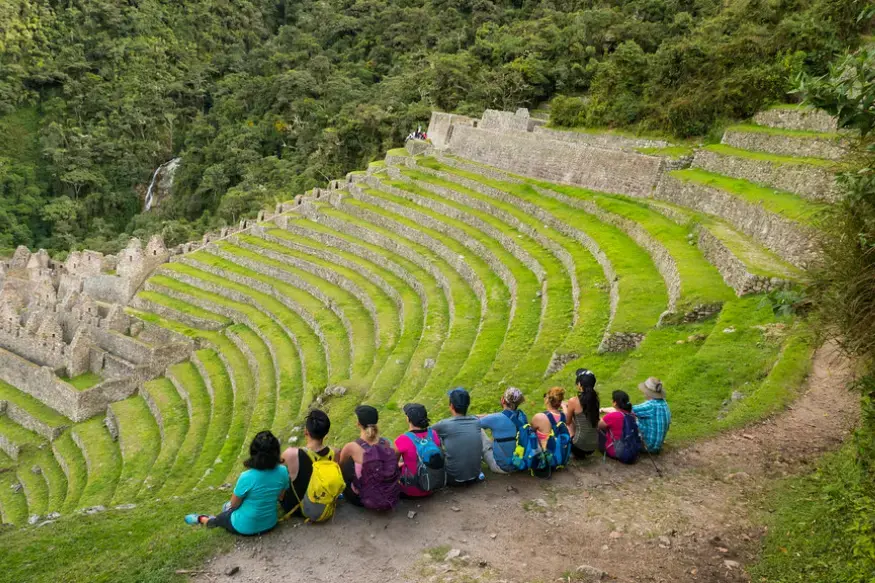
Embracing the Adventure: The Allure of Salkantay Trekking
Embarking on the Salkantay Trek is a journey into the heart of raw adventure. It’s an experience that captivates the imagination and challenges the spirit. This trek is appealing not just because of its destination, the famous Machu Picchu, but also for the experience of the journey.
The Salkantay Trail is renowned for its spectacular landscapes. Towering peaks, glacial rivers, and lush valleys paint a breathtaking backdrop that changes with every turn. It offers an encounter with nature in its most pristine state. Each step on this trail promises a new and magnificent view, making the trek as much about the journey as the destination.
What sets the Salkantay Trek apart is its unfiltered authenticity. Unlike more trafficked routes, this trail offers solitude and the chance to connect deeply with the environment. It’s a place where you can think and soak in the deep silence of the mountains, occasionally interrupted by the calls of uncommon birds or the whisper of the wind.
Moreover, this trek is steeped in cultural richness. Along the way, you have the opportunity to engage with local Quechua communities. Their kindness and strength enhance the journey, as they share stories and customs that have been handed down through the ages.
For those seeking adventure, beauty, and cultural immersion, the Salkantay Trek is unparalleled. It’s an invitation to explore both the world around you and your own inner path, encouraging personal growth in the midst of the Andean landscapes. It’s a trek that promises not just memories, but life-changing experiences.
Prepare for Salkantay Trekking: Altitude, Fitness, and Mindset
Venturing on the Salkantay Trek requires more than just a spirit of adventure. Preparation is key to ensure a successful and enjoyable journey. Altitude, fitness, and mindset play pivotal roles in this endeavor.
The high altitudes of the Andes present a unique challenge. Reaching up to 4,630 meters (15,190 feet) at the Salkantay Pass, the thin air is a test for many trekkers. Acclimatization is crucial to avoid altitude sickness.
Physically, the trek demands endurance and strength. Training is vital to prepare your body for the rigors of multi-day hiking. Cardiovascular exercises, strength training, and plenty of hikes are beneficial.
Equally important is the mental aspect. Embracing the trek’s challenges with a positive mindset can make all the difference. Mental resilience helps you persevere through tough moments.
Before setting out, it’s also wise to research and gather information. Understanding the path ahead reduces anxiety and helps in planning realistic expectations.
To help you prepare thoroughly, here’s a list of focus areas:
Acclimatization to high altitudes
Cardiovascular and strength training
Hydration and nutrition planning
Gathering essential gear and supplies
Mental resilience and positivity
Mentally preparing through visualization and meditation can also aid. These techniques help combat any feelings of overwhelm during the trek. Knowing your limits and pacing yourself also play roles in a fulfilling trek.
Lastly, connect with others who have completed the trek. Their insights can provide valuable tips and added confidence. Embrace the preparation as an integral part of the adventure, setting the stage for an unforgettable experience.
Understanding Salkantay Pass Elevation and Acclimatization
Reaching the Salkantay Pass is one of the trek’s key challenges. The elevation of 4,630 meters requires thoughtful acclimatization. This high point demands respect for the toll it takes on the body.
Altitude sickness is a genuine concern at these heights. Symptoms include headaches, nausea, and dizziness. To prevent this, gradual ascent and hydration are essential strategies.
Spending time in Cusco before the trek aids acclimatization. This ancient city, at 3,400 meters, provides a useful step in adjusting to the high altitudes. Trekking guides recommend allowing at least two days here.
The trek’s pace is crucial in managing ascent. Slow and steady progress allows your body to adapt. Listen to your body and take breaks when necessary.
Understanding the elevation challenges and preparing for them ensures a safer trek. Emphasizing acclimatization allows you to focus on enjoying the breathtaking journey.
Physical Preparation: Training for the Salkantay Trek
Physical fitness is vital for the Salkantay Trek. The trail’s demands require both cardiovascular and muscular endurance. Training is the groundwork for a successful adventure.
Start with building cardiovascular fitness through walking, running, or cycling. Aim for consistency over intensity, gradually increasing your distance and elevation.
Strength training should focus on the core and legs. Exercises like squats, lunges, and planks fortify the muscles used most during trekking. These exercises improve stability on uneven terrain.
Incorporate hiking into your routine to acclimate your body to carrying a pack. Begin with shorter hikes, progressively adding weight and duration. This training mimics trekking conditions and builds endurance.
Rest and recovery are crucial elements of any training program. Ensure you allow time for your body to recuperate. Sufficient sleep and a balanced diet support your preparation.
Remember, the goal is to enjoy the trek, not just endure it. Fitness is both a safety measure and an enhancement, enriching the overall experience of the Salkantay Trail.
The Trek Itinerary: A Day-by-Day Guide to Salkantay
Day 1: The Ascent Begins
The journey kicks off from the village of Mollepata, a quaint Peruvian locale that quickly leads into the wild. The day starts with a gentle ascent, steadily rising through the lush Andean terrain. The trail meanders through verdant valleys, providing a gradual introduction to the trek’s rigors. The goal is to reach Soraypampa, the first campsite, where trekkers can rest under a sky twinkling with stars. At this early stage, the breathtaking scenery sets the tone for the days ahead.
Day 2: Conquering the Salkantay Pass
Day two is a pivotal moment. It’s the most challenging section, taking you to the heart of the Andes. The ascent to the Salkantay Pass, at 4,630 meters, tests stamina and resolve. The landscape transforms, revealing stark, snow-capped peaks towering above. Trekkers often pause to absorb the raw beauty and snap memorable photos. Once over the pass, the descent to Huayracmachay offers a different view, with clouds weaving through the towering peaks. This descent provides a hard-earned rest and chance to reflect on the journey’s first big challenge.
Day 3: Descending into the Cloud Forest
The third day delivers a change in scenery as trekkers descend into the cloud forest. The air becomes denser and more humid, rich with the scent of lush greenery. The terrain softens, weaving through vibrant ecosystems and offering encounters with unique flora and fauna. The path meanders alongside streams and waterfalls, eventually reaching the village of Collpapampa. Here, the warmth of the lower altitude brings a sense of relief and relaxation. This day’s trek introduces trekkers to the subtropical side of the Andes, showcasing the region’s incredible biodiversity.
Day 4: Approaching Machu Picchu
The journey on the fourth day moves closer to its historic climax. The path continues through the forest, eventually leading to the small town of La Playa. From here, a bus or trek takes you towards Lucmabamba, a site where coffee plantations thrive. An intriguing blend of nature and culture unfolds here as you traverse ancient Inca paths towards Llactapata. From this vantage point, glimpses of Machu Picchu tease trekkers, a distant silhouette against the sky. The day ends with a descent to Aguas Calientes, the gateway to Machu Picchu.
Day 5: The Majestic Machu Picchu
The final day rises before dawn, a thrilling anticipation in the air. Trekkers ascend to Machu Picchu, arriving as the mist dissipates and the ancient city is revealed. The first light imbues the stones with a golden glow, a sight as humbling as it is beautiful.
Guided tours unravel the mysteries of this Inca masterpiece, exploring temples, terraces, and the iconic Sun Gate. Standing amid these ancient ruins is a culmination of the trek’s journey, a moment of reflection and triumph. The Salkantay Trek’s adventures conclude with a deep sense of achievement and connection to history.
Salkantay Trekking Packing: Essential Gear and Supplies
Packing thoughtfully for the Salkantay Trek can make your adventure smoother. Preparing adequately ensures comfort and safety. The key is to balance necessities with lightweight gear.
First, consider the clothing. Layering is crucial as temperatures fluctuate dramatically. Begin with moisture-wicking base layers. Add insulating garments and a waterproof jacket.
Sturdy, comfortable hiking boots are a must. They’ll support you through varied terrains. Ensure they are well-broken in before setting out.
A durable backpack will house your essentials. Opt for one with a capacity of 50-60 liters. This size accommodates all items while remaining manageable.
Sleeping gear is also important. A four-season sleeping bag offers protection against the cold Andean nights. A good sleeping mat adds comfort and insulation.
Next, pack first aid supplies. Include band-aids, pain relievers, and any personal medications. A first aid kit is crucial for unforeseen injuries.
Hydration is essential at high altitudes. Bring a reusable water bottle and consider water purification tablets. Staying well-hydrated aids acclimatization.
Snacks provide quick energy boosts. Bring trail mix, granola bars, and dried fruits. These are lightweight and dense in nutrients.
A headlamp is indispensable for evening use. Ensure it has fresh batteries. Lighting ensures safety within campsites and during early starts.
Remember sun protection to guard against the intense mountain sun. Pack sunscreen, a wide-brimmed hat, and sunglasses.
Finally, here’s a compact packing list for easier reference:
Moisture-wicking base layers
Insulating clothes
Waterproof jacket
Sturdy hiking boots
50-60 liter backpack
Four-season sleeping bag
Sleeping mat
First aid kit
Reusable water bottle
Water purification tablets
Snacks (trail mix, granola bars)
Headlamp with extra batteries
Sunscreen, hat, sunglasses
By packing these essentials, you’ll be prepared for the diverse challenges of the Salkantay Trek.
Navigating the Challenges: Weather, Terrain, and Safety
The Salkantay Trek is known for its demanding nature. Understanding the terrain and weather is key to a successful journey. Preparation ensures that these challenges enhance rather than hinder your experience.
Weather conditions can shift rapidly in the Andes. One moment, you’ll face clear skies and mild temperatures. The next, you could encounter rain and chilling winds.
The terrain itself is rugged and varied. You will trek over rocky paths, across scree, and through lush jungle. Each section offers its own set of challenges.
Altitude significantly impacts the trek. The high elevations can cause altitude sickness if improperly acclimatized. Ascend slowly to allow your body to adjust.
Footing on steep slopes requires caution. Use trekking poles for stability and balance. They can alleviate pressure on your knees during descents.
Safety is the top priority on this trek. Always stay with your group and avoid venturing alone. The remote locations can make navigation challenging without guidance.
Emergency protocols should be understood before starting. Guides are trained to handle common trekking issues. Knowing you’re in capable hands adds peace of mind.
Camping safety involves protecting yourself from the elements. Secure tents well against strong winds and precipitation. Ensure that campsites are clear of environmental hazards.
Wildlife encounters may occur along the trail. While exciting, it’s essential to maintain a respectful distance. Observing wildlife from afar ensures their safety and yours.
Remember, being informed and prepared greatly enhances your trekking experience. Respect the power of nature and stay vigilant throughout the journey.
Weather Patterns and Best Times to Trek
Weather on the Salkantay Trek can dictate your experience. Therefore, knowing the patterns is crucial. May to September marks the dry season, ideal for trekking.
During these months, rain is scarce, and trails are more accessible. Daytime temperatures are pleasant. However, nights can be cold, requiring warm gear.
In contrast, October through April is the rainy season. Trails become slippery and challenging. The increased risk of landslides must be noted.
Choosing the right season enhances safety and enjoyment. Planning around these weather conditions allows for a more enjoyable experience. Equip yourself accordingly to handle any change.
Trekking Safety: Tips and Best Practices
Safety tips should guide your Salkantay trekking preparations. Begin with gradual acclimatization to combat altitude sickness. This helps your body adapt to the thin air.
Follow trails and adhere to guide instructions. They’re well-versed in the area’s complexities. Guides ensure safe passage through tricky sections.
Equip yourself with appropriate gear. Proper clothing, footwear, and equipment safeguard against the elements. Awareness and respect for nature form the crux of safe trekking.
Remember to hydrate regularly. The high elevation increases dehydration risk. Consistent water intake supports both safety and comfort during your adventure.
Cultural Immersion: Engaging with Andean Traditions and Communities
Salkantay trekking offers more than stunning landscapes. It’s a gateway to Andean traditions and cultures. Each step brings opportunities to learn and engage deeply.
The local communities along the trail are rich in history. These people keep age-old traditions alive. Interacting with them provides a glimpse into their resilient way of life.
Participate in local activities where possible. Traditional music and dance provide insight into the cultural richness of the Andes. Celebrations often revolve around the natural and spiritual world.
Andean culinary experiences are a delight on the trek. Sample traditional Peruvian dishes prepared by locals. Ingredients are sourced sustainably, reflecting a deep respect for nature.
Respect and awareness are crucial when visiting cultural sites. Travelers should honor local customs and practices. This fosters mutual respect and understanding.
Local artisans offer beautifully handcrafted goods. Purchasing these supports the community directly. It’s a meaningful way to take home a piece of Andean culture.
Learning about traditional agricultural techniques can be eye-opening. Many communities rely on these methods today. You’ll gain appreciation for their sustainable practices.
The people you meet hold deep ties to their land. Their stories of folklore and history enrich the trek. Listen and engage with curiosity.
Travelers often remark on the warm hospitality received. The openness of the local people adds depth to the journey. It’s an invitation to learn and connect on a personal level.
Engaging with Andean traditions can transform your trekking experience. The cultural immersion enhances the adventure. It creates memories that last a lifetime.
The Role of Local Guides in Enriching Your Experience
Local guides are invaluable on the Salkantay Trek. They offer insights beyond typical guidebooks. Each guide shares unique stories and perspectives.
Their extensive knowledge of the terrain is vital. It ensures a safe and enjoyable trek for all. Guides expertly navigate the region’s diverse landscapes and conditions.
Cultural stories from guides add dimension to the journey. They recount the history and significance of the places you visit. These narratives connect past to present in enriching ways.
Guides often introduce trekkers to local customs. Their personal connections open doors to authentic experiences. Trekkers gain access to community insights through these relationships.
A skilled guide enhances your understanding of the trek. Their passion and knowledge bring the region alive. This connection deepens your appreciation for the Andean culture.
Supporting Local Economies and Sustainable Practices
Participating in the Salkantay Trek supports local economies. Hiring local guides and using community services channels funds directly. It provides essential income for these communities.
Purchasing local goods promotes cultural exchange. Handmade crafts and regional foods offer a taste of the Andes. Your purchases aid artisans and small businesses.
Engaging in sustainable practices safeguards these natural treasures. Respect the “leave no trace” principle to minimize your impact. Mindful trekking ensures future generations can enjoy these landscapes.
Supporting sustainability and the local economy creates positive change. It enriches both the traveler and the community. Together, these efforts help preserve the magic of the Salkantay Trail.
The Biodiversity of the Salkantay Trail
Salkantay trekking provides a window into a vibrant world of biodiversity. The trail passes through diverse ecosystems, each teeming with life.
Travelers will experience lush forests, chilly highlands, and tropical flora. Every step brings new discoveries and wondrous sights. These landscapes host myriad species, each playing a crucial ecological role.
Flora in the region includes striking orchids and unique ferns. These plants thrive in the trail’s varied climates and soils. Their presence adds bursts of color to the rugged scenery.
Wildlife enthusiasts will be thrilled with Andean fauna. The elusive Andean condor, with its majestic wingspan, often soars above. Other notable creatures include hummingbirds and spectacled bears.
To fully appreciate this natural diversity, keep an observant eye. Patience reveals the trail’s hidden marvels. Experience the thrill of uncovering nature’s secrets firsthand.
Key Biodiversity Highlights:
Orchids: Numerous species exhibiting stunning varieties.
Birds: Andean condors, hummingbirds, and others.
Mammals: Rare sightings of spectacled bears.
Unique Ecosystems: Ranging from cloud forests to rocky peaks.
Floral Diversity: Rich array of endemic plant life.
Discovering the Salkantay Trail’s biodiversity connects you with nature. This vibrant tapestry of life enriches the trekking experience. It’s an unforgettable journey into the natural heart of Peru.
Responsible Trekking: Minimizing Your Footprint
Responsible trekking is vital for preserving the beauty of the Salkantay Trail. Each trekker plays a role in maintaining this precious environment. Practicing eco-friendly habits ensures that future generations can enjoy these landscapes.
Begin by adhering to the “leave no trace” principles. This means carrying out all waste, including biodegradable materials. Minimize your impact on the landscape and wildlife by staying on designated paths.
Opt for sustainable travel practices during your trek. Use reusable water bottles and filter systems to avoid plastic waste. Choose eco-friendly products, such as biodegradable soaps, to reduce environmental harm.
Respect local customs and the natural environment. Interact with wildlife from a distance, and do not feed animals. Acknowledge the cultural significance of the sites you visit, leaving them undisturbed.
Finally, consider contributing to local conservation efforts. Supporting sustainable tourism initiatives strengthens the local economy. Through responsible trekking, you become a steward of both nature and culture on the Salkantay Trail.
After the Trek: Reflections and Continuing the Journey
Completing the Salkantay Trek is a profound achievement. As you leave the trail, take time to reflect on your journey. The trek offers more than just stunning views; it provides personal insights.
Consider the challenges you faced and overcame. From the steep ascents to the thin mountain air, every step taught resilience. These experiences forge character and instill confidence in your abilities.
Reflect on the connections made during your trek. Whether with fellow travelers or local guides, these relationships enrich the journey. Sharing stories and experiences adds depth to your memories.
Transitioning back to daily life can be surreal after such an adventure. Use the lessons learned on the trail to inspire change at home. Adopt sustainable practices and mindfulness in your everyday routines.
Remember, the end of the trek is not the end of exploration. Let the experience ignite your curiosity to discover more of the world. Allow the spirit of adventure to guide your next journey, wherever it may lead.
Conclusion: The Transformative Power of Salkantay Trekking
Salkantay Trekking is more than an excursion; it’s a transformative journey. It challenges the body and nourishes the soul. The trek immerses you in nature’s grandeur and opens doors to rich cultural experiences.
Traversing diverse ecosystems and historical landmarks expands your perspective. Each step is a reminder of the Inca’s legacy and their harmonious relationship with the land. This awareness deepens your understanding of history and nature.
As you look back on this trek, remember the sense of accomplishment at reaching Machu Picchu. The trek challenges and rewards in equal measure, leaving a lasting impact. Carry these experiences forward, nurturing a newfound appreciation for the world’s wonders and a commitment to respectful exploration.