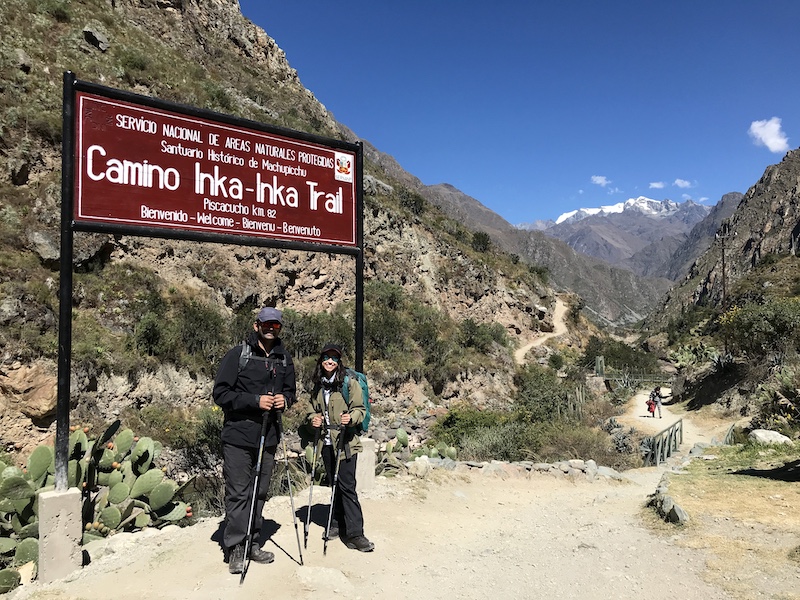
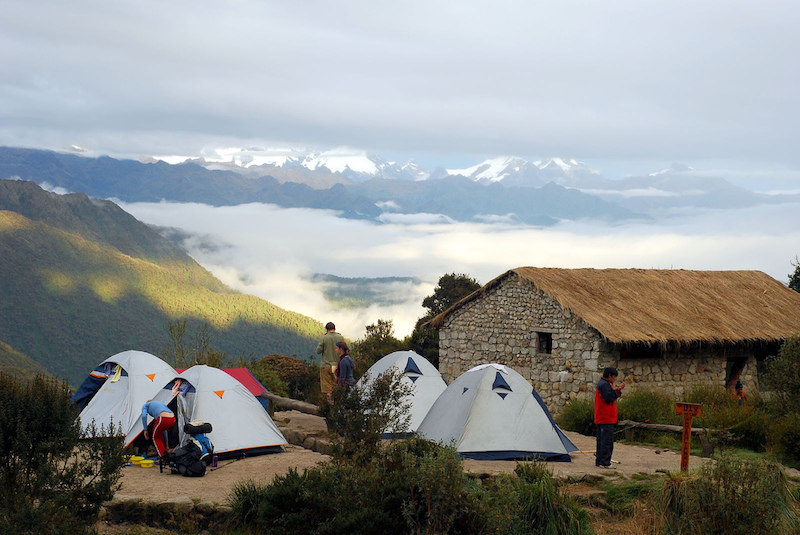
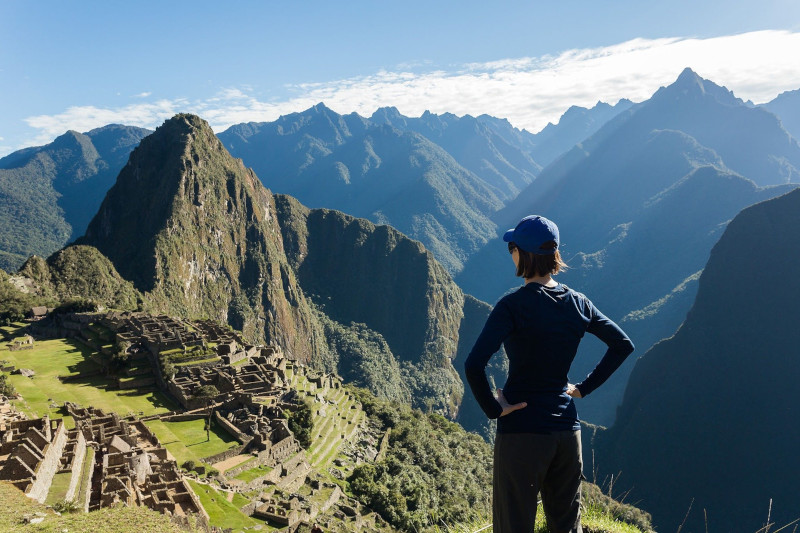
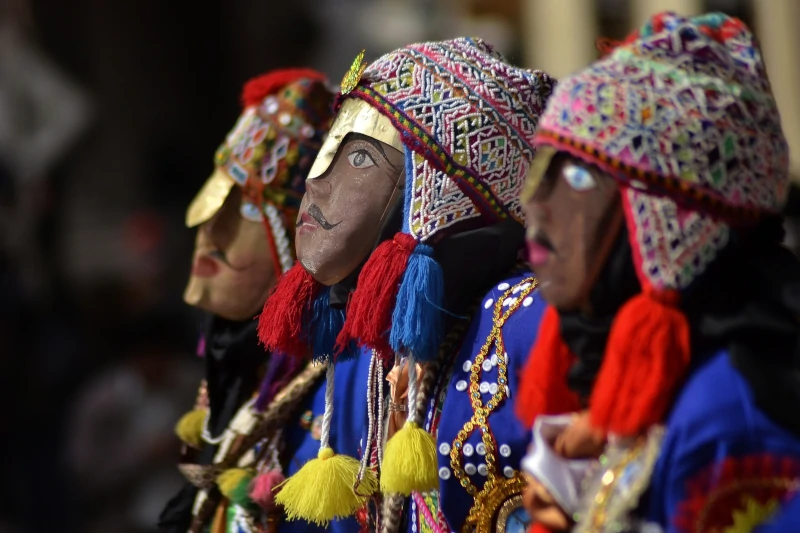
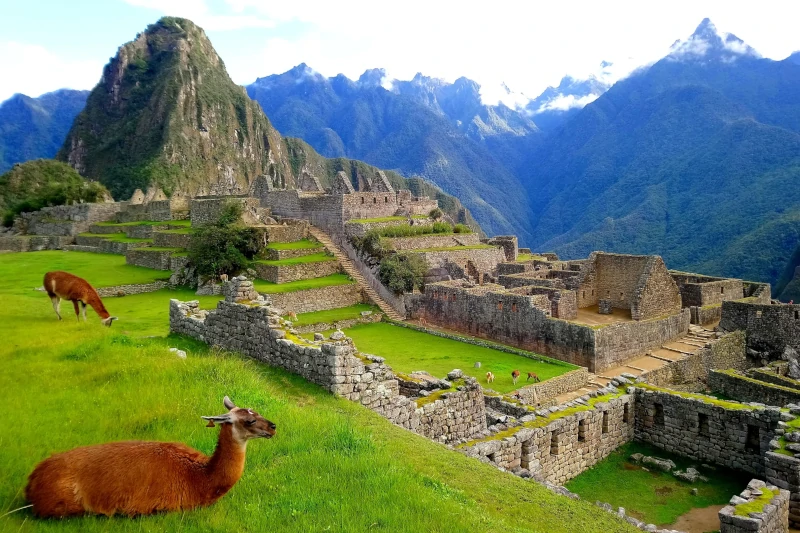
The Inca Trail is one of the most famous hiking paths in the world. Every year, thousands of tourists visit Peru to see the ancient ruins and stunning landscapes. However, in order to manage the impact of tourism on the trail and its surrounding environment, the Peruvian government has put in place regulations for Inca Trail permits. In this article, we’ll explore the Inca Trail permits for 2026 and the new regulations that have been introduced.
Current regulations
Firstly, it’s important to note that the Inca Trail is limited to 500 people per day, including guides and porters. This means that obtaining a permit is essential if you want to hike the trail. The demand for permits is high, so it’s recommended that you book well in advance to avoid disappointment.
One of the current regulations is that all permits are non-transferable and non-refundable. This means that once you have purchased a permit, it cannot be transferred to someone else. Also, it cannot be refunded if you don’t use it. This is to prevent the black market sale of permits, which has been a problem in the past.
Another regulation is that each permit is linked to a specific passport. This means that you will need to provide your passport details when applying for a permit. Also, you will need to bring the same passport with you on the trip. If you do not have the correct passport with you, you will not be allowed to hike the trail.
You must also follow extra rules when hiking the Inca Trail. For example, you must hike with a licensed guide, and you cannot hike the trail independently. You also need to respect the environment and the ruins along the trail. Additionally, you should not leave any rubbish behind.
Additional information about the Inca Trail
The Inca Trail closes every February for maintenance and conservation work. During this time, no permits are issued, and the trail is closed to hikers. The exact dates of the closure may vary from year to year. Therefore, it’s important to check with the authorities before planning your trip.
It’s also worth noting that there are alternative trekking routes to Machu Picchu. Among these routes are the Salkantay Trek and the Lares Trek, which do not require a permit. These routes give you a new view of the Andes Mountains. They also let you enjoy the rich culture and history of the area.
The Inca Trail permits for 2026 are highly sought after and are subject to new regulations. It’s important to plan ahead and book your permit well in advance to avoid disappointment. By following the rules and regulations, you can help to preserve this iconic trail for future generations to enjoy. No matter if you hike the Inca Trail or another path, you will have an amazing time in Peru.
Why is the Inca Trail so famous?
The Inca Trail is famous for its stunning scenery, challenging hiking routes, and historical significance. The trail is part of a large network of Inca roads. These roads stretched for thousands of kilometers in the Andes Mountains. They connected the main cities and settlements of the Inca Empire.
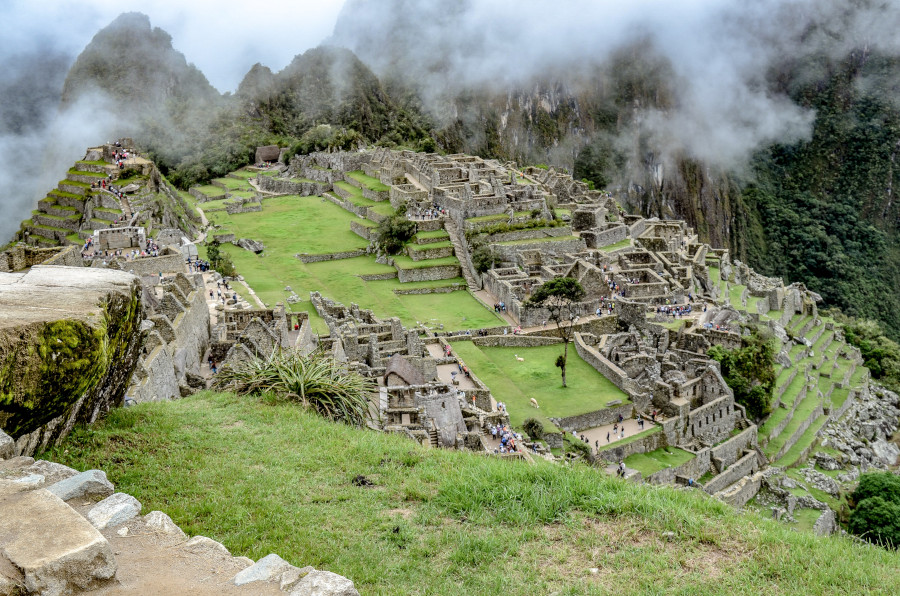
This trekking route is well-known for its endpoint, Machu Picchu. It is one of the most famous archaeological sites in the world. Machu Picchu is a UNESCO World Heritage Site and was voted one of the New Seven Wonders of the World in 2007.
The Inca Trail gives hikers a chance to experience the rich history and culture of the Inca Empire. Hikers can explore old ruins, enjoy stunning views of the Andes Mountains, and meet local communities. The trail also offers a challenging physical experience, with steep inclines and rugged terrain, which adds to its allure.
The Inca Trail is famous for its beautiful views, historical importance, and physical challenge. This makes it one of the most popular trekking routes in the world.
What did Machu Picchu originally look like?
The enigmatic ruins of Machu Picchu are one of the most iconic and mysterious archaeological sites in the world. Since its rediscovery in 1911 by explorer Hiram Bingham, this ancient Inca citadel has captured the imaginations of historians and travelers alike. But beyond the familiar postcard images of this World Heritage site, one question remains largely unanswered: what did Machu Picchu originally look like?
In this article, we will delve into the fascinating history of this breathtaking city, piecing together a vivid picture of its original appearance. Join us on this captivating journey back in time to discover the true essence of Machu Picchu.
Unearthing the secrets: Archaeological discoveries and ancient records
Machu Picchu, the fabled Lost City of the Incas, continues to be an enigma for researchers and history enthusiasts alike. To better understand what Machu Picchu originally looked like, we must rely on a combination of archaeological findings. Additionally, ancient records can provide valuable insights into this fascinating wonder.
The Incas had no written language, so the earliest detailed descriptions of the Inca Empire come from the Spanish conquistadors. However, these accounts are sparse and often biased. Therefore, it is crucial to examine the archaeological evidence to truly appreciate what Machu Picchu originally looked like.
Over the years, excavations have unearthed various artifacts and structures that offer valuable insights into the site’s original appearance. One of the most significant discoveries is the intricate stonework, showcasing the Incas’ exceptional craftsmanship. The seamless fit of the stones, without any mortar, highlights their advanced construction techniques.
Another clue to understanding how Machu Picchu originally looked like comes from the terraced fields found throughout the site. These terraces not only supported agriculture but also played a vital role in preventing erosion and landslides. The intricate water management system, consisting of canals and fountains, also attests to the Incas’ ingenuity in harnessing natural resources.
Recent technological advancements have enabled researchers to use 3D imaging and remote sensing to create more accurate reconstructions of the site. These virtual models help visualize the original layout of the city, including its streets, buildings, and plazas.
In addition to these findings, studying the oral histories and customs of the local Quechua people has provided valuable context for interpreting the archaeological evidence. Their stories and traditions offer a more comprehensive picture of the site’s history and purpose.
The unique features and construction techniques of Machu Picchu
The original appearance of Machu Picchu is a testament to the Inca civilization’s extraordinary architectural prowess. As we explore the unique features and construction techniques that make this ancient city remarkable, we come closer to understanding what Machu Picchu originally looked like. Additionally, we can gain insight into the daily lives of the Inca people who lived there.
One of the most striking features at Machu Picchu is the Temple of the Sun, a semi-circular structure built around a large granite boulder. With its finely crafted stonework, this temple offers a glimpse into the religious and astronomical aspects of Inca culture. The alignment of the temple’s windows during solstices and equinoxes demonstrates their deep understanding of celestial events.
Huayna Picchu, a towering peak that looms over the city, is another distinctive feature of Machu Picchu. Originally home to the high priest, the steep climb to the top offers unparalleled views of the city below. The narrow stairways and precarious terraces on Huayna Picchu reveal the Incas’ ability to adapt their architecture to the challenging terrain. Furthermore, it’s a testament to their engineering and construction skills.
The intricate masonry of Machu Picchu is central to understanding what the site originally looked like. The Incas were known for their expert stone-cutting skills, fitting stones together so tightly that not even a blade of grass could pass between them. This mortarless construction technique, known as ashlar masonry, made the structures earthquake-resistant, a vital attribute in this seismically active region.
Another aspect that helps reveal what Machu Picchu originally looked like is the harmonious integration of the city with its natural surroundings. The Incas displayed great reverence for nature. Thus, they skillfully incorporated the site’s natural features such as rock formations and water sources into their architecture.
Life in the clouds: Exploring the culture and daily activities of Inca society
It’s essential to delve into the culture and daily activities of the Inca society that inhabited this enigmatic city. This will help us understand what Machu Picchu originally looked like. By exploring their way of life, we gain a better appreciation of the historical context that shaped the city’s appearance.
In its prime, Machu Picchu was a bustling city, teeming with life and activity. It’s estimated that between 500 and 1,000 inhabitants lived within its walls. To imagine what Machu Picchu originally looked like, we must envision the city filled with people going about their daily tasks.
Agriculture was the backbone of the Inca economy, and terraced farming was a common sight in Machu Picchu. Crops such as corn, potatoes, and quinoa were grown on these terraces, providing sustenance for the population. Farmers employed sophisticated irrigation techniques, using gravity-fed canals to distribute water from mountain springs to the fields below.
Religion played a significant role in Inca society, and Machu Picchu was no exception. Various temples, including the Temple of the Sun and the Temple of the Three Windows, were integral to the city’s religious life. Ceremonies, rituals, and offerings to the gods were regular occurrences that shaped what Machu Picchu originally looked like.
In addition to farming and religious activities, the inhabitants of Machu Picchu engaged in a variety of crafts and trades. Weavers produced colorful textiles, while metalworkers crafted intricate jewelry and tools. These skilled artisans contributed to the overall atmosphere of the city. Thus, we can paint a vivid picture of what this magnificent city in the clouds once looked like.
Train to Machu Picchu: Everything You Need to Know
Immerse yourself in the allure of the ancient world by embarking on a fascinating journey: the train to Machu Picchu. This adventure combines stunning natural beauty, historical wonders, and a dash of mystery that has captivated travelers for generations. Whether you’re a seasoned globetrotter or a first-time adventurer, the train to Machu Picchu is an experience that shouldn’t be missed. As you delve into this guide, we will provide everything you need to know to ensure your journey is both memorable and effortless.
This article unravels the essentials of planning this trip, covering aspects ranging from booking procedures and the best time to visit, to what to expect on board the train and the enchanting sights that await upon arrival. Prepare to navigate through the majestic Peruvian Andes and into the heart of the Incan empire, all the while gaining an understanding of why this UNESCO World Heritage Site continues to captivate the minds and hearts of those who venture here. Join us on this virtual exploration of the unforgettable train journey to Machu Picchu.
Planning your journey: Tickets, timings, and travel tips
Embarking on the train to Machu Picchu requires thoughtful preparation. It’s not just about the journey, but ensuring a seamless experience. Begin by securing your train tickets well in advance. This is crucial due to high demand.
There are various ticket options available. They cater to different budgets and comfort preferences. Decide which fits your needs best. Then book via the official PeruRail or IncaRail websites. These are the two main operators for the train to Machu Picchu.
Now, let’s talk about timings. The dry season, from April to October, is the best time to visit. But remember, it’s also the busiest. If you prefer a less crowded experience, consider the wet season. But be prepared for possible delays due to weather.
For sustainable tourism, consider visiting during shoulder months. These are April, May, September, and October. You’ll still enjoy good weather, and help reduce peak-time pressures.
When packing, travel light. You’ll find storage space on the train to Machu Picchu is limited. Carry essential items only. These include water, snacks, a camera, and appropriate clothing.
Finally, arrive early at the station. Trains operate on a strict schedule. Missing the train can lead to complications. After all, this journey is a key part of the Machu Picchu experience.
Planning your journey on the train to Machu Picchu is as important as the trip itself. With these tips in mind, you’re set for an unforgettable adventure.
The train ride experience: Scenic views and comforts aboard
The train to Machu Picchu offers more than a way to reach your destination. It promises an immersive, memorable journey. As you depart from Cusco, anticipation fills the air. You’re on the brink of an unforgettable ride.
Your journey begins with a picturesque view of the Sacred Valley. The train’s panoramic windows offer a grand showcase of nature’s majesty. Fields of maize, quaint villages, and towering mountains unfold before your eyes.
Now, let’s talk about comfort. Both PeruRail and IncaRail ensure you travel in style on the train to Machu Picchu. Plush seating, ample legroom, and exceptional service set the stage for a relaxed journey.
Many trains also offer catering. Savor local Peruvian delicacies or a selection of international cuisine. Enjoying a meal as you glide through the Andes is an experience to cherish.
The train to Machu Picchu also often features live cultural performances. These add an extra layer of enjoyment to the journey. It’s a unique chance to appreciate Peruvian heritage.
As the train ascends, the scenery changes. Verdant landscapes give way to rocky terrains and cloud forests. The transition is seamless, yet striking.
On the train to Machu Picchu, every moment is filled with splendor. By the time you spot the first ruins, you’re already entranced by the experience. It’s not just a ride; it’s a journey into the heart of Peru.
From the comfort of your seat to the stunning vistas, this train ride is a pleasure in itself. This is an essential part of the Machu Picchu experience, bringing you closer to Peru’s rich culture and natural beauty.
Arriving at Machu Picchu: Navigating the citadel and maximizing your visit
Upon stepping off the train to Machu Picchu, a new adventure awaits. Your first glimpse of the citadel is awe-inspiring. Nestled amidst the clouds, it truly feels like a lost city.
Getting to the actual site requires a short bus ride. The buses operate frequently, so you won’t have to wait long. Once there, take a moment to soak in the scenery. The view is breathtaking.
A guided tour can enhance your visit. Guides provide insights into the Inca culture and the citadel’s architectural brilliance. They also help you navigate through the labyrinth-like city.
When exploring, it’s essential to be respectful. Machu Picchu is a UNESCO World Heritage site. Following the paths, not climbing on the walls, and carrying out any trash helps preserve it for future generations.
After your visit, the train to Machu Picchu waits to whisk you back to Cusco. But this isn’t the only way to experience the Inca city. Consider the iconic Inca Trail to Machu Picchu, a four-day hiking experience.
Or, for something a bit different, embark on the Lares Trek to Machu Picchu. This four-day journey takes you through remote mountain scenery and traditional Quechua communities. Both routes offer a unique perspective of this historical landscape.
The train to Machu Picchu is an incredible experience. However, other journeys such as the Inca Trail and Lares Trek offer different, yet equally memorable adventures. Whichever path you choose, Machu Picchu awaits, ready to enchant and inspire.
Q’eswachaka Bridge: The Last Inca Suspension Bridge
Deep in the Peruvian Andes stands an engineering marvel. The Q’eswachaka Bridge is a testament to ancient Inca craftsmanship. Built entirely of grass, it defies modern comprehension.
Each year, this bridge gets a renewal through a communal effort. Its significance transcends its physical structure. It binds communities, traditions, and centuries of history.
In a world of steel and concrete, Q’eswachaka remains unique. This article delves into the story of the last Inca suspension bridge. Join us on this journey through time.
An ingenious marvel: The construction of Q’eswachaka Bridge
The Q’eswachaka Bridge stands as an emblem of Inca engineering prowess. Nestled in the Andes, its beauty and strength captivate and enchant. It’s an impressive span of woven grass, stretching over roaring rivers.
This bridge isn’t just any bridge. It’s an authentic relic from the Inca Empire. Its construction methods have remained unchanged for centuries.
Local communities gather annually for its renewal. Using traditional Inca techniques, they hand-weave the grass ropes. They then assemble these ropes into a robust, durable structure.
The Q’eswachaka Bridge’s uniqueness lies in its materials. Most bridges rely on stone, steel, or wood. However, this Inca Bridge employs grass, transforming it into a formidable structure.
But it’s more than mere grass at play. The techniques used reveal deep knowledge of materials and physics. The Incas, though lacking modern tools, achieved engineering marvels with what they had.
Community participation is pivotal to its construction. Elders pass down knowledge to the younger generation. This ensures the bridge’s longevity and the tradition’s continuity.
Yet, the Q’eswachaka Bridge is not just for crossing. It serves as a cultural symbol, connecting past and present. Every strand woven reflects stories, traditions, and a rich history.
To witness the construction of the Q’eswachaka Bridge is a life changer. It’s a live testament to the prowess of ancient civilizations. Their wisdom and skill continue to inspire today.
Q’eswachaka Bridge’s cultural significance: A living heritage
The Q’eswachaka Bridge is not just an engineering masterpiece. It serves as a vibrant emblem of Peruvian culture. Its existence today speaks of resilience and heritage.
Built annually, it represents communal unity and cooperation. Villagers from both sides of the river come together. They work in unison, ensuring the bridge’s survival for another year.
The weaving techniques used echo ancient Inca Textile methods. These practices have survived centuries, defying the tides of time. They have remained undiluted, authentic, and truly Inca.
Despite the Spanish conquest of the Inca Empire, this bridge endured. It stands defiant, resisting cultural erosion and forgetfulness. The Q’eswachaka Bridge symbolizes a legacy undeterred by colonial influence.
Festivals and rituals accompany its annual reconstruction. Songs, dances, and prayers imbue the process with spirituality. This isn’t just construction; it’s a cultural celebration.
For the locals, the Q’eswachaka Bridge is more than a crossing point. It is a connection to their ancestors, traditions, and memories. Each reweaving is an act of remembrance and respect.
Visitors, too, recognize its profound significance. Many travel from afar to witness its yearly renewal. They come to experience living history, tangible and enduring.
The Q’eswachaka Bridge, therefore, is not just grass and rope. It’s a testament to the power of collective memory. It’s a bridge between the past and the present.
In a rapidly modernizing world, such symbols become vital. They remind us of our roots, stories, and shared histories. The Q’eswachaka Bridge stands as an unbroken link to an ancient civilization.
Preservation efforts: Safeguarding the legacy of Q’eswachaka
The legacy of Q’eswachaka extends beyond its grassy strands. It’s a symbol of tradition, skill, and community. However, preserving such a marvel poses challenges.
External factors threaten the bridge’s existence. Climate change and urban development stand prominent among them. Both exert pressures on the fragile ecosystem around it.
Local communities, understanding its value, rally for preservation. They conduct educational programs, teaching the young about its significance. They hope to instill a passion for safeguarding this heritage.
Global organizations, too, have taken note. UNESCO recognizes Q’eswachaka as an Intangible Cultural Heritage. This status highlights its importance and encourages conservation efforts.
Tourism, if managed sustainably, can be a boon. It can bring awareness, funds, and support for preservation. Properly guided tours ensure minimal environmental and cultural impact.
Financial aids from governmental bodies also play a role. These funds facilitate the annual reconstruction and maintenance. They also support community initiatives promoting sustainable tourism.
The rope bridge, while being a marvel, is part of a larger tapestry. To truly understand it, one should explore deeper.
For those inspired by Q’eswachaka’s tale, there’s more to discover. The Lares Trek to Machu Picchu beckons. It offers a journey through ancient landscapes and stories.
Other Trails and Ruins in Cusco: Beyond Machu Picchu
Discover the hidden gems of Cusco, a city beyond Machu Picchu. The landscape is dotted with other trails and ruins in Cusco. Each offers a unique glimpse into Inca history.
These sites promise adventures minus the crowds. They’re perfect for travelers seeking solitude and authenticity. You’ll experience the raw beauty of the Andes.
This guide reveals the best-kept secrets of Cusco. We explore ancient ruins, untouched by mass tourism. Prepare for an unforgettable journey beyond the ordinary.
From the Sacred Valley’s heart to remote mountain terrains, our journey spans wide. We’ll uncover the stories behind these mystical places. Your adventure in Cusco is just beginning.
Unveiling Cusco’s Hidden Treasures: Trails Less Traveled
Cusco, the heart of the Inca Empire, invites explorers to its unseen corners. Beyond the iconic Machu Picchu, numerous other trails and ruins in Cusco await discovery. These paths lead to the remnants of ancient civilizations, offering a deeper understanding of Inca history.
Hidden Gems of an Empire
The region boasts trails that meander through breathtaking landscapes. They connect secluded archaeological sites, untouched by the modern world. Each step on these trails brings you closer to understanding the Inca Empire’s might.
One such path leads to Choquequirao, known as Machu Picchu’s sister city. Far less trafficked, it offers tranquility amidst ruins that rival those of its famous sibling. This trek challenges adventurers but rewards them with unparalleled views and solitude.
Another treasure, the Moray terraces, showcase the Incas’ agricultural ingenuity. Nestled in the Sacred Valley, these circular terraces resemble an amphitheater. Scholars believe they served as an agricultural experiment for the ancient Inca.
The Legacy of Ancient Builders
The Inca Trail itself, while popular, harbors lesser-known detours. These lead to small, yet significant, Inca sites scattered along the route. Travelers often overlook these sites, yet they provide a unique peek into Inca daily life.
Llactapata, for example, offers a direct view of Machu Picchu from a different angle. It served as an important checkpoint for entering the Machu Picchu complex. A guided tour here illuminates the strategic significance of Inca ruins in Cusco.
A Walk Through Time
In the heart of Cusco, the Sacsayhuaman fortress stands as a testament to Inca engineering. Its massive stones, fitted perfectly without mortar, have puzzled historians for centuries. This site, just above the Plaza de Armas, is easily accessible yet full of mysteries.
Venturing further, one encounters the Q’enqo archaeological site. This complex was a ceremonial center used for rituals. It features passages and a sacrificial altar, hinting at the spiritual depth of the Inca culture.
Bridging Worlds: Pre-Inca Civilizations
The exploration of other trails and ruins in Cusco is not limited to Inca achievements. The region was home to vibrant pre-Inca civilizations, each leaving their mark on the landscape. Sites like the Wari ruins near Pikillacta provide insight into these ancient societies’ complexities.
These pre-Inca sites reveal different architectural styles and cultural practices. They serve as a reminder of the diverse cultures that preceded the Inca Empire. Their contribution to the Andean civilization’s development is undeniable and fascinating.
Journeying Beyond the Ordinary
A visit to these other trails and ruins in Cusco is not just a physical journey. It is a voyage back in time, offering insights into the lives of those who built these wonders. Each site tells a story of resilience, innovation, and spirituality.
For those willing to explore beyond the well-trodden paths, Cusco offers endless discoveries. The city and its surroundings are a living museum, where the past and present coexist. Here, adventurers can connect with the essence of the ancient Inca and pre-Inca civilizations.
Embracing the Adventure
Embarking on this exploration requires preparation. Travelers should acclimatize to the altitude and respect the natural and cultural heritage they encounter. Hiring a local guide enriches the experience, providing context and stories that bring the ruins to life.
Whether it’s a challenging hike to Choquequirao or a reflective stroll through Sacsayhuamán, each experience contributes to a deeper appreciation of this historic region. The other trails and ruins in Cusco offer a unique adventure to those who seek it.
A Call to Explore
Cusco is a treasure trove of history, waiting to be explored. Beyond the famed Machu Picchu lie countless other trails and ruins in Cusco, each with its own story. These sites offer a quieter, more intimate experience of the Inca Empire and its predecessors.
For the adventurous soul, Cusco presents an opportunity to step off the beaten path. It invites travelers to discover its lesser-known ruins and trails. Here, in the heart of the Andes, the spirit of the ancient Inca and pre-Inca civilizations lives on.
Embark on a journey to these hidden gems. Embrace the adventure that awaits beyond the ordinary. Cusco’s other trails and ruins promise an unforgettable exploration of a world lost in time but preserved in stone and memory.
Exploring the Forgotten Ruins: A Journey Beyond the Ordinary
Cusco, Peru, serves as a gateway to the past, a region rich in history and mystery. Here, adventurers can explore other trails and ruins in Cusco, stepping beyond the shadows of the famous Inca ruins. Each path offers a unique narrative of the ancient world, set against the stunning backdrop of South America.
Venturing into the Unknown
The Cusco region is a tapestry of ancient marvels, woven with the legacy of the Inca Empire. Yet, beyond the well-trodden paths lie ruins that tell untold stories. These forgotten sites offer an incredible view into the past, surrounded by natural beauty.
Take, for example, the ruins of Huchuy Qosqo. Perched above the Sacred Valley, this lesser-known gem can be reached by a day hike. The journey rewards travelers with panoramic views and a closer look at Inca architecture.
A Closer Look at Inca Mastery
The stone walls of these ruins stand as a testament to Inca engineering. Intricately designed, they have withstood the test of time. They enclose spaces once alive with activity, now silent and waiting to be rediscovered.
Agricultural terracing is a common sight in the Cusco region. The Incas used this technique to cultivate food on steep slopes. These terraces not only highlight their agricultural innovation but also offer incredible views of the Andes.
Bridging the Ancient and the Modern
While exploring other trails and ruins in Cusco, one can’t help but admire the Inca’s connection to their land. Their understanding of nature and architecture created a harmonious blend, still evident today. This journey into forgotten ruins allows travelers to see the world through the eyes of the Inca.
The Echoes of Ancient Pathways
The Qhapaq Ñan, or the Great Inca Road, stretches across the continent. Sections of this ancient highway lead to hidden ruins around Cusco. Following these routes is like walking through history, tracing the steps of Inca messengers.
One such destination is the site of Vitcos-Rosaspata. Less visited, it was once a royal estate. Here, the remains of palaces and temples invite exploration, offering a quiet moment to ponder the Inca’s legacy.
Uncovering Pre-Inca Foundations
The history of the Cusco region extends beyond the Inca. Pre-Inca civilizations also left their mark, with ruins that predate the famous empire. These sites provide a broader perspective on the Andean peoples’ long and complex history.
For instance, the site of Killarumiyoc, though primarily Inca, reveals astronomical understanding predating Inca rule. Its carved rock, believed to be a lunar calendar, speaks to the advanced knowledge of earlier cultures.
A Call to Adventure
Exploring other trails and ruins in Cusco is more than a physical journey. It’s an opportunity to connect with the past on a personal level. Each step taken on these ancient paths offers insights into the lives of those who walked them before.
Travelers should prepare for the journey with respect and curiosity. The Cusco region’s high altitude and rugged terrain require physical readiness. But the rewards of such explorations are immeasurable, offering views and experiences far from the ordinary.
Embracing the Mysteries of the Past
This exploration is not just about seeing ruins. It’s about uncovering the stories they hold. With every visit to these lesser-known sites, the narrative of human achievement grows richer. The stone walls, agricultural terraces, and panoramic vistas tell of a people in tune with their environment.
The other trails and ruins in Cusco offer a unique adventure into the heart of South America. They allow us to witness the incredible engineering and cultural depth of the Inca and their predecessors. These journeys remind us of the enduring legacy of ancient civilizations.
For those yearning to explore beyond the ordinary, the Cusco region awaits. It promises a journey filled with discovery, challenge, and awe. The forgotten ruins stand as silent guardians of history, inviting us to learn, reflect, and be inspired.
In embarking on this journey, we not only explore the physical landscapes of Cusco, Peru. We also traverse the vast terrains of history, culture, and human ingenuity. The other trails and ruins in Cusco are not just destinations; they are portals to understanding the richness of our shared past.
Mastering Basic Quechua Phrases for Your Andean Adventure
Embarking on an Andean adventure? Learning basic Quechua phrases enriches the journey. Dive into our guide on mastering basic phrases.
Quechua bridges cultural gaps. It connects travelers with locals. Experience the Andes authentically, one phrase at a time.
This blog post is your toolkit. We cover greetings, essential expressions, and cultural insights. Get ready to speak heart-to-heart.
With concise, easy-to-learn phrases, communication becomes a breeze. Enhance your travel experience. Let’s start this linguistic adventure together.
What’s your name?: “Imataq sutiki?” (ee-mah-tahk soo-tee-kee)
My name is…: “Sutiymi…” (soo-tee-y-mee …)
I don’t understand: “Mana entiendekichu” (mah-nah en-tee-en-dee-kich-oo)
How much is this?: “Hayk’aq kashan?” (hai-k’ah ka-shan)
Where is the bathroom? – “Mayqenpitaq servicios hawa?” (mai-ken-pee-tak ser-vee-see-os ha-wa)
How much does it cost? – “Hayk’aq kostan?” (hai-k’ak kos-tan)
I would like water, please. – “Ama hina kaspa, yaku munani.” (ah-ma hee-na kas-pa, ya-koo moo-na-nee)
Good morning. – “Allin punchaw” (a-yin poon-chow)
Good night. – “Allin tuta” (a-yin too-ta)
Unlocking the Heart of the Andes: A Beginner’s Guide to Quechua Phrases
Embarking on a South American adventure takes you closer to the majestic Andes. Here, the Quechua language whispers the ancient tales of the Inca Empire. Quechua, an official language in several countries, connects you deeply with the indigenous heritage.
Quechua speakers carry the legacy of centuries in their words. Across South America, from the historic Plaza de Armas of Cusco in Peru to remote villages in Ecuador. The language thrives. basic Quechua phrases become bridges to heartfelt encounters.
Learning this indigenous language opens doors to genuine experiences. Even simple Quechua words can transform your journey. You engage with locals, not just as a tourist, but as a friend.
Discovering the Language of the Incas
Quechua was the language of the Inca Empire, echoing through the Andes. Today, it remains vibrant, from Chile to Colombia. The dialects of Quechua vary, yet the essence unites.
When you speak, even basic Quechua phrases, you honor this ancient tongue. It’s more than communication; it’s an act of respect. Quechua speaking locals appreciate the effort, rewarding you with warmth.
In markets, on treks, around sacred sites, your phrases connect cultures. The language of the Inca Empire still binds the Andean community. It’s a living history that you become part of.
Language as a Key to Culture
The dialects of Quechua weave through South America, each unique. Learning these dialects might seem daunting, but fear not. Focus on basic Quechua phrases to start.
In the heart of the Andes, each word you speak in Quechua draws smiles. It’s a gesture of goodwill, transcending language barriers. Basic Quechua phrases are your entry into the soul of the Andes.
Quechua speakers are everywhere, from bustling cities to quiet mountain passes. They carry stories waiting to be shared. Listen closely, and you’ll hear the echoes of the past.
Your journey through South America is enriched by every Quechua word you learn. The official language in places, Quechua, offers more than directions. It offers connections to people’s heritage and lives.
Basic Quechua phrases are your compass in the Andes. They guide you through the cultural landscape, revealing layers of history. Speak with locals, and the heart of the Andes beats clearer.
Mastering basic Quechua phrases does more than ease communication. It weaves you into the fabric of South American culture. As you journey through the Andes, let Quechua be your guide to unlocking profound, enriching experiences.
Purpose of Machu Picchu: What Was It Really Built For?
Machu Picchu, an ancient Inca city, is shrouded in mystery. The purpose of Machu Picchu has intrigued historians and travelers alike. Let’s explore what it was really built for.
Theories about Machu Picchu’s purpose vary widely. Some believe it was a royal estate. Others think it served as a religious site.
Archaeologists have found clues suggesting multiple uses. The city’s layout hints at both ceremonial and residential functions. Its strategic location also implies military significance.
Understanding Machu Picchu’s true purpose requires examining its architecture. The intricate stonework showcases advanced Inca engineering. This sophistication points to a site of great importance when you take our Machu Picchu full day.
Royal Retreat or Community Status: A High Altitude Inca Site
The purpose of Machu Picchu has long fascinated historians and archaeologists. Among various theories, one suggests that this high-altitude site served as a royal retreat. The grandeur of the Inca city of Machu Picchu implies a connection to the elite of the Inca civilization.
The explorer Hiram Bingham (from Yale University) described Machu Picchu as a luxurious getaway for Inca rulers. The terraces and structures highlight its significance. The site’s elevated position offered both seclusion and breathtaking views, fitting for a royal residence.
However, the purpose of Machu Picchu might also reflect its community status. Some scholars argue that the site functioned as a ceremonial center. Its numerous temples and ritualistic features support this interpretation.
The Role of Rituals and Ceremonies
The Temple of the Sun, with its precise architectural alignment, reveals its ceremonial importance. The Intihuatana stone, a ritualistic structure, suggests the site held spiritual significance. Such elements hint that Machu Picchu may for religious ceremonies, beyond being merely a royal residence.
The Inca Empire’s sophisticated society would have utilized such a site for both spiritual and administrative purposes. The integration of astronomical observations into the city’s design supports its various role. Thus, Machu Picchu’s purpose likely combined elements of royal luxury and ceremonial importance.
The strategic location of Machu Picchu also suggests it was not solely a retreat. Its elevated position offers natural defense advantages, which could imply military significance. The city’s architecture demonstrates both defensive and ceremonial functions, adding layers to its purpose.
The Legacy of Machu Picchu
The purpose of Machu Picchu remains a subject of ongoing research and debate. Whether as a royal retreat, a ceremonial center, or both, the site’s complexity stands out. This high-altitude Inca city continues to captivate and inspire scholars and visitors alike.
As a World Heritage site, Machu Picchu’s significance extends far beyond its original use. It represents the advanced engineering and cultural richness of the Inca civilization. Understanding the purpose of Machu Picchu provides insight into the achievements of the Inca Empire and their lasting legacy.
Spiritual Sanctuary: Religious Significance and Ceremonial Uses
The purpose of Machu Picchu extends beyond its role as a royal retreat. This high-altitude site holds deep religious significance for the Inca civilization. Its layout and structures suggest it was a spiritual sanctuary for ceremonial activities.
The city of the Incas features several elements indicating its religious role. The Temple of the Sun stands out with its precise alignment to solar events. This alignment suggests that Machu Picchu was a site that honors celestial deities.
The Intihuatana stone, also known as the “hitching post of the sun,” serves as another crucial religious feature. This ritualistic stone likely played a central role in ceremonies related to solar worship. The stone’s purpose within Machu Picchu underscores its spiritual significance.
Celestial Alignment and Rituals
Machu Picchu’s design incorporates astronomical alignments that reflect its ceremonial uses. The integration of the Urubamba River into the site’s layout might have symbolic importance. The river’s flow could symbolize the connection between the earth and the heavens inInca cosmology.
The Inca Trail, which leads to Machu Picchu, is also part of its spiritual significance. Pilgrims journeyed along this sacred path to reach the site for important rituals. The purpose of Machu Picchu as a spiritual center is evident in its design and location.
Archaeological evidence reveals that the site was for complex ceremonies. These ceremonies likely involved offerings to the gods and rituals to ensure cosmic balance. Machu Picchu’s purpose as a ceremonial hub reflects the Inca focus on maintaining harmony with nature.
The Legacy of Inca Spiritual Practices
The spiritual importance of Machu Picchu highlights its role in the broader context of Inca religious practices. The site embodies the sophisticated understanding of astronomy and religion held by the Incas. Its significance extends beyond its physical presence, influencing modern perceptions of Inca spirituality.
Understanding the purpose of Machu Picchu as a spiritual sanctuary enriches our appreciation of this lost city. It offers a glimpse into the Inca’s reverence for natural and celestial forces. Machu Picchu remains a powerful symbol of ancient spirituality and ceremonial grandeur.
Strategic Stronghold: Machu Picchu’s Military Importance
The purpose of Machu Picchu might also include its role as a strategic stronghold. The city’s location on a rugged mountain peak provided natural defenses. This high-altitude site offered a commanding view over the surrounding terrain, making it ideal for military purposes.
Machu Picchu’s strategic value is evident in its architecture. The Inca ruins include fortified walls and defensive structures. These elements suggest that Machu Picchu was built not only as a royal retreat but also as a stronghold against potential invasions.
The 16th-century Inca Empire faced threats from various external forces. The city’s elevated position allowed it to monitor and control the surrounding area. Machu Picchu’s design reflects its dual purpose as a military and ceremonial site.
Military Architecture and Strategic Design
The layout of Machu Picchu supports its role as a military fortress. The city’s terraces and walls were constructed with defensive strategies in mind. The ability to defend against attacks while maintaining visibility of the approaches highlights Machu Picchu’s strategic importance.
The Incas built Machu Picchu with an intricate system of access points. This design allowed for controlled entry and exit, essential for maintaining security. The defensive features of the city demonstrate its role in safeguarding the Inca Empire’s interests.
Furthermore, Machu Picchu’s location along the Inca Trail enhanced its strategic significance. The trail served as a major route for trade and military movements. Controlling this important route gave the Incas a tactical advantage in their empire.
Legacy and Modern Implications
Today, Machu Picchu’s strategic importance continues to captivate historians and military experts. Its design provides insights into Inca military strategy and urban planning. Understanding the purpose of Machu Picchu as a military stronghold adds depth to its historical significance.
The purpose of Machu Picchu as a defensive site complements its roles as a ceremonial center and royal retreat. Its strategic features offer a glimpse into the complexities of Inca society. The city’s use underscores the advanced planning and engineering of the Inca civilization.
Exploring Machu Picchu as both a spiritual and strategic site enriches the experience of any Machu Picchu day trip. Visitors gain a comprehensive understanding of this iconic Inca site and its diverse roles in ancient history.
My name is Marko Andinauta, (I’m Machu Picchu & Inca Trail Guide), I have hiked more than 500 times the famous INCA TRAIL in more than ten years (2007 – 2019); and I have survived the highest point of the Inka Trail “dead woman’s pass at 4215 M – 13780 Ft”; also more than 500 times. Unfortunately, my knee cartilages could not support more to keep hiking The Legendary Inca trail to Machu Picchu. Therefore; I created Happy Gringo Tours Channel to keep working in the same industry; giving information on YOUTUBE about the Inca Trail hike and inviting you to travel to Machu Picchu with us. I got enough knowledge to give you concrete information for unforgettable tours in Peru. We are Official Inca Trail, Machu Picchu tours, and alternative treks Operator.
Tips for Using the Cusco Tourist Ticket
Cusco, the ancient heart of the Inca Empire, is a city that captivates travelers with its rich history and vibrant culture.
To fully immerse yourself in this Andean gem, the Cusco Tourist Ticket is your passport to discovery.
This ticket grants access to a wealth of attractions in Cusco city, the Sacred Valley, and the South Valley. It’s a cost-effective way to explore the region’s archaeological sites, museums, and cultural centers.
However, navigating the ticket options and planning your itinerary can be a bit daunting.
That’s where this guide comes in. We’ll provide practical tips on how to purchase and use the Cusco Tourist Ticket effectively.
Whether you’re a history buff, a culture enthusiast, or a casual traveler, this guide will help you make the most of your Cusco adventure.
Understanding the Cusco Tourist Ticket
The Cusco Tourist Ticket, or Boleto Turístico del Cusco, is a must for travelers. It helps you explore this historic city and its culture.
This ticket gives you access to many popular sites in and around Cusco. It includes key places in the city and stunning locations in the Sacred Valley and South Valley. You can see ancient Incan ruins, lively local markets, and beautiful landscapes with this ticket.
The ticket is flexible and convenient. It lets you plan your itinerary and explore at your own speed. You can choose the attractions that excite you the most. This is great for those wanting to enjoy Cusco’s rich cultural experiences.
There are different types of tickets available. This way, you can pick one that fits your budget and travel plans. Each visitor can enjoy the wonders of Cusco and its surroundings. Choosing the right ticket helps you make the most of your experience in this significant region.
Types of Cusco Tourist Tickets
The Cusco Tourist Ticket offers access to various historical and cultural sites. There are different ticket types, each covering specific locations. Travelers can choose the best option for their plans.
Full Tourist Ticket
The Full Tourist Ticket includes entry to a wide range of attractions. You can visit archaeological sites like Sacsayhuaman, Tambomachay, and Qenqo. Museums such as the Museum of Contemporary Art are also included.
This ticket allows access to places such as Moray and Ollantaytambo. Additionally, it covers Qosqo Center for Native Art and Pikillaqta. The Full Ticket is valid for 10 days, making it ideal for extended stays.
Circuit 1 Ticket
The Circuit 1 Ticket focuses on specific archaeological sites. It includes Sacsayhuaman, Qenqo, Puca Pucara, and Tambomachay. This ticket is perfect for history lovers.
The Circuit 1 Ticket is valid for one day. This is ideal for a short trip around Cusco. The ticket provides access to four significant Inca sites.
Cultural Circuits in Cusco
Circuit 2 Ticket
The Circuit 2 Ticket includes various museums and cultural centers. You can visit the Museum of Contemporary Art and Qoricancha Site Museum. It also covers places like the Monument to Inca Pachacuteq and Pikillaqta.
This ticket gives you two days to explore cultural landmarks. Travelers interested in Cusco’s museums will benefit the most. It also includes entry to Tipón, an archaeological site.
Circuit 3 Ticket
Circuit 3 Ticket gives access to three important sites. You can visit Pisac, Ollantaytambo, and Chinchero. The ticket also includes Moray, a famous archaeological attraction.
This ticket is valid for two days, making it suitable for a shorter visit. Circuit 3 is ideal for those interested in exploring the Sacred Valley. It focuses more on archaeological ruins rather than museums.
Discounts and Prices
Discounts are available for university students and tourists under 18. Both groups pay a reduced price of PEN 70 for the Full Ticket. Students must show their ISIC card, and young travelers need a valid ID.
Prices vary depending on the ticket type. The Full Ticket for foreigners costs PEN 130, while Circuit tickets cost PEN 70 each. National tourists enjoy lower prices with special discounts.
Choosing the Right Ticket
The Full Ticket offers the most value if you plan to stay longer. Circuit tickets are perfect for shorter, focused visits. Choose based on your interest in either archaeological sites or cultural museums.
Where to Purchase Your Ticket
The Cusco Tourist Ticket cannot be purchased online.
You’ll need to buy it in Cusco at official sales points.
These include the COSITUC office and authorized travel agencies.
Pricing and Discounts
The price of the Cusco Tourist Ticket varies depending on the type and the visitor’s status.
Discounts are available for students, children, and Peruvian nationals or residents.
Here’s a general guide to the pricing:
Full Ticket: Foreign adults, students, and children have different prices
Partial Tickets: Prices vary based on the circuit and visitor’s status
Remember, the ticket is personal and non-transferable. You’ll need to show your passport when purchasing it.
Planning Your Visit with the Cusco Tourist Ticket
Once you’ve purchased your Cusco Tourist Ticket, it’s time to plan your visit.
The ticket offers entry to a wide range of sites, each with its unique appeal.
These sites cover a range of interests from archaeology to contemporary art.
It’s advisable to plan your itinerary based on the ticket type and validity.
Consider the distances between sites, especially in the Sacred and South Valleys.
Sites Included in the Ticket
The Cusco Tourist Ticket includes access to key sites in Cusco city, the Sacred Valley, and the South Valley.
Here’s a brief overview of the sites included in the ticket:
Cusco city sites: Sacsayhuamán, Q’enqo, Puka Pukara, and Tambomachay
Sacred Valley sites: Pisac, Ollantaytambo, and Chinchero
The ticket also grants access to several museums and cultural centers in Cusco.
Remember, some sites have limited visiting hours, so timing is crucial.
Cusco City Highlights
Cusco city is a treasure trove of historical and cultural sites.
The Cusco Tourist Ticket includes access to Sacsayhuamán, Q’enqo, Puka Pukara, and Tambomachay.
These sites offer a glimpse into the Inca civilization and Spanish colonial history.
Sacred Valley Gems
The Sacred Valley is another highlight of the Cusco region.
The ticket includes entry to Pisac, Ollantaytambo, and Chinchero.
These sites are renowned for their Inca ruins and stunning Andean landscapes.
South Valley Must-Sees
Don’t miss the South Valley when visiting Cusco.
The Cusco Tourist Ticket includes access to Tipón and Pikillacta.
These sites are less crowded, offering a more tranquil exploration of the region’s history.
Tips for Maximizing Your Cusco Tourist Ticket
To make the most of your Cusco Tourist Ticket, consider these tips:
Buy the ticket early in your trip for more flexible planning.
Keep the ticket safe as replacements for lost tickets are not issued.
Check the official website or contact COSITUC for the latest information.
Be aware of the visiting hours of each site.
Consider the weather, especially during the rainy season.
Timing and Transportation
Timing is crucial when planning your visits.
Some sites have limited visiting hours, so plan accordingly.
Public transportation options are available but may require careful planning.
Cultural Insights and Guided Tours
Hiring a guide can enhance your experience.
Guides provide historical and cultural insights that you might miss on your own.
Remember, the ticket does not include guide services, so plan for this additional cost.
Preserving Cusco’s Heritage: Your Role as a Visitor
As a visitor, you play a vital role in preserving Cusco’s heritage.
Respect the sites by following rules and guidelines.
Remember, your ticket helps fund the maintenance and preservation of these sites.
Sustainable Tourism and the Cusco Tourist Ticket
The Cusco Tourist Ticket is a sustainable tourism initiative.
It supports local economies and contributes to heritage conservation efforts.
By purchasing the ticket, you are investing in the preservation of Cusco’s cultural heritage.
Final Thoughts on the Cusco Tourist Ticket
The Cusco Tourist Ticket is more than just a pass to multiple attractions.
It’s a passport to the rich tapestry of Peruvian history, a testament to the value of cultural tourism, and a tangible commitment to preserving Cusco’s cultural heritage.
If you want to explore deeper into the Cusco culture, you can opt for experience. Take our Machu Picchu Full day tour and take a deeper trip.
Machu Picchu Mountain
[toc]
The Machu Picchu Mountain hike is one of the most breathtaking experiences in Peru, offering travelers the opportunity to view the Inca citadel from one of the highest accessible peaks in the region. Often overshadowed by its more famous counterpart, Huayna Picchu, this mountain provides a less crowded yet equally stunning adventure for those seeking panoramic views, physical challenge, and a deeper connection with the Andes.
Unlike the ruins below, Machu Picchu Mountain is not home to temples or archaeological remains but instead offers a natural wonder—a perfect vantage point to appreciate the harmony between the Inca city and the surrounding mountain range.
Where Is Machu Picchu Mountain Located?
Machu Picchu Mountain is located within the Machu Picchu Archaeological Sanctuary, in the Cusco region of southern Peru. It rises directly behind the famous citadel, forming part of the eastern Andean ridge.
This mountain is different from the archaeological complex itself. At the same time, the ruins sit at 2,430 meters (7,972 feet) above sea level; the peak of Machu Picchu Mountain towers higher, providing a bird’s-eye view of both the citadel and the surrounding Urubamba River Valley.
The trail to the summit begins inside the Machu Picchu site, near the Guardian’s House, which is also the classic viewpoint seen in most photographs of the ruins.
How High Is Machu Picchu Mountain?
The altitude of Machu Picchu Mountain is approximately 3,082 meters (10,111 feet) above sea level, making it the highest accessible peak within the archaeological park.
In comparison:
Machu Picchu Citadel: 2,430 m (7,972 ft)
Huayna Picchu Mountain: 2,720 m (8,923 ft)
Machu Picchu Mountain: 3,082 m (10,111 ft)
The ascent involves an elevation gain of around 650 meters (2,133 feet) from the citadel level, providing a gradual but constant climb through stone steps and forested trails. The higher altitude rewards hikers with sweeping, panoramic views that extend far beyond the ruins.
What Is the Machu Picchu Mountain Trail Like?
The Machu Picchu Mountain Trail is a well-marked stone path that climbs steadily from the entrance checkpoint toward the summit. It is wider and less exposed than the Huayna Picchu trail, making it suitable for travelers of all ages with moderate physical fitness.
The path includes:
Inca stone steps, many of which remain in excellent condition.
Gradual switchbacks allow hikers to ascend safely without extreme steepness.
Resting areas and small terraces, perfect for breaks and photographs.
Abundant vegetation, including orchids, mosses, and tropical trees.
Unlike Huayna Picchu, which can feel vertical and narrow, Machu Picchu Mountain offers a more comfortable and less intimidating hike, ideal for families and travelers who prefer a slower, scenic ascent.
How Hard Is It to Climb Machu Picchu Mountain?
Climbing Machu Picchu Mountain is classified as moderate difficulty. It requires stamina due to the altitude and elevation gain, but there are no dangerous drop-offs or extremely narrow sections.
The main challenge is the long, steady ascent of stone steps—around 1,600 to 1,800 steps in total. While it may feel tiring, the trail is wide enough for safe passage, and hikers can stop frequently to rest.
This makes it ideal for those who prefer a less risky but still rewarding hike, in contrast to the more technical and vertiginous climb of Huayna Picchu Mountain.
How Many Steps Are There Up Machu Picchu Mountain?
The trail to Machu Picchu Mountain includes approximately 1,600 to 1,800 Inca steps, most of them carved from granite. These steps vary in height and width, with some sections being steep but stable.
The stonework reflects the Inca mastery of trail construction, ensuring durability despite centuries of use. Hikers should wear supportive footwear with good grip, especially during the rainy season when stones can become slippery.
What Is the Elevation Gain on Machu Picchu Mountain?
The elevation gain from the starting point to the summit is roughly 650 meters (2,133 feet). This gradual but consistent climb passes through different microclimates—from subtropical forest to high Andean terrain.
The altitude change means that oxygen levels drop slightly as you ascend, so pacing yourself and staying hydrated are essential. The reward at the top is the most expansive view of the Machu Picchu Mountain range imaginable.
What Is the Machu Picchu Mountain Range?
Machu Picchu is located in the Vilcabamba Mountain Range, part of the eastern Andes of Peru. This range is characterized by dramatic ridges, deep valleys, and lush cloud forests.
Salkantay and Veronica peaks, visible in the distance on clear days.
Machu Picchu Mountain stands as one of the highest accessible viewpoints in this area, offering panoramic visibility over the Urubamba River, the Amazonian foothills, and the sacred Inca landscape.
What Is the View from Machu Picchu Mountain Like?
The view from Machu Picchu Mountain is nothing short of extraordinary. From the summit, visitors can see:
The entire Machu Picchu citadel, far below, appears as a miniature city perfectly aligned with its surroundings.
The Urubamba River winds like a silver ribbon through the deep canyon.
The sharp silhouette of Huayna Picchu rises directly behind the ruins.
Dozens of snow-capped peaks and green ridges stretch toward the horizon.
It is one of the few points where travelers can truly grasp the grandeur of the Inca architecture and its integration with nature. The perspective also reveals how the site was strategically positioned for defense, astronomy, and aesthetics.
How High Is Machu Picchu Mountain in Feet?
The height of Machu Picchu Mountain in feet is approximately 10,111 feet (3,082 meters) above sea level. This makes it nearly 2,100 feet higher than the Machu Picchu ruins and about 1,200 feet higher than Huayna Picchu.
The elevation difference creates distinct vegetation zones and a noticeably cooler climate near the top, especially in the early morning or late afternoon.
What Is It Like Hiking Machu Picchu Mountain?
Hiking Machu Picchu Mountain is a peaceful, immersive experience. The trail winds through quiet forest paths where birds, butterflies, and orchids are abundant. The higher you climb, the more the vegetation opens up, revealing expansive views of the Andes.
Along the way, hikers encounter ancient Inca stairways and stone retaining walls, silent witnesses to the incredible effort it took to shape these trails centuries ago.
Unlike Huayna Picchu, which often feels adrenaline-driven, Machu Picchu Mountain provides a serene and contemplative experience, allowing time to appreciate both the natural beauty and the spiritual atmosphere of the site.
What Is the Machu Picchu Mountain Route 1-A?
Route 1-A refers to one of the official circuits within the Machu Picchu site that grants access to the Machu Picchu Mountain trail. This circuit allows visitors to:
Explore the upper terraces of the citadel.
Visit the Guard House viewpoint.
Enter the control gate for Machu Picchu Mountain.
Begin the hike to the summit and return along the same route.
The route is clearly marked and regulated by park rangers to preserve both visitor safety and the integrity of the archaeological area.
How Long Does It Take to Hike Machu Picchu Mountain?
Most visitors complete the full hike, round trip, in about three to four hours. Experienced hikers may do it faster, but taking your time allows for rest and appreciation of the views.
Recommended schedule:
Ascent: 90 minutes to 2 hours
Summit break: 30 minutes
Descent: 60–90 minutes
Those who begin early in the morning (around 7:00–8:00 a.m.) enjoy cooler temperatures and clearer skies before the afternoon clouds arrive.
What Is the Difference Between Huayna Picchu and Machu Picchu Mountain?
Both mountains are spectacular, but Machu Picchu Mountain is better suited for travelers who prefer stability, open trails, and fewer crowds.
Is It Worth Hiking Machu Picchu Mountain?
Yes, hiking Machu Picchu Mountain is absolutely worth it.
It offers a rare opportunity to see the Inca citadel from a perspective few travelers experience. The panoramic views, combined with the serenity of the trail, make it one of the most rewarding activities within the sanctuary.
This hike is ideal for photographers, nature lovers, and those seeking to challenge themselves without extreme risk. It provides a deeper understanding of how the Incas built their city in harmony with the mountains and the environment.
Are Tickets for Machu Picchu Mountain Required?
Yes, visitors must purchase a specific ticket called “Machu Picchu + Montaña” (Machu Picchu + Mountain). This ticket includes:
Entry to the Machu Picchu Archaeological Site.
Access to the Machu Picchu Mountain trail.
Tickets can be bought on the official government website or through authorized agencies such as local tour operators.
Approximate Prices:
Foreign adults: USD 80–90
Students (with valid ID): USD 55–60
Peruvian citizens: Reduced local rates
Tickets are non-transferable and non-refundable, and the number of daily hikers is limited to around 800. Booking at least one month in advance is strongly recommended, especially during the dry season.
Book your Machu Picchu Mountain tickets with Happy Gringo Tours.
Click on the following link to reserve with us — we will take care of everything for you, from securing your official Machu Picchu + Montaña tickets to organizing your transportation and guided visit. Enjoy a seamless and worry-free experience with a trusted local tour operator.
What Are the Entry Times for Machu Picchu Mountain?
Entry is divided into two daily groups:
Group 1: 7:00 – 8:00 a.m.
Group 2: 8:00 – 9:00 a.m.
Visitors must enter the trail within their assigned time window but may remain on the mountain for as long as needed to complete the hike.
Late arrivals are not permitted, as rangers enforce strict access rules to protect the environment.
Is Machu Picchu Mountain Closed?
The mountain is generally open year-round, but temporary closures may occur due to:
Heavy rains or landslides are particularly likely between January and March.
Maintenance or conservation projects conducted by park authorities.
National holidays or events that restrict access to specific circuits.
Before planning your visit, it is advisable to verify current conditions with official sources or your travel agency.
How High Is Machu Picchu Mountain Altitude Compared to Other Peaks?
Machu Picchu Mountain stands at 3,082 meters (10,111 feet), making it one of the highest peaks accessible from the Inca citadel. For comparison:
Cusco: 3,400 m (11,154 ft)
Aguas Calientes: 2,040 m (6,692 ft)
Huayna Picchu: 2,720 m (8,923 ft)
This moderate altitude allows for comfortable hiking conditions without the extreme challenges of higher Andean peaks.
Is Machu Picchu Mountain Listed on AllTrails?
Yes, the hike is featured on AllTrails, where it is described as a moderate 6.5-kilometer round-trip trek. Reviews highlight:
The excellent maintenance of the path.
The safety compared to Huayna Picchu.
The spectacular panoramic view from the summit.
The AllTrails community often recommends starting early and bringing sufficient water, sunscreen, and layers for changing weather conditions.
What Are the Best Pictures of Machu Picchu Mountain?
A picture of Machu Picchu Mountain often shows the dramatic view from its summit: the entire citadel surrounded by the sharp ridges of the Andes.
Professional photographers prefer early morning hours when sunlight casts soft shadows across the ruins and clouds rise from the valley below.
Other photo opportunities include:
The trail itself with views over the Urubamba River.
The snow-capped Veronica Peak is in the distance.
The meeting of Machu Picchu and Huayna Picchu forms one of the most iconic landscapes in the world.
What Is the Experience of Climbing Machu Picchu Mountain Like?
Climbing Machu Picchu Mountain is a gradual yet rewarding physical experience. The ascent combines challenge and tranquility, allowing travelers to immerse themselves in nature while reflecting on the magnitude of Inca engineering.
Every step reveals new angles of the landscape, and the summit provides a 360-degree view that justifies every effort. It is not simply a hike—it is a pilgrimage into the heart of the Andes.
Vilcabamba Trek to Machu Picchu: Ultimate Guide for Adventure
Embarking on the Vilcabamba Trek to Machu Picchu is not just a hike; it’s a journey through time, culture, and breathtaking landscapes. This adventure takes you through the majestic Andean mountains, offering a unique blend of natural beauty and historical intrigue. As you traverse this historic trail, you’re walking in the footsteps of the Incas, experiencing the heart of Andean civilization. This guide will provide you with essential insights and preparation tips to make your trek a memorable adventure, ensuring you are well-prepared and informed.
Why Choose the Vilcabamba Trek?
The Vilcabamba Trek is one of the lesser-known routes to Machu Picchu, offering a unique alternative to the famous Inca Trail. This path is cherished for its tranquility and untouched beauty, providing trekkers with an authentic and less commercialized experience. It takes you through remote Andean villages, lush cloud forests, and past ancient Inca ruins, all while avoiding the more crowded paths. This trek is perfect for those seeking solitude and a deeper connection with the Inca heritage.
Diverse Landscapes and Ecosystems
The Vilcabamba Trek is renowned for its diversity in landscapes and ecosystems. Trekkers will encounter everything from high-altitude grasslands to dense cloud forests teeming with unique flora and fauna. The trail’s remoteness adds to its charm, allowing hikers to immerse themselves in nature and history without the distractions of large crowds. Each segment of the trail offers a new perspective, from sweeping vistas to intimate encounters with wildlife and plants native to the region.
Differences Between Vilcabamba and the Inca Trail
While the Inca Trail is famous for its direct approach to Machu Picchu, the Vilcabamba Trek offers a more serene and varied experience. Unlike the heavily trafficked Inca Trail, Vilcabamba allows trekkers to explore untouched landscapes and lesser-known ruins. This trek also provides an opportunity to engage with local communities in ways that more popular routes do not. Understanding these differences helps adventurers choose a path that aligns with their interests and desired experiences.
Historical Significance of the Vilcabamba Region
The Vilcabamba region served as the last stronghold of the Inca Empire after the Spanish conquest of the Inca Empire. The Incas retreated to this rugged terrain, using it as a base to resist Spanish rule. This area is rich in history, with ruins that tell stories of the Inca’s final days. Understanding the historical significance of this area adds depth to your trekking experience, as you explore the land that sheltered the last Incan resistance. Each ruin and trail segment speaks to the resilience and ingenuity of the Inca people.
Preparation Tips for a Successful Trek
Permits and Guides
Unlike the Inca Trail to Machu Picchu, the Vilcabamba Trek does not require a permit, which makes it more accessible. However, it’s essential to respect local regulations and hire a licensed guide to ensure a safe and enriching experience. Guides are familiar with the terrain and can provide valuable insights into the region’s cultural and natural history. Hiring a guide also supports local economies and ensures that tourism in the area is sustainable and respectful of local customs and traditions.
Physical Fitness
Physical fitness is crucial for enjoying the Vilcabamba Trek, as it involves challenging terrain and varying altitudes. Regular cardiovascular exercise, such as hiking or cycling, can help build the endurance needed for the trek. Strength training, focusing on the legs and core, is also beneficial. Engaging in regular physical activity before the trek not only enhances your experience but also reduces the risk of injury. Being physically prepared allows you to fully immerse yourself in the journey without being hindered by fatigue or discomfort.
Altitude Considerations
Elevation in Cusco is a critical factor in Andean treks. The Vilcabamba Trek reaches heights of over 4,000 meters (13,000 feet). Acclimatization is crucial to prevent altitude sickness, which can affect even seasoned hikers. Spend a few days in Cuscoor the Sacred Valley to adjust to the elevation before beginning your trek. Stay hydrated and take it slow to enjoy the journey without discomfort. Understanding the symptoms of altitude sickness and knowing how to address them can make a significant difference in your trekking experience.
Packing Essentials
Packing smart is essential for a successful trek. Here are some must-have items:
Sturdy Hiking Boots: Essential for navigating rugged terrain, providing support and protection for your feet.
Layered Clothing: Temperatures can vary greatly, so layers are vital for adapting to changing weather conditions.
Rain Gear: The weather can change quickly in the Andes, so waterproof jackets and pants are essential to stay dry.
Sun Protection: High-altitude sun can be intense. Bring sunglasses and sunscreen to protect your skin and eyes.
First Aid Kit: Basic supplies for minor injuries or altitude sickness are crucial for safety and comfort.
Reusable Water Bottle: Stay hydrated while minimizing plastic waste, and consider using water purification tablets or filters.
The trek typically takes 5 to 7 days, depending on your pace and interest in exploring the sights along the way. Here’s a brief overview of what to expect:
Flexible Trekking Schedule
The Vilcabamba Trek to Machu Picchu offers a flexible itinerary, allowing trekkers to explore at their own pace. Each day brings new adventures and discoveries, with opportunities to stop and explore or to push forward to the next destination. This flexibility is one of the trek’s greatest appeals, as it allows for a personalized experience that aligns with individual interests and energy levels.
Starting in Cusco
Start your journey in Cusco, the heart of the Inca Empire. From here, travel to the starting point in Vilcabamba. This day is primarily for acclimatization and preparation. Take this opportunity to explore Cusco’s rich history and vibrant culture, visiting sites such as the Cusco Cathedral and the Coricancha temple. This initial stage is crucial for acclimatizing to the altitude and setting the tone for the adventure ahead.
Trekking Through Diverse Ecosystems
As you trek, you’ll pass through diverse ecosystems, from high-altitude plains to lush forests. Along the way, you’ll encounter ancient ruins and traditional Andean villages, each offering insights into the region’s past and present. Each step offers a glimpse into the past, with knowledgeable guides sharing stories of Inca history and culture. The interaction with local communities provides a deeper understanding of Andean life, enriching your journey with cultural insights and personal connections.
Arrival at Aguas Calientes and Machu Picchu
Conclude your trek at Aguas Calientes, the gateway to Machu Picchu. After a night of rest, take a short bus ride or hike up to the iconic site. Standing among the ruins, you’ll feel the culmination of your journey through the sacred land of the Incas. This final day is a time for reflection and appreciation, as you take in the awe-inspiring beauty and historical significance of Machu Picchu mountain. The experience is both a physical and emotional climax to your trek.
Engaging with Andean Culture
The Andean culture is rich and vibrant, with deep-rooted traditions that continue to thrive. As you journey through this region, it’s important to respect local customs and engage with communities mindfully. Understanding and appreciating the cultural context of the areas you visit enhances your experience and fosters positive interactions with locals.
Language and Communication
While Spanish is widely spoken, many villagers in the Vilcabamba region speak Quechua, the language of the Incas. Learning a few basic phrases in Quechua is a wonderful way to connect with locals and show respect for their heritage. Simple greetings and expressions of gratitude in Quechua can open doors to meaningful exchanges and demonstrate your interest in and respect for local culture.
Respecting Local Traditions
Engagement with local communities should be approached with respect and sensitivity. Observing local customs, such as asking permission before taking photographs, is important. Participating in community activities or ceremonies, when invited, is a rewarding way to learn about local traditions. Being mindful of cultural differences and showing respect for local customs enriches your experience and fosters goodwill.
Supporting Local Communities
Consider supporting local businesses and artisans by purchasing handmade crafts and souvenirs. This not only enriches your experience but also contributes to the local economy. Buying locally-made products supports traditional crafts and helps sustain communities economically. Your choices as a traveler can have a positive impact on the regions you visit, promoting sustainable tourism practices that benefit both visitors and locals.
Conclusion: Embrace the Spirit of Adventure
The Vilcabamba Trek to Machu Picchu is a journey that transcends physical adventure, offering a profound connection to the history and culture of the Andes. As you trek through this ancient landscape, you’ll gain a deeper appreciation for the resilience and ingenuity of the Inca Empire. Prepare well, tread lightly, and embrace the spirit of adventure as you embark on this unforgettable journey.
By following this guide, you’ll be well-equipped to tackle the Vilcabamba Trek and immerse yourself in the cultural tapestry of the Andes, creating memories that will last a lifetime. This trek is not just about reaching a destination but about experiencing the richness of the journey itself, with its myriad challenges and rewards.