Peru’s Maras Salt Pans create a striking tableau. This ancient saline system unfolds like a patchwork quilt across the mountain slopes. Here, a mineral-rich spectacle of pink-hued salt ensues. 

Thousands of salt pans, geometric and glistening, carpet the landscape. These have been harvested for centuries using methods passed down through generations. Today, the Maras Salt Pans remain a remarkable testament to the Inca ingenuity.

Each pan produces a unique shade of pink salt, distinct in its mineral composition and flavor. These subtle variations make Maras salt a coveted culinary asset worldwide. Yet, its beauty and usefulness belie a complex ecosystem worthy of exploration.

This article takes you on a journey through this stunning terraced landscape. We delve into the intricate network of channels that feed each pan with mineral-rich spring water. It’s a tale of tradition, geography, and surprising biological diversity within these crystalline pools.

Unveiling Maras Salt Pans: A journey into the pink-Hued salt’s unique system

Perched at high altitude, the Maras Salt Pans stand majestic. Tucked in the Sacred Valley of the Incas, they captivate with their distinctive pink hue. This extraordinary panorama is a testament to time-tested techniques.

The Maras Salt Pans comprise thousands of shallow pools. Fed by mineral-rich spring water, they offer a spectacle of pink-hued crystals. Each pan reveals a story of labor, patience, and legacy.

Each individual pool connects to others via a complex system. This network efficiently harnesses the salty spring water. 

The location of the Maras is no coincidence. Close by lies the Inca “agricultural laboratory” of Moray. This suggests a deep understanding of the land by the Incas.

The distinct color of the salt indicates its mineral richness. The altitude influences the composition and the color of the salt. This lends the Maras Salt their distinctive pink color.

The Maras Salt Pans exemplify a harmonious balance. They blend tradition, environment, and livelihood seamlessly. Each grain of salt is a tribute to this symbiosis.

Through the Maras Salt Pans, a unique journey unfolds. It’s an exploration into the past, tinged with pink. Here, nature and culture coexist in a delicate, salty balance.

Maras Salt Pans

The science behind the pink: Exploring the formation and extraction of Maras Salt

The Maras Salt Pans offer a remarkable geological wonder. Within these pools, a vibrant dance of nature and chemistry unfolds. It’s the ballet of pink salt formation, perfected over centuries.

The formation of the Maras Salt begins with spring water. This water carries dissolved salts and minerals from the Andean mountains. It finds its way into the Maras Salt Pans.

Within the pans, the intense Andean sun plays a crucial role. It triggers evaporation, leaving behind a concentration of salts. These then crystallize to form the coveted pink salt.

The color of the salt derives from its mineral content. It’s the presence of these minerals that give the salt its pink hue. It’s also these minerals that lend the salt its distinctive flavor.

The salt’s extraction process follows a rhythm attuned to nature. Harvesting typically occurs during the dry season. Here, the Maras Salt Pans become a bustling hive of activity.

Harvesters scrape the surface of the pans, collecting the crystallized salt. They follow techniques passed down through generations. This ensures the delicate structure of the salt remains intact.

Once harvested, the salt undergoes minimal processing. It maintains its raw, mineral-rich quality. It’s this that sets the Maras Salt apart on the global culinary stage.

The Maras Salt Pans are not just an enchanting visual spectacle. They embody a fascinating journey of salt formation and extraction. This makes them a truly unique destination for science and salt enthusiasts alike.

We witness the human ingenuity that harnesses this geological wonder. It’s a testament to the power of tradition and the allure of pink salt.

Maras Salt Pans

Cultural significance and sustainability: Balancing tradition and preservation in Maras

The Maras Salt Pans, a crucial part of Peru’s cultural heritage, have a deep historical resonance. They signify the continuity of ancient Inca techniques in modern times. Each pan embodies tradition, perseverance, and communal effort.

These pans are a source of livelihood for many local families. Ownership of the pans passes down through generations, preserving age-old practices.

Moreover, the Maras Salt Pans support local tourism. They provide an enchanting landscape for visitors, sharing a story of history and perseverance. This aids in maintaining the economic balance of the region.

However, this ancient system faces challenges. Modern development and climate change threaten the pans’ sustainability. It’s a delicate balance between tradition and preservation that requires careful management.

Conservation efforts strive to protect the pans from these threats. They aim to sustain the cultural significance and the unique ecosystem of the Maras Salt Pans. These initiatives ensure the salt pans’ survival for future generations.

In addition, supporting responsible tourism plays a crucial role. Visitors learn about the pans’ cultural significance and contribute to local economies. They leave with a richer understanding of this extraordinary place.

This timeless landscape, resplendent with the Maras Salt Pans, awaits your exploration. A Lares Trek to Machu Picchu can be an excellent start. It combines breathtaking natural beauty with historical significance.

Alternatively, consider the 4 Day Inca Trail to Machu Picchu. It will take you through diverse Andean landscapes and ancient ruins. Both treks offer unique opportunities to appreciate the rich culture and traditions of Peru.

Maras Salt Pans

Discover the heart of the Inca Empire in Cusco, Peru. This city is a blend of history, culture, and mystery with its must-visit sites in Cusco. Explore ancient ruins, vibrant streets, and stunning landscapes.

Cusco is your gateway to iconic Machu Picchu. But there’s more to see beyond these famous ruins. We’ve curated a list of top 10 must-visit sites.

From the cobblestone alleys of the historic center to the sacred Valley of the Incas. Each site tells a part of Cusco’s rich story. Immerse yourself in the beauty and history of this ancient city.

Whether you’re an adventurer or a history buff, Cusco has something for you. Our guide ensures you don’t miss the city’s treasures. Get ready to explore the best of Cusco with us beyond our Machu Picchu Tour.

List of the Top 10 Must-Visit Sites in Cusco

  1. Machu Picchu – The iconic symbol of the Inca Empire, accessible via train or the Inca Trail.
  2. Sacsayhuaman – A massive Inca fortress with impressive stone walls, overlooking the city of Cusco.
  3. Qorikancha (Temple of the Sun) – A prime example of Inca architecture, originally covered in gold.
  4. Plaza de Armas – The heart of Cusco, surrounded by historical buildings and vibrant life.
  5. San Blas Neighborhood – Known for its artisan shops, bohemian vibe, and narrow, steep streets.
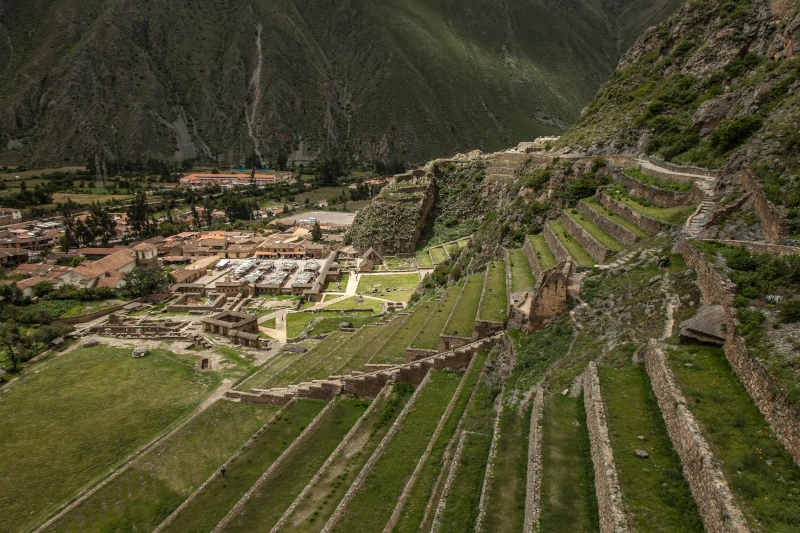
  6. Ollantaytambo – A living Inca town and archaeological site, gateway to Machu Picchu.
  7. Pisac Archaeological Park – Home to Inca ruins and a traditional market, set in the Sacred Valley.
  8. Moray and the Maras Salt Mines – Showcases Inca agricultural experimentation and ancient salt pans.
  9. Cusco Cathedral – A colonial cathedral with intricate interiors and religious art, located in the Plaza de Armas.
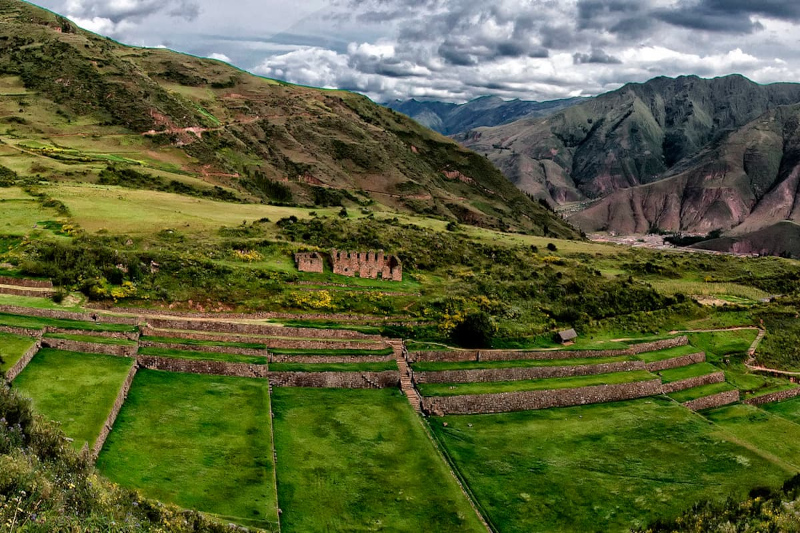
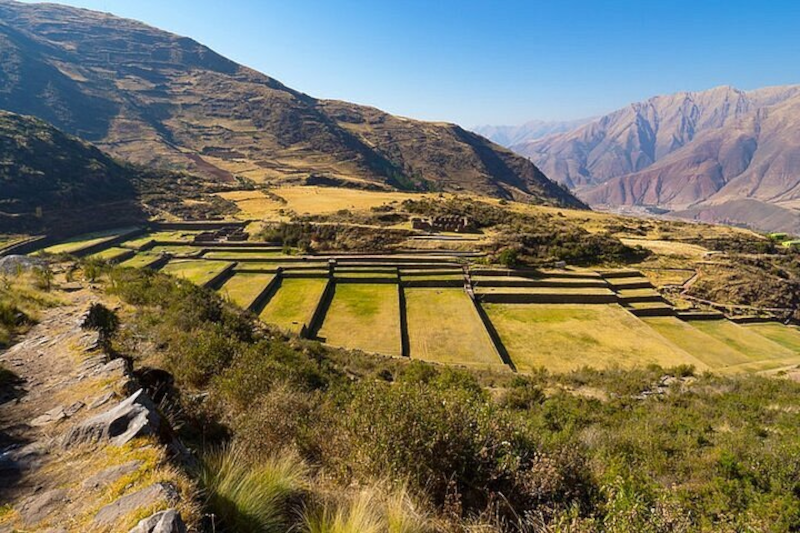
  10. Tipon Archaeological Site – Features elaborate Inca terraces and a sophisticated irrigation system.
Top 10 Must-Visit Sites in Cusco

Exploring the Ancient Heart of the Inca Empire: Cusco’s Unmissable Attractions

Cusco, once the capital of the Inca Empire, beckons with its ancient allure and breathtaking landscapes. Here, history whispers from the cobblestone streets and grandeur ruins. Every corner in this city promises an adventure, making it a must-visit destination for travelers.

The Plaza de Armas, Cusco’s vibrant heart, offers a glimpse into the city’s colonial and Inca past. Framed by the imposing Cusco Cathedral and the Church of La Compañía de Jesús, it’s a hub of cultural activity. Visitors can start their journey here, soaking in the lively atmosphere.

Just a short walk from the plaza, the San Blas neighborhood unfolds with its artistic vibe. Artisans display their crafts, perfect for unique souvenirs. The area is also home to the famed Twelve Angled Stone, showcasing the Inca’s architectural precision.

A Journey Through Time: Cusco’s Archaeological Sites

Cusco serves as a gateway to numerous archaeological sites, each telling a story of the ancient Inca. Sacsayhuaman, with its colossal walls, stands as a testament to Inca engineering. Not far, the Cristo Blanco (White Christ) statue watches over the city, offering panoramic views.

The Sacred Valley, a short trip from Cusco, reveals the rich agricultural heritage of the Inca. Sites like Pisac and Ollantaytambo highlight the advanced terracing and irrigation techniques. These spots are essential for understanding the Inca’s connection to the land.

For those drawn to the mysteries of the past, a visit to the Qorikancha, beneath the Santo Domingo church, is a must. This site was the Inca Empire’s religious center, dedicated to the Sun God. The blend of Inca and colonial architecture here is striking.

Cultural Immersion and Natural Wonders

The San Pedro Market offers a taste of local life, from colorful textiles to the traditional guinea pig dish. It’s a place to immerse oneself in the flavors and crafts of the region. Exploring this market provides insight into the daily lives of Cusco’s residents.

No visit to Cusco is complete without venturing to the Rainbow Mountain. This natural wonder, with its striated hues, is a sight to behold. The trek there showcases the region’s natural beauty and the enduring spirit of the Andes.

For trekkers, the Inca Trail presents a once-in-a-lifetime journey. It leads to the world-renowned Machu Picchu, traversing stunning landscapes and lesser-known Inca sites. This path offers a profound connection to the ancient Inca’s world.

Top 10 Must-Visit Sites in Cusco

Preserving History: Cusco’s Commitment to Its Past

Cusco not only celebrates its Inca heritage but also its pre-Inca history. Sites around the city reveal layers of cultural development before the Inca’s rise. This depth of history enriches every visit, offering a broader perspective of the Andean civilizations.

The city’s museums and cultural institutions play a crucial role in preserving this heritage. They offer detailed exhibits on the Inca’s life, achievements, and the region’s biodiversity. These resources are invaluable for those looking to delve deeper into Cusco’s past.

As the ancient heart of the Inca Empire, Cusco stands as a testament to the ingenuity and spirit of its people. From the majestic ruins of Sacsayhuaman to the sacred paths of the Inca Trail, the city offers a journey through time. Its streets, markets, and valleys are filled with stories waiting to be discovered.

For anyone planning to visit Cusco, these must-visit sites in Cusco offer a comprehensive experience of the city’s historical and cultural wealth. Each site, from the bustling Plaza de Armas to the serene Sacred Valley, contributes to the mosaic that is Cusco. This city, rich in history and brimming with life, awaits to share its secrets and wonders with the world.

Cusco’s Hidden Gems: Beyond Machu Picchu

While Machu Picchu often steals the spotlight, Cusco’s hidden gems reveal the depth of its cultural and historical wealth. These lesser-known sites invite travelers to explore the soul of the ancient Inca Empire. Each one offers a unique glimpse into the past and present of this enchanting city.

Among these must-visit sites in Cusco, the Inca site of Q’enqo stands out. This ceremonial complex, carved into rock, showcases Inca’s spiritual connection to the land. Visitors marvel at its intricate carvings and the mysterious underground chambers.

Another treasure, the Tambomachay ruins, known as the “Bath of the Inca,” feature aqueducts, canals, and waterfalls. This site highlights the Inca’s advanced water engineering and their reverence for natural elements. It’s a serene spot, perfect for contemplation.

Top 10 Must-Visit Sites in Cusco

A Journey Through Cusco’s Living Culture

Venturing into Cusco’s San Pedro Market, you’ll find more than just souvenirs. This bustling market is a kaleidoscope of colors, flavors, and aromas. Here, locals shop for fresh produce, textiles, and traditional medicines. It’s an authentic experience of daily life in Cusco.

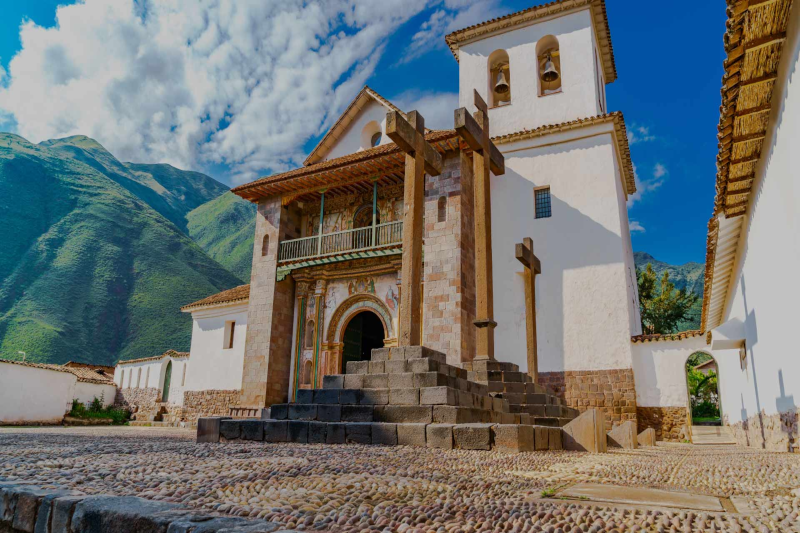
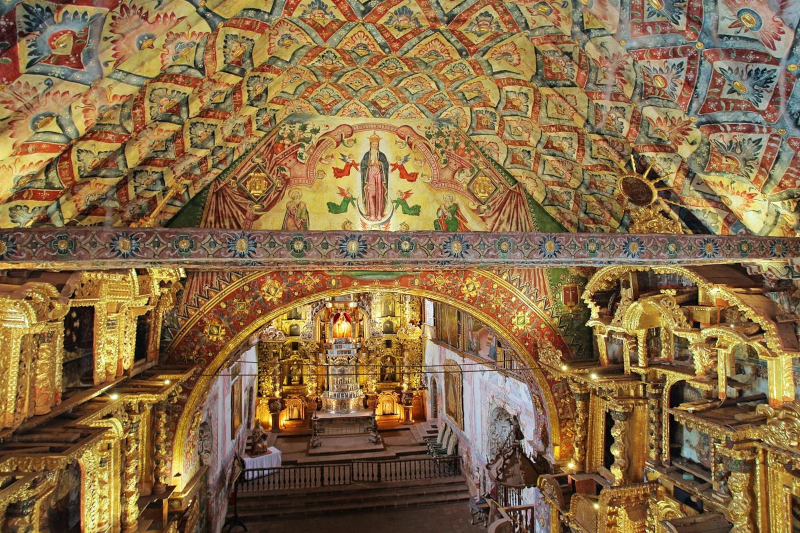
The Andean Baroque Route is another must-visit for those looking to delve deeper into Cusco’s colonial history. This route includes stunning churches like Andahuaylillas, often referred to as the “Sistine Chapel of the Americas.” Its exquisite interior is a hidden gem worth exploring.

For a peaceful escape, the ChocoMuseo offers a sweet diversion. Visitors learn about chocolate’s journey from bean to bar. They even get to make their own chocolate. It’s a fun and educational experience that delights all ages.

Discovering Cusco’s Natural Wonders

Beyond the city, the Humantay Lake provides a breathtaking natural escape. This turquoise lake, set against the backdrop of snowy peaks, is accessible via a scenic hike. It’s a serene spot for nature lovers and photographers alike.

Lastly, the Apurimac River offers thrilling white-water rafting experiences. These rapids promise adventure for those seeking an adrenaline rush. The river’s stunning canyon scenery adds to the excitement.

Cusco’s hidden gems extend beyond Machu Picchu, offering visitors a richer, more diverse experience. From ancient ruins tucked away in the mountains to vibrant local markets in the city center, these must-visit sites in Cusco showcase the city’s multifaceted charm. They invite travelers to explore, learn, and connect with the spirit of the ancient Inca Empire and the vibrant culture that thrives in Cusco today.

Top 10 Must-Visit Sites in Cusco

Cusco, a city rich in culture, awaits you. Nestled in the Peruvian Andes, it’s a traveler’s paradise. Explore its timeless charm, vibrant streets and what to do in Cusco.

The city offers an array of activities. From ancient ruins to lively markets, there’s something for everyone. Dive into our top 10 must-do activities.

Embrace adventure and history in Cusco. Experience the local cuisine and colorful traditions. Make unforgettable memories in this magical city.

Our guide ensures you don’t miss out. Each activity promises a unique glimpse of Cusco’s heart. Ready to explore? Let’s dive in.

Top 10 Must-Do Activities in Cusco

Cusco is a gateway to many unforgettable experiences, blending historical sites, natural beauty, and cultural richness. Here’s a curated list of the top 10 must-do activities in Cusco:

  1. Tour the Sacsayhuamán Fortress – Marvel at the Incan architectural genius and enjoy panoramic views of Cusco.
  2. Visit the Sacred Valley of the Incas – Explore the picturesque villages, terraced fields, and ancient ruins.
  3. Stroll through the San Pedro Market – Experience the bustling local life and sample traditional Peruvian foods.
  4. Explore the Historic Center of Cusco – Walk the cobblestone streets, visit colonial churches, and see the Plaza de Armas.
  5. Day Trip to Machu Picchu – Witness the iconic Incan citadel set high in the Andes Mountains.
  6. Hike the Inca Trail – Embark on this epic trek through breathtaking landscapes to Machu Picchu.
  7. Visit the Qorikancha (Temple of the Sun) – Delve into this ancient Incan temple. Is a fusion of Incan and Spanish architecture.
  8. Experience a Traditional Weaving Demonstration – Learn about the Andean weaving process in nearby Quechua villages.
  9. Enjoy a Pisco Sour in a Local Bar – Savor Peru’s national drink. Dive in the lively atmosphere of Cusco’s bars.
  10. Take a Cooking Class – Immerse yourself in Peruvian cuisine by learning to prepare traditional dishes with a local chef.

These activities offer a mix of adventure, culture, and history, ensuring a well-rounded experience of Cusco’s unique charm.

Exploring the Heart of the Inca Empire: Unforgettable Experiences in Cusco

Nestled in the Andean mountains, Cusco serves as the gateway to the past. Its streets whisper tales of Inca and colonial history. Here, adventurers and historians find common ground.

The city’s energy captivates all who wander its ancient paths. Every corner tells a story, every stone steeped in history. It’s where the past and present blend seamlessly.

Among the myriad activities, knowing what to do in Cusco can seem daunting. Yet, the city reveals its secrets to those who venture. Let’s embark on this journey together.

What to Do in Cusco: Top 10 Must-Do Activities

Ancient Foundations: The Must-Visit Landmarks

The Cusco Cathedral stands as a testament to religious art and history. Its imposing structure dominates the Plaza de Armas. Inside, art and faith intertwine beautifully.

Adjacent, Santo Domingo church reveals layers of history. Built atop the Qorikancha, it showcases Incan architecture’s resilience. This blend of cultures fascinates visitors.

San Blas, known as the artisans’ district, offers a colorful maze of creativity. Its streets brim with handmade treasures. Every shop tells a different story.

Embracing Culture and Nature

A day trip from Cusco can lead you to awe-inspiring sights. The Sacred Valley awaits with its lush landscapes and ancient ruins. It’s a journey back in time.

For those pondering what to do in Cusco, a city tour unravels mysteries. From the Sacsayhuaman fortress to lesser-known gems, the city’s heritage astonishes. Guides bring history to life, making each site memorable.

The ultimate adventure, however, is to visit Machu Picchu. This day trip from Cusco is a pilgrimage to the past. The lost city of the Incas remains an enigma.

Culinary Delights and Artisan Crafts

Cusco’s cuisine reflects its rich cultural tapestry. Local markets offer a feast for the senses. Each dish tells a story of fusion and tradition.

Artisan markets in San Blas showcase the region’s craftsmanship. Here, textiles and pottery blend art with history. Every piece holds a piece of the Andean spirit.

In the evening, Cusco transforms. Its squares and cafes buzz with life. The city’s vibrant nightlife invites guests to linger.

Connecting with Tradition

Cusco offers more than just landmarks; it offers experiences. Workshops on traditional weaving reveal age-old techniques. They bridge generations, connecting visitors with Andean culture.

Music and dance performances in the streets bring folklore to life. They invite onlookers to partake in the celebration. This cultural immersion enriches the soul.

Finally, participating in ancient rituals offers a profound connection. It’s a reminder of the deep spirituality that permeates this place. Such moments stay with visitors forever.

Venturing Beyond

For the adventurous, Cusco is just the beginning. The Rainbow Mountain awaits with its stunning hues. It’s a challenging trek, but the views reward the brave.

Another day trip from Cusco leads to the serene Humantay Lake. Its turquoise waters contrast sharply with the rugged Andes. It’s a sight to behold.

These excursions offer glimpses into Peru’s natural wonders. They complement the historical exploration, offering a holistic experience. Each journey reveals a different facet of the Andean world.

What to Do in Cusco: Top 10 Must-Do Activities

What to Do in Cusco: Final Thoughts

Cusco, the heart of the Inca Empire, beckons with its blend of history, culture, and nature. Its streets, markets, and ruins offer endless exploration. This city, vibrant and alive, welcomes all who seek to uncover its mysteries.

From the majestic Cusco Cathedral to the remote wonders of Machu Picchu, every experience enriches. The city’s essence lies in its ability to connect past with present. It invites travelers to not just visit but to immerse and belong.

So, when contemplating what to do in Cusco, remember: it’s not just about the places you visit. It’s about the connections you make, the stories you hear, and the memories you create. Cusco is not just a destination; it’s a journey into the heart of an ancient empire. Let its spirit guide you.

Cultural Immersion and Adventure: Your Ultimate Guide to Cusco’s Treasures

Cusco, the historic heart of the Incan Empire, offers more than meets the eye. Its cobblestone streets whisper ancient tales. Each turn reveals a new adventure, waiting to be discovered.

For those seeking what to do in Cusco, cultural immersion stands as a cornerstone experience. The city, alive with traditions, warmly welcomes every visitor. Here, the past is not just remembered; it’s celebrated daily.

The vibrancy of the local markets encapsulates the spirit of Cusco. Colors, flavors, and sounds meld into a tapestry of culture. These markets are not just places to shop but to learn and engage.

Dive into History and Art

The Museo de Arte Precolombino (Pre-Columbian Art Museum) is a must-visit for art lovers. It houses a vast collection of artifacts. Each piece tells a story of life before the Spanish conquest.

Exploring an Inca site is to touch the very soul of Cusco. Sites like Ollantaytambo and Pisac stand as sentinels of history. They offer a glimpse into the architectural genius of the Incas.

In the centre of Cusco lies the Qorikancha, once the richest temple in the Inca Empire. Its walls, once covered in gold, reflect the sun’s rays. This site embodies the Incan reverence for the sun.

Adventure Awaits Beyond the City

If you don’t fancy crowded tours, Cusco offers alternatives. Trekking paths lead to secluded ruins and breathtaking landscapes. These trails offer solitude and connection with nature.

For those wary of altitude sickness, Cusco presents manageable day tour options. The Sacred Valley, lower in elevation, offers respite and stunning scenery. Here, the air is easier to breathe, and adventures abound.

A visit to Maras and Moray on a day tour from Cusco blends history with striking visuals. The salt pans and agricultural terraces are marvels of Incan innovation. They illustrate the harmony between the Incas and their environment.

What to Do in Cusco: Top 10 Must-Do Activities

Gastronomy and Nightlife: Taste the Local Flavors

Cusco’s culinary scene is a fusion of tradition and innovation. Restaurants serve dishes that tell the story of Peru’s biodiversity. Each meal is an adventure in taste.

The nightlife in Cusco offers a different kind of adventure. From cozy pubs to vibrant dance clubs, the city comes alive at night. It’s a chance to mingle with locals and fellow travelers.

Sampling the local brew, chicha, is an experience in itself. This traditional corn beer has been a staple for centuries. It connects visitors with the Andean way of life.

Cultural Workshops and Experiences

Cusco offers workshops that dive deep into Andean culture. Pottery, textile weaving, and cooking classes are available. They offer hands-on experience with traditional crafts and cuisine.

Participating in a traditional Andean ceremony offers spiritual insight. These ceremonies, led by local shamans, seek harmony with nature. They provide a profound sense of connection and understanding.

Photography tours around Cusco capture the essence of the city. Guided by local photographers, they reveal the city’s hidden gems. These tours are an invitation to see Cusco through the eyes of its inhabitants.

Embracing the Great Outdoors

Adventure seekers wondering what to do in Cusco find their answer in the surrounding Andes. Mountain biking and horseback riding offer thrilling perspectives of the landscape. These activities blend adrenaline with natural beauty.

The Vinicunca, or Rainbow Mountain, is a spectacle of color. A challenging trek rewards hikers with surreal views. It’s a highlight for those seeking unique natural phenomena.

Lake Humantay offers serene beauty and a peaceful hiking experience. Its turquoise waters contrast the rugged mountain backdrop. This day trip from Cusco refreshes the spirit.

What to Do in Cusco?

Cusco is a city that invites exploration, offering a blend of cultural immersion and outdoor adventure. Its streets and landscapes tell stories of ancient civilizations and thriving traditions. Here, every visitor finds a path that resonates.

From the bustling markets to the quiet ruins, Cusco’s treasures are manifold. Whether indulging in local cuisine, participating in traditional ceremonies, or trekking to hidden Inca sites, the experiences are rich and varied.

So, when considering what to do in Cusco, let curiosity be your guide. Embrace the adventures that await in this ancient city. Cusco is not just a destination; it’s an experience that enriches the soul and ignites the wanderlust in us all.

What to Do in Cusco: Top 10 Must-Do Activities

Embarking on a journey through the Sacred Valley is like stepping back in time. While exploring this fascinating region, you’ll learn tales of ancient civilizations and understand why it’s one of Peru’s most valued treasures.

This article will lead you through the history of the Sacred Valley, its cultural richness, and offer practical advice to ensure your visit is unforgettable.

Sacred Valley Peru

The Historical Tapestry of the Sacred Valley Peru

The Inca Empire’s Heartland

The Sacred Valley, known in Quechua as “Willka Qhichwa,” was a vital center for the Inca Empire. Its fertile lands and strategic location along the Urubamba River made it an ideal area for agriculture and settlement. The Incas skillfully used terraces and irrigation methods to grow crops such as maize, potatoes, and quinoa. These advanced agricultural techniques helped support their empire’s population.

The ingenuity of these agricultural methods is still admired today. Many modern agricultural practices are drawing inspiration from these ancient techniques.

Beyond its agricultural significance, the Sacred Valley was a spiritual hub for the Incas. The region was dotted with ceremonial sites and temples that harnessed the perceived sacred energy of the land. These spiritual centers were not just places for worship. They were important in festivals and rituals that helped strengthen the social and cultural bonds of Inca society.

The valley’s strategic importance extended to military and administrative functions. Fortresses and government centers were built to manage travel through the valley and keep the Inca Empire’s large territory under control.

These sites served as logistical and military hubs. They ensured the swift movement of troops and resources, showcasing the Inca’s sophisticated statecraft and military prowess.

Sacred Valley Peru

Archaeological Marvels

The Sacred Valley is home to a wealth of archaeological sites that offer a glimpse into the Inca’s rich history and culture. While Machu Picchu is undoubtedly the crown jewel, the valley itself boasts numerous other gems worthy of exploration.

  • Pisac:

Perched high on a hilltop, the ruins of Pisac are a testament to Inca ingenuity. The site’s impressive terraces and stone structures provide panoramic views of the valley below. The vibrant Pisac Market in the town below offers a chance to engage with local artisans and purchase traditional handicrafts. Pisac’s blend of history and living culture makes it a must-visit for those seeking to understand the daily lives of the Incas and their descendants.

Known as the “Living Inca Town,” Ollantaytambo is a remarkable blend of ancient and modern life. Its massive stone fortifications and temples showcase the Inca’s architectural mastery. Wander through the cobblestone streets and experience the town’s vibrant atmosphere, where the past seamlessly mingles with the present. The town’s layout, virtually unchanged since Inca times, offers a unique glimpse into the urban planning of the era.

  • Moray and Maras:

Moray’s circular terraces, believed to have been an agricultural laboratory, demonstrate the Inca’s advanced understanding of microclimates. Nearby, the Maras salt mines, with their dazzling white pools, have been harvested since pre-Inca times. They continue to produce salt using traditional methods. These sites highlight the Inca’s innovative spirit and their ability to adapt to and harness the natural environment for their needs.

  • Chinchero:

Often overlooked, Chinchero is a hidden gem with its own archaeological treasures. It is known as the “birthplace of the rainbow”.. Chinchero features a colonial church built on Inca foundations, offering a unique blend of Inca and Spanish influences. The town is also famous for its vibrant weaving community. Ancient techniques are preserved and shared with visitors.

  • Machu Picchu:

While technically at the edge of the Sacred Valley, no exploration of the region would be complete without mentioning Machu Picchu. This iconic site, perched high in the Andes, remains one of the most enigmatic and awe-inspiring legacies of the Inca civilization. The site’s precise construction and stunning natural backdrop continue to captivate scholars and tourists alike.

Sacred Valley Peru

Embracing the Culture and Traditions

The Spirit of the Andes

The Sacred Valley is not only a journey through history but also an immersion into the vibrant culture of the Andes. The region’s inhabitants, many of whom are descendants of the Incas, continue to uphold their ancestral traditions and way of life. These traditions are often expressed through vibrant festivals, music, dance, and crafts that have been passed down through generations, providing a living link to the past.

During your visit, take the opportunity to interact with local communities and participate in cultural activities. From traditional weaving demonstrations to music and dance performances, you’ll gain a deeper appreciation for the rich tapestry of Andean culture. Engaging with these traditions offers a unique insight into the values and beliefs that have sustained these communities for centuries.

The spiritual beliefs of the Andean people are deeply intertwined with their daily lives. Many locals still practice rituals and ceremonies that honor Pachamama, or Mother Earth. This reflects a profound respect for nature and the interconnectedness of all living things. Participating in or witnessing these ceremonies can be a deeply moving experience, offering a rare glimpse into the spiritual heart of the Andes.

The culinary traditions of the Sacred Valley are another rich aspect of its culture. The local cuisine, heavily influenced by Inca agriculture. They feature ingredients like quinoa, potatoes, and corn, prepared using age-old recipes. Sampling these dishes provides not only a taste of the region’s history but also a sensory connection to the land and its people.

Responsible Tourism in the Sacred Valley

As you explore the Sacred Valley, it’s important to approach your journey with respect for the environment and local communities. Responsible tourism practices ensure that the valley’s natural beauty and cultural heritage are preserved for future generations. Conscious travelers can make a positive impact by choosing sustainable travel options and supporting local businesses.

Support local artisans by purchasing handmade crafts and goods, and consider staying in family-run accommodations that contribute directly to the community. These choices help sustain local economies and preserve traditional crafts that might otherwise be lost. Additionally, engaging with local guides provides authentic insights into the region’s history and culture, enriching your travel experience.

Minimizing your environmental footprint is crucial in preserving the valley’s fragile ecosystems. Simple actions, such as reducing waste, respecting wildlife, and staying on designated paths, can make a significant difference. By treading lightly, you help ensure that the Sacred Valley remains a pristine haven for future travelers and local inhabitants alike.

Education and awareness are key components of responsible tourism. Taking the time to learn about the valley’s history, culture, and current challenges enhances your understanding and respect for the region. Sharing this knowledge with others can inspire more people to visit responsibly and contribute positively to the Sacred Valley’s preservation.

Sacred Valley Peru

Planning Your Journey

When to Visit

The Sacred Valley can be visited year-round, but the best time to experience its wonders is during the dry season, from May to September. During these months, the weather is generally clear and sunny, ideal for exploring the valley’s archaeological sites and hiking trails. The dry season also coincides with several local festivals, offering a vibrant glimpse into the region’s cultural life.

The wet season, from October to April, brings lush landscapes and fewer tourists, providing a more tranquil experience. While rain can occasionally disrupt travel plans, it also brings the valley’s flora to life, creating a stunning backdrop for exploration. Those who enjoy photography or simply wish to experience the valley in its verdant glory may find this time particularly rewarding.

Regardless of the season, it’s important to be prepared for the valley’s varied climate. Temperatures can fluctuate significantly between day and night, so packing layers is advisable. A good pair of walking shoes, sun protection, and rain gear are also essential for a comfortable and enjoyable visit.

Getting There

The gateway to the Sacred Valley is the city of Cusco, a UNESCO World Heritage Site in its own right. From Cusco, you can embark on a scenic drive or take a train ride to the valley. The train journey offers spectacular views of the Andean landscapes, setting the stage for the adventure ahead. This journey is not just about reaching the destination but also about immersing yourself in the stunning vistas and cultural richness along the way.

For those who prefer a more flexible travel experience, renting a car provides the freedom to explore at your own pace. This option allows for spontaneous detours and deeper exploration of lesser-known sites that might be missed on a structured tour. However, driving in the Andes requires caution and confidence, as roads can be winding and challenging.

Alternatively, guided tours are available for travelers seeking a more structured experience. These tours often include knowledgeable guides who can provide valuable insights and context for the sites visited.

Whether traveling independently or with a group, the journey to the Sacred Valley is an integral part of the overall experience. It offers a taste of the region’s allure even before you arrive.

Crafting a Memorable Itinerary

To make the most of your Sacred Valley experience, consider a multi-day itinerary that allows you to explore the region’s highlights at a leisurely pace. Here is a sample itinerary to inspire your journey:

  1. Day 1: Pisac – Visit the Pisac archaeological site and explore the bustling market in the town below. Take part in a traditional weaving workshop to learn about the intricate patterns and techniques used by local artisans.
  2. Day 2: Ollantaytambo – Discover the impressive ruins and enjoy a stroll through the charming streets of the “Living Inca Town.” Consider an evening visit to a local family for a home-cooked meal and cultural exchange.
  3. Day 3: Moray and Maras – Marvel at the circular terraces of Moray and the salt mines of Maras. In the afternoon, visit Chinchero to experience its vibrant market and weaving traditions.
  4. Day 4: Machu Picchu – Conclude your journey with a visit to the iconic Machu Picchu. Consider an early morning visit to witness the sunrise over the ancient citadel, followed by a guided tour to uncover its mysteries.
  5. Day 5: Cultural Immersion – Spend your final day participating in a community project or attending a local festival. This day offers a chance to give back and immerse yourself fully in the region’s cultural heartbeat.
Sacred Valley Peru

Conclusion

The Sacred Valley of the Incas is a destination that captivates the imagination and leaves an indelible mark on the soul. With its rich history, stunning landscapes, and vibrant culture, it offers a travel experience like no other.

Whether you’re an aspiring travel blogger, a travel agency owner, or a history and culture enthusiast, the Sacred Valley offers something special for everyone. It’s a destination filled with rich history, breathtaking landscapes, and cultural wonders. Embark on a journey of discovery and inspiration.

As you embark on this adventure, remember to tread lightly, respect the local culture, and embrace the beauty of the Andes. The Sacred Valley of the Incas awaits, ready to share its timeless stories and breathtaking vistas with those who seek to explore its wonders. Every step you take in this magical landscape is a step back into a world where history, culture, and nature intertwine, creating memories that will last a lifetime.

Hiking the Inca Trail in March

The Inca Trail in March marks the beginning of the trekking season in Peru, reopening after the annual maintenance closure in February. This month offers a unique mix of lush green landscapes, moderate weather, and fewer tourists compared to the high season. Whether you are planning to hike the Classic 4-Day Inca Trail or the Short 2-Day version, March provides one of the most authentic experiences on this legendary route to Machu Picchu.

In this detailed guide, you’ll find everything you need to know about the Inca Trail in March — including weather conditions, trail permits, preparation tips, packing essentials, and reasons why this month could be the best time to hike the most famous trail in South America.

inca trail in march

Why Choose March for the Inca Trail?

The Trail Reopens After the Annual Closure

The Inca Trail is closed every February for environmental maintenance and conservation. In March, it reopens fresh and renewed, with clean campsites, repaired paths, and restored infrastructure. Trekking in March means being among the first hikers to enjoy a rejuvenated trail.

Fewer Crowds Compared to High Season

March is still considered the shoulder season — before the busy months of May through August. This means fewer people on the trail and at Machu Picchu, allowing for a more peaceful experience.

Lush, Green Landscapes

Because March follows the rainy season, the Andean vegetation is at its most vibrant. The hills are covered with wildflowers, and the air feels fresh and pure. For photographers and nature lovers, this month offers spectacular color contrasts and clear morning views after light rains.

Affordable Prices and Better Availability

Permits for the Inca Trail sell out fast, but in March you’ll usually find more availability for both the 4-day and 2-day Inca Trail tours. Some tour operators even offer early-season discounts.

[tour_ad id=”6055″]

Inca Trail Weather in March

March is a transition month between the rainy and dry seasons. You can expect mild temperatures and a mix of sunshine and occasional rain showers.

Despite the rain, March weather is far from extreme. A light rain jacket and good hiking boots are usually enough to stay comfortable.

Permit Availability and Regulations

The Peruvian government strictly limits the number of people allowed on the Inca Trail to 500 per day — including guides, porters, and cooks. This means only about 200–250 trekkers can start the trail daily.

Important Points:

  • Book early: Even in March, permits can sell out weeks in advance.

  • Non-transferable: Permits are issued in your name and linked to your passport number.

  • Tour required: Only licensed operators can sell Inca Trail packages. Independent trekking is not allowed.

  • Passport updates: If you renew your passport after booking, bring both the old and new passports for verification.

What to Pack for the Inca Trail in March

Packing smart is essential for variable March weather. Here’s a checklist:

Clothing:

  • Waterproof jacket or poncho

  • Quick-dry shirts and pants

  • Warm fleece or jacket for nights

  • Comfortable hiking boots (water-resistant)

  • Extra socks and underwear

  • Hat, gloves, and sun cap

Gear:

  • Rain cover for backpack

  • Sleeping bag (rated to 0°C or below)

  • Trekking poles (recommended for slippery sections)

  • Headlamp with spare batteries

  • Refillable water bottle or hydration bladder

  • Sunscreen and insect repellent

Documents & Essentials:

  • Passport (original)

  • Inca Trail permit and Machu Picchu ticket

  • Cash in Peruvian soles (for tips, snacks, etc.)

  • Small first-aid kit

Health and Safety Tips

  • Acclimatize in Cusco for at least 2 days before starting the trek to prevent altitude sickness.

  • Stay hydrated: Drink plenty of water throughout the hike.

  • Use walking poles: They reduce knee strain on steep descents.

  • Follow your guide’s instructions: The Inca Trail has strict regulations for safety and preservation.

  • Avoid plastic bottles: Bring a reusable bottle to support sustainability.

Photography and Scenery Highlights in March

March is ideal for photographers: the landscape is at its greenest, rivers are flowing, and early morning mist gives the mountains a mystical atmosphere. Some of the best spots for photos include:

  • Llactapata terraces (Day 1)

  • Dead Woman’s Pass (Day 2)

  • Phuyupatamarca viewpoint (Day 3)

  • Sun Gate (Inti Punku) at sunrise on Day 4

For the best shots, carry a waterproof camera bag and microfiber cloth to protect your lens from humidity.

Machu Picchu After the Inca Trail

At the end of your trek, you’ll reach the Sun Gate, your first magical glimpse of Machu Picchu. Most tours include a guided visit through the main sectors:

  • Temple of the Sun

  • Intihuatana (Sun Dial)

  • Temple of the Condor

  • Sacred Plaza

Optional hikes like Huayna Picchu or Machu Picchu Mountain can be added (extra ticket required). In March, availability for these hikes is usually better than in peak months.

Sustainable Trekking

March is a great month to promote responsible tourism. Trails are freshly maintained, and environmental efforts are visible. When hiking:

  • Leave no trace: Carry all waste back to designated collection points.

  • Support local porters: Choose operators who provide fair wages and proper equipment.

  • Avoid single-use plastics.

Tips for Booking the Inca Trail in March

  1. Book 2–3 months in advance to secure permits.

  2. Verify operator licenses with the Peruvian Ministry of Culture.

  3. Choose a reputable agency offering oxygen tanks, quality camping gear, and experienced guides.

  4. Consider travel insurance covering altitude trekking.

  5. Bring both digital and printed copies of your booking confirmation.

Alternatives if Inca Trail Permits Are Sold Out

If you can’t find Inca Trail permits for March, don’t worry — several scenic alternatives lead to Machu Picchu:

  • Salkantay Trek (5 days) – High-altitude route with glaciers and jungle landscapes.

  • Lares Trek (4 days) – Cultural trek through Andean villages and hot springs.

  • Inca Jungle Trek (4 days) – Combines biking, hiking, and ziplining adventures.

  • Choquequirao Trek (8 days) – A remote archaeological alternative for experienced trekkers.

Is March a Good Time for the Inca Trail?

Absolutely. The Inca Trail in March combines the best of both worlds: post-rain greenery and fewer crowds. You’ll walk through freshly restored paths, encounter vibrant wildlife, and experience Machu Picchu under softer sunlight.

Just remember to prepare for variable weather — a little rain, a lot of beauty, and the timeless spirit of the Andes.

Whether you’re an experienced trekker or a first-time adventurer, March is a beautiful month to rediscover the magic of the Inca Trail.

Visiting Machu Picchu in February is a very different experience compared to the rest of the year.

February is the height of the rainy season in the Andes. You can expect heavy rain, cloudy skies, and tropical humidity.

The landscapes will be covered in deep green, creating a dramatic effect. While some treks close during this month, Machu Picchu itself remains open, fully accessible, and surprisingly peaceful.

For travelers who value tranquility, lush scenery, and cultural immersion, February can be an excellent month to visit.

For others, especially those seeking long hikes or guaranteed clear skies, February may not be the ideal time.

This guide has all the information you need about Machu Picchu in February.

It includes details on the weather, crowds, pros and cons, entrance routes, travel tips, photography conditions, and expert advice. Use this information to make the most of your trip.

machu picchu in february

What Is Machu Picchu Like in February?

February brings heavy rain, high humidity, and lots of clouds. It also brings the year’s greenest and most beautiful scenery.

Rivers swell, waterfalls appear along the mountainsides, and the jungle surrounding the citadel becomes dense and vibrant.

Even though February is known as the wettest month, it has many beautiful moments. You can enjoy sunny breaks between storms.

Clouds roll dramatically over the ruins. There are peaceful pathways with almost no crowds.

What you can expect:

  • Frequent rainfall throughout the day

  • Warm and humid weather

  • Dense vegetation and deep green mountains

  • Foggy mornings with openings of clear sky

  • Quiet ruins with very low tourist traffic

  • Occasional disruptions to transport, depending on the weather

Machu Picchu itself stays open every day of February.

Weather in Machu Picchu in February

February is the rainiest month in the region, so weather preparation is essential.

Temperature

  • Daytime: 18°C–21°C (64°F–70°F)

  • Nighttime: 10°C–12°C (50°F–54°F)

Despite clouds and rain, temperatures remain generally warm.

Rainfall

This is where February stands out:

  • Heavy rain is common and can last for hours.

  • Short thunderstorms may occur, especially in the afternoon.

  • Drizzles, mist, and constant humidity create a tropical feel.

Rain rarely stops people from visiting Machu Picchu. However, it can slow down transport or lead to temporary changes on some walking paths.

Humidity

Humidity is very high, typically 85%–95%.

Clothes can stay damp, and the air feels warmer than the temperature suggests.

Cloud Coverage

Fog is very common in February and may cover views in the early morning. Clouds often shift rapidly, revealing partial or full views at unpredictable moments.

Visibility

Expect:

  • Foggy mornings

  • Clearings late morning and midday

  • Occasional bright windows after rainfall

Is February a Good Time to Visit Machu Picchu?

This depends entirely on your expectations.

Pros of Visiting Machu Picchu in February

  • Few tourists: One of the quietest months of the entire year.

  • Most vibrant green landscapes: Nature is at its peak.

  • Lower prices: Hotels, transport, and tours often drop in price.

  • Peaceful environment: Easy to take photos without crowds.

  • Warm temperatures: Comfortable to walk despite wet conditions.

  • Cultural immersion: February is full of local festivals in Cusco and the Sacred Valley.

Cons of Visiting Machu Picchu in February

  • Heavy, frequent rain that can last for long periods.

  • Fog that may cover iconic viewpoints for hours.

  • Transportation delays are possible due to landslides or swollen rivers.

  • Inca Trail is completely closed for annual maintenance.

  • Many alternative treks become unsafe and are not recommended.

  • Wet, muddy, and slippery conditions throughout the site.

In short, February is a great month for travelers who love nature, quiet ruins, and don’t mind some rain. But it’s not ideal for those who want perfect photos, long hikes, or stable weather.

Crowds at Machu Picchu in February

February is one of the least-visited months of the year.

You will find:

  • Very short or no lines at the bus station

  • Minimal congestion inside the citadel

  • Easy movement through popular areas such as the viewpoint terrace or the Temple of the Sun

  • Fewer train passengers

This month is perfect for travelers who dislike crowds.

Machu Picchu Entrance Circuits in February

All circuits remain open in February.

Circuit 1 – Upper Terraces

Offers wide-angle views but is the most affected by fog.
Visibility can be limited early in the morning.

Circuit 2 – Classic Route

The best choice for February is because it includes the most important areas:

  • Main temples

  • Classic viewpoint

  • Main plazas

  • Agricultural terraces

Fog clears fastest in this area during midday.

Circuit 3 – Lower Circuit + Huayna Picchu Entrance

Circuit 3 is less affected by fog because it’s lower.
Huayna Picchu, however, becomes extremely slippery.

Circuit 4 – Lower Circuit + Huchuy Picchu

Safer and more manageable than Huayna Picchu during the rainy season.

Are Huayna Picchu and Machu Picchu Mountain Open in February?

Yes, both are open, but hiking conditions are challenging.

Huayna Picchu

  • Very steep and slippery

  • Narrow steps with water flow

  • Fog may cover views completely

  • Not recommended for February unless you are an experienced hiker with proper shoes

Machu Picchu Mountain

  • Longer but wider trail

  • Less dangerous but still extremely wet

  • Views depend heavily on cloud openings

If your main goal is a mountain hike with clear views, February is not the ideal month.

Train Travel to Machu Picchu in February

Trains remain fully operational, but heavy rain can cause:

  • Slow travel speeds

  • Occasional delays

  • Route modifications if landslides occur (rare but possible)

  • Schedule changes for safety

Despite this, trains are still the safest and most stable transport option to Machu Picchu in February.

Advantages in February:

  • Better prices

  • More space

  • Very low passenger numbers

  • Quiet stations

Morning vs. Afternoon Visit in February

Morning Visit (6 AM – 10 AM)

Pros

  • Cooler temperatures

  • Mystical fog atmosphere

  • Peaceful and quiet

Cons

  • Thick fog commonly blocks iconic views

  • Heavier rains often fall during early hours

Afternoon Visit (12 PM – 2 PM)

Pros

  • Clouds usually lift somewhat by midday

  • Better chances for clear views

  • Very low crowds

  • Many days have “sun breaks” in the afternoon

Cons

  • Afternoon showers may intensify

Best Recommendation for February:

Visit between 10 AM and 1 PM for the best chance of visibility and manageable rain.

Photography at Machu Picchu in February

February offers dramatic and cinematic photography conditions—but with challenges.

Expect:

  • Fog rolling over temples

  • Deep green vegetation and wet stone textures

  • Sudden rainbows after showers

  • Clouds that open for only seconds

Photography Tips

  • Keep your camera in a waterproof case.

  • Use microfiber cloths frequently.

  • Take multiple shots—clouds change quickly.

  • Don’t rely on early morning visibility.

  • Capture waterfalls and rain-washed textures for unique shots.

Trekking to Machu Picchu in February

The Inca Trail is closed all February

This is extremely important. The trail closes annually for:

  • Cleaning

  • Maintenance

  • Conservation work

Alternative Treks in February

Salkantay Trek

Dangerous storms and muddy trails

Choquequirao Trek

High landslide risk

Ausangate Trek

snow + storms

Lares Trek

Lares is the safest rainy-season trek because:

  • Lower altitude exposure

  • Cultural focus

  • More stable communities

  • Less risk of landslides

However, expect wet conditions here as well.

What to Pack for Machu Picchu in February

February requires a smart packing list.

Clothing

  • Waterproof jacket or poncho

  • Waterproof hiking shoes

  • Quick-dry shirts and pants

  • Fleece layer

  • Extra socks and underwear

  • A hat for rain and sun

Gear

  • Backpack rain cover

  • Waterproof phone case

  • Microfiber towels

  • Ziplock bags

  • Flashlight (in case of power outages)

  • Refillable water bottle

Optional but Very Useful

  • Hiking poles with rubber tips

  • Gaiters to keep mud out

  • Anti-slip soles

  • Extra T-shirt for after the tour

Safety Tips for February Travelers

  • Walk very carefully—stones are extra slippery.

  • Avoid going near terrace edges.

  • Protect all electronics from rain.

  • Expect delays; keep your schedule flexible.

  • Follow staff instructions if a section becomes restricted.

  • Stay hydrated—humidity can be draining.

  • Bring cash in case card systems fail during storms.

Visiting Aguas Calientes (Machu Picchu Pueblo) in February

The town remains fully open and surprisingly cozy during the rainy season.

You will experience

  • Warm and humid climate

  • Frequent rain showers

  • Restaurants and cafés ideal for shelter

  • Hotels offering discounted rates

  • Hot springs operational

  • Rivers flowing strongly

It’s a relaxing base for preparing or recovering from your Machu Picchu visit.

How Far in Advance to Book in February

Because February has low tourism:

  • Machu Picchu tickets: 1–3 weeks in advance

  • Trains: 1–2 weeks

  • Hotels: 1 week or even last-minute

  • Mountain hikes: book early, but weather may limit visibility

February is very flexible compared to the high season.

Best Tips for Visiting Machu Picchu in February

  • Visit between 10 AM and 1 PM for the best visibility.

  • Wear waterproof, slip-resistant shoes.

  • Bring a rain jacket or poncho—you will need it.

  • Keep electronics waterproofed at all times.

  • Pack extra dry clothes for after your visit.

  • Stay one night in Aguas Calientes to avoid travel stress.

  • Travel with operators experienced in the rainy season.

  • Avoid mountain hikes unless you are well prepared.

  • Capture photos throughout your visit—clouds move unpredictably.

  • Keep your schedule flexible in case of delays.

Choosing between the Salkantay Trek vs Inca Trail is one of the most important decisions for travelers heading to Machu Picchu. Both routes offer unforgettable experiences, but they are very different in scenery, culture, difficulty, flexibility, and overall vibe. This complete guide (around 2000 words) breaks down every detail to help you pick the best trek for your style.

salkantay trek vs inca trail

Whether you choose the Inca Trail or the Salkantay route, both trails end at Machu Picchu.

Both the Inca Trail and Salkantay Trek end at Machu Picchu

What Is the Inca Trail?

The Inca Trail is Peru’s most iconic route and one of the world’s most famous trekking experiences. This ancient pathway was built more than 500 years ago and leads directly into Machu Picchu through the legendary Sun Gate (Inti Punku)—an entrance used by pilgrims during the Inca Empire.

[tour_ad id=”6055″]

Key Features of the Inca Trail

  • A 100% original archaeological route.

  • Only 500 permits per day (including guides and porters).

  • Requires booking 3–6 months in advance.

  • Stunning mix of mountains, cloud forest, and Inca ruins.

  • Only trek with direct arrival to Machu Picchu through the Sun Gate.

what is the inca trail

Ideal For

  • Travelers passionate about history and ancient culture.

  • Anyone seeking the classic Machu Picchu trekking experience.

  • Hikers who like a regulated, structured route.

  • Visitors who want a meaningful, archaeological-focused journey.

What Is the Salkantay Trek?

The Salkantay Trek is the top alternative to the Inca Trail—more rugged, more adventurous, and often considered more scenic. This open trail passes through glacial mountains, tropical forests, turquoise lakes, and eco-friendly camps. It is famous for its dramatic landscapes and physical challenge.

[tour_ad id=”6044″]

Key Features of the Salkantay Trek

  • Named by National Geographic as one of the world’s top long-distance treks.

  • No government permit required.

  • Easier to book—perfect for last-minute travelers.

  • Includes the stunning Humantay Lake and Salkantay Pass (4,630 m).

  • More physically demanding due to altitude and long distances.

what is the salkantay trek

Ideal For

  • Adventure seekers and strong hikers.

  • Nature lovers who want diverse, extreme landscapes.

  • Travelers who didn’t secure Inca Trail permits.

  • People wanting more flexibility and modern camps.

Salkantay Trek or Inca Trail

Both hikes are incredible—but the experience is very different. Here’s a detailed breakdown of how they compare.

1. Difficulty Level

Inca Trail

The Inca Trail is considered moderate to challenging. It includes long ascents, steep stone steps, and high elevation. The toughest day is Day 2, when hikers climb to Dead Woman’s Pass at 4,215 m.

Salkantay Trek

Salkantay is more challenging overall. It reaches higher altitude (up to 4,630 m), has longer trekking days, and includes steep mountain passes and rugged terrain.

Verdict:
Salkantay is harder physically; the Inca Trail is intense but less extreme.

2. Duration

Inca Trail Options

  • 4 days / 3 nights (classic route)

  • 2 days / 1 night (short version)

Salkantay Trek Options

  • 5 days / 4 nights (standard route)

  • 4 days / 3 nights (more demanding)

3. Scenery and Landscapes

Inca Trail

  • Dozens of Inca sites (Runkurakay, Wiñay Wayna, Sayacmarca, and more)

  • Cloud forests, high passes, stone pathways

  • Magical combination of nature + archaeology

Salkantay Trek

  • Huge snowy peaks like Apu Salkantay

  • Beautiful turquoise lakes (Humantay)

  • Deep jungle, waterfalls, and wide valleys

  • More dramatic and varied landscapes

Verdict:
Choose Inca Trail for history—Salkantay for nature and mountain scenery.

4. Cultural Experience

Inca Trail

Deep immersion in Inca culture. Guides explain ancient engineering, rituals, and the historical meaning behind each archaeological site.

Salkantay Trek

A more natural and spiritual experience. You connect with the Andean worldview, the sacred mountains, and remote rural communities.

5. Permit Requirements

Inca Trail

  • Strict daily limit

  • Must book months ahead

  • Sells out quickly, especially May–August

Salkantay Trek

  • No permits

  • Easy to book at any time

6. Price Range

(Without giving exact numbers)

Inca Trail

Generally more expensive due to:

  • Government permits

  • Porters

  • Fixed campsites

Salkantay Trek

Usually more affordable, unless you choose luxury lodges.

7. Arrival at Machu Picchu

Inca Trail

The only trek that enters Machu Picchu through the Sun Gate—one of the most emotional moments of any hike in the world.

Salkantay Trek

You arrive in Aguas Calientes and visit Machu Picchu the next morning.
Still beautiful, but not through the Sun Gate.

8. Crowds and Route Experience

Inca Trail

  • Limited number of hikers

  • More peaceful

  • Very organized and regulated

Salkantay Trek

  • More hikers on the trail

  • More open and independent

  • Camps vary more from company to company

Comparison Table: Salkantay vs Inca Trail

Which Trek Should You Choose?

Choose the Inca Trail if:

  • You want the classic experience.

  • You love archaeology and ancient sites.

  • You dream of arriving at Machu Picchu through the Sun Gate.

  • You can book months in advance.

Choose the Salkantay Trek if:

  • You want dramatic scenery and epic mountain views.

  • You enjoy challenging hikes at higher altitudes.

  • You prefer flexibility and no permits.

  • You want something more adventurous and less structured.

Tips for Choosing the Best Trek

1. Consider Your Fitness Level

If you’re not used to altitude or long hikes, the Inca Trail may be easier. Salkantay requires stronger endurance.

2. Think About Timing

Dry season (May–September) is ideal for both trails

Rainy season makes Salkantay tougher.

3. Reserve Early

Inca Trail disappears fast.

Salkantay is available almost anytime.

4. Accommodation Preferences

Inca Trail: Classic camping
Salkantay Trek: Eco-domes, lodges, modern camps

Final Verdict: Salkantay Trek vs Inca Trail

Both trails are spectacular, but each offers a different kind of magic.

  • Choose the Inca Trail for history, archaeology, and the iconic Sun Gate arrival.

  • Choose the Salkantay Trek for epic mountains, wild landscapes, and a physically rewarding adventure.

No matter which one you choose, the journey to Machu Picchu will be one of the most unforgettable experiences of your life.

Situated in the outskirts of Cusco, Peru, Sacsayhuaman Fortress is one of the best fortresses in the world. The magnificence and resplendence of this building make it impressive. It is a complex archaeological building in the Perus surrounded by diverse flora and fauna.

More than twenty thousand men extracted the stones from quarries. The stones were moved 20 kilometres to the hill. It retains around 40 per cent of the old structure. This building holds a lot of mystery in itself.   

Sacsayhuaman Fortress

Where is Sacsayhuaman Fortress?

It is located two kilometres from the main Cusco square, 3700 meters above sea level. The falcons and llamas stand out amongst the flora and fauna.

The Incas are stonemasons and this reflects in their architecture. The fine cutting, setting of the block, sharp curves and chipping of the building is a real treat to the eyes.

The actual meaning of Sacsayhuaman is a spot where the hawk is satiated. It also means the Royal Eagle. It gets its name because of the birds present there. This was a fortress or a ceremonial centre. 

Sacsayhuaman Fortress

Architecture of Fortress

The wall are of big stones which are 5 meters in height. These stones weigh around 125 tons. The Sacsayhuaman Fortress has three terraces with walls of 18 meters.

Sacsayhuaman has beautiful sites. The summits of Ausangate, Pachatusán, and Cinca are visible from here. These are very sacred to the Incas. Each sculpture retains a lot of significance. 

The Towers: These towers are on the walls in zigzag. The aqueducts are in use even today. 

Chicanas (Tunnels): These are the tunnels in Sacsayhuaman. There are two underground caves. 

Muyucmarca: It is a building which holds historic importance.

Paucarca: These were to store water.

The Door: The central and middle portion of bastions has these doors. 

Salamanca: It connects towers by tunnels. Today, its foundation remains.

The Walls: It is made by zigzag which is serrated platforms. These limestone walls fit together perfectly. The largest structure here weighs 128 tons.

Sacsayhuaman Fortress

Final Words

Sacsayhuaman is located only 10mins by car from the Plaza de Armas (in Cusco). It is 45 minutes by walking.

You will need a Cusco Tourist Ticket to enter the complex. City Tour can be hired as well. The Cusco ticket gives you access to remarkable sites in the Sacred Valley of Peru. Get ready to witness the ultimate beauty of Sacsayhuaman Fortress.

The Inca Trail is one of the most famous hiking paths in the world. Every year, thousands of tourists visit Peru to see the ancient ruins and stunning landscapes. However, in order to manage the impact of tourism on the trail and its surrounding environment, the Peruvian government has put in place regulations for Inca Trail permits. In this article, we’ll explore the Inca Trail permits for 2026 and the new regulations that have been introduced.

Current regulations

Firstly, it’s important to note that the Inca Trail is limited to 500 people per day, including guides and porters. This means that obtaining a permit is essential if you want to hike the trail. The demand for permits is high, so it’s recommended that you book well in advance to avoid disappointment.

One of the current regulations is that all permits are non-transferable and non-refundable. This means that once you have purchased a permit, it cannot be transferred to someone else. Also, it cannot be refunded if you don’t use it. This is to prevent the black market sale of permits, which has been a problem in the past.

Another regulation is that each permit is linked to a specific passport. This means that you will need to provide your passport details when applying for a permit. Also, you will need to bring the same passport with you on the trip. If you do not have the correct passport with you, you will not be allowed to hike the trail.

Inca Trail Permits 2023 & New Regulations

You must also follow extra rules when hiking the Inca Trail. For example, you must hike with a licensed guide, and you cannot hike the trail independently. You also need to respect the environment and the ruins along the trail. Additionally, you should not leave any rubbish behind.

Additional information about the Inca Trail

The Inca Trail closes every February for maintenance and conservation work. During this time, no permits are issued, and the trail is closed to hikers. The exact dates of the closure may vary from year to year. Therefore, it’s important to check with the authorities before planning your trip.

It’s also worth noting that there are alternative trekking routes to Machu Picchu. Among these routes are the Salkantay Trek and the Lares Trek, which do not require a permit. These routes give you a new view of the Andes Mountains. They also let you enjoy the rich culture and history of the area.

Inca Trail Permits 2023 & New Regulations

The Inca Trail permits for 2026 are highly sought after and are subject to new regulations. It’s important to plan ahead and book your permit well in advance to avoid disappointment. By following the rules and regulations, you can help to preserve this iconic trail for future generations to enjoy. No matter if you hike the Inca Trail or another path, you will have an amazing time in Peru.

Why is the Inca Trail so famous?

The Inca Trail is famous for its stunning scenery, challenging hiking routes, and historical significance. The trail is part of a large network of Inca roads. These roads stretched for thousands of kilometers in the Andes Mountains. They connected the main cities and settlements of the Inca Empire.

This trekking route is well-known for its endpoint, Machu Picchu. It is one of the most famous archaeological sites in the world. Machu Picchu is a UNESCO World Heritage Site and was voted one of the New Seven Wonders of the World in 2007.

The Inca Trail gives hikers a chance to experience the rich history and culture of the Inca Empire. Hikers can explore old ruins, enjoy stunning views of the Andes Mountains, and meet local communities. The trail also offers a challenging physical experience, with steep inclines and rugged terrain, which adds to its allure.

The Inca Trail is famous for its beautiful views, historical importance, and physical challenge. This makes it one of the most popular trekking routes in the world.

Inca Trail Permits 2023 & New Regulations

The enigmatic ruins of Machu Picchu are one of the most iconic and mysterious archaeological sites in the world. Since its rediscovery in 1911 by explorer Hiram Bingham, this ancient Inca citadel has captured the imaginations of historians and travelers alike. But beyond the familiar postcard images of this World Heritage site, one question remains largely unanswered: what did Machu Picchu originally look like?

In this article, we will delve into the fascinating history of this breathtaking city, piecing together a vivid picture of its original appearance. Join us on this captivating journey back in time to discover the true essence of Machu Picchu.

Unearthing the secrets: Archaeological discoveries and ancient records

Machu Picchu, the fabled Lost City of the Incas, continues to be an enigma for researchers and history enthusiasts alike. To better understand what Machu Picchu originally looked like, we must rely on a combination of archaeological findings. Additionally, ancient records can provide valuable insights into this fascinating wonder.

The Incas had no written language, so the earliest detailed descriptions of the Inca Empire come from the Spanish conquistadors. However, these accounts are sparse and often biased. Therefore, it is crucial to examine the archaeological evidence to truly appreciate what Machu Picchu originally looked like.

Over the years, excavations have unearthed various artifacts and structures that offer valuable insights into the site’s original appearance. One of the most significant discoveries is the intricate stonework, showcasing the Incas’ exceptional craftsmanship. The seamless fit of the stones, without any mortar, highlights their advanced construction techniques.

Another clue to understanding how Machu Picchu originally looked like comes from the terraced fields found throughout the site. These terraces not only supported agriculture but also played a vital role in preventing erosion and landslides. The intricate water management system, consisting of canals and fountains, also attests to the Incas’ ingenuity in harnessing natural resources.

Recent technological advancements have enabled researchers to use 3D imaging and remote sensing to create more accurate reconstructions of the site. These virtual models help visualize the original layout of the city, including its streets, buildings, and plazas.

In addition to these findings, studying the oral histories and customs of the local Quechua people has provided valuable context for interpreting the archaeological evidence. Their stories and traditions offer a more comprehensive picture of the site’s history and purpose.

What did Machu Picchu originally look like?

The unique features and construction techniques of Machu Picchu

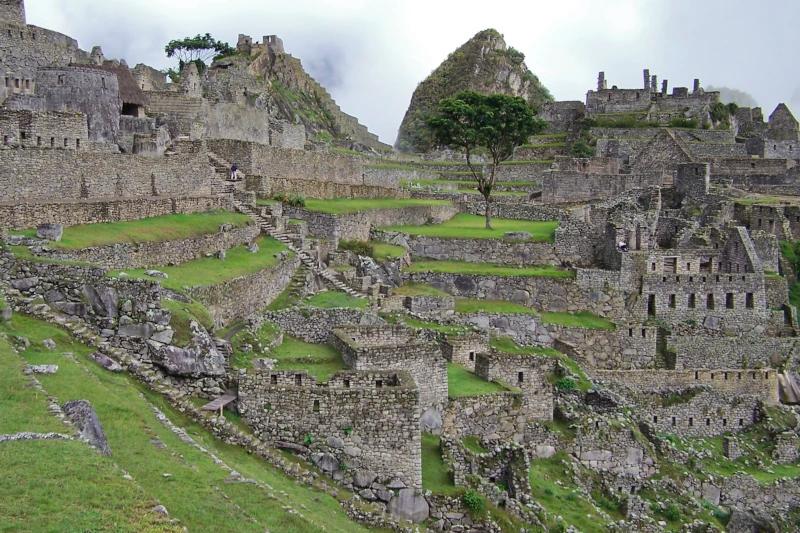
The original appearance of Machu Picchu is a testament to the Inca civilization’s extraordinary architectural prowess. As we explore the unique features and construction techniques that make this ancient city remarkable, we come closer to understanding what Machu Picchu originally looked like. Additionally, we can gain insight into the daily lives of the Inca people who lived there.

One of the most striking features at Machu Picchu is the Temple of the Sun, a semi-circular structure built around a large granite boulder. With its finely crafted stonework, this temple offers a glimpse into the religious and astronomical aspects of Inca culture. The alignment of the temple’s windows during solstices and equinoxes demonstrates their deep understanding of celestial events.

Huayna Picchu, a towering peak that looms over the city, is another distinctive feature of Machu Picchu. Originally home to the high priest, the steep climb to the top offers unparalleled views of the city below. The narrow stairways and precarious terraces on Huayna Picchu reveal the Incas’ ability to adapt their architecture to the challenging terrain. Furthermore, it’s a testament to their engineering and construction skills.

The intricate masonry of Machu Picchu is central to understanding what the site originally looked like. The Incas were known for their expert stone-cutting skills, fitting stones together so tightly that not even a blade of grass could pass between them. This mortarless construction technique, known as ashlar masonry, made the structures earthquake-resistant, a vital attribute in this seismically active region.

Another aspect that helps reveal what Machu Picchu originally looked like is the harmonious integration of the city with its natural surroundings. The Incas displayed great reverence for nature. Thus, they skillfully incorporated the site’s natural features such as rock formations and water sources into their architecture.

What did Machu Picchu originally look like?

Life in the clouds: Exploring the culture and daily activities of Inca society

It’s essential to delve into the culture and daily activities of the Inca society that inhabited this enigmatic city. This will help us understand what Machu Picchu originally looked like. By exploring their way of life, we gain a better appreciation of the historical context that shaped the city’s appearance.

In its prime, Machu Picchu was a bustling city, teeming with life and activity. It’s estimated that between 500 and 1,000 inhabitants lived within its walls. To imagine what Machu Picchu originally looked like, we must envision the city filled with people going about their daily tasks.

Agriculture was the backbone of the Inca economy, and terraced farming was a common sight in Machu Picchu. Crops such as corn, potatoes, and quinoa were grown on these terraces, providing sustenance for the population. Farmers employed sophisticated irrigation techniques, using gravity-fed canals to distribute water from mountain springs to the fields below.

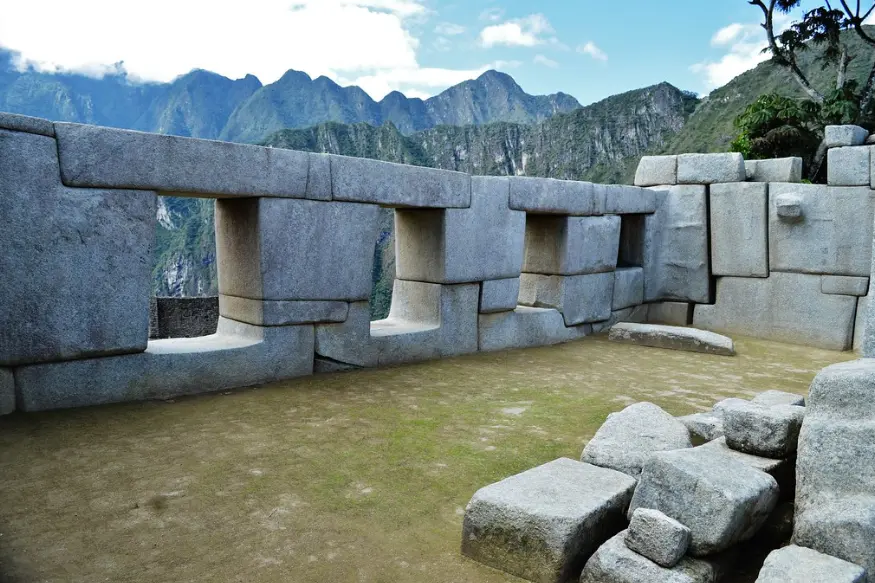
Religion played a significant role in Inca society, and Machu Picchu was no exception. Various temples, including the Temple of the Sun and the Temple of the Three Windows, were integral to the city’s religious life. Ceremonies, rituals, and offerings to the gods were regular occurrences that shaped what Machu Picchu originally looked like.

In addition to farming and religious activities, the inhabitants of Machu Picchu engaged in a variety of crafts and trades. Weavers produced colorful textiles, while metalworkers crafted intricate jewelry and tools. These skilled artisans contributed to the overall atmosphere of the city. Thus, we can paint a vivid picture of what this magnificent city in the clouds once looked like.

What did Machu Picchu originally look like?