Cusco Coffee: Exploring the Flavors of the Andean Highlands
Nestled amidst the Andean highlands, Cusco houses more than historic Inca sites. It’s a treasure trove of unique flavors. Among them, its coffee reigns supreme.
Growing at high altitudes, the coffee beans of Cusco boast distinctive taste profiles. The rich soil and cool climate create a delectable brew. Each sip promises a journey into the heart of the Andes.
In this article, we’ll delve into the captivating world of Cusco coffee. We will journey through its cultivation, preparation, and taste. Join us as we unravel the magic brewed in these highlands.
A journey through Cusco’s Coffee Heritage: From bean to brew
Cusco’s coffee heritage reflects its rich cultural history. Once an integral part of Inca Cuisine, it still enriches the flavors of Peru. Let’s embark on a journey from bean to brew.
In the heart of the Andes, Cusco coffee begins its journey. High-altitude farms produce the prized beans. The journey starts with selecting the ripest cherries.
Post-harvest, the coffee cherries undergo meticulous processing. The beans process is extraction, washing, and sun-drying. Every step is an art, requiring expertise and dedication.
Cusco coffee, unique in flavor, owes it to its environment. The mineral-rich Andean soil imparts a unique taste. The cool climate further intensifies its flavor profile.
Once the beans reach maturity, the roasting process commences. Local roasters use traditional methods. They carefully roast each batch to bring out its distinct flavor.
The resulting brew captures the essence of Cusco coffee. It offers a captivating blend of nutty and fruity notes. The medium acidity and subtle floral undertones are mesmerizing.
This flavorful coffee is not only a beverage in Cusco. It’s a tradition deeply rooted in the culture. Every sip is a tribute to the city’s heritage.
Cusco coffee is slowly making its mark in the international coffee landscape. Its unique taste offers a new perspective on the flavors of Peru.
Cusco coffee’s journey from bean to brew is a marvel. It’s a testament to the city’s dedication to quality and tradition. This journey embodies the soul of Cusco, in every cup.
The unique flavors of Cusco Coffee: Exploring Andean terroir
The Andean terroir plays a vital role in shaping Cusco Coffee’s unique flavors. It bestows the brew with a complexity that is hard to replicate. Let’s explore this marvelous terroir.
Cusco Coffee originates from the high-altitude farms in the Sacred Valley or Valle Inca. These elevations make the growing conditions extreme and peculiar for the grain. Yet, they contribute to developing unparalleled terms of flavor.
The cool Andean climate slows the coffee cherry’s maturation process. This extended ripening enriches the beans with intense flavors. It imparts a depth that sets Cusco Coffee apart.
The mineral-rich Andean soil is another crucial factor. Volcanic in nature, it nourishes the coffee plants, enhancing their flavors. This element of the terroir brings an earthy tone to Cusco Coffee.
Among the plant species grown here is the coca leaf. It contributes to biodiversity, benefiting coffee cultivation. The synergy between species adds to the flavor complexity.
Another aspect of Cusco Coffee’s flavor is its processing. Traditional methods ensure preservation of unique taste characteristics. This hands-on approach refines the flavors, capturing the essence of the Sacred Valley.
The end product is a coffee that showcases its origin. Cusco Coffee exudes notes of red fruit, coupled with a sweet finish. Its medium acidity and delicate floral hints provide a well-rounded taste experience.
Cusco Coffee is a reflection of its Andean terroir. The Sacred Valley’s altitude, soil, and climate shape its taste. The result is a coffee that offers a unique sensory journey.
Enjoying a cup of Cusco Coffee is like tasting the Andean highlands. It connects you to its origin, its people, and its culture. Cusco Coffee embodies the spirit of the Andes in every brew.
Coffee culture in Cusco: Cafés, rituals and sustainability
In the Cusco region, coffee is more than a beverage. It’s a culture, a way of life, steeped in tradition. This culture extends to cafés, rituals, and sustainable practices.
Cusco’s coffee culture thrives in its charming cafés. Here, coffee is a social event, a daily ritual. Locals and tourists alike enjoy the rich brew in communal warmth.
These cafés showcase the region’s coffee heritage. Each has a unique story to tell. They are custodians of the traditional coffee rituals.
Sustainability is a cornerstone of Cusco’s coffee culture. Farmers practice organic cultivation, protecting the region’s biodiversity. This commitment reflects in the coffee’s quality and taste.
Moreover, fair trade practices are gaining prominence. Farmers receive fair prices for their hard-earned produce. This ensures the coffee culture’s long-term viability.
Visiting Cusco offers a unique opportunity. One can not only taste the coffee but also experience its culture. Venture into the coffee farms or enjoy a cup at a local café.
Cusco’s coffee culture is a rich tapestry of tradition, rituals, and sustainability. It’s a testament to the region’s love for coffee. Delve into it to truly experience the essence of Cusco.
Cusco’s Chocolate Treasures: Tasting Cacao
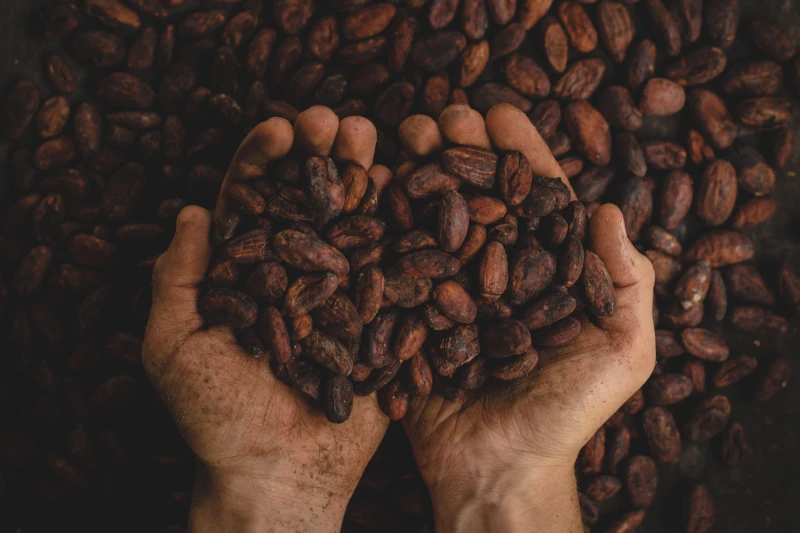
Nestled high in the Andes, Cusco boasts a rich history. Yet, many overlook its lesser-known treasure: Cusco’s Chocolate. This ancient city offers a unique chocolate experience.
The Sacred Valley nurtures cacao beans of exceptional quality. As a result, Cusco has birthed chocolate that’s truly divine. Join us as we delve into this tantalizing journey.
From farm to table, the cacao’s tale in Cusco is captivating. Every bite narrates a story of tradition and passion. Ready to embark on a sweet adventure?
Cusco, a city famed for its Incan ruins, has another gem: its chocolate. The cacao tree thrives in the region’s unique climate. This has allowed to evolve with a distinct flavor.
Peru as a Culinary Destination has always been on the shelf. It boasts a spectrum of dishes, drinks, and desserts. Cusco’s chocolate stands out even in this culinary haven. This chocolate is more than just a sweet treat.
It embodies centuries of cultivation, tradition, and passion. The cacao bean’s journey, from pod to chocolate bar, is fascinating.
Locals know the secrets behind Cusco’s chocolate prominence. They’ve mastered the art of harvesting and processing. This mastery ensures every bite is flavorful and rich.
But what’s chocolate without a companion? Enter Cusco Coffee. This aromatic brew pairs perfectly with Cusco’s chocolate.
Together, they offer an unparalleled sensory experience. The beans, both cacao and coffee, share the land’s essence.
Visitors to Cusco find more than historical landmarks. They discover a chocolate legacy that’s deeply rooted. Tours around cacao farms are a favorite.
They shed light on the entire chocolate-making process. From bean selection to tempering, it’s all laid bare.
Cusco’s chocolate is not just for tasting. Many local shops craft souvenirs infused with this delicacy. Think chocolate-infused teas or cacao-scented candles. The influence of Cusco’s chocolate goes beyond the palate.
In conclusion, Cusco offers an unforgettable chocolate adventure. The city intertwines its rich history with cacao mastery. Dive in and let Cusco’s chocolate tantalize your senses.
The art of Cusco Chocolate tasting: A sensory journey
Tasting Cusco’s chocolate is an art. More than just a nibble, it’s a profound sensory experience. This journey awakens all five senses.
Cusco’s chocolate bears a rich history. Its flavors transport you to ancient times. You feel the dedication of the artisans.
The visual allure is undeniable. Glistening dark browns and creamy hues entice the eyes. They whisper of the flavor intensity within.
Touching Cusco’s chocolate, you sense its smooth texture. It softly melts, leaving a velvety feel.
When you snap a piece, listen. Cusco’s chocolate produces a satisfying break. This sound indicates its quality and craftsmanship.
Now, bring it to your sense of nose. The aroma is a dance of complexities. Notes of fruits, nuts, and woods blend seamlessly. It’s a preview of the upcoming taste fiesta.
Finally, the tasting begins. Let the piece linger on your tongue. As it melts, layers of flavors unfold.
Some chocolates carry a hint of citrus. Others boast a deep earthy taste. Each is unique, just like a fingerprint.
Peruvian Gastronomy embraces this art of tasting. With every dish and drink, they engage the senses. And Cusco’s chocolate is no exception.
The Pisac Market showcases this chocolate diversity. Wander the stalls, and you’ll encounter Cusco’s chocolate galore. Some vendors even offer tasting sessions. They guide you in discerning different flavor profiles.
Pairing is another art form. Fresh fruits, local wines, and nuts complement Cusco’s chocolate beautifully. They elevate the tasting to another level.
In essence, tasting Cusco’s chocolate is enlightening. It offers a deep dive into the heart of Peruvian culture. So, the next time you savor a piece, embark on this sensory journey.
Discovering Cusco’s Chocolate makers: Masters of sweet alchemy
Cusco, with its Andean charm, offers more than ancient wonders. Hidden within its streets are masterful chocolate artisans. They transform cacao beans into delightful treats.
These artisans respect their craft deeply. To them, chocolate-making is not just a profession. It’s a passion, a calling.
Each cacao bean tells a story. From the sun-kissed farms to the bustling city workshops. The journey matters just as much as the destination.
The process begins with careful bean selection. Only the finest beans are for the products. They undergo meticulous fermentation and drying.
Roasting follows next. This step unlocks the bean’s potential. The aroma fills the air, promising delectable outcomes.
The grinding process reveals the chocolate’s texture. Silky smooth or rustic, every choice holds significance. The chocolate’s identity starts taking shape here.
Conching and tempering perfect this identity. Hours pass, as chocolate reaches its final form. Through patience and skill, the transformation completes.
The result? Cusco’s exquisitely crafted chocolates. Each bite contains the alchemy of tradition and innovation. You taste the expertise, the love.
But discovering these sweet alchemists offers another surprise. As you traverse Cusco’s cobbled streets and chocolate havens, there’s more to explore. The region beckons with other adventures.
Imagine walking ancient paths. The same ones the Incas trod centuries ago. Lush landscapes, historical sites, and breathtaking views await.
So, after indulging in Cusco’s chocolate wonders, step out. Embrace the mountains, the history. Merge the sweetness of chocolate with the majesty of the Andes.
Archaeology of the Inca Trail: Understanding the Ruins
The Inca Trail is a path steeped in history. It winds through the Andes, connecting various Inca ruins. Exploring it offers a glimpse into the past of the archaeology of the Inca Trail.
This blog post delves into the archaeology of the Inca Trail. We aim to understand the ruins along this ancient route. Each site tells a story of Inca civilization.
Our journey will cover key locations and their significance. From Machu Picchu to lesser-known ruins, we uncover their mysteries. Join us in exploring the remnants of Inca ingenuity along our Inca Trail Tour to Machu Picchu.
Unveiling the Secrets of the Past: A Deep Dive into the Inca Trail’s Archaeological Sites
The Inca Trail to Machu Picchu, an emblem of the Inca Empire’s grandeur, unveils a world frozen in time. Hiram Bingham brought it to global attention over a century ago. Yet, its mysteries continue to captivate archaeologists and adventurers alike.
The archaeology of the Inca Trail is not just a study; it’s a revelation of the Inca civilization’s brilliance. As we embark on this journey, we navigate through the difficult terrain that once connected an empire.
The Path to Discovery: Hiram Bingham and Machu Picchu
Hiram Bingham‘s 1911 expedition leads to the rediscovery of the citadel of Machu Picchu. This momentous find spotlighted the Inca Trail’s significance in archaeology. The trail to Machu Picchu, as rediscovered, offered a view of Machu Picchu unlike any other.
Bingham’s work laid the groundwork for understanding the Inca Empire’s reach and sophistication. It also underscored the importance of Inca roads in connecting the vast empire.
Engineering Marvels: Inca Roads and the Trail
The Inca roads were an engineering marvel of the 15th century. These roads spanned across the Andes, showcasing the Inca’s ingenuity. The trail to Machu Picchu is a testament to their skill in overcoming the Andes’ rugged landscape.
The archaeology of the Inca Trail reveals how these paths were more than mere transportation routes. They were lifelines, connecting cities, temples, and farmlands across the empire.
Sacred Sites Along the Trail
As we delve deeper into the history of the Inca Trail, we encounter numerous sacred sites. Each site, carefully placed along the trail, held spiritual significance for the Incas. These locations offered spaces for rituals and served as markers of celestial events.
Their placement and construction reflect a deep understanding of astronomy and geography. Exploring these sites offers insights into the spiritual life of the Inca civilization.
The Citadel of Machu Picchu: A Crowning Glory
The trail culminates at the iconic citadel of Machu Picchu. This site is the epitome of Inca architectural and engineering prowess. Perched high in the Andes, the view of Machu Picchu from the trail is breathtaking.
The citadel served as a royal estate, a religious retreat, and possibly an astronomical observatory. Its strategic location and design reveal much about Inca leadership and their connection to the divine.
Beyond Machu Picchu: Other Archaeological Gems
The archaeology of the Inca Trail extends beyond the well-known citadel. Lesser-known sites dot the trail, each with its own story. Sites like Wiñay Wayna and Phuyupatamarca are integral parts of the trail’s history.
These locations offer a glimpse into the everyday lives of the Inca people. They also highlight the trail’s role in facilitating communication and trade within the empire.
The archaeology of the Inca Trail offers a comprehensive view of the Inca Empire’s might. From the engineering feats of the Inca roads to the spiritual sites along the way, the trail is a living museum. It invites us to step back into the 15th century and walk the paths of the Incas.
As we explore this ancient trail, we not only uncover the secrets of the past but also gain a deeper appreciation for the ingenuity of the Inca civilization. The trail to Machu Picchu, with its breathtaking views and historical riches, remains a testament to the enduring legacy of the Inca Empire.
How High is Rainbow Mountain? Facts and Figures
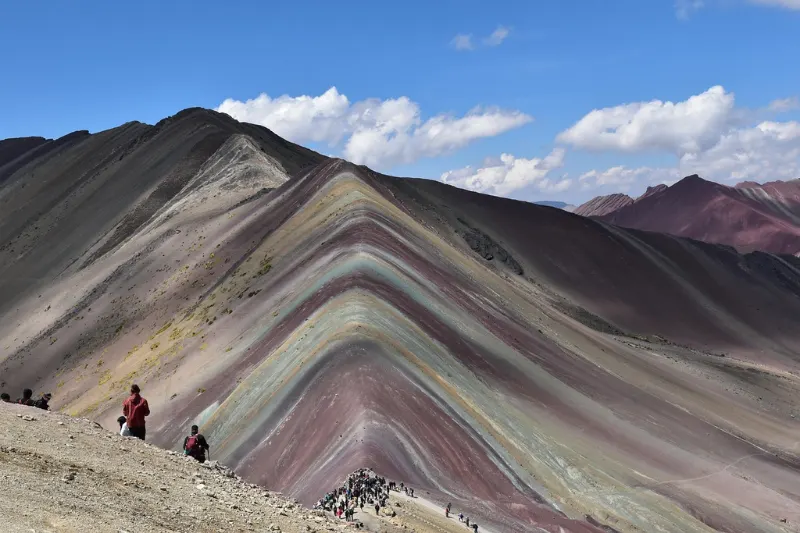
Rainbow Mountain, also known as Vinicunca, is a stunning natural wonder in Peru. Travelers often marvel at its vibrant colors and breathtaking views. But just how high is Rainbow Mountain?
The peak of Rainbow Mountain reaches an impressive elevation of 16 522 feet (5 036 meters) above sea level. This height contributes to its dramatic and striking landscape. It’s important to be prepared for high-altitude conditions when visiting.
Many visitors are curious about its altitude before planning their trip. Understanding its elevation helps in preparing for the hike. This guide will provide all the essential facts and figures about our Rainbow Mountain Tour.
Elevation of Rainbow Mountain: What You Need to Know
Rainbow Mountain, or Vinicunca, stands out as one of Peru’s most vibrant and unique landmarks. When asking how high is Rainbow Mountain, the answer reveals its impressive elevation of over 16,407 feet (5,000 meters) above sea level. Some may differ and may say that its altitude is 5,200 meters, however the current sign marks 5036 meters.
This colorful peak, located in the Peruvian Andes, attracts thousands of visitors each year. They visit Rainbow Mountain (Vinicunca) to be one with the mountain and the nature.
To reach this stunning mountain, you’ll start from the town of Cusco. The drive from Cusco to the trailhead takes about 3 hours. This journey winds through scenic landscapes and local communities, setting the stage for your hike.
Once you arrive at the trailhead, you’ll notice the Red Valley nearby. This area, known for its striking red soil, adds to the unique scenery of the hike. From here, you’ll start your trek towards Rainbow Mountain, surrounded by breathtaking views.
The Key Points of the Hike
The hike to Rainbow Mountain is divided into several key segments. The first part of the trail is a gradual ascent through picturesque landscapes. As you proceed, you’ll encounter expansive high-altitude grasslands.
After about 1.5 to 2 hours and 30 minutes of hiking, you’ll reach the middle section of the trail. This part offers increasingly panoramic views of the colored mountain. The vibrant hues of Rainbow Mountain become more visible as you gain altitude.
The final stretch of the hike is steeper and more challenging. This section brings you closer to the summit, where the iconic colors of the mountain are most vivid. Expect to see stunning vistas of the surrounding peaks and valleys.
Timing Your Visit
Understanding how high is Rainbow Mountain helps in planning the best time to visit. The dry season, from May to October, offers the most favorable conditions. During this period, the skies are clearer, and the trail is more accessible.
Wwe recommend hiking during the morning to avoid the midday crowds. Arriving early allows you to enjoy the beauty of Rainbow Mountain with fewer people around. The colors of the mountain are often more striking in the morning light.
Local Communities and Culture
Throughout the hike, you’ll pass through areas inhabited by local people. These communities maintain traditional lifestyles and offer insights into their culture. Respecting their customs and environment enriches your visit and supports local communities.
Local vendors along the trail provide snacks and refreshments. This is a great opportunity to sample local foods and drinks. Supporting these vendors helps sustain their way of life and adds to the experience of your journey.
Horse Ride Options
For those seeking a different experience, consider a horse ride option. Horses are available for rent near the trailhead and can help with the ascent. This option is popular among visitors who prefer a less strenuous approach to reaching the summit.
Riding a horse allows you to enjoy the scenery while conserving energy. It’s a comfortable alternative for those who may find the hike challenging. However, riding a horse doesn’t diminish the awe of seeing Rainbow Mountain up close.
Knowing how high is Rainbow Mountain enhances your preparation for the hike. The elevation of over 16,407 feet (5,000 meters) offers a challenging yet rewarding experience. Planning your visit during the dry season and considering horse ride options can make your journey even more enjoyable.
Altitude Impact: Preparing for the Height of Rainbow Mountain
Rainbow Mountain, or Vinicunca, is a breathtaking destination in the Peruvian Andes. But before you visit, it’s crucial to understand the altitude. So, how high is Rainbow Mountain? The peak stands at an impressive 16,407 feet above sea level minimum.
This significant elevation requires proper preparation. Higher altitudes can affect even experienced hikers. Understanding how to prepare will ensure you enjoy the journey to the fullest.
Preparing for the Hike
One of the best ways to prepare is by acclimatizing in Cusco. Spend a few days in Cusco to adjust to the higher altitude. This city sits at 11,152 feet, helping your body adapt gradually.
During this period, stay hydrated and avoid strenuous activities. Drinking plenty of water helps your body cope with the lack of oxygen. Eating light, high-carbohydrate meals also aids in acclimatization.
Consider drinking coca tea, a traditional remedy in the Andes. Locals believe coca tea helps reduce the effects of altitude sickness. You can find it easily in local markets and hotels in Cusco.
The Role of Coca Tea and Hydration
Coca tea is more than just a cultural experience. It can alleviate symptoms of high altitude, like headaches and nausea. Sipping coca tea throughout your stay in Cusco can make a noticeable difference.
Hydration plays a vital role in preparing for high altitudes. Aim to drink at least two to three liters of water daily. This helps your body manage the reduced oxygen levels effectively.
Avoid alcohol and caffeine as they can dehydrate you. Stick to water, herbal teas, and natural fruit juices. These drinks will keep you hydrated and energized for the hike.
Horse Riding: A Helpful Option
For those who find hiking challenging, horse riding is an excellent alternative. Horses are available for rent near the trailhead of Rainbow Mountain. Riding a horse can ease the physical strain of the ascent.
This option allows you to conserve energy and enjoy the scenery. It’s particularly useful if you’re not fully acclimatized. Horse riding provides a comfortable way to reach the summit.
Remember, horse riding doesn’t diminish the experience. You’ll still witness the stunning views and vibrant colors of Rainbow Mountain. Plus, it supports local communities who offer these services.
Practical Tips for the Hike
Dress in layers to adapt to changing weather conditions. The weather can shift quickly at higher altitudes. Layers allow you to adjust your clothing as needed.
Pack essentials like sunblock, sunglasses, and a hat. The sun can be intense at high altitudes, even on cloudy days. Protecting your skin and eyes is crucial for a comfortable hike.
Take breaks as needed during the hike. Listen to your body and rest if you feel tired. Short, frequent breaks help manage the physical demands of the climb.
Cultural Significance of Ausangate in Peru
Located in the middle of the Peruvian Andes, Ausangate shows the area’s deep history, culture, and natural beauty. This majestic mountain, the fifth highest in Peru, is more than just a geographical landmark. It’s a sacred entity, deeply woven into the fabric of Andean cosmology and Inca traditions.
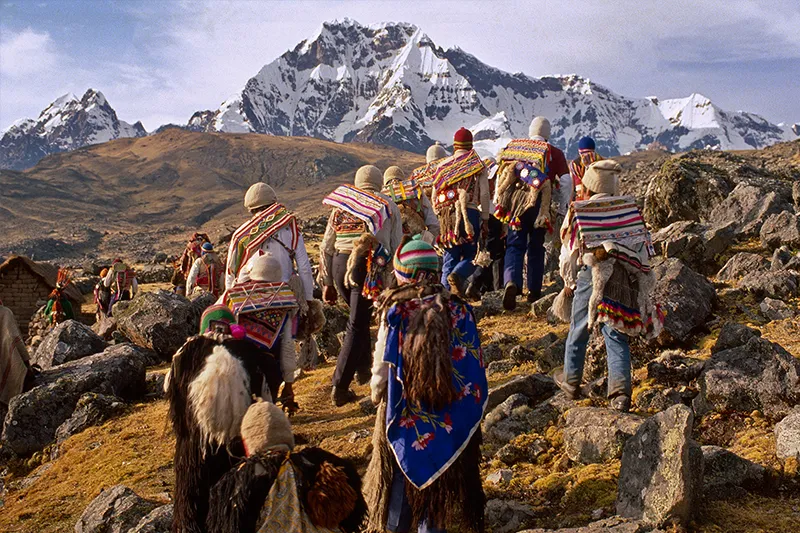
For the local Quechua communities, Ausangate Peru is revered as an “Apu” – a mountain spirit. It’s a symbol of life, prosperity, and spiritual connection. This spiritual significance extends to the Ausangate trek, a multi-day journey that circles the mountain. This trek is a pilgrimage, a path to spiritual awakening, and a gateway to the vibrant Andean culture.
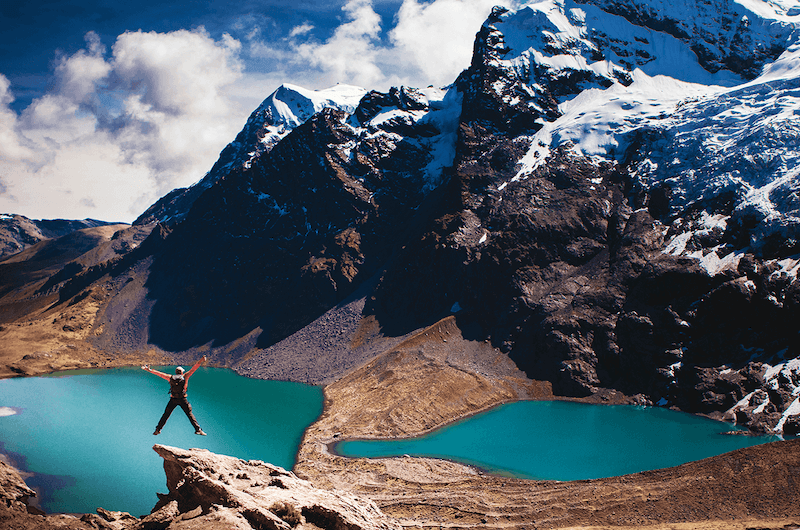
But the Ausangate trek is not just about the destination. It’s about the journey. The trek takes you through snow-capped peaks, glacial lakes, and verdant valleys. It offers glimpses of wildlife unique to the Andes. It’s a journey that immerses you in the breathtaking beauty of the natural world.
Yet, the true essence of Ausangate Peru lies in its people. The trek brings you face-to-face with the Quechua communities. These communities have preserved their traditional way of life, their customs, and their connection with the land. They are the custodians of Ausangate’s cultural heritage.
Exploring Ausangate Peru: A Journey of Culture, Heritage, and Responsible Tourism
The Ausangate trek is a testament to the resilience of these communities. It’s a journey that supports the local economy and promotes community-based tourism. This trek focuses on responsible tourism. It highlights the importance of protecting the natural and cultural heritage of Ausangate.
This article aims to take you on a virtual journey to Ausangate. It seeks to unravel the cultural significance of this sacred mountain and its surrounding region. It aims to provide a comprehensive guide to the Ausangate trek, offering practical tips, historical context, and cultural insights.
Whether you’re an aspiring travel blogger, a travel agency owner, or a history and culture enthusiast, this article is for you. It’s a resource designed to deepen your understanding of Ausangate and inspire you to embark on your own journey.
So, let’s begin our journey. Let’s explore the cultural significance of Ausangate in Peru. We will delve into the history, the traditions, and the natural beauty that make Ausangate a destination like no other. Let’s discover the stories that Ausangate has to tell.
Ausangate Peru: The Sacred Mountain of the Andes
Ausangate holds a revered position in the tapestry of Andean cosmology. This majestic peak is not just an imposing natural wonder; it’s a spiritual pillar for the indigenous people. Its towering presence has inspired awe and reverence through the ages, serving as a vital spiritual axis.
In Andean cosmology, mountains are much more than mere landforms. They are “Apus,” or deities, whose spirits wield significant influence over human life. Ausangate, as an Apu, is a guardian and provider. It presides over the harmony of the natural world and the prosperity of those living in its shadow.
The concept of Apu in Quechua culture is profound. Mountains like Ausangate are regarded as living ancestors. The Quechua people offer their respect and homage through rituals and ceremonies. These traditions have been passed down through generations, each reinforcing their sacred bond with the Apu.
During these rituals, offerings known as “despachos” are made to honor Ausangate. These offerings include natural elements like coca leaves, symbolic of the reciprocity between people and the mountain. This bond underscores the deep spiritual symbiosis that is central to Quechua life.
Ausangate: A Sacred Symbol of Andean Culture, Myth, and Spiritual Resilience
Ausangate’s significance extends beyond the Quechua culture to Inca mythology. The Incas, with their advanced understanding of astronomy and agriculture, revered mountains as divine ancestors. They believed that Ausangate possessed a spiritual power that could bless the lands with abundance.
Mythological narratives often depict Ausangate as a benevolent figure in their pantheon. The stories emphasize themes of stewardship and interconnectedness. Such myths connect the physical and spiritual realms, grounding them in the daily lives of the Andean people.
These cultural narratives have shaped the collective identity of the region. They inform practices and beliefs that continue to thrive today. As a spiritual beacon, Ausangate bridges the ancient and modern worlds, linking past traditions with contemporary life.
While standing at 6,384 meters, Ausangate is more than its physical height. It is a symbol of spiritual elevation and cultural resilience. Its sacredness endures, reflecting the cultural heritage and spirituality of the Andean people. The mountain remains a testament to the enduring connection between nature, spirit, and culture.
The Ausangate Trek: A Journey Through Time and Culture
Embarking on the Ausangate trek is embarking on a journey that traverses both spectacular landscapes and centuries of cultural heritage. This multi-day hike around the sacred mountain Ausangate offers adventurers a profound connection to one of the most revered sites in the Andes. It’s a trek that beckons to those who seek more than just the beauty of nature, offering an immersion into an ancient world.
The Ausangate trek is renowned for its cultural depth as much as its natural beauty. It is an opportunity to step into the footsteps of the Andean peoples and to experience the land and life as they have known it for generations. The trail carves through vibrant landscapes of vivid turquoise lakes, sweeping glaciers, and lush Andean pastures, each path weaving a story of the earth’s powerful energy that the mountain embodies.
For those exploring this region, the trek is a vivid tapestry of living Andean culture. Throughout the journey, trekkers encounter Quechua communities whose way of life remains deeply connected to traditions that are centuries old. Engaging with these communities offers invaluable insight into daily practices and belief systems that revolve around respect for the land and its ancient spirits.
Qoyllur Rit’i: A Sacred Celebration of Andean Culture and Spirituality
A unique aspect of the trek is the opportunity to witness the Qoyllur Rit’i festival, an event that draws pilgrims from all across the Andes. This festival is a vibrant celebration held annually near Ausangate, signifying a fusion of Indigenous and Christian faiths. It is deeply rooted in myth and spirituality, offering a fascinating glimpse into how history and identity intertwine.
People at the Qoyllur Rit’i festival take part in rituals with traditional dances and music. The sounds fill the air and echo through the mountains. The event symbolizes a cultural convergence, uniting communities in gratitude and celebration. Rituals performed during the festival reflect the harmony and balance sought by the Andean people with their natural surroundings.
A Checklist for the Ausangate Trek:
High-altitude acclimatization: Ensure proper time to adjust.
Cultural preparation: Learn about local customs and etiquette.
Trekking essentials: Pack gear suitable for cold, rugged terrain.
Health precautions: Be prepared for altitude sickness.
Local engagement: Respectfully interact with Quechua communities.
The trek offers not only interaction with living culture but a personal journey as well. Trekkers often find the experience transformative, with the austere beauty of the Ausangate region fostering a deeper appreciation for life away from the distractions of modern civilization. This voyage can lead to heightened self-awareness and an enduring respect for indigenous heritage.
One can’t help but reflect on the powerful spiritual connection that the trek inspires. The trails around Ausangate echo with the whispers of ancient wisdom and the enduring whispers of the Quechua culture. Experiencing this trek is not just about physical endurance; it is about opening one’s spirit to the lessons held by the mountains.
Each step on the trail nudges trekkers a little further into introspection and awe, as the unique landscapes unfold stories rooted in the past and rich with meaning. The trek helps to illustrate the significance of Ausangate beyond its natural grandeur, emphasizing it as a keeper of culture and spirit.
The Ausangate trek is a reminder that travel is far more than reaching a destination. It is about connecting with the world in ways that foster understanding and respect. By walking these trails, visitors forge their own link in a chain of human experience that extends backward for millennia, merging with the histories of the great and sacred Ausangate.
Preparing for the Ausangate Trek: Practical Tips and Cultural Insights
Venturing into the heights of Ausangate requires both physical preparation and cultural mindfulness. At elevations reaching over 6,000 meters, acclimatization becomes vital. The body needs to adjust to thinner oxygen levels to avoid altitude sickness. Start by spending a few days in nearby high-altitude towns like Cusco. This gradual exposure helps the body acclimate.
Altitude sickness can manifest as headaches, nausea, or fatigue. Staying hydrated, eating light meals, and moving at a steady pace are key preventative measures. Listen to your body, and if symptoms persist, descent is crucial. Always carry altitude sickness medication as a precaution.
Packing the right gear is essential for the high-altitude trek. Weather conditions are unpredictable, and temperatures can drop significantly. A well-insulated sleeping bag and waterproof layers are indispensable. Sturdy trekking boots with good ankle support are a must for the rugged terrain.
Essential Gear Checklist:
Warm, layered clothing
Waterproof jacket and pants
High-calorie snacks for energy
Sunglasses and sunscreen for UV protection
Reusable water bottles for hydration
Trekking poles for balance
First aid kit, including altitude sickness medicine
Understanding and respecting the cultural landscape is as important as the physical preparation. The Quechua people, who live around Ausangate, hold their traditions deeply. Engage with these communities respectfully. Always seek permission before photographing individuals or religious ceremonies.
A few phrases in Quechua can go a long way in building rapport. Simple greetings and expressions of gratitude reflect a willingness to engage with their rich heritage. Showing appreciation for local customs enhances interactions and enriches the travel experience.
Part of respectful tourism involves supporting local economies. Choose to hire local guides and purchase goods directly from artisans. This support helps preserve cultural traditions and fosters community development. It also provides trekkers with authentic insights into Quechua life and lore.
Mindfulness regarding environmental impact is crucial. Leave no trace by disposing of waste correctly and avoiding disturbing wildlife. Honor the spiritual significance of the land by treading lightly. Respect sacred sites and follow the guidance of local leaders to maintain their sanctity.
Preparing for the trek is about more than assembling gear. It’s about approaching the journey with humility and an open heart. Ausangate Peru offers an unparalleled combination of natural wonder and cultural depth, and preparing well ensures you take nothing but memories, and leave nothing but footprints.
Responsible Tourism: Preserving Ausangate’s Natural and Cultural Heritage
Tourism can be a double-edged sword for places like Ausangate. Visitors bring economic benefits but can also strain the environment and disrupt local life. Responsible tourism aims to strike a balance. It promotes interaction that benefits the community and sustains natural resources.
The delicate ecosystems around Ausangate Peru face threats from increased foot traffic. Trails can suffer erosion, and litter can spoil the pristine environment. Visitors must tread carefully to maintain the beauty of these landscapes. Carry reusable containers and pack out all waste to help minimize impact.
Sustainable practices also involve how we engage with local cultures. Supporting indigenous communities through respectful cultural exchanges is vital. Hiring local guides not only enriches the experience with authentic insights but also provides livelihoods. It’s essential to respect cultural traditions and participate in them as observers, not disruptors.
Eco-friendly travel habits can be adopted by choosing accommodations that follow sustainable practices. Many lodges in the area are now built with eco-friendly materials and employ energy-efficient systems. These choices support conservation and reflect a commitment to protecting the environment.
Ways to Support Responsible Tourism:
Choose eco-friendly accommodations
Hire local guides and support community enterprises
Practice leave-no-trace principles
Reduce waste by using reusable items
Engage in cultural experiences respectfully
Purchase locally made crafts and goods
Community-based tourism is a model that ensures direct benefits to local people. It encourages tourists to engage with the community through homestays or workshops in traditional skills. These interactions not only preserve culture but also provide authentic experiences for visitors.
By focusing on community-based activities, you contribute to cultural preservation. This form of tourism enables the Quechua people to share their stories and skills. It ensures that tourism proceeds are reinvested locally, fostering economic resilience.
As climate change impacts regional weather patterns, preserving the environment becomes crucial. Tourism has a role to play in fostering awareness and prompting conservation efforts. Travelers can advocate for more sustainable practices by choosing eco-conscious tour operators.
The survival of Ausangate’s cultural and natural heritage depends on our collective efforts. When we visit responsibly, we show respect for the mountain gods and make sure future generations can enjoy this amazing place too.
Understanding the depth of commitment required for responsible tourism empowers us to become stewards of the lands we visit.
The Ausangate Peru Experience: Wildlife, Landscapes, and Local Communities
The Ausangate region is a sanctuary of diverse natural life. As you trek, expect encounters with unique flora and fauna. Lush Andean grasslands and hardy alpine plants dominate the landscape. These plants are essential to the survival of local wildlife.
Among the most enchanting wildlife are the herds of vicuñas and alpacas. Their presence adds life to the stark terrain. These graceful creatures graze peacefully, lending a pastoral charm to the hillsides. Observing them in their natural habitat is a delight for any nature enthusiast.
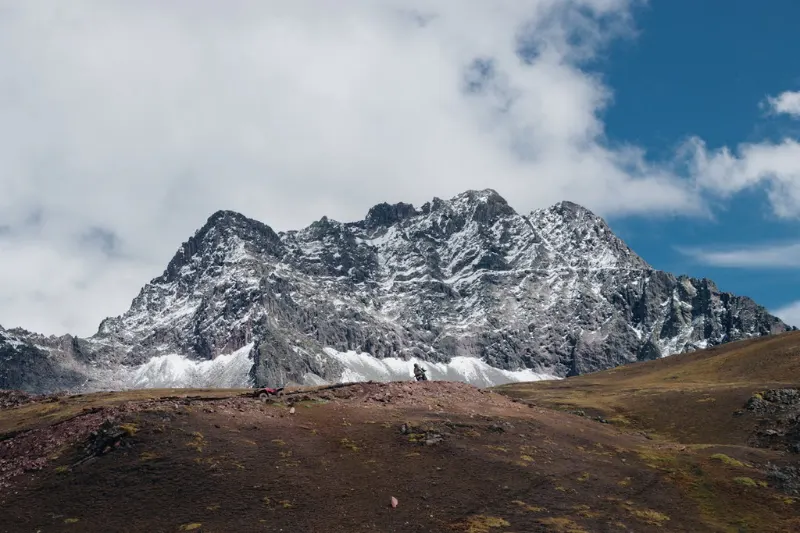
The landscapes of Ausangate are nothing short of spectacular. Snow-capped peaks pierce the sky, providing a dramatic backdrop. These towering giants are both beautiful and imposing. Visitors often find themselves awestruck by their majesty.
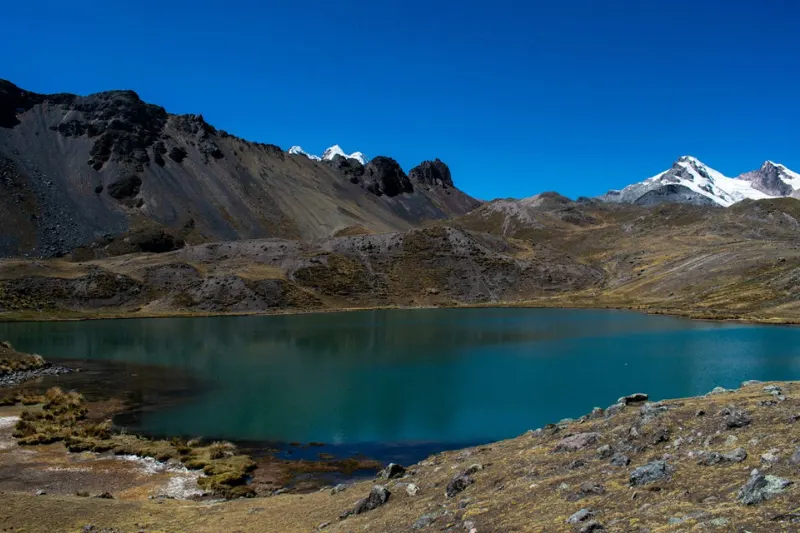
Glacial lakes shimmer like jewels nestled in the mountains. Their turquoise waters reflect the sky, creating a tranquil scene. Each lake holds a piece of the region’s mystical allure. They offer perfect spots for quiet contemplation.
Highlights of the Ausangate Experience
Encounter herds of vicuñas and alpacas
Explore diverse Andean plant life
Experience breathtaking views of snow-capped peaks
Enjoy serene moments by glacial lakes
The Quechua communities living near Ausangate offer enriching cultural insights. Their daily lives are deeply intertwined with the land. Many Quechua people rely on traditional practices for their livelihood. Engaging with them offers a glimpse into their resilient way of life.
Traditional Andean weaving is a skill passed through generations. The intricate textiles reflect an ancient art form. Visitors can learn about the process and its cultural significance. Participating in a weaving workshop can be a profound experience.
Quechua customs and festivals add vibrant color to the region. These events are opportunities to witness dances, music, and rituals steeped in history. Understanding the significance of these practices enriches the trek. It heightens awareness of the deep cultural roots that define the area.
Experiencing Ausangate means embracing both its natural and human stories. The connection between landscape and culture is inseparable here. Visitors leave with a sense of having touched something timeless and extraordinary. This journey offers much more than scenic beauty; it’s an exploration of cultural depth.
Spiritual Significance and Personal Reflections on the Ausangate Trek
The Ausangate trek is more than just a physical journey. For many, it is a path to spiritual awakening. The mountain itself is revered as a sacred “Apu.” This status bestows a profound sense of place and meaning.
Trekking around Ausangate Peru invites introspection. The serene beauty and vast landscapes offer a canvas for reflection. Each step in this sacred terrain can bring emotional clarity. The solitude of the mountains helps open one’s mind and heart.
Many trekkers find themselves connecting with something greater. Whether it is the echo of ancient spirits or the whisper of the wind, the experience is grounding. The journey is often described as humbling and deeply rewarding.
Personal growth is a natural outcome of such an experience. The challenges faced on the trek mirror life’s obstacles. Overcoming them instills resilience and self-awareness. Trekkers may find new perspectives on familiar issues by journey’s end.
Throughout the expedition, nature plays a pivotal role in personal transformation. Witnessing the sunrise over snow-laden peaks or feeling the chill of glacial winds brings the raw power of nature to the forefront. Such encounters foster a deep respect for the environment and its fragile beauty.
In addition to its scenic allure, the Ausangate region invites a sense of connectedness. It transcends physical adventure and touches the soul. Here, the blend of spirituality, culture, and nature grants each visitor a unique and transformative travel experience. The mountains teach patience, humility, and gratitude, leaving an indelible mark on those who dare to explore its trails.
Crafting Engaging Travel Narratives: Tips for Aspiring Travel Bloggers
Capturing the essence of the Ausangate trek requires more than listing facts. Effective storytelling breathes life into your narrative. Start by painting vivid images with your words. Describe the feel of the crisp mountain air or the sight of the first morning light on snow-covered peaks.
Immersive content places readers within the scene. Use sensory details to draw them in. Let them hear the distant call of a condor or the crunch of fresh snow underfoot. These details create an emotional connection between your audience and the story.
Personal anecdotes are powerful tools for engaging readers. Share your unique experiences and what they meant to you. Whether it’s a moment of awe or a challenge you overcame, these stories humanize your narrative. They allow readers to connect with your journey on a personal level.
Photography complements your writing beautifully. It can capture a moment that words may struggle to convey. Use images to highlight key aspects of your trek. Perhaps the vibrant hues of Rainbow Mountain or the quiet beauty of a glacial lake can inspire future travelers.
A strong narrative arc keeps readers engaged from start to finish. Begin with a compelling introduction, build through your experiences, and conclude with reflection. This structure adds cohesion to your story, guiding readers through your adventure seamlessly.
In crafting engaging content, remember authenticity is key. Let your voice shine through the narrative, offering real insights and emotions. This honesty fosters trust with your readers and enhances the impact of your story. By creating rich and authentic content, you’ll inspire others to embark on their own unforgettable Ausangate adventure.
For Travel Agencies: Marketing the Unique Ausangate Experience
Creating compelling travel packages for Ausangate is key to attracting adventure seekers. Focus on the trek’s unique features, such as its breathtaking landscapes and cultural richness. Highlight the allure of exploring less-traveled paths and engaging with local communities.
To effectively market these packages, communicate the value of cultural and responsible travel experiences. Emphasize how an Ausangate journey offers not just adventure, but a meaningful connection with Andean traditions. Share the importance of preserving the region’s natural and cultural heritage through sustainable tourism practices.
Testimonials from past travelers can be a powerful marketing tool. Authentic stories of personal transformation and discovery resonate with potential clients. Consider featuring these testimonials in promotional materials, providing a window into the rich experiences awaiting future trekkers.
Authentic narratives help differentiate your offerings in a crowded market. Use storytelling to create an emotional connection with prospective travelers. Share stories of unique encounters, awe-inspiring moments, and the profound beauty of the region. These stories convey the essence of the Ausangate experience.
Marketing Ausangate Peru: Inspiring Adventure Through Storytelling and Digital Engagement
Social media and digital platforms can amplify your message. Engage audiences with visually compelling content, such as picturesque photos and video snippets of the trek. This approach helps potential clients visualize themselves on the journey, igniting their curiosity and desire to explore.
Ultimately, successful marketing is about inspiring potential travelers to embark on their own journey. By creating travel packages that focus on culture, responsibility, and authenticity, you draw in adventure seekers and build a shared sense of purpose.
Engage them with stories that linger, inviting them to become part of Ausangate’s enduring legacy.
Conclusion: The Enduring Allure of Ausangate Peru
Ausangate Peru stands as a beacon of cultural and historical significance in Peru. Its role as a sacred mountain and an “Apu” in Andean cosmology is deeply revered. The stories and traditions of the Quechua people resonate through its peaks and valleys.
Embracing responsible travel ensures that Ausangate’s legacy continues to thrive. Mindful interaction with the environment and communities helps preserve its pristine beauty and cultural heritage. Travelers become stewards of this unique landscape.
The experiences offered by Ausangate Peru are both enriching and enlightening. Trekkers gain insights into ancient traditions while navigating breathtaking landscapes. It is a journey that challenges the body and uplifts the spirit.
Ultimately, Ausangate’s draw lies in its ability to connect travelers with nature and culture. It is a destination where personal growth and reflection are as abundant as the stunning vistas. The mountain’s enduring allure invites explorers to witness its splendor firsthand.
Call to Action
Now is the perfect time to plan your own Ausangate adventure. Whether you’re an avid trekker or a cultural enthusiast, the mountain promises unforgettable experiences. Dive into its rich history, vibrant cultures, and awe-inspiring vistas.
We invite those who have experienced Ausangate to share their stories with us. Your reflections and insights are valuable in inspiring others. Together, let’s celebrate the magic and significance of this incredible Peruvian wonder.
Exploring the Enigmatic and Powerful Moray Terraces Peru
The Moray Terraces Peru are an enduring symbol of the Inca’s sophisticated understanding of agriculture and ecology. Each terrace represents a unique microcosm. They demonstrate the Incas’ ability to manipulate their surroundings to meet their needs. Visiting Moray is akin to stepping into a living museum where the past comes alive. It offers insights into how ancient societies thrived in harmony with nature. It’s a reminder of the timelessness of human innovation and the impact of cultural legacy on modern society.
The Enigma of Moray Peru
The Moray Terraces are a collection of circular agricultural terraces that descend into the earth in concentric circles. They resemble a giant amphitheater carved into the ground. The site comprises three large natural depressions. The largest one reaching a depth of about 30 meters. These terraces were ingeniously crafted by the Incas to create diverse microclimates, allowing for the cultivation of a wide variety of crops. The design is both aesthetically pleasing and functionally advanced. They represent a perfect balance between form and function.
The terraces’ circular design has intrigued historians and archaeologists for decades. It’s believed that the layout was not only practical but also held spiritual significance, possibly representing the Inca’s cosmological beliefs. The precision with which these terraces were constructed suggests that they were of great importance, serving as a focal point for both agricultural and ceremonial activities. The enigmatic nature of Moray continues to inspire research and debate. Scholars strive to unravel the mysteries of this ancient wonder.
Historical Significance of Moray Terraces Peru
The Incas were masterful engineers, and the Moray Terraces stand as a testament to their remarkable agricultural prowess. Each terrace was constructed with a different soil type, ensuring optimal growing conditions for each crop. The temperature difference between the top and bottom terraces can be as much as 15 degrees Celsius, a feature that allowed the Incas to experiment with different crops and enhance their agricultural techniques. This sophisticated method of climate control provided a year-round growing season, crucial for sustaining a large empire.
The purpose of these terraces remains a subject of intrigue and speculation. Some experts believe they served as an agricultural research station, where the Incas could study the effects of different climatic conditions on crops. Others suggest that Moray was a ceremonial center, a place where agricultural rituals and offerings were performed to ensure bountiful harvests. The terraces may have also played a role in teaching and training new generations of farmers, reflecting the Incas’ deep commitment to agricultural excellence and sustainability.
The Journey to Moray Cusco
Located just 50 kilometers from Cusco, the journey to Moray is an adventure in itself. As you leave the bustling city behind, the road winds through the picturesque landscapes of the Sacred Valley, offering glimpses of snow-capped mountains, lush fields, and quaint villages. The drive takes you through the heart of Peru’s Andean region, where the air is crisp and the scenery is nothing short of spectacular. Along the way, you’ll encounter vibrant local culture and traditions, adding layers of richness to your journey.
For those seeking a more immersive experience, hiking to Moray is an option worth considering. The trek takes you through winding trails, past vibrant fields and serene highland meadows, eventually leading you to the terraces themselves. This route allows for a deeper connection with the landscape, offering a chance to appreciate the stunning vistas and the tranquility of the Andean countryside. The hike also provides an opportunity to observe the diverse flora and fauna of the region, enhancing your understanding of the environmental context in which the Incas operated.
Exploring the Moray Terraces Peru
Upon arriving at Moray, the sheer scale and precision of the terraces is awe-inspiring. Descending into the circular depressions, you can almost feel the echoes of ancient footsteps, as if the past is just a whisper away. Each terrace is a marvel of engineering, with stone retaining walls and intricate drainage systems that have withstood the test of time. The craftsmanship on display speaks volumes about the Incas’ understanding of both structural integrity and agricultural efficiency.
The terraces invite exploration and contemplation. Walking among them, you can ponder the lives of those who once labored here, their hands shaping the land in a dance of innovation and tradition. Each step down into the terraces is a step back in time, offering a tangible connection to the ingenuity and resilience of the Inca civilization. The site encourages visitors to reflect on the universal human quest for progress and adaptation, resonating with lessons that remain relevant today.
Practical Tips for Visitors
Best Time to Visit: The dry season, from May to September, is ideal for visiting Moray. The weather is pleasant, and the trails are less muddy, allowing for a more comfortable exploration of the site. During this time, the clear skies provide excellent visibility, enhancing the panoramic views of the Sacred Valley.
What to Bring: Given the high altitude, it’s essential to carry plenty of water, sunscreen, and a hat to protect yourself from the sun. Comfortable walking shoes are also a must, especially if you plan to hike. A camera or smartphone is recommended to capture the stunning vistas and intricate details of the terraces.
Guided Tours: Hiring a local guide can enrich your experience, offering insights into the history and significance of the terraces, as well as the surrounding landscape. Guides can also share stories and legends associated with Moray, providing a more nuanced understanding of its cultural and spiritual dimensions.
The Surrounding Attractions
Moray is just one of many fascinating sites in the Sacred Valley. Nearby, you’ll find the Salinas de Maras. It is a stunning array of salt pans cascading down the mountainside. These salt mines, dating back to pre-Inca times, are still in use today. They offer a glimpse into the region’s rich history and traditions. The sight of thousands of glistening salt ponds is both visually striking and historically intriguing. They reflect a legacy of resourcefulness and adaptation.
The charming town of Ollantaytambo is also worth a visit, with its well-preserved Inca ruins and cobblestone streets. As one of the few remaining Inca towns, it provides a unique perspective on ancient urban planning and architecture. The town’s strategic location and formidable fortress demonstrate the Incas’ military acumen and their ability to integrate natural features into their defensive strategies. Exploring Ollantaytambo allows visitors to experience the vibrant intersection of past and present.
Embracing the Culture
No visit to Moray and the Sacred Valley is complete without experiencing the vibrant local culture. The Andean communities are known for their warm hospitality. Visitors are often welcomed with open arms. Take the time to explore local markets, where you can find beautifully crafted textiles, traditional pottery, and other artisanal treasures. Engaging with the locals offers a deeper understanding of the region’s cultural heritage and traditions.
Participating in cultural events and festivals can further enhance your experience. These gatherings often feature traditional music, dance, and culinary delights, providing a window into the soul of Andean culture. By embracing these experiences, visitors can forge meaningful connections with the people and their stories, enriching their journey through the Sacred Valley. The cultural tapestry of the region is as intricate and colorful as its landscapes, offering endless opportunities for exploration and discovery.
Conclusion
Exploring the ancient Moray Terraces Peru is a journey through time. They offer a glimpse into the brilliance of Inca civilization. The combination of stunning landscapes, rich history, and cultural immersion makes Moray a must-visit destination for any adventurer or history enthusiast. Whether you’re marveling at the engineering feats of the terraces or soaking in the breathtaking views of the Sacred Valley, a visit to Moray promises an unforgettable experience. It is a place where the echoes of the past meet the present. They create a timeless dialogue that speaks to the enduring nature of human achievement.
As you stand amidst these ancient formations, you can’t help but feel a profound connection to the past and a renewed appreciation for the ingenuity of those who came before us. Embrace the adventure, and let the mysteries of Moray inspire your own journey. The lessons embedded in the terraces are a testament to the enduring power of human creativity, resilience, and respect for the natural world, offering inspiration for future generations to cherish and learn from.
Inca Trail in April
Hiking the Inca Trail in April
Hiking the Inca Trail to Machu Picchu is a dream adventure for many travellers. If you’re planning this trek in April, you’re choosing a smart time: a sweet spot between the rainy season and the full dry season. In this guide you’ll discover everything you need to know: weather, trail conditions, logistics, pros and cons, tips, and key preparation for the Inca Trail in April.
Why April Could Be One of the Best Months
April is often described as a transition month—the heavy rains of the earlier months are tapering off, and the dry season is about to begin. The vegetation is still lush and green, skies start clearing up more often, and though there may be rain, it’s much less intense than in the peak wet months. Also, crowds haven’t peaked yet, so it can be a smarter, more relaxed time to go.
Weather & Trail Conditions in April
Rain and humidity
In April, rainfall drops notably compared to January-March. Though you may still encounter light showers, they tend to be less frequent and less dramatic. The trail is coming out of its rainy phase, meaning fewer muddy stretches (though some remain) and more opportunities for clearer views.
Temperature
Daytime temperatures on the trail in April tend to hover around 18-20 °C (64-68 °F) in lower sections, while higher camps and mountain passes will feel colder, especially at dawn or night (down to approximately 0-5 °C / 32-41 °F). The key: expect variability.
Trail surface & visibility
Because April follows the rains, the landscape is vibrant green, which is great for photos and atmosphere. However, because the ground has been wet for months, some trail sections may still be muddy or slippery. Visibility tends to be better compared to peak rainy months, but fog and clouds are still possible especially early morning.
Permit availability
April is ahead of the very peak months (June-August), so you may find slightly better permit availability—but that doesn’t mean we can wait until last minute. The Inca Trail is still highly popular and the limited permits fill up fast.
[tour_ad id=”6055″]
Advantages of Trekking the Inca Trail in April
Lush landscapes: The trail will be freshly green and alive from the recent rains.
Better weather balance: Less rain than earlier months and cooler than peak dry season.
Less crowded: Not quite low season, but still fewer hikers than the busiest months.
Good visual conditions: With fewer heavy storms, you may enjoy more clear views and sunrise opportunities.
Premature dry season benefit: You’re entering a period where the trail becomes drier and more stable.
Disadvantages & Things to Consider
Residual wetness: Some parts of the trek may still be wet, muddy, or slippery.
Rain risk remains: Occasional rain is still part of the game—so gear must be waterproof.
Temperature swings: Warm days may be followed by very cold nights or dawns—especially at high camps.
Permit competition rising: As word spreads that April is great, the demand increases—book early.
Altitude challenge: Regardless of month, the altitude remains a key factor—prepare accordingly.
Packing & Preparation Tips for April
Waterproof jacket and pants; good boots with grip for damp/muddy sections.
Sleeping bag rated to at least 0 °C (32 °F) for high camps.
Trekking poles—helpful in slippery terrain.
Sun protection: even if cloudy, UV still strong at altitude.
Gloves, beanie for early mornings/cold nights.
Backpack rain cover and plastic liners for electronics.
Arrive in Cusco 1-2 days ahead to adjust to altitude.
Ensure your tour operator is properly licensed with good camping equipment—wet season residues demand gear quality.
How to Choose April vs Other Months
When April works well
You want a mix of good weather and fewer crowds.
You don’t mind bringing rain gear and dealing with some residual wet trail.
You want fresh green landscapes and clear morning views.
When you might pick another month
If you want the driest possible trail with minimal risk of rain, you might choose May or later.
If you prefer the absolute lowest cost and can tolerate more weather risk, very early (March) is possible—though more rain.
If you want the earliest clear skies and are fine with more people, June/July are peak—but they bring crowds and colder nights.
Frequently Asked Questions (FAQ)
Is the Inca Trail closed in April?
No. The trail closes in February for maintenance. In April it’s fully open.
Do I need to worry about altitude?
Yes. The highest point crosses ~4,200 m. Acclimatise in Cusco or the Sacred Valley before starting.
How far ahead should I book permits?
Even in April you should book months ahead. Demand is high and spots fill fast.
Will it rain every day in April?
No—rain is less frequent than earlier months, but occasional showers remain possible.
Trekking the Inca Trail in April offers a nearly ideal blend of lush scenery, improving weather conditions and fewer crowds. If you book early, pack wisely, and acclimatise properly, you’re setting yourself up for one of the most memorable treks in Peru.
While you must still prepare for rain, altitude and variable temperatures, the payoff is significant: vivid green landscapes, clearer skies, and the magic of Machu Picchu along one of history’s most iconic trails.
Ausangate vs Salkantay Trek: Which Adventure Suits You Best
Embarking on a trek through the Andes is an adventure that marries breathtaking landscapes with rich cultural history. Peru, a country teeming with natural wonders and ancient legacies, offers two of the most popular trekking routes: the Ausangate Trek vs Salkantay Trek.
Each trail presents unique experiences tailored for adventure seekers and cultural enthusiasts alike. However, the choice between them isn’t always straightforward. To guide your decision, let’s explore each trek in detail and diving into their elevation. Taking the chance to meet it’s cultural significance, and natural beauty to help you make an informed choice.
Comparing High-Altitude Challenges
Both the Ausangate and Salkantay treks navigate high-altitude terrains, yet they offer distinct challenges and scenic rewards. Understanding these differences is key to selecting the right trek for your adventure.
Ausangate Trek: A Rugged High-Altitude Adventure
The Ausangate Trek is renowned for its demanding routes, reaching elevations of up to 5,200 meters (17,060 feet). Such heights can pose significant challenges, especially for those unacquainted with high altitudes. Trekkers must prepare for the thin air and the physical demands it imposes. Acclimatization is crucial, and a good level of fitness is non-negotiable.
The trek is characterized by rugged terrain that is both challenging and rewarding. Snow-capped peaks tower over the landscape, and glaciers carve their way through the mountains. The path is dotted with turquoise lakes, each offering a moment of tranquility amid the demanding journey.
One of the trek’s most appealing aspects is its remoteness. Over five to six days, trekkers traverse a wilderness largely untouched by tourism. The solitude here is profound, offering an escape into nature’s raw beauty far from the bustling tourist paths.
Salkantay Trek: Accessible Adventure with Diverse Landscapes
While the Salkantay Trek is also challenging, it offers a slightly less strenuous path, peaking at an elevation of 4,600 meters (15,092 feet). This makes it a more accessible option for those concerned about altitude sickness, providing a balance between adventure and comfort.
The trek’s route is a tapestry of diverse landscapes. Trekkers journey through lush cloud forests, ascend into alpine tundra, and witness the transition from verdant greenery to stark, rugged highlands. This diversity keeps the trek engaging, with each day presenting a new natural spectacle.
Serving as an alternative to the crowded Inca Trail, the Salkantay Trek offers a quieter path to the Machu Picchu route. Despite its popularity, the trail maintains a sense of intimacy with nature. In effect allows trekkers to connect deeply with the environment and the journey itself. So you will be ready to choose the tour that suits better for you between Aunsagate vs Salkantay trek.
Cultural Insights Along the Treks
Both treks provide a window into the rich cultural tapestry of the Andean civilizations, though each offers a distinct focus and experience.
Ausangate: Traditional Andean Life and Spiritual Significance
The Ausangate region is a bastion of traditional Andean culture. Trekkers encounter Quechua-speaking communities that preserve their ancestral ways of life. These encounters are not mere observations but opportunities to engage with traditions that have endured for centuries.
Beyond cultural interactions, the Ausangate Trek is steeped in spiritual significance. The mountain is revered as a sacred Apu in Incan mythology. Pilgrims and trekkers alike find a deeper connection to the spiritual legacy of the Andes, walking paths that have been trodden by generations seeking divine communion.
Llama and alpaca herding are integral to the Andean lifestyle and are prominently featured along the trek. These practices offer insight into the symbiotic relationship between the people and their environment, showcasing sustainable living that has thrived for centuries.
Salkantay: Incan Legacy and Vibrant Local Communities
Rich with connections to the Incas, the Salkantay Trek offers an indirect route to the legendary Machu Picchu. The journey is imbued with Incan history, with ancient trails and ruins providing glimpses into the once-mighty civilization.
The trek’s cultural richness is further enhanced by vibrant local communities. These communities not only maintain their cultural heritage but also share it generously with trekkers, offering stories and insights into the enduring legacy of the Incan empire.
Historical intrigue is a constant companion on the Salkantay Trek. From the ruins to the stories passed down through generations, the trek is a journey through time, allowing trekkers to walk in the footsteps of the Incas and experience their world.
Logistics and Accessibility
Understanding the logistics and accessibility of each trek is crucial for a seamless adventure.
Ausangate Trek: Off-the-Beaten-Path Experience
The Ausangate Trek is ideal for those seeking solitude and an off-the-beaten-path adventure. Its circuit is less commercialized, providing a raw and authentic experience far removed from the bustling tourist trails. This solitude, however, requires self-reliance or the hiring of experienced local guides to navigate the challenging terrain.
Due to its remoteness, the trek offers fewer amenities and support services. Trekkers must be prepared for basic accommodations and the possibility of camping, embracing the simplicity that comes with such an adventure.
Hiring an experienced guide is highly recommended for the Ausangate Trek. These guides not only navigate the challenging terrain but also enhance the experience with their knowledge of the landscape, culture, and history.
Salkantay Trek: Guided Comfort and Flexibility
The Salkantay Trek boasts well-established routes with ample support services. This makes it a popular choice for those who prefer a guided experience, complete with pre-arranged accommodations and meals, ensuring comfort along with adventure.
One of the trek’s key advantages is its flexibility. Trekkers can customize their itineraries to include additional sites such as the stunning Humantay Lake or the rejuvenating hot springs of Cocalmayo, tailoring the experience to their preferences.
For those who appreciate a balance between adventure and comfort, the Salkantay Trek offers guided tours that ensure safety and convenience. With knowledgeable guides leading the way, trekkers can focus on enjoying the journey and the breathtaking scenery.
Well-established routes with support services for a comfortable trekking experience.
Guided tours with knowledgeable guides to enhance safety and enjoyment.
Pre-arranged accommodations and meals, combining comfort with adventure.
Flexible itineraries allowing visits to additional sites like Humantay Lake Trip or the hot springs of Cocalmayo.
Flora and Fauna Highlights
The biodiversity along these treks is as varied as the landscapes themselves, offering nature enthusiasts a feast for the senses.
Wildlife and Scenery on Ausangate vs Salkantay trek
The Ausangate Trek is a haven for nature lovers, with its array of unique wildlife. High-altitude grasslands are home to herds of alpacas and llamas, their presence a testament to the enduring relationship between humans and animals in this region.
Birdwatchers will delight in the sight of native birds, including the majestic Andean condor soaring above the peaks. These avian wonders add an extra layer of enchantment to the trek, their presence a reminder of the region’s ecological richness.
The flora along the trek is adapted to the harsh conditions, with resilient grasses and hardy flowering plants dotting the landscape. These resilient species bring splashes of color to the rugged terrain, showcasing nature’s adaptability and beauty.
Ecological Diversity on Salkantay vs Ausangate
The Salkantay Trek offers an ecological tapestry that transitions from subtropical cloud forests to alpine environments. This diversity supports a wide array of plant and animal species, making each day of the trek a new exploration of nature’s marvels.
Trekkers can encounter a rich variety of plant species, including vibrant orchids and unique bromeliads. These botanical wonders thrive in the varied climates, offering a colorful and fragrant backdrop to the journey.
The trek’s diverse ecosystems are home to fascinating wildlife, from the elusive spectacled bear to the vibrant parrots that flit through the trees. These encounters with wildlife add excitement and wonder to the trekking experience, creating memorable moments for nature enthusiasts.
Choosing the right Trek for You
Choosing between the Ausangate circuit and the Salkantay hike ultimately depends on personal preferences and the type of adventure you seek.
If you’re looking for a challenging, remote trek with profound cultural and spiritual significance, the Ausangate Trek is a rewarding choice. It offers a deep dive into traditional Andean life, with breathtaking landscapes that provide a sense of solitude and connection to nature.
If you prefer a trek that balances challenge with accessibility, providing rich cultural insights and diverse natural beauty, the Salkantay Trek is ideal. It offers the allure of Machu Picchu mountain, vibrant ecosystems, and a glimpse into the Incan legacy.
Both treks promise unforgettable experiences, each with its unique appeal. Whether you’re drawn by the call of the sacred Ausangate or the historical path to Machu Picchu. The Andean treks offer journeys that enrich the soul and invigorate the spirit. Choose your path, and let the Andes reveal their magic.
Frutas del Perú
El Perú es uno de los países con mayor diversidad frutal del mundo. Su geografía única —Costa, Sierra y Selva— ofrece microclimas que permiten cultivar más de 700 variedades de frutas, desde especies nativas y exóticas hasta frutas altamente exportadas a todo el planeta.
En esta guía completa encontrarás:
Listas de frutas peruanas por región
Clasificación por colores
Frutas de temporada por mes
Frutas nativas y endémicas
Las frutas más baratas, más caras, más consumidas y más exportadas
Frutas de la Costa, Sierra y Selva con ejemplos
Frutas exóticas, cítricas, tropicales, amazónicas y andinas
Ideas para ensaladas, jugos, postres y bebidas
Mercados de frutas del Perú destacados
Cuadros comparativos fáciles de leer
Explicaciones para búsquedas como fruta del dragón Perú, frutas amarillas, frutas de estación, frutas por región, frutas de la selva peruana dibujo, fotos, nombres, etc.
Frutas del Perú por Regiones
A continuación, una clasificación principal de Costa, Sierra y Selva, con cuadros para que lo uses tal cual en tu blog.
Frutas de la Costa Peruana
La Costa es cálida, seca y perfecta para frutas dulces, tropicales y cítricas. Es la región que más aporta a la exportación de frutas del Perú.
Lista completa de frutas de la Costa:
Frutas de la Sierra Peruana
Aquí nacen las frutas andinas, muchas de ellas nativas, resistentes al frío y supernutritivas.
Lista de frutas de la Sierra:
Frutas de la Selva Peruana
La región con mayor variedad, hogar de frutas amazónicas exóticas.
Lista de frutas de la Selva:
Clasificación de Frutas por Colores
Útil para búsquedas como: frutas amarillas Perú, frutas moradas Perú, frutas verdes Perú, frutas rojas Perú, frutas naranjas Perú, etc.
Frutas rojas del Perú
Fresa
Saúco
Camu camu
Capulí
Cereza peruana
Sandía
Granada
Tumbo rojo
Frutas naranjas del Perú
Maracuyá
Papaya
Arazá
Zapote
Mandarina
Naranja
Pitahaya amarilla
Níspero
Frutas amarillas del Perú
Aguaymanto
Plátano
Mango
Cocona
Limón peruano
Granadilla
Tumbo
Aguaje (pulpa amarilla)
Frutas verdes del Perú
Palta
Tuna verde
Guaba
Limón
Chirimoya
Pepino dulce
Lúcuma sin madurar
Frutas moradas del Perú
Uva borgoña
Higo morado
Maíz morado (usado para chicha morada)
Saúco
Tumbo morado
Frutas de Temporada (Mes por Mes)
Perfecto para búsquedas como: frutas de temporada abril Perú, frutas de temporada julio Perú, etc.
Enero – Marzo (Verano)
Sandía
Melón
Mango
Uvas
Durazno
Ciruela
Papaya
Abril – Junio (Otoño)
Chirimoya
Granadilla
Fresa
Aguaymanto
Tuna
Julio – Septiembre (Invierno)
Mandarina
Naranja
Membrillo
Pitahaya
Plátano
Octubre – Diciembre (Primavera)
Palta Hass
Maracuyá
Piña
Melón
Mango inicia temporada
Frutas Nativas, Endémicas y Autóctonas del Perú
Frutas nativas del Perú:
Lúcuma
Chirimoya
Camu camu
Aguaje
Cocona
Arazá
Tumbo
Guayaba serrana
Capulí
Pacay (guaba)
Frutas endémicas (solo crecen en Perú):
Aguaymanto peruano
Camu camu originario del Amazonas peruano
Lúcuma (símbolo nacional)
Exportación de Frutas del Perú
El Perú es líder mundial en exportación de:
Ensalada de Frutas Peruana (Ingredientes Típicos)
Papaya
Piña
Plátano
Fresa
Mango
Manzana
Naranja
Jugo de naranja natural
Miel opcional
Granola para topping
Mercados de Frutas en Perú
Los más grandes:
Mercado Mayorista de Frutas de La Parada – Lima
Mercado de Frutas Nº 2 – La Victoria
Mercado Belén – Iquitos (frutas amazónicas)
Mercado San Pedro – Cusco
Mercado Modelo – Chiclayo
Las Mejores Frutas del Perú (Top Favoritas)
Lúcuma
Mango Kent
Chirimoya
Camu camu
Aguaje
Uva borgoña
Fresa peruana
Maracuyá
Jabones Artesanales de Frutas del Perú
Muy comunes:
Jabón de aguaymanto (rejuvenecedor)
Jabón de lúcuma (hidratante)
Jabón de maracuyá (limpieza profunda)
Jabón de camu camu (vitamina C natural)
Jabón de aguaje (regenerador)
Frutas del Perú para Dibujar (para niños)
Recomendadas para colorear:
Lúcuma
Aguaje
Plátano
Papaya
Mango
Pitahaya
Uva
Fresa
Si quieres, te las genero en dibujos listos para imprimir.
Frutas Exóticas del Perú
Charichuelo
Copoazú
Cocona
Camu camu
Pitahaya amarilla
Aguaje
Pacay gigante
A Guide to Ausangate Mountain Trekking
People land in Cusco thinking about one thing. Machu Picchu. The train, the citadel, the photos. Nobody blames them. But there’s a morning, usually the first clear one, where someone looks up from their coffee and sees something on the horizon that doesn’t quite register. A white mass sitting above everything else, catching light that hasn’t hit the city yet. That’s Ausangate mountain. Most people who see it have no idea what they’re looking at.
6,384 meters. Highest peak in the Cusco region and it’s not close. Stack twenty Eiffel Towers and you’re somewhere in the neighborhood. It anchors the Vilcanota range, which is not gentle terrain by any stretch. And unlike the ruins an hour away by train, almost nobody comes here on purpose. That’s honestly most of what makes it worth the effort. Why you should trek to Ausangate trekcomes down to one simple thing: it’s the version of the Andes that hasn’t been packaged yet.
Summary
Ausangate mountain hits 6,384 meters and carries real spiritual weight in Andean tradition as a major Apu. Trek options go from a single day at the Seven Lakes to a full 5 or 6 day circuit around the massif. Rainbow Mountain sits inside the same landscape. Acclimatize in Cusco before starting, hire local guides, layer for serious weather swings, and plan the trip between May and September.
What the mountain means to people who live near it
For Quechua communities around Ausangate Peru, this peak is not a backdrop for photos. It’s a living entity. One of the most powerful Apus in Andean spiritual tradition, a mountain spirit that protects water, livestock, the whole chain of survival at this altitude. That’s not poetic language. The glacier feeds the rivers, the rivers feed the animals, the animals feed the people. The relationship is literal and people here understand it better than any guidebook explains it.
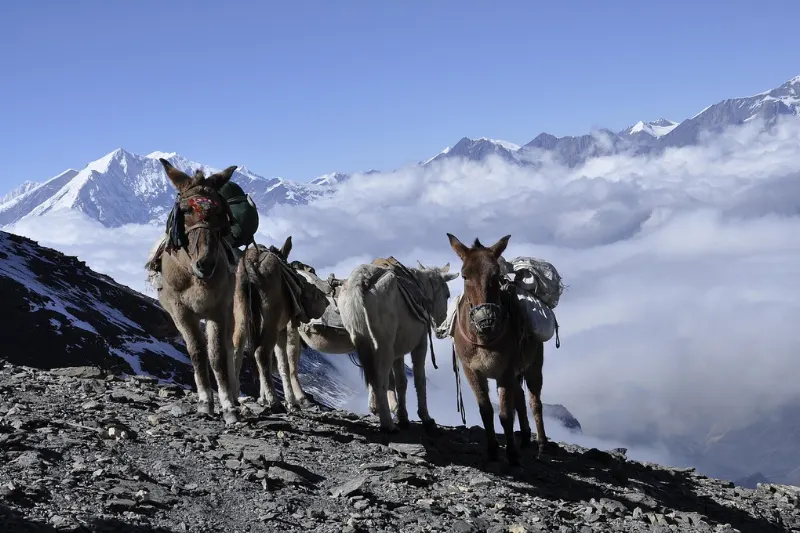
The arrieros are the ones who carry that knowledge most practically. Local muleteers who have worked these trails their whole lives. Before any journey starts they do three things, every single time, not for the tourists watching:
Building an Apacheta: Stones stacked at high passes, a quiet request for safe crossing.
Offering a K’intu: Three coca leaves arranged with care, breath blown softly toward the peak.
Pouring a Tribute: A few drops of traditional drink onto the ground. Thanks to Pachamama. Always done.
Watching that happen on the first morning changes how the rest of the trek feels. Hard to explain exactly, but it does.
Rainbow Mountain and the lakes
The striped ridge photos go viral regularly. Rainbow Mountain is the one formation everyone recognizes, but almost nobody realizes it sits inside a much larger landscape. The ausangate and rainbow mountain trek covers both because they occupy the same massif. Vinicunca is not a separate attraction that got discovered. It’s one piece of something older and bigger that most visitors never see beyond.
Can you see Ausangate from the Rainbow Mountain? On a clear dry season morning, yes. Ausangate mountain sits on the horizon past Vinicunca, unmistakable, bigger than everything around it. The geology that painted the ridges produced everything else out here too.
Down in the valleys below those ridges sit the Seven Lakes. Each one holds a different color because glacial melt carries fine rock powder into the water and minerals catch light differently depending on what’s dissolved. Walking between them is a strange experience in the best possible sense:
Laguna Puca Cocha: Reddish-brown from iron bleeding out of the clay banks surrounding it.
Laguna Azul Cocha: Deep blue, mirrors the sky so cleanly the surface reads wrong at first glance.
Laguna Otorongo: Emerald green from copper and algae, named after the jaguar for reasons that make sense once someone sees it.
The altitude and what it actually does
Nobody adjusts to 16,000 feet right away. Fitness level is largely irrelevant at first. The pressure drops, each breath delivers about half the expected oxygen, and a mild incline starts feeling like something considerably worse. The body needs time to produce more red blood cells. That’s acclimatization, and it can’t be forced or skipped without paying for it later.
Altitude sickness hits differently depending on the person. Locals call it soroche. The distinction between normal exhaustion and soroche matters practically. Burning legs and heavy breathing on a steep section is just physics. A headache that won’t let up, nausea, dizziness, that’s soroche and the answer is to stop ascending. How to acclimatize in Cusco before the trek is straightforward: three full days minimum, gentle walks, no alcohol, drinkcoca tea consistently because it genuinely helps with the adjustment at elevation, and sleep as much as possible those first nights.
On the trail three daily habits cover most of the risk:
Hydrate constantly: Three to four liters minimum. Altitude pulls moisture out faster than the body signals thirst.
Pace deliberately: Slow, rhythmic, half-steps on steep sections. Managing heart rate matters more than covering distance quickly.
Fuel smartly: Carbohydrates digest with less oxygen than protein. That difference matters at this elevation more than it sounds like it should.
Which route makes sense
A good Ausangate guide asks early how many days someone actually has and how honest they’re being with themselves about fitness. The routes cover a genuine range:
Day Trip (1 day): Tops out around 15,000 feet. Moderate. Seven Lakes, serious views, achievable for most people who’ve spent a few days in Cusco first.
Pacchanta Hot Springs (2 to 3 days): Around 16,000 feet. Challenging. Shorter alpine loop finishing at the Pacchanta hot springs, a natural thermal bath in a remote village that earns its place completely after two days at altitude.
Full Circuit (5 to 6 days): Up to 17,000 feet. Strenuous. Complete loop around the massif, multiple high passes. This is the Ausangate trek people mean when they’re talking seriously about it.
For travelers weighing how much time to commit, the tour Ausangate trek 4 days covers the essential highlights including the Seven Lakes and base camp views without the full physical demand of the complete circuit. Those with more flexibility find the tour Ausangate trek 7 dayscovers everything, Rainbow Mountain, the lakes, the high passes, the Pacchanta thermal finish, and leaves enough buffer for weather delays or slower acclimatization days.
The Ausangate trek vs Salkantay trek debate comes up often among people planning a longer Peru trip. Salkantay is more established, more trafficked, better infrastructure along the route. Ausangate is rawer, higher, less visited, and the cultural layer runs deeper. Neither is the wrong choice but they’re genuinely different experiences.
Going independent means carrying everything. Tent, food, safety gear over every pass. Hiring arrieros means mules take the weight and the walk stays enjoyable. It also puts money into Quechua communities directly, which matters more than it reads as a footnote.
What to actually pack
Mornings start cold in a way that surprises people who read about it but still weren’t quite expecting it. By midday the sun at this elevation is doing real damage because thin air filters almost nothing in terms of UV. By late afternoon the temperature has dropped again sharply. This cycle runs daily without exception. The layering system isn’t a recommendation, it’s just the only approach that works.
Moisture-wicking base layer. Fleece for insulation. Waterproof shell for wind and rain. Five things that go in the bag regardless:
High-SPF sunscreen and polarized UV-blocking sunglasses
Sleeping bag rated to 15°F or lower
Wide-brimmed hat covering face and neck
Waterproof boots broken in before arriving, not during the trek
Trekking poles for the descents, which punish the knees more than the climbs
Timing
May through September. Dry season, clear skies, stable conditions, visible glaciers, safe passes. Ausangate mountain in those months looks like what it actually is. The photography works, the logistics cooperate, the risk profile drops to something manageable.
December through March the rain arrives heavy and stays. Trails go to mud, fog covers everything worth seeing, lightning hits exposed passes regularly enough that no local guide puts clients on them during a storm. The rainy season isn’t a slightly worse version of the dry season. It’s a different situation entirely.
Three things before leaving Cusco
Build endurance: Long walks with a weighted pack at home before flying. Consistent, not intense.
Allow time: Extra acclimatization days in Cusco built into the schedule from the start, not cut when things get tight.
Connect locally: A Quechua guide who understands the mountain traditions is a meaningfully different experience than someone handling logistics. Worth finding the right one before booking anything.
Q&A
Best time to go?
May through September. Dry season, clear conditions. Skip December through March without exception.
Altitude sickness?
Three days in Cusco minimum before starting. Hydrate, slow the pace, eat carbs. Know what soroche feels like before it becomes a real problem on trail.
Which route?
Day trip for moderate fitness. Pacchanta loop for two to three days. Full circuit for five to six days and genuine commitment.
Guide or independent?
Arrieros carry the weight. Local guides know the land and the traditions. Worth it on every practical level.