


Tips for Adjusting to Elevation in Cusco
Cusco, once the flourishing capital of the Inca Empire, stands as a testament to the ingenuity and resilience of its people. Nestled in the Peruvian Andes at an elevation of about 3,400 meters, Cusco presents travelers with both breathtaking vistas and the unique challenge of acclimatizing to its high altitude. The city’s altitude is not just a geographical feature but an integral part of its identity that shapes the experiences of those who visit.
Understanding how to adapt to the elevation in Cusco is crucial for anyone visiting the region. This guide provides tips on how to adjust smoothly while exploring the historical and cultural richness of this ancient city. By preparing for the altitude, you can fully enjoy the vibrant culture and breathtaking landscapes that Cusco offers.
Understanding Altitude Sickness

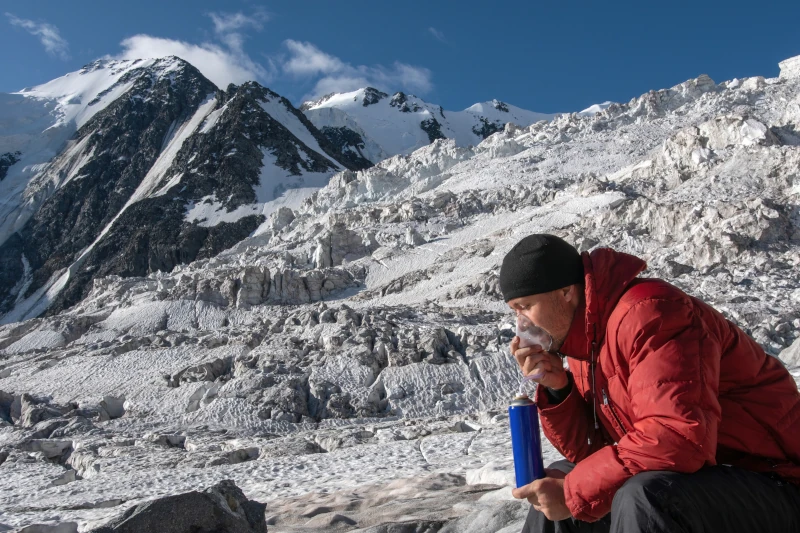
High altitude can affect anyone, regardless of fitness level or age. The air pressure is lower, meaning there is less oxygen available for your body. This can lead to symptoms of altitude sickness, which include headaches, dizziness, nausea, and fatigue. It’s a condition that can catch even the most seasoned travelers off guard.
Cusco’s elevation poses a unique challenge, as its thin air requires visitors to acclimate to avoid discomfort. Travelers must take proactive steps to ease their adjustment to the high elevation. The process involves understanding your body’s needs and giving it time to adapt, which can vary from person to person.
Visitors often underestimate the effects of high altitude, assuming that physical fitness will shield them. However, altitude sickness can affect anyone, making it essential to listen to your body and act accordingly. Planning for a gradual acclimatization can make a significant difference in your comfort and enjoyment of Cusco.
Cusco’s Elevation and Historical Significance
Cusco’s elevation has played a significant role in shaping its history and culture. The Incas believed the city was the “navel of the world,” a spiritual and political center. Its altitude not only provided a natural fortress but also symbolized closeness to the gods. The Incas thrived in these heights, building a civilization that adapted and flourished in such challenging conditions.
In modern times, the elevation continues to draw those who seek to understand the legacy of the Inca Empire and explore the Sacred Valley as ancient wonders. The altitude is a reminder of the resilience and innovation of the Incas, who mastered agriculture and architecture in this rugged terrain. Visitors are often inspired by the ingenuity displayed in the construction of terraces and temples that have stood the test of time.
The elevation also influences contemporary cultural practices, from traditional festivals to daily life. High-altitude life in Cusco is a living link to the past, where ancient traditions continue to thrive alongside modern influences. Understanding this aspect of Cusco’s culture enhances the visitor’s experience, offering insights into how geography shapes human history.

Practical Tips for Acclimatizing
- Take it slow on arrival: Spend the first day at a relaxed pace. Avoid strenuous activities, and allow your body to acclimatize naturally.
- Listen to your body: Prioritize rest and take leisurely walks to help your body adjust to lower oxygen levels.
- Plan demanding activities later: Schedule your most physically intensive activities after a day or two of acclimatization.
Hydration and Diet Tips
Tips to avoid altitude sickness are specifically to avoid dehydration, as the air is drier and your body loses water more quickly. Drink plenty of fluids, particularly water and herbal teas, to stay hydrated. Proper hydration is one of the most effective ways to combat altitude sickness.
Avoid excessive caffeine and alcohol, and focus on electrolyte-rich fluids. Herbal teas, especially coca tea, can be both hydrating and soothing, offering relief from altitude symptoms.
Eating light, carbohydrate-rich meals supports your body’s adaptation to the high altitude. Focus on fresh fruits, vegetables, and whole grains, and avoid overeating. Smaller, frequent meals maintain energy and reduce digestive strain.
Natural Remedies: Coca Leaves
Coca leaves have been used by Andean cultures for centuries to combat the effects of high altitude. Chewing coca leaves or sipping coca tea can alleviate symptoms of altitude sickness. They improve oxygen uptake and provide a sense of relief and energy.
While safe and legal in Peru, be aware of their legal status in other countries. Enjoy them responsibly and embrace this traditional remedy as part of your acclimatization process.

Breathing and Relaxation Techniques
Practicing deep breathing exercises can increase oxygen intake and reduce dizziness. Inhale deeply through your nose, expand your diaphragm, and exhale slowly through your mouth. Mindfulness or meditation practices emphasizing controlled breathing also enhance acclimatization while promoting calm and presence.
Medication for Altitude Adjustment
Consult a healthcare professional if you are concerned about altitude sickness. Medications like acetazolamide can aid acclimatization and reduce the severity of symptoms. They should complement, not replace, strategies such as rest, hydration, and gradual activity.

Exploring Cusco: Historical and Cultural Highlights
- Qorikancha Temple: Once the richest temple in the Inca Empire, it now offers insights into Incan and colonial architecture.
- Sacred Valley of the incas: Explore Pisac, Ollantaytambo, and Chinchero for terraces, salt mines, and traditional villages.
- Local Culture: Engage with communities preserving Andean crafts, customs, and festivals.
Weather Considerations in Cusco
- Dry Season (May–September): Ideal for trekking and sightseeing with mild temperatures and clear skies. Pack layers for chilly evenings.
- Wet Season (November–March): Expect frequent rains. Bring waterproof gear, and plan indoor activities during heavy rainfall.
Conclusion: Enjoy Cusco Safely and Fully
Visiting Cusco is more than just a trip; it is an exploration of culture, history, and human resilience. By understanding the challenges of high altitude and preparing with rest, hydration, diet, and natural remedies, travelers can enjoy the city comfortably.
Whether wandering markets or standing before ancient temples, Cusco offers a profound glimpse into Andean civilization. With mindful preparation, you can adjust to the elevation and fully appreciate the enduring spirit of the Inca Empire, creating memories that last a lifetime.