


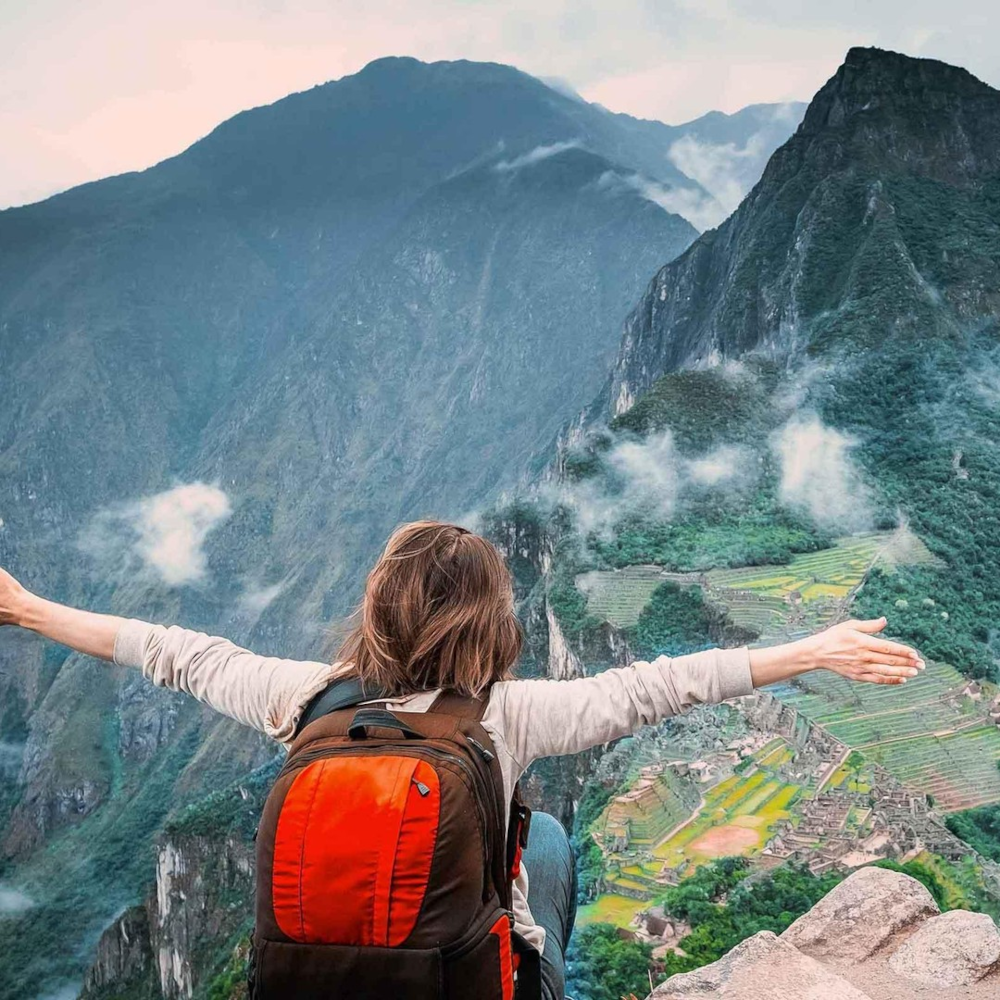
Llactapata Trek with Machu Picchu Views
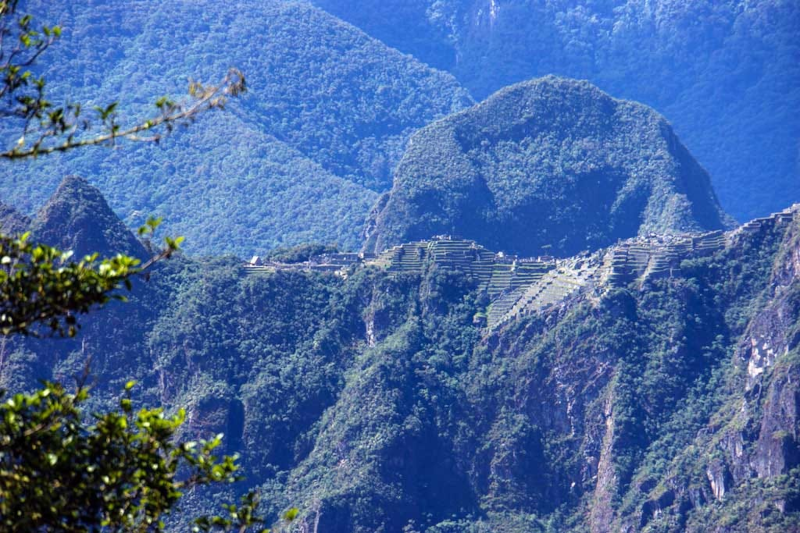
People around the world recognize the classic Machu Picchu photo taken from a crowded platform. But the Llactapata Trek is yet another perspective altogether. Just think about a hidden place where the majority of the traveling people would never get to. Imagine that you are standing in a distant valley when you see the lost city–there is no one there, just you and the ruins of an Incan watchtower of an ancient lookout.
A Hidden Ridge with a Direct View
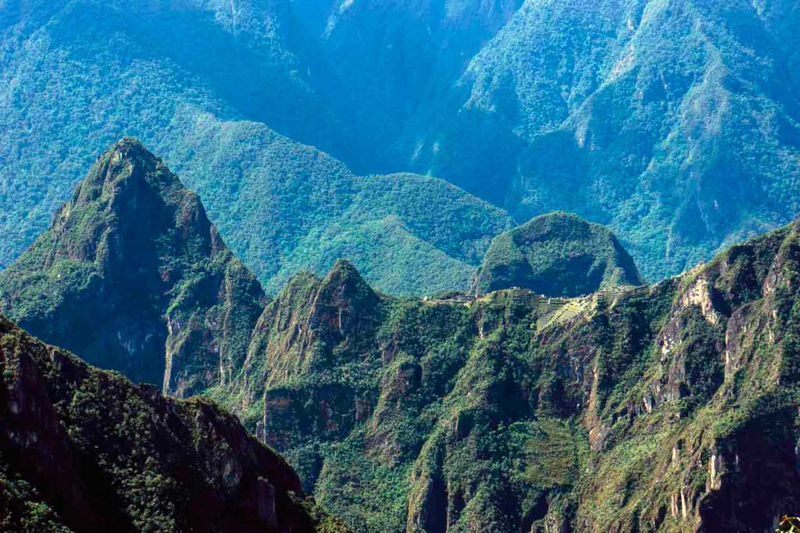
The Inca Trail is a dream hiking trail of many hikers which opens out as sold out. Llactapata is the ideal solution. This path is a substitute of the Inca Trail including ruins. It provides the actual feeling of exploration without large crowds.
What exactly is Llactapata? The ‘VIP Balcony’ to Machu Picchu
Llactapata is a pre-colonial Incaian village. Quechua means High Town in its name. Imagine it was a backstage balcony over Machu Picchu. Archaeologists have cleared and restored the site in recent years. Many visitors still miss it. To have landed on this side is such a revelation.
Llactapata was not simply a point of view. It was significant in the Inca trail. It was an administrative and agricultural center according to historians. Terraces and storehouses supported the nearby areas. They must have aided in the provision of Machu Picchu. When you are standing at that, the connection becomes real.
What is really magical is its location. The ruins are located on a ridge on the opposite side of the valley Aobamba. Here you are more informed about the geography. Thou hast seen how Machu Picchu runs up the mountain spine. This view is totally opposing the view of the Sun Gate.
LlactapataTrek vs. The Sun Gate: Which Machu Picchu View Is Better for You?
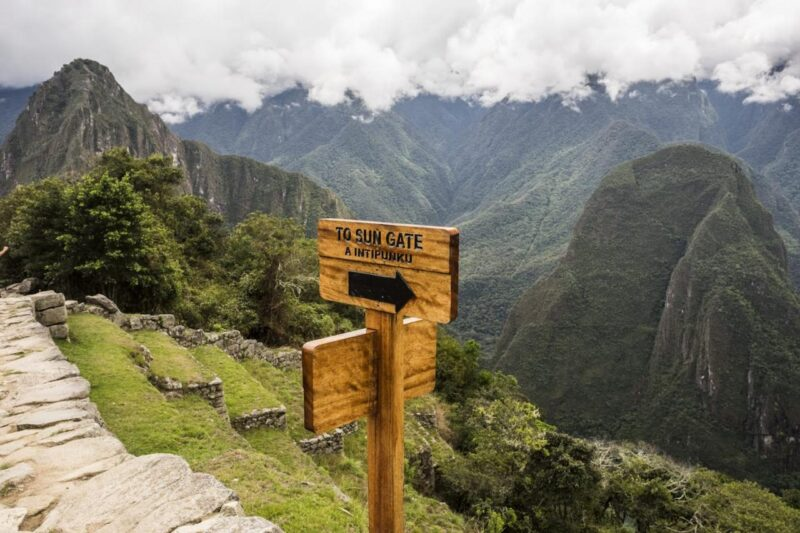
In the majority of cases, people visit the Sun Gate spotview. Inti Punku offers such a typical post-card picture. This is the first place visited by hikers on the Inca Trail. The citadel comes out in a magnificent display beneath. It is victorious and mythical.
Llactapata is another story. The angle depicts the way in which the city cascades within the ridge. Huayna Picchu emerges at the back of it. The scale becomes clearer. The engineering is more impressive. You know why they are talking about it as the city in the clouds.
The atmosphere also differs. The Sun Gate often feels busy. Llactapata feels calm, sometimes there are only a few visiting parties. There is a personal and silent first look. Sunrise contributes to golden light and dark shadows. The scene might be close to spirituality.
The Sun Gate provides a conventional entrance. Llactapata presents a seldom-to-find. One feels celebratory. The other feels reflective. Llactapata is the one to visit in case you want to make your first impression a more deliberate and contemplative one. The second step is easy, either choose whether the trip there suits your type of adventure or not.
Are You Fit Enough? A Realistic Look at the LlactapataTrek’s Difficulty
Once curiosity about discovering something special grows, the next practical question is: how difficult is the Llactapata trek? The short answer is “moderate.” Consider it to be a long walk rather than a technical climb. It is like a day long in a hilly national park. If you can spend most of the day on your feet and handle slopes, you can likely take on the challenge.
One of the main parts of the trek is the part between Lucmamba and Llactapata. This section entails gradual uphill climb within a couple of hours. The route traverses coffee farms and cloud forest. average time of walking 5-6 hours per trekking day. These breaks cover the general water, snack, and photo breaks. The guides established a modest pole, pole (slowly, slowly) rhythm. This beat makes everybody have fun on the way without any form of rush.
What about the Llaqtapata trek difficulty and altitude? This is often the best part for many hikers. You first acclimatize in high-altitude Cusco.The trek itself stays lower. Llactapata is located about 2,850 meters (9,350 feet). It is at that time that your body will tend to feel adjusted.
You don’t need elite fitness. Such a good attitude and proper conditioning go a long way. The trail is challenging but achievable . It does pay hard work with scenery and actual achievement.
Your 3-Day LlactapataTrek Itinerary: Coffee, Ruins, and a Legendary View
The schedules may change, yet the standard program is 3 days that go by a specific circuit. Each day balances physical effort with beautiful scenery. The first day is usually a scenic drive although it is usually a long drive in between Cusco and Santa Teresa valley. The actual increase commences thereafter. The hike between Lucmabamba and Llactapata ascends to sceneries that most tourists never get to encounter. You go over coffee-fields and thick woods. You end the day at a camp or lodge. Rest is setting you up to the next big thing.
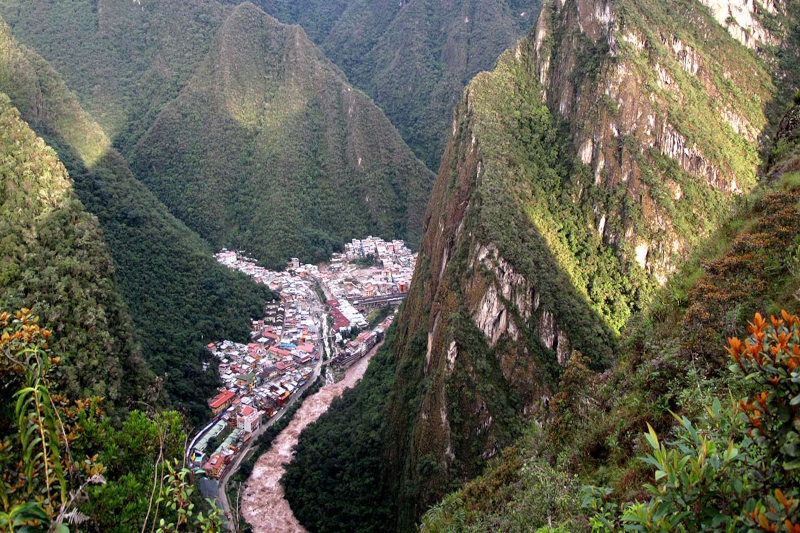
Day two delivers the payoff. You get up early and see the sunrise strike mountains. Then one sees Machu Picchu emerging out of Llactapata. This initial perspective is a strong one. The path takes one down to the valley after visiting the ruins. The road terminates at Hidroelectrica power station. There it is the Hidroelectrica-Aguas Calientes walk which continues along the tracks. The walk remains mostly level during the two-hour walk. Your town steered along the river.
This itinerary Llactapatatrek is a combination of nature and history. It builds toward a big reward. Here is the quick summary:
- Day 1: Travel by car between Cusco and Lucmabamba. Hiking tour of coffee farms to Llactapata camping spot.
- Day 2: Witness Machu picchu sunrise. Take a descent to Hidroelectrica and walk to Aguas Calientes.
- Day 3: Take a sightseeing tour of Machu Picchu and head back to Cusco.
Guided Tour vs. DIY: How to Hike to Llactapata
When you arrive at this marvellous path, what you next think is how to take it. You may reserve a complete guided tour or do the logistics yourself. These both work, however, they produce entirely different experiences. Realizing the trade-offs between convenience and independence can make you make a good choice.
To the majority of the tourists a guided Llactapata tour will be her easiest and least stressing way to go. A tour operator handles all the details, including transport from Cusco to the remote trailhead. They are involved in the transport of Cusco to the far trailhead. They apply a professional guide, meals, water and accommodation. Most to the point they pre-book your Machu Picchu entry ticket. Many companies sell this trek as a standalone excursion, and others include it as the scenic final section of the Salkantay trek via Llactapata. What comes out is an uninterrupted stress free package that will allow you to concentrate on the experience.
When you are going to hike to Llactapata without a guide, the hike is not the ultimate problem. The area that involves the greatest effort is logistics. You must arrange your own transport to the starting point. It is also your duty to find and reserve rural accommodation in the area where the trail is located. Planning of navigation and timing are completely on your hands also. Top to that, you have to book Machu Picchu tickets months in advance, and they do run out. The need to plan well arises.
Self adventurous travel will be cheaper and will be flexible. The guided walk has order and tranquility. Many travelers prefer to focus on the experience instead of managing the logistics. Whomever, smart packing contributes a lot to the comfort and success of your choices.
Your Essential Llactapata Packing List (And What to Leave at Home)
Suitcase packing when travelling to Andes may be complex since weather changes rapidly. You may get sunshine and wind and fog in one afternoon. That is not a single jacket that would provide a solution but a layering system. Think in three parts. Begin with the bottom that wicks moisture away on your skin. Wear a warm middle-layer, such as fleece. Complete it with wind and rainproof outer wrap. This system allows you to add or delete layers and feel comfortable during the whole day.
This list includes the essential equipment with that in mind. You can also use this list for the Salkantay trek because the conditions are similar.
- Clothing Necessities: Waterproof Rain jacket, warm fleece jacket, 2-3 moisture-wicking shirts, and sweaty hiking pants (no jeans).
- Shoes: Old pair of waterproof, hiking shoes and sandals or comfy shoes when at the hotel in the evenings.
- Daypack Essentials: small daypack (20-30L), sunscreen with high SPF, powerful insect repellant, a copy of a passport, and Peruvian Soles.
Footwear is most essential among all the gear you use. New boots can bring about blisters and pain. The simplest rule is that all you have to do is never go on a trek with new boots. Put them on weeks before your journey on normal walks. Half the battle is in good gear. The rest is solved by choosing the appropriate season.
When Is the Best Time to Hike to Llactapata?
There are two major seasons of the Andes. The dry season is between April and October. The wet seasons are between November and March. The dry months are normally characterized by sunny days and clear skies. The situation is ideal to be able to have a long distance look at Machu Picchu. The negative aspect is increased visitors. During this period, trails and towns are busy.
Hikers and greener scenery are experienced during the wet season. The valleys appear vivid and lively. Tails may however be muddy and slippery due to rain. The Machu Picchu is sometimes concealed by a cloud. It can be a seriously disappointing thing after a lengthy hike.
The shoulder season is the favorite of many travelers. In between the extremes are April, May, September and October. These are the months that follow up with good weather and less people. The landscape remains green due to the fresh rainfall. States are more harmonized in general.
You can trek most of the year. There are also possible maintenance or parts of the Inca Trail close-downs in February. The same weather patterns are followed by the Salkantay trek. These months are the best time to pick as it is more likely to be clear. The effort is justified by those clear views. However, there is one last question.
Is the LlactapataTrek Really Worth It?
This is an alternative Inca Trail that provides feasible options. It is filled with a more intimate experience with large masses of people. You get the first look through hard work and perseverance. It is a special well deserved moment. Machu Picchu emerges all over the valley and the experience seems personal. Not many of the visitors ever view the citadel in this perspective.
The path provides something greater than a photo. It provides you with a narrative and a recollection that is formed as a result of the journey itself. The more subdued tracks and the coffee farms and the sunrise point of view have a stronger attachment to landscape.
Your next step is simple. Begin to compare itineraries of reputable tour operators. Now you know how to make choices with certainty. It is beyond just planning to hike. It is the start of a story that you would still be telling even after you are out of the trip.