The Allure of Cusco’s Hidden Gem

Located approximately 4,200 meters above sea level, Laguna Humantay is a jewel in the Peruvian Andes. It is renowned for its vibrant waters set against the dramatic backdrop of snow-capped mountains. The lake is fed by glaciers from Mount Humantay, making it a vital part of the area’s ecology. The beautiful difference between the turquoise water and the white mountains catches the eyes of photographers and adventurers.

Exploring the trails leading to the lake, you’ll find numerous spots offering unique perspectives, perfect for diverse photographic compositions.

Salkantay Trekking Peru

Geological Wonders

Laguna Humantay’s mesmerizing colors are not just a result of melted glacial water. They are a testament to the unique geological composition of the region. The mineral-rich sediments give the lake its distinctive hue, which changes with the light throughout the day. This dynamic interplay between light and minerals offers photographers a rare opportunity to capture the lake’s ever-changing palette.

Knowing about the geology can help you figure out the best times for taking photos. It also lets you enjoy the natural beauty of this amazing place.

Cultural Significance

Before you start snapping photos on Humantay Lake Tour, take a moment to appreciate the cultural and spiritual significance of the area. The indigenous Quechua people regard Laguna Humantay as sacred, often making offerings to the lake in ceremonies that have been practiced for centuries.

Understanding and respecting this aspect adds depth to your photography and travel narrative. By joining local traditions, you make your photos more interesting and connect better with the land and its people. These cultural insights can lead to more meaningful compositions that resonate with viewers.

humantay lake horse ride, Humantay Lake Tour

Preparing for the Adventure to Humantay Lagoon

Timing Your Visit 

To capture the best photos, timing and preparation are key. The best time to visit is during the dry season, from May to September, when the sky is clear, and the lake’s colors are most vibrant. The dry season also ensures safer hiking conditions, with less mud and more stable paths.

Starting your hike early in the morning can help you avoid crowds and take advantage of the soft morning light. Additionally, the peaceful morning hours allow for a more intimate connection with the environment, enhancing both your experience and the authenticity of your photographs.

Essential Gear for Photographers

Packing the right gear is crucial for a successful photography trip. A DSLR or a high-quality mirrorless camera is ideal for capturing the intricate details and vibrant colors of Laguna Humantay. A sturdy tripod is essential for stability, especially when shooting long exposures or during low-light conditions.

Consider bringing a wide-angle lens to capture the expansive views, and a polarizing filter to reduce glare and enhance the lake’s colors. Extra batteries and memory cards are also advisable, as cold temperatures can drain power quickly, and you’ll want ample storage for the many shots you’ll take.

Preparing for Altitude during Humantay Lake Tour

Clothing and personal items are just as important as camera gear. Layered clothing is essential due to the fluctuating temperatures, which can vary dramatically from the base of the hike to the lake itself. A waterproof jacket is advisable to protect against sudden weather changes.

Don’t forget sunscreen, sunglasses, and plenty of water, as the high altitude can be challenging. Take it slow, allow your body to acclimate, and stay hydrated to ensure you remain in top form for your photography. Preparing for altitude not only safeguards your health but also ensures you can fully enjoy and capture the experience.

humantay lake horse ride, Humantay Lake Tour

Capturing the Perfect Shot of Cusco Laguna Humantay

Mastering Composition Techniques

Composition is key to creating captivating photographs. The Rule of Thirds is a classic technique that involves dividing your frame into a grid and placing the lake or horizon along the lines or intersections to create a balanced composition.

Leading lines, such as the natural lines of the mountains and trails, can guide the viewer’s eye to the focal point of your image, adding a dynamic element to your shots. Incorporating foreground interest, like rocks or flora, adds depth and creates a sense of scale, enhancing the overall impact of your photographs.

Experimenting with Light

The quality and direction of light can transform your images. The Golden Hour, the hour after sunrise and before sunset, offers warm, soft light that enhances the natural colors of the landscape. This time of day provides the perfect opportunity to capture the lake’s vibrant hues and the dramatic interplay of light and shadow on the mountains.

The Blue Hour, the time just before sunrise or after sunset, can provide a serene, mystical quality to your images, with cooler tones and softer contrasts. Experimenting with different lighting conditions can yield a variety of moods and atmospheres in your photos.

Utilizing Natural Elements

Nature offers a wealth of elements to enhance your photography. The still waters of Laguna Humantay create perfect reflections of the surrounding peaks, allowing for symmetrical compositions that highlight the lake’s tranquility. Use reflections to your advantage by positioning yourself to capture the mirror-like surface, doubling the visual impact of your images.

Pay attention to the sky, clouds, and any wildlife that might enter your frame, as these can add dynamic elements and a sense of life to your photos. Embrace the unpredictability of nature to create unique and compelling images.

humantay lake horse ride

Enhancing Your Photography Skills

Exploring Different Perspectives

Don’t be afraid to explore different perspectives. Capture the lake from higher vantage points for a panoramic view that showcases the grandeur of the landscape. Climbing to various altitudes provides new angles and compositions that can highlight different features of the lake and its surroundings.

Conversely, getting close to the water’s edge can offer a more intimate shot, focusing on the details of the rippling surface or the intricate patterns of the shoreline. Experimenting with perspectives allows you to tell a more comprehensive story through your photographs.

Harnessing the Power of Reflections

The reflective quality of Laguna Humantay’s waters is one of its most striking features. Use these reflections to your advantage by capturing symmetrical compositions that highlight the lake’s tranquility. Position yourself strategically to frame the peaks within the reflection, creating a harmonious balance between the water and the sky.

Playing with reflections can also allow for creative compositions that juxtapose reality with its mirrored counterpart, adding depth and intrigue to your images. This technique requires patience and practice but can result in stunning, ethereal photographs.

Post-Processing Tips

Post-processing is an essential part of modern photography. Use editing software to enhance the natural beauty of your images while maintaining their authenticity. Adjust the contrast and saturation to bring out the vibrant colors of the lake and surrounding landscape.

Be mindful of not over-editing, as maintaining a natural look is crucial to preserving the integrity of the scene. Cropping can help refine your composition, removing distractions and focusing the viewer’s attention on the main elements. Post-processing allows you to fine-tune your images, ensuring they reflect the awe-inspiring reality of Laguna Humantay.

Humantay Packing List, humantay lake horse ride

Responsible Tourism during the Humantay Lake Tour

Practicing Environmental Responsibility

While capturing the beauty of Laguna Humantay, it’s important to practice responsible tourism. Stay on marked paths to protect the fragile ecosystem, as straying off the trail can damage native vegetation and disturb wildlife. Take all your litter with you, leaving no trace of your visit to preserve the environment for future generations.

Consider using eco-friendly products, such as reusable water bottles and biodegradable toiletries, to minimize your impact. By being mindful of your environmental footprint, you can enjoy and photograph the beauty of Laguna Humantay while safeguarding its pristine condition.

Supporting Local Communities during Humantay Lake Tour

Engaging with local culture and communities enhances your travel experience and photography narrative. Consider hiring a local guide to enrich your understanding of the area. They can provide insights into the history and significance of the lake, offering perspectives that you might not find in guidebooks.

Purchasing locally made crafts and products supports the economy and fosters a positive relationship with the community. By respecting and valuing local traditions and livelihoods, you contribute to sustainable tourism practices that benefit everyone involved.

Respecting Cultural Practices

Understanding and respecting the cultural practices of the Quechua people is crucial when visiting Laguna Humantay. Participate in or observe local ceremonies with reverence, recognizing their spiritual importance. Avoid photographing people without their permission, especially during sacred rituals, as this can be intrusive and disrespectful.

By showing sensitivity to cultural practices, you demonstrate respect for the community’s heritage and create a more meaningful connection with the place. This respect will be reflected in your photography, adding depth and authenticity to your narrative.

Humantay Lake Cusco

Sharing Your Experience on your Humantay Lake Tour

Creating an Engaging Narrative

When sharing your adventure, whether through a blog or social media, focus on creating a narrative that transports your audience. Describe the journey, the challenges, and the moments of awe to make your readers feel as if they are right there with you. Use vivid language and personal anecdotes to convey the emotions you experienced, drawing your audience into the story. By crafting a compelling narrative, you not only share your photographs but also the essence of the journey, inspiring others to embark on their own adventures.

Showcasing the Unique Beauty

Focus on what makes Laguna Humantay unique. Perhaps it’s the way the sunlight dances on the water or the quiet serenity of the mountains. Use your photos to emphasize these elements, highlighting the features that set this destination apart from others.

Consider creating a series of images that tell a story, capturing the lake at different times of day or from various angles. This approach allows you to showcase the dynamic beauty of Laguna Humantay, offering viewers a comprehensive glimpse into its enchanting allure.

Engaging with Your Audience

Engage with your audience by encouraging interaction and feedback. Ask questions or invite them to share their own travel experiences and insights. This engagement fosters a sense of community and connection, turning your photography into a shared journey rather than a solo endeavor.

Visiting the Amazing Lake Humantay - Cusco Humantay Lake, Laguna Humantay Day Trip

Conclusion

Photographing Laguna Humantay is more than just capturing images; it’s about telling a story that connects the viewer to the place and its significance. By preparing thoroughly, respecting the environment, and engaging with the local culture, you can create an impactful and responsible travel narrative.

So pack your gear, plan your adventure, and get ready to capture the magic of Laguna Humantay. With these tips, you are well-equipped to embark on a photography journey that not only captures the beauty of Laguna Humantay but also respects and honors its cultural and environmental significance. Happy shooting!

Machu Picchu, often hailed as the “Lost City of the Incas,” is an awe-inspiring historical sanctuary located high in the rugged Andes Mountains of Peru. This ancient city is not only an architectural marvel but also a testament to the ingenuity and sophistication of the Inca civilization. 

As one of the most iconic and well-preserved archaeological sites in the world, Machu Picchu captures the imagination of travelers, historians, and adventurers from all corners of the globe. In this expanded article, we delve into the rich history, profound significance, and unforgettable visitor experience of Machu Picchu, offering you a comprehensive understanding and appreciation of this extraordinary destination.

Top Inca Trail Tours for Adventurers

Machu Picchu Unveiled: Secrets of a Lost Inca Citadel

The story of Machu Picchu begins in the 15th century during the reign of the illustrious Inca emperor Pachacuti. This period marked a time of great expansion and prosperity for the Inca Empire, and the construction of Machu Picchu was a monumental project that reflected their architectural prowess.

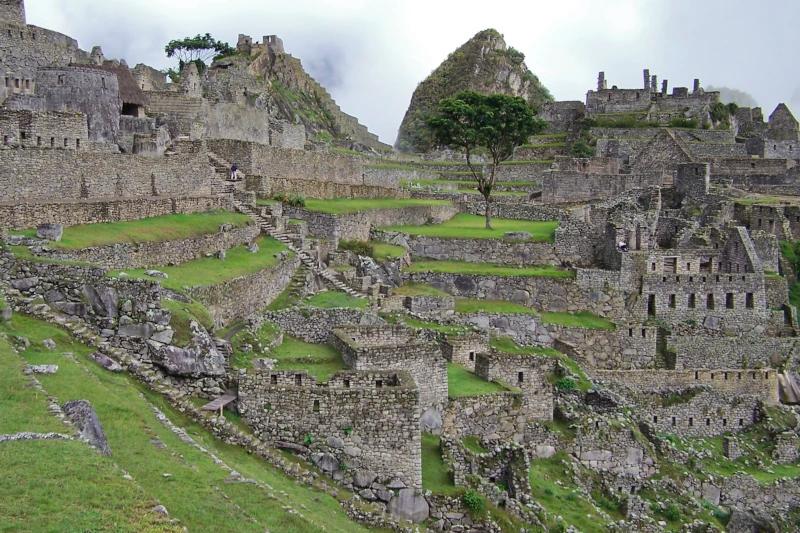
Machu Picchu’s construction is a prime example of classical Inca architectural styles, which are renowned for their precision and durability. The city was built using a technique known as ashlar, where stones are cut to fit together without the use of mortar. This method not only ensured stability but also allowed the structures to withstand the region’s frequent earthquakes. The site’s design incorporates terraces and water channels, showcasing the Incas’ advanced understanding of engineering and agriculture.

The exact purpose of Machu Picchu remains a subject of debate among historians and archaeologists. While it is widely believed to have been a royal estate or sacred religious site, some theories suggest it may have served multiple functions, including as a ceremonial center and a hub for astronomical observations. The strategic location of Machu Picchu, nestled between the Andes and the Amazon Basin, further underscores its significance as a place of spiritual and cultural convergence.

Despite its grandeur, Machu Picchu was abandoned in the 16th century during the Spanish Conquest and remained hidden from the outside world for centuries. It was not until 1911 that American historian Hiram Bingham brought international attention to the site. Since its rediscovery, Machu Picchu has become a symbol of the Incan civilization’s ingenuity and resilience. In 1983, it was designated as a UNESCO World Heritage Site, solidifying its status as one of the world’s most treasured cultural landmarks.

Purpose of Machu Picchu: What Was It Really Built For, peru machu picchu hike tours

Where Mountains Meet Genius: The Sustainable Marvel of Machu Picchu

Machu Picchu is more than just an archaeological site; it is a cultural and historical treasure that offers a profound insight into the Inca Empire’s sophisticated understanding of various disciplines.

The engineering marvels of Machu Picchu are evident in its intricate network of terraces, stairways, and aqueducts. These structures demonstrate the Incas’ mastery of land management and their ability to adapt to the challenging mountainous terrain. The precision with which the stones were cut and assembled has left modern architects and engineers in awe, as these structures have withstood the test of time.

The location of Machu Picchu provided the Incas with access to diverse ecological zones, enabling them to cultivate a variety of crops. The terraces were ingeniously designed to optimize water distribution and prevent soil erosion, showcasing the Incas’ advanced agricultural techniques. This sustainable approach to farming ensured the city’s self-sufficiency and contributed to the prosperity of the Inca Empire.

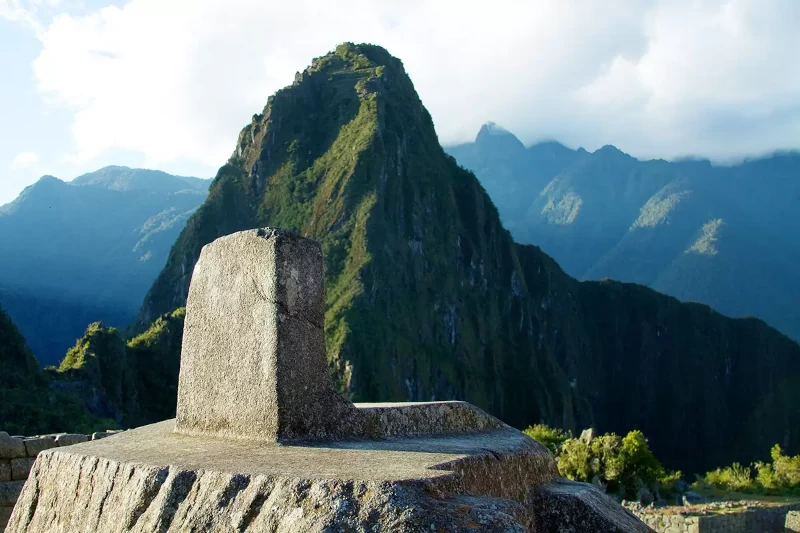
Machu Picchu’s alignment with celestial events highlights the Incas’ deep understanding of astronomy. Structures such as the Intihuatana Stone served as ancient astronomical clocks, allowing the Incas to track solstices and equinoxes. This connection to the cosmos was integral to their spiritual beliefs, as they revered celestial bodies as deities and used astronomical observations to guide agricultural practices and religious ceremonies.

Purpose of Machu Picchu: What Was It Really Built For, peru machu picchu hike tours

From Valley to Citadel: The Sacred Bond Between Machu Picchu and the Andes

The Sacred Valley, or “Valle Sagrado” in Spanish, is a critical component in understanding Machu Picchu’s significance. This fertile region was the heart of the Incan Empire, serving as an agricultural powerhouse and spiritual center. The interconnectedness of the Sacred Valley and Machu Picchu underscores the Incas’ reverence for nature and their ability to harmonize with their environment. The proximity of the two sites highlights the seamless integration of the Inca society’s agricultural, spiritual, and cultural aspects.

Machu Picchu’s breathtaking location is one of its defining characteristics, offering visitors an unparalleled view of the majestic Andes Mountains and the lush Urubamba River Valley below.

Perched at an elevation of approximately 2,430 meters (7,970 feet) above sea level, Machu Picchu’s location presents both challenges and rewards for visitors. The high altitude can cause altitude sickness, which is why acclimatization is essential. Spending a few days in Cusco or the Sacred Valley, which are at slightly lower altitudes, can help travelers adjust to the thinner air and enhance their overall experience.

The site is situated on a mountain ridge, providing panoramic vistas of the surrounding peaks and the verdant valley. The dramatic landscape is not only visually stunning but also served a strategic purpose for the Incas, offering natural protection and a vantage point for observing the surrounding environment. The diverse flora and fauna of the region add to its ecological richness, making it a haven for nature enthusiasts and photographers alike.

machu picchu last minute tickets

Machu Picchu Unshaken: Earthquakes, Architecture, and Andean Adventure

Machu Picchu’s geological features are as fascinating as its historical and cultural aspects. The site’s location in a seismically active region necessitated the construction of structures that could withstand earthquakes. The Incas’ ingenious stonework and architectural techniques ensured that the buildings remained stable and intact despite the challenges posed by the environment. This resilience continues to captivate engineers and architects today, as they study the site to gain insights into ancient construction methods.

For those planning a visit to Machu Picchu, understanding the logistics and options available can greatly enhance the travel experience. Here are some practical tips and insights to ensure a memorable journey.

The journey to Machu Picchu typically begins in Cusco, the ancient capital of the Inca Empire. From Cusco, travelers have several options to reach the site. The most popular route is by taking a scenic train ride to Aguas Calientes, the town located at the base of Machu Picchu. This picturesque journey offers stunning views of the Andean landscape and allows travelers to relax before their ascent to the site. For the more adventurous, the Inca Trail presents a challenging yet rewarding trek that immerses hikers in the natural beauty and history of the region.

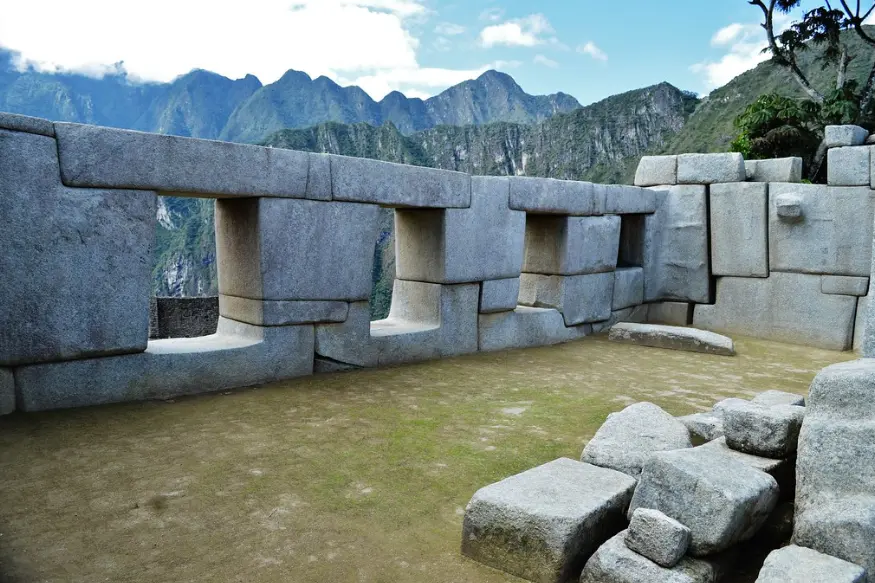
Upon arriving at Machu Picchu, visitors can explore the site’s many terraces, temples, and plazas. Notable structures include the Temple of the Sun, the Room of the Three Windows, and the Intihuatana Stone. Each area offers unique insights into the Inca civilization’s architectural and cultural achievements. Guided tours are highly recommended to gain a deeper understanding of the historical context and significance of each structure. Knowledgeable guides can provide valuable information about the site’s history, engineering, and spiritual importance.

Top Tips for Maximizing Your One Day Machu Picchu Tour

When to Go and What to Know: Planning the Perfect Machu Picchu Visit

Timing is crucial when planning a visit to Machu Picchu. The best time to explore the site is during the dry season, which runs from May to September. During this period, the weather is generally more predictable, with clear skies and mild temperatures, making it ideal for exploration and photography. However, this is also the peak tourist season, so planning ahead is essential to secure accommodations and permits. For those seeking a quieter experience, the shoulder months of April and October offer a balance between favorable weather and fewer crowds.

To make the most of your visit to Machu Picchu, it’s important to come prepared. Wear comfortable walking shoes, as the terrain can be uneven and challenging. Bring sunscreen, a hat, and plenty of water to stay hydrated, especially if you plan to hike the surrounding trails. Be mindful of the site’s regulations, such as restrictions on food and large backpacks, to ensure a respectful and enjoyable experience for all visitors. Lastly, take your time to soak in the breathtaking views and the spiritual ambiance of this remarkable site.

Machu Picchu’s designation as a UNESCO World Heritage Site underscores the importance of preserving its cultural and ecological integrity for future generations.

Conquering the 4 Day Inca Trail: A Classic Journey

Preserving Machu Picchu: A Shared Responsibility for the Future

Efforts to maintain Machu Picchu’s sustainability include limiting daily visitor numbers and promoting responsible tourism practices. These measures are crucial to preserving the site’s delicate ecosystems and protecting its historical structures from degradation. Ongoing conservation projects aim to restore and stabilize the ruins, ensuring that they remain intact for future generations to explore and appreciate. Collaborations between local communities, government agencies, and international organizations are essential in driving these preservation efforts forward.

Visitors play a significant role in the preservation of Machu Picchu. By adhering to the site’s rules and guidelines, travelers can help minimize their impact on the environment and contribute to its long-term sustainability. Simple actions such as staying on designated paths, refraining from touching or climbing on the ruins, and disposing of waste properly can make a significant difference. Educating visitors about the importance of responsible tourism fosters a sense of stewardship and encourages them to become advocates for the protection of this cultural treasure.

The local communities surrounding Machu Picchu are integral to its preservation and sustainable development. Empowering these communities through education, employment opportunities, and cultural exchange programs helps to create a positive impact on the region. By involving local residents in tourism initiatives and conservation projects, a sense of pride and ownership is fostered, ensuring that the cultural and ecological heritage of Machu Picchu is safeguarded for generations to come.

Machu Picchu Day Trips The Most Iconic Treks

Machu Picchu: Journey Through Time in the Heart of the Andes

Machu Picchu stands as a testament to the ingenuity and spirituality of the Inca civilization. Its breathtaking scenery, historical significance, and cultural richness make it a must-visit destination for travelers seeking a deeper understanding of the world’s ancient wonders. Whether you’re a travel agent aiming to offer clients a culturally enriching experience, a cultural tour guide looking to craft immersive itineraries, or a travel blogger in search of compelling content, Machu Picchu offers endless opportunities for exploration and discovery. Embrace the allure of the “Lost City” and embark on a journey through time that will leave you with unforgettable memories and a profound appreciation for the achievements of the Incas.

Nestled in the heart of the Peruvian Andes, the Sacred Valley of the Incas is a place of breathtaking beauty and profound historical significance. This region, stretching between Cusco and Machu Picchu, is dotted with ancient ruins, traditional villages, and remarkable landscapes that speak volumes of the Incan civilization. In this article, we will delve into the wonders of the the Peruvian Sacred Valley, offering insights into its key attractions and cultural treasures.

Cultural and Spiritual Importance of the Sacred Valley

sacred valley cusco

The Sacred Valley of the Incas, or “Valle Sagrado,” is not only a geographical wonder but also a cultural and spiritual haven. Its fertile lands were once the breadbasket of the Incan Empire, supplying vital crops like maize and potatoes. Today, it remains a vibrant blend of history, culture, and natural beauty, attracting travelers and scholars alike.

Geography and Climate

The Sacred Valley is situated at an altitude ranging from 2,000 to 3,000 meters above sea level. This altitude provides a unique microclimate that contributes to its lush vegetation. The Urubamba River snakes through the valley, nourishing the land and creating a picturesque landscape that changes with the seasons.

Historical Significance and Incan Innovations

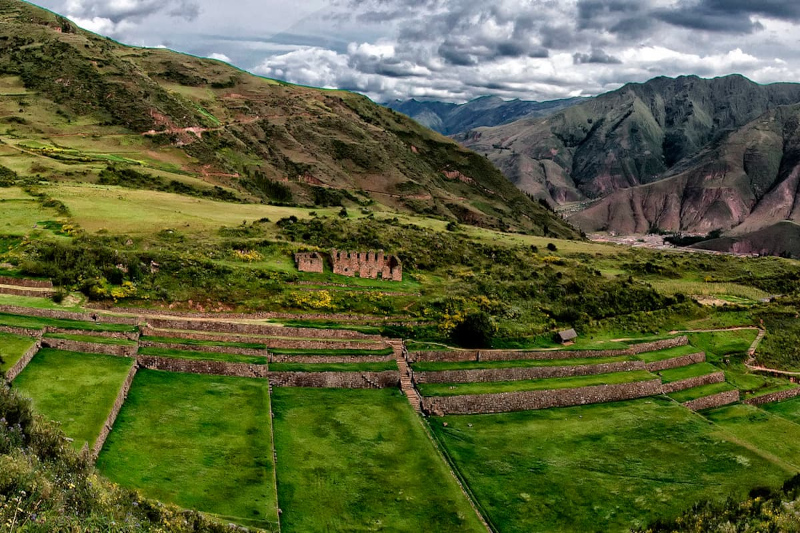
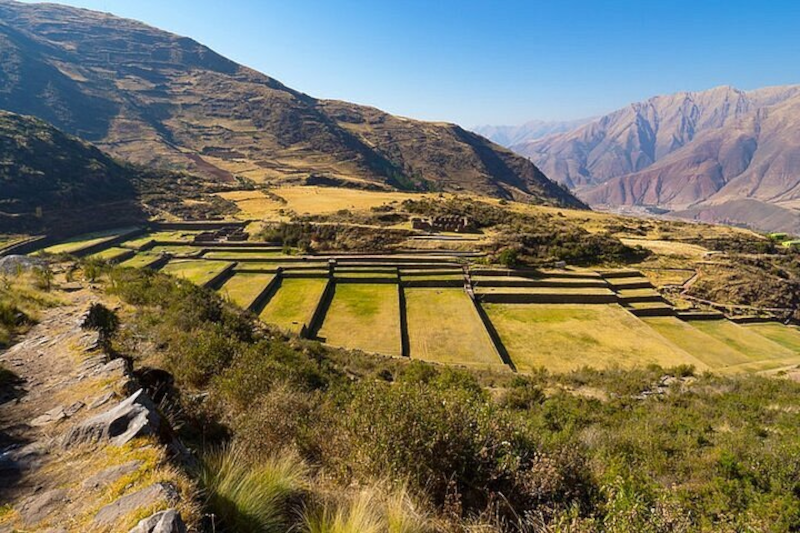
The Sacred Valley was central to the Incan civilization, serving as an agricultural, spiritual, and political hub. The Incas developed advanced agricultural techniques here, including terracing and irrigation, which are still visible today. These innovations allowed them to maximize crop yields and sustain a growing population.

Spiritual Connection to the Cosmos

Beyond its physical attributes, the Sacred Valley holds profound spiritual importance. The Incas believed it was a reflection of the Milky Way, with each of its landmarks corresponding to a celestial body. This connection to the cosmos is still honored in local rituals and ceremonies, making the valley a place of pilgrimage and reverence.

Top Attractions in the Sacred Valley

The Sacred Valley is home to numerous attractions that capture the imagination and tell the story of the Incas. Visitors can explore ancient ruins, bustling markets, and stunning natural landscapes that each have their own unique charm and significance.

Ollantaytambo: The Living Incan Town

sacred valley cusco

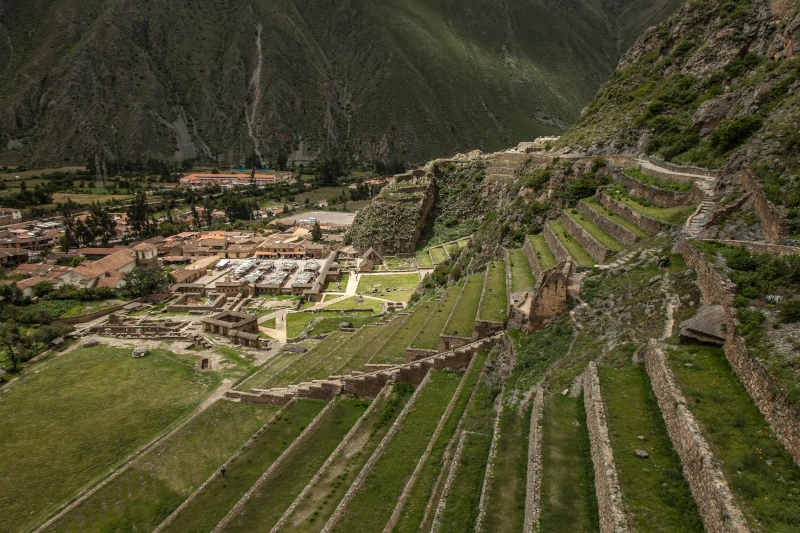
Ollantaytambo, often referred to as the “Living Incan Town,” is a remarkable archaeological site and a thriving village. Its cobblestone streets and traditional stone buildings offer a glimpse into the past. The fortress, perched on a hillside, was a strategic military, agricultural, and religious center.

The Ollantaytambo Fortress is a marvel of Incan engineering, with massive stone terraces that climb the hillside. Visitors can ascend these terraces for panoramic views of the town and surrounding mountains. The Temple of the Sun, located at the top, is particularly striking with its precision stonework.

Ollantaytambo is one of the few places where the original Incan urban planning is still visible. The town’s layout remains largely unchanged, with its narrow streets and water channels. Walking through Ollantaytambo offers a unique opportunity to step back in time and experience life as it was centuries ago.

The town is inhabited by Quechua-speaking locals who are known for their warm hospitality. Visitors can interact with residents, learn about their customs, and even participate in traditional activities like weaving and pottery. This cultural immersion enriches the experience and fosters a deeper appreciation for the region’s heritage.

Pisac: Ruins, Markets, and Tradition

Pisac is famous for its lively market and impressive ruins. The market is a hub of activity where locals sell handmade crafts, textiles, and produce. Above the town, the Pisac ruins boast intricate stonework and sweeping vistas of the valley below.

Pisac market is a sensory delight, with stalls filled with colorful textiles, pottery, and jewelry. It’s an excellent place to purchase souvenirs and interact with local artisans. The market is especially lively on Sundays when villagers from surrounding areas gather to trade goods.

The Pisac ruins are located on a hill overlooking the town and are accessible via a scenic hike. The site features impressive agricultural terraces, ceremonial baths, and temples. The panoramic views from the top are breathtaking, offering a glimpse into the strategic importance of Pisac in Incan times.

Pisac is not just about commerce and ruins; it is also a center for traditional Quechua ceremonies. Visitors may witness rituals that honor the earth and ancestors, providing insight into the spiritual beliefs that have been preserved for generations.

sacred valley cusco

Tambomachay: The Bath of the Inca

Tambomachay, often known as the “Bath of the Inca,” is a site that showcases the advanced hydraulic engineering of the Incas. It is believed to have been a ceremonial center dedicated to water worship.

Tambomachay is renowned for its complex system of aqueducts and channels that direct water through the site. The precision with which these were built demonstrates the Incas’ deep understanding of hydraulics and their reverence for water as a life-giving force.

The site is thought to have served as a place of purification and spiritual renewal. The constant flow of water symbolizes life and renewal, and many visitors find a sense of peace and reflection in its tranquil surroundings.

Surrounded by lush greenery and mountains, Tambomachay offers a serene escape from the hustle and bustle of modern life. Visitors can enjoy the tranquility of the natural landscape, which enhances the spiritual experience of the site.

Cultural Heritage and the Living Traditions of the Andes

The Sacred Valley is more than just ruins and scenic vistas; it is a living testament to the enduring legacy of Andean culture. The Quechua-speaking communities maintain traditions that have been passed down through generations.

The Importance of the Quechua Language

The Quechua language, once spoken by the Incas, is still widely used in the Sacred Valley. It is a vital link to the past, offering insights into ancient worldviews and cultural practices. Understanding key phrases can enrich your experience and foster connections with local communities.

Language is a crucial aspect of cultural identity, and Quechua is no exception. It is woven into the daily lives of the people, used in markets, homes, and ceremonies. Learning a few phrases can open doors to meaningful interactions and a deeper understanding of the region’s heritage.

Quechua is more than just a means of communication; it is a repository of cultural knowledge. Many traditional songs, stories, and customs are preserved in this language, offering a unique glimpse into the worldview of the Andean people.

Engaging with locals in their native tongue, even if only a few words, can lead to rich cultural exchanges. Many residents are eager to share their customs and stories with visitors who show interest in their language and way of life.

Festivals and Celebrations in the Sacred Valley

Throughout the year, the Sacred Valley hosts numerous festivals that celebrate agricultural cycles, religious beliefs, and historical events. Participating in these celebrations provides a deeper understanding of the Andean worldview.

Inti Raymi – The Festival of the Sun

Inti Raymi, the Festival of the Sun, is one of the most important celebrations in the Sacred Valley. It marks the winter solstice and the beginning of the Incan New Year. The festival is characterized by colorful processions, traditional music, and dances that honor the sun god, Inti.

Qoyllur Rit’i – A Sacred Pilgrimage

Qoyllur Rit’i is a unique pilgrimage that blends Catholic and indigenous traditions. Thousands of devotees make the journey to the Sinakara Valley, where they participate in rituals that include music, dance, and offerings. The event is a testament to the syncretic nature of Andean spirituality.

Corpus Christi – Faith and Tradition

Corpus Christi is another vibrant festival celebrated in Cusco and the Sacred Valley. It features elaborate processions with saints’ images, traditional dances, and feasting. The festival reflects the deep-rooted Catholic influence in the region, intertwined with indigenous practices.

Travel Tips for Visiting the Sacred Valley

Where to Stay

When planning a trip to the Sacred Valley, consider the following tips to make the most of your experience:
There are numerous hotels in the Sacred Valley, Cusco, Peru, ranging from luxury resorts to cozy guesthouses. Staying in the valley allows for easy access to key sites and offers a more immersive experience.

For those seeking a lavish experience, luxury hotels like Tambo del Inka offer world-class amenities and stunning views. These establishments provide a perfect blend of comfort and cultural immersion, with services that include guided tours and gourmet dining.

Mid-range accommodations, such as Hotel Pakaritampu, offer a balance of comfort and affordability. These hotels often feature charming architecture and personalized service, making them ideal for travelers who wish to explore the valley without sacrificing comfort.

For budget-conscious travelers, there are several guesthouses and hostels that provide basic amenities and a welcoming atmosphere. Staying in these places can also offer a more authentic experience, as they are often family-run and situated in the heart of local communities.

Guided Tours and Experiences

sacred valley cusco

Embarking on a guided tour of the Sacred Valley can enrich your understanding of the region’s history and culture. Knowledgeable guides offer valuable insights into the significance of each site.

Full-day tours of the Sacred Valley are a popular choice for those wanting to see the main attractions in a short time. These tours typically include visits to Pisac, Ollantaytambo, and Chinchero, providing a well-rounded overview of the valley’s highlights.

For a deeper dive into the Incan heritage, consider multi-day tours that combine visits to the Sacred Valley with Machu Picchu. These itineraries allow for a more leisurely pace and the opportunity to explore additional sites like Moray Terraces and the Maras salt mines.

Custom cultural tours are available for those with specific interests, such as language, traditional crafts, or local cuisine. These personalized itineraries offer a unique perspective on the region’s culture and allow for direct engagement with local artisans and communities.

About Visiting the Sacred Valley

When planning a visit to the Sacred Valley, travelers often have questions about the best time to visit, safety, and other practicalities. Here are some common inquiries:

The dry season, from May to September, offers the best weather for exploring. During these months, the skies are clear, and the temperatures are mild, making it ideal for outdoor activities and photography.

While not mandatory, a guide can provide valuable context and enhance your experience. Local guides possess a wealth of knowledge about the history and culture of the Sacred Valley, offering insights that are not readily available in guidebooks.

The region is generally safe for travelers. However, standard precautions are advised. Visitors should remain vigilant about personal belongings, especially in crowded areas like markets, and take care when hiking in remote areas.

sacred valley cusco

Embrace the Journey

The Sacred Valley of Cusco is a region rich in history, culture, and natural beauty. Its attractions, from ancient ruins to vibrant markets, offer a window into the life and legacy of the Incas. By exploring the Sacred Valley, you not only witness the grandeur of the past but also engage with the living culture of the Andean people. Whether you’re drawn to the archaeological wonders, the linguistic heritage, or the vibrant traditions, take the Sacred Valley and Maras Moray Tour to get the most of your visit.

Visiting Machu Picchu in October is one of the most rewarding choices for travelers who want a mix of pleasant weather, mild crowds, dramatic mountain scenery and more availability than during the peak dry season. October belongs to the shoulder season, a transition between the sunny winter months and the start of the rains, creating a balanced climate with occasional showers but plenty of clear days.

This guide will give you everything you need to know about exploring Machu Picchu in October: weather expectations, crowd levels, ticket demand, recommended entrance times, train schedules, trekking conditions, what to pack, photography tips, and practical recommendations to ensure a smooth and memorable adventure.

machu picchu in november

Is October a Good Month to Visit Machu Picchu?

Yes—October is one of the best months to visit Machu Picchu. While the rainy season is approaching, rainfall is not yet heavy, temperatures are comfortable, and tourism levels decrease significantly compared to July, August and September.

Many experienced guides and travelers consider October a “sweet spot” because you get:

  • Good visibility

  • Cooler temperatures than in peak season

  • A calm atmosphere inside the citadel

  • A more relaxed experience overall

Why Travelers Prefer October

  • Smaller crowds than in winter

  • Mild weather perfect for walking and hiking

  • Greener landscapes due to early spring showers

  • More availability of tickets, hotels and trains

Weather in Machu Picchu in November

Weather is one of the main concerns for travelers planning a trip in November, so understanding the climate patterns is essential.

General Weather Overview

November is considered early rainy season, but conditions remain moderate. Expect:

  • Clear or partly cloudy mornings

  • Short, scattered showers in the afternoon

  • Increasing humidity

  • Greener vegetation and vibrant scenery

It’s rare to have full-day continuous rain in November.

Temperature in November

Temperatures are comfortable for trekking and sightseeing.

Rainfall in November

  • Average rainfall: 80–120 mm

  • Most showers occur in the late afternoon

  • Rainfall increases gradually toward the end of the month

  • Mornings often remain clear

Fog and Visibility

  • Morning fog is frequent but usually temporary

  • Visibility fluctuates but mostly clears by mid-morning

  • Clouds create dramatic photography conditions

Crowds in Machu Picchu in November

Much Lower Than Dry Season

November is one of the least crowded months of the year, offering:

  • Shorter lines at shuttle buses

  • Easier access to viewpoints

  • Smoother flow inside the circuits

  • Better opportunities for photos without heavy crowds

What Travelers Visit in November?

  • Couples

  • Backpackers

  • Nature lovers

  • Slow travelers

  • Adventurers who don’t mind a bit of rain

The atmosphere around Machu Picchu is far more peaceful and relaxed in November.

Machu Picchu Tickets in November

Availability

With lower tourism activity, tickets are generally easier to secure in November. However, popular options like Huayna Picchu still require planning.

How Early Should You Book?

  • Machu Picchu Llaqta (Circuits 1–3): 1–3 weeks in advance

  • Huayna Picchu: 4–8 weeks in advance

  • Machu Picchu Mountain: 4–6 weeks in advance

Best Ticket Types for November

  1. Circuit 2 – Classic Panoramic Route

  2. Circuit 1 – Upper Terraces

  3. Circuit 3 – Lower Platforms

  4. Machu Picchu + Huayna Picchu

  5. Machu Picchu + Mountain

What Ticket Should You Choose?

  • First visit → Circuit 2

  • Best views → Machu Picchu Mountain

  • Adventure → Huayna Picchu (if slippery conditions don’t bother you)

  • Easy exploration → Circuit 1 or 3

Best Time of Day to Visit Machu Picchu in November

Early Morning (6 AM – 9 AM)

  • Best chance of clear skies

  • Cooler weather

  • Fog may appear but often lifts quickly

  • Rain is unlikely during early morning hours

Midday (9 AM – 1 PM)

  • Warm and comfortable

  • Visibility improves

  • Moderate humidity

  • A good balance of light for photography

Afternoon (1 PM – 5 PM)

  • Higher chance of showers

  • Fewer tourists

  • Dramatic cloud formations

  • Ideal for moody, atmospheric photos

Tip: Early morning remains the very best option in November.

Train Travel to Machu Picchu in November

Train Companies Operating

  • PeruRail: Expedition, Vistadome, Sacred Valley, Hiram Bingham

  • Inca Rail: Voyager, 360°, First Class

When to Book

  • November is flexible, but booking 2–3 weeks ahead is ideal.

  • Premium trains still sell out on weekends.

Best Train Times

For morning visits:

  • 5:05 AM

  • 6:10 AM

  • 7:45 AM

For afternoon visits:

  • 10 AM – 1 PM

Return trips:

  • 3:20 PM

  • 4:20 PM

  • 7:00 PM

Tips for Train Travel in November

  • Bring a waterproof backpack cover

  • Arrive 30 minutes early

  • Keep all tickets on your phone or printed

  • Wear layers, including a light rain jacket

Trekking to Machu Picchu in November

Should You Trek in November?

Yes—you can still enjoy trekking in early November. Trails are wetter than in September or October but remain manageable.

Inca Trail Conditions

  • Moderate humidity

  • Slippery stone steps after rain

  • Foggy mornings

  • Comfortable temperatures

Permits are easier to find in November, especially mid-month.

Salkantay Trek in November

  • Misty mountain views

  • Tropical sections are humid

  • Slippery descents in jungle areas

  • Very green landscapes

Lares Trek in November

  • Crisp mornings in high passes

  • Cloudy and refreshing weather

  • Spectacular cultural interactions

  • Fewer trekkers on the route

Choquequirao Trek in November

  • Hot canyon areas

  • Afternoon rain possible

  • Clear views at the archaeological site

Short Inca Trail (2 Days)

  • Perfect alternative for wet season

  • Arriving at the Sun Gate is magical with the morning fog

  • Excellent option for those who want an easier route

What to Pack for Machu Picchu in November

November requires a mix of dry-season and wet-season essentials.

Clothing

  • Quick-drying shirts

  • Light fleece

  • Rain jacket or poncho

  • Waterproof hiking shoes

  • Comfortable pants

  • Hat and sunglasses

Accessories

  • Sunscreen

  • Mosquito repellent

  • Backpack rain cover

  • Reusable water bottle

  • Quick-dry towel (optional)

Documents

  • Passport (required)

  • Entrance ticket

  • Train tickets

  • Hotel confirmations

Pros and Cons of Visiting Machu Picchu in November

Pros

  • Very few crowds

  • Warm and pleasant temperatures

  • Lush green scenery

  • Excellent photography conditions

  • Lower prices for hotels and services

  • Greater ticket availability

Cons

  • Occasional afternoon rain

  • Slippery trails

  • Fog may obscure views temporarily

  • Humid conditions in Aguas Calientes

Tips for a Smooth November Visit

Pack Smart for Mixed Weather

Bring a light rain jacket, waterproof footwear and layers.

Enter Early

Early mornings give you:

  • Clearer views

  • Cooler temperatures

  • Lower chance of rain

Stay in Aguas Calientes Overnight

This allows you to:

  • Avoid the morning rush

  • Have flexibility in choosing entry times

  • Enter Machu Picchu at sunrise

Choose the Right Circuit

For November:

  • Circuit 2 → Best panoramas

  • Circuit 1 → Best for photography

  • Circuit 3 → Best paired with Huayna Picchu

Machu Picchu in November for Different Travelers

Families

  • Mild weather for children

  • Easy circuits available

  • Bring rain protection

Couples

  • Calm atmosphere

  • Beautiful, misty mountain scenery

  • Excellent for romantic photos

Solo Travelers

  • Great availability in hostels

  • Perfect time for quiet exploration

  • Easy to meet other travelers on trains and treks

How Many Days Do You Need?

Recommended Duration

  • 1 day: Quick visit

  • 2 days: Best experience

  • 3–5 days: Combine with Sacred Valley or a short trek

Suggested 2-Day Itinerary

Day 1: Cusco → Sacred Valley → Aguas Calientes

Day 2: Machu Picchu at sunrise or early morning

Frequently Asked Questions About Machu Picchu in November

Is November a Good Time to Visit Machu Picchu?

Yes—Machu Picchu in November offers a peaceful, scenic and refreshing travel experience with lush landscapes, comfortable temperatures and much fewer tourists than most of the year. While afternoon showers are possible, they rarely disrupt the overall visit. In fact, the mix of clouds, mist and greenery creates one of the most atmospheric and magical versions of Machu Picchu.

With a bit of preparation—booking tickets, choosing early entry times, and packing for mixed weather—you can enjoy an incredible and unique journey in November.

Does it rain a lot in November?

Rain increases but usually comes in short bursts, not all day.

Is November less crowded?

Yes—it’s one of the calmest months of the year.

Can I hike Huayna Picchu in November?

Yes, but the trail may be slippery after rain.

Is Machu Picchu Mountain good in November?

Yes—visibility is generally good in the mornings.

Is November a good month for trekking?

Yes, especially early in the month.

The Sacred Valley Ruins are ancient ruins in the Southern Sierra in Peru, near Cusco. The valley was a prominent site during the Inca Empire. It was named so because it comprises some of the best lands in the area. It was not a part of the Empire but the estate of the Emperor or Inca himself.

The Sacred Valley of the Incas was not just a fertile land for crop cultivation but also had an entire civilization. Presently, it has an extraordinary view of life in the Incas. It also is an essential site to retain Peruvian traditions and culture. The outstanding view, food culture, artwork, festivals, and everything is unique. 

Sacred Valley to Machu Picchu, Sacred Valley Ruins

History

The Sacred Valley ruins nestles in the Andes region of Peru at some 2050 metres above sea level.  It is just 20 kilometres from Cusco city

The city is so famous that the full day trip to the Inca ruins starts from the city of Cusco. Several ethnic groups call this place their home. Cusco is also a jump off point to visit Machu Picchu.

As farming was the most important profession of Inca people, the fertile soil of the valley gave them a wide opportunity to practise farming. Infact, archaeological sites like Moray Ruins played a vital role in the life of Incas. The fresh waters of Urubamba river was widely used during the Incan empire to feed the agricultural terraces. 

Moray is home to circular farming terraces. These terraces have different levels dug into the ground. Each level here has a different temperature. This allowed the Incas to determine the best weather condition needed to grow a crop. 

The valley was sacred to Incas because it is here that they 

Sacred Valley VIP, Maras Moray Guided Tour

Chicha

Chicha is a popular drink that is commonly made by the fermentation of Maize. The favourable location of the Valley with warmer temperatures and lower elevation was excellent for the Incas Farmers for the production of Chicha.

Sacred Valley Ruins

Inti Raymi 

The local festival, Ollantaytambo’s Raymi is the annual celebration. It is celebrated in June where the Inca Sun God (Inti) is celebrated. The culture, tradition, performance, food culture and colourful setting are unmissable.

This is a popular festival in South America. In Cusco, you can see locals celebrating it in the temple of the Sun, Coricancha

Ollantaytambo was once an administrative capital of Incas. Today this is the gateway to the Inca Trail and for those taking the train to Aguas Calientes to visit Machu Picchu. 

Luxury Peru Tour, Maras Moray Guided Tour, Sacred Valley Ruins

The Salt Flats 

Maras Village is a unique village that is only 25 miles from Cusco. It has monochromatic salt pools that will astound you. 

The wonderful view of salt ponds is very pleasing to the eyes. These ponds are used by people even today. People harvest salt from these ponds.

The Actions of Local Artisans 

The village of Chincheros has the most vibrant and colourful traditions of Peru. You will get to see various artistries like craftsmen, weaving, women making colourful dye, spinning yarns, strands, weaving intricate designs, etc. 

The products here are very colourful and lively. You can ask them to allow you to film their work. You can also purchase a sovereign of the Sacred Valley Ruins.

Sacred Valley Ruins

Final Words

The agricultural onset altered the life of the Incas. Important crops such as Potatoes and Coca were cultivated. They had very good irrigation channels that were used to water the crops in the fields

Today it consists of several villages namely Pisac, Calca, Chinchero, Ollantaytambo, and Urubamba Valley. It retains the ruins of ancient times. 

The Sacred Valley Ruins are very bewitching with an impression of those who lived and worked for years and years in the Andean region. Presently, they have modern-day homes also. They are a centre for Peruvian farmers. 

Please note that you will need a tourist ticket to visit Sacred Valley of Incas. 

Why Should You Visit Palccoyo Rainbow Mountain
1. The Palccoyo Rainbow Mountain are the Recent Finding
2. The Palccoyo Rainbow Mountain is Free from Overcrowdedness, Social and Weather Challenges. 
3. The Journey to Palccoyo Rainbow Mountain is Smoother and More Graceful.

Peru is home to many incredible archaeological sites that offer a glimpse into the rich history of the Andean region. One such site is Pikillaqta, an ancient city located in the South Valley of Cusco. Pikillaqta is a remarkable example of the Wari civilization. This civilization flourished in the Andes Mountains before the advent of the Inca Empire. 

This well-preserved site provides valuable insights into the architecture, society, and culture of the Wari people. It also sheds some light about their interactions with neighboring civilizations. In this article, we will delve into the fascinating history of the Wari people and Pikillaqta, and the cultural significance of the site. Whether you are a history buff or simply curious about the ancient world, Pikillaqta is a fascinating destination that should not be missed.

Who built Pikillaqta?

Pikillaqta was built by the mysterious Wari Empire. The Wari Empire was a pre-Columbian civilization that flourished in what is now Peru between the 7th and 13th centuries. The empire was centered in the city of Wari, near the modern city of Ayacucho. The Wari influence extended over much of the central Andes.

The Wari were known for their advanced engineering skills, including the creation of intricate irrigation systems and stone masonry. They also had a complex social and political structure. Thus, the Wari had a ruling class that oversaw a system of provincial governors and administrators.

The empire’s decline is still somewhat of a mystery. However, it is thought to have been brought on by a combination of environmental factors, internal conflict, and external pressures from neighboring civilizations such as the Tiwanaku. The Wari had a relatively short duration. However, this empire had a significant impact on the region. Thus, it helped to shape the cultural and political landscape of pre-Columbian Peru.

Pikillaqta: a Sacred Place in the South Valley

History of Pikillaqta

Historians believe that Pikillaqta was built in the final decades of the 6th century by the Wari people. The city was occupied for around 100 years. Additionally, Pikillaqta reached its greatest importance between 700 and 800 AD. During this period, many artisans and workers lived in Pikillaqta and kept the city alive. The city was supplied with water by an intricate system of underground water canals. This is a remarkable feat of engineering that demonstrates the advanced skills of the Wari people.

Pikillaqta was an administrative center of the Wari Empire. Thus, it had a dual function as both a ceremonial and residential center, where rulers and priests lived. It also was an industrial hub where workers of various specialties were at the service of those in power. The occupation of Pikillaqta ceased around the 9th century AD, during the beginning of the collapse of the Wari Empire. 

Today, Pikillaqta is an important archaeological site. It provides insights into the history, culture, and engineering skills of the Wari people. The preservation and study of the site are essential for understanding the legacy of this pre-Columbian civilization and the region’s history as a whole.

Pikillaqta: a Sacred Place in the South Valley

Cultural significance of the site

Pikillaqta holds great cultural significance for the region and the world. Built during the height of the Wari Empire, this ancient city provides insight into the lives and culture of the Wari people.

The intricate stone masonry, irrigation systems, and sophisticated underground water canals at Pikillaqta demonstrate the remarkable architectural and engineering skills of the Wari people. These feats of engineering are a testament to the importance of water in their society, as well as their connection to the natural world.

The site’s layout also offers insight into the Wari’s social and political structures. The city’s dual function as a ceremonial and residential center, as well as an industrial hub, speaks to the complexity of their society.

In recent years, Pikillaqta has become a popular tourist destination for those interested in exploring the ancient ruins of the Wari civilization. Visitors can take guided tours to the archaeological site. Once there, they can admire the remains of ceremonial buildings, administrative structures, and residential areas.

The site is also home to a number of interesting artifacts. Among these artifacts are pottery, textiles, and metal objects that offer insight into the daily life and cultural practices of the Wari people. Many of these artifacts are on display at the on-site museum. This museum provides a fascinating glimpse into the history of the Andean region.

Beyond its historical and cultural significance, Pikillaqta is also known for its stunning natural beauty. The surrounding landscape is characterized by rugged mountains, verdant valleys, and clear blue skies, making it an ideal destination for nature lovers and outdoor enthusiasts.

If you want to learn more about the rich history of Cusco, check our tours to Machu Picchu and the Inca Trail

Pikillaqta: a Sacred Place in the South Valley

In an era where both the allure of off-the-beaten-path travel and the drive toward environmental conservation are escalating, balancing these priorities has become a critical challenge. Nowhere is this more apparent than at Machu Picchu, the iconic Inca citadel nestled high in Peru’s Andes Mountains. The increasing influx of eager tourists, drawn to the mystical aura of the ancient site, has raised concerns about preserving its unique cultural heritage and fragile ecosystem. 

This article explores the concept of sustainable tourism in this remarkable setting, investigating ways to balance unrestricted access to one of the world’s most coveted destinations with the imperative of its preservation for future generations. Through an examination of the efforts by local authorities, international bodies, and tourism stakeholders, we delve into this delicate equation.

The fragile majesty: Understanding Machu Picchu’s cultural and ecological significance

Machu Picchu, an Inca citadel nestled high in the Andes, is a testament to an ancient civilization. Built in the 15th century, it symbolizes Inca architectural prowess and cultural depth. Its intricate stonework, terraced fields, and impressive temples of Machu Picchu whisper tales of a society in harmony with its environment.

The site embodies the Andean cosmovision – a holistic worldview merging the spiritual and the physical. This principle guided Inca society, threading through agriculture, architecture, and astronomy. Machu Picchu brings this worldview to life, as the site’s layout mirrors celestial patterns.

Yet, the site is more than a cultural treasure. It’s also an ecological marvel. Machu Picchu resides within the Peruvian cloud forest ecosystem, a biodiversity hotspot. This ecosystem, a humid forest region, is home to numerous endemic species. Hence, preserving Machu Picchu isn’t merely a matter of protecting a cultural asset. It’s also about safeguarding a unique ecological tapestry.

But the majesty of Machu Picchu is fragile. The site, primarily built with limestone, is susceptible to natural and human-induced erosion. Similarly, the surrounding ecosystem, a delicate balance of various species, is vulnerable to human disruption. The increase in foot traffic, brought on by tourism, amplifies these vulnerabilities.

Understanding the cultural and ecological significance of Machu Picchu underlines the need for its preservation. It also sets the stage for a deeper discussion on sustainable tourism. By appreciating its dual importance, we can strive to protect this fragile majesty for future generations.

Sustainable Tourism in Machu Picchu

The challenges of tourism: Impact and overcrowding in the Inca citadel

Machu Picchu, a revered relic of the Inca Empire, has become a global tourism magnet. Its popularity, while beneficial economically, has sparked various challenges. The chief among these are the impacts of tourism and site overcrowding.

Every year, thousands of visitors traverse the ancient Inca Trail, fulfilling their quest to witness the citadel firsthand. This overwhelming influx, however, is causing irreversible damage. Pathways, originally built for Inca feet, now endure modern-day foot traffic. The resulting wear and tear degrade these historical remnants.

Overcrowding doesn’t only harm the physical structures. It also disrupts the serene ambiance that characterizes the site. The quiet hum of the wind and distant bird calls are frequently drowned out by the din of visiting crowds. This shatters the tranquility, altering the overall visitor experience.

The surrounding ecosystem is equally affected. Increased human activity disrupts wildlife habitats and introduces pollution. Even small changes can trigger significant ripple effects in this delicate environment. What’s more, the litter left behind by tourists can take years to degrade, further damaging the habitat.

The local community, too, faces the brunt of tourism. With the influx of visitors, the cost of living has skyrocketed. Local resources are strained, affecting the quality of life for residents.

These challenges, however, are not insurmountable. With mindful tourism practices and effective policies, the balance can be restored. By recognizing the impacts of our actions, we can ensure that the footprints we leave on the Inca Trail are only metaphorical. Thus, preserving the magnificence of Machu Picchu for generations to come.

Sustainable Tourism in Machu Picchu

A path to balance: Innovative strategies for sustainable tourism

The challenges presented by tourism at Machu Picchu are not insurmountable. Innovative strategies for sustainable tourism can create a path to balance. This involves both regulation and education.

One approach is limiting visitor numbers. By capping daily entries, the physical strain on the site can be reduced. A ticketing system, which provides timed entry slots, can help manage visitor flow.

Improved infrastructure is another key strategy. Constructing well-marked paths and viewing platforms can channel foot traffic, reducing damage to fragile areas. Local community involvement in maintaining these infrastructures can also generate employment.

Education plays a critical role in sustainable tourism. Awareness campaigns about responsible travel can encourage tourists to respect the site. This involves adhering to guidelines like sticking to paths and not leaving litter.

Alternative routes and sites can also alleviate pressure. The Lares Trek to Machu Picchu, for instance, offers a less crowded but equally captivating experience. It traverses traditional Andean communities, offering a unique cultural immersion.

Moreover, promoting other attractions can divert some tourist traffic. For instance, Rainbow Mountain Vinicunca, with its stunningly colorful slopes, is a breathtaking alternative. This spreads the economic benefits of tourism while minimizing pressure on any single site.

Finally, supporting local communities should be an integral part of sustainable tourism. This can be achieved by promoting local businesses and products to tourists. This not only benefits the economy but also enhances the authenticity of the tourist experience.

Sustainable Tourism in Machu Picchu

The small oasis town of Huacachina, nestled between the sweeping dunes of the Peruvian desert, is an enigma of our time. It is a place where myths converge with reality, where the harsh desert meets an unlikely lagoon, and where tales of mermaids and mystery pervade the whispering sands. In this article, we will journey into this unique landscape, delving deep into its legendary past, its breathtaking geography, and its awe-inspiring surroundings. 

Prepare to venture into an unexplored realm of intrigue and fascination, where reality and legend become blurred and the remarkable terrain is as enigmatic as the stories that pervade it. From the folklore that lends the oasis its haunting charm, to the contemporary adventure it offers to thrill-seeking sandboarders and dune buggy enthusiasts, our expedition into Huacachina promises to unveil the many faces of this desert jewel.

The mysterious oasis: A natural wonder in the desert

Huacachina, an oasis town in southwestern Peru, is a breathtaking spectacle. Enveloped by vast sand dunes, it feels like a dream. Amidst the desert, the oasis thrives, teeming with lush palm trees and tranquility.

The sight of the oasis itself is enchanting. An emerald lagoon glimmers, surrounded by vivid greenery. It’s a sharp contrast to the barren desert surrounding it.

Huacachina is more than just a natural wonder. It’s an essential part of Peru’s vibrant cultural fabric. This tiny town boasts a number of traditional restaurants. These eateries serve mouth-watering dishes like ceviche, a Peruvian staple. The blend of the oasis’s enchanting views with local culinary delights makes dining a surreal experience.

Peru is a good travel destination for many reasons. Its diverse landscape, from the Andean peaks to coastal regions, is awe-inspiring. Huacachina adds to this varied topography. It offers a unique desert experience unlike any other. Its remote beauty and the local legends heighten its allure.

Visitors can enjoy various activities in Huacachina. Dune buggying and sandboarding are among the most popular. Adventure enthusiasts love the adrenaline rush these sports offer. The stunning desert sunset views are another highlight. They create unforgettable memories for every traveler.

Huacachina is a place where nature’s creativity shines. Its existence in the harsh desert is a testament to nature’s adaptability. This oasis town is an essential stop for anyone visiting Peru. It’s a mysterious oasis that truly is a natural wonder in the desert.

Unmasking Huacachina: A Mixture of Mystery and Sand Dunes

An exploration of Huacachina’s spectacular desert landscape

Huacachina, despite its small size, is surrounded by a dramatic canvas of shifting sands. The landscape is a hypnotizing array of dunes, painting a picture of undulating golden waves. This desert landscape plays a crucial role in Huacachina’s identity and allure.

The sand dunes stretch as far as the eye can see. They form a protective barrier around the oasis, like giant sentinels. It’s an intriguing landscape that teases the adventurous spirit of visitors.

In this sandy playground, thrilling activities await. Dune buggying is a popular choice among tourists. As the buggies zoom across the sand dunes, they offer an exhilarating experience. Sandboarding is another high-adrenaline activity. Sliding down the massive dunes, visitors can feel the pulse of the desert.

However, Huacachina’s sands are not only for thrill-seekers. They also provide serene moments. A walk up the dunes rewards you with an awe-inspiring view. The sunset paints the sky with hues of orange, casting long shadows. It’s a mesmerizing sight, the oasis glowing under the setting sun.

Aside from the natural wonders, local offerings add to Huacachina’s charm. The town is known for Pisco, a grape brandy native to Peru. Tasting Pisco is an integral part of the desert experience. It’s an inviting conclusion to a day full of adventure.

Before leaving, visitors often take home souvenirs from Peru. Artisanal products made from sand are quite popular. They reflect Huacachina’s distinctive desert landscape. These souvenirs serve as tangible memories of an unforgettable journey.

In essence, Huacachina’s shifting sands offer an extraordinary mix of adventure and tranquility. It’s a testament to the area’s compelling charm and resilience. The sand dunes of Huacachina are indeed a spectacle worth exploring.

Unmasking Huacachina: A Mixture of Mystery and Sand Dunes

Huacachina as a modern-day adventure haven

The quiet serenity of Huacachina’s past has given way to a vibrant present. Today, it stands as a haven for modern adventurers. Its mystical aura blends seamlessly with contemporary thrills.

The primary allure is the unique adventures it offers. Sandboarding and dune buggying have become synonymous with Huacachina. The thrill of gliding down or driving over the towering sand dunes is unparalleled.

Visitors can also rent a sandboard for solo adventures. This offers a personal challenge to conquer the sandy slopes. Meanwhile, dune buggies come in different sizes, suitable for families, friends, or solo travelers.

The adventures aren’t confined to daylight hours. Nighttime dune buggying is gaining popularity. Under the starlit sky, the desert takes on a whole new dimension. It’s a mystical experience not to be missed.

Huacachina isn’t just about sand and speed. The desert’s slow rhythm invites contemplation and relaxation. Many visitors enjoy spending tranquil moments by the lagoon. Watching the desert’s color palette change at sunset is another cherished activity.

Apart from the oasis town, there’s much more to explore in Peru. If you’re looking for a trekking challenge, consider the Lares Trek. This hike weaves through Andean communities, offering glimpses of Peru’s rich history.

Alternatively, the Machu Picchu Full Day Tour is a must-do. It takes you to the iconic Inca ruins. You’ll marvel at the intricate stone structures and the stunning landscape. It’s a journey into the heart of Peru’s ancient civilization.

Huacachina offers an enticing mix of adventure and relaxation. After exploring its modern-day thrills, extend your journey to discover more of what Peru has to offer. Adventure awaits at every corner.

Unmasking Huacachina: A Mixture of Mystery and Sand Dunes

Nestled in the Peruvian Andes lies Tambomachay. This ancient Incan site sparks intrigue and wonder. Yet, its mysteries remain elusive.

Often referred to as the “Bath of the Inca”, its precise purpose is debated. The intricate water channels and ceremonial niches hint at significant rituals. Delving deep, we strive to uncover its secrets.

Cusco is rich with archaeological gems, and Tambomachay stands out. Its connection to water is unparalleled. Let’s embark on this journey to the past.

Journey to the past: An introduction to the historical significance of Tambomachay Complex

Tambomachay Complex, nestled in Peru’s Andes Mountains, exudes historical significance. A remnant of the Inca Empire, it stands timeless. Its structures tell tales of an era long gone.

The complex offers a glimpse into Inca civilization. Historians often compare it to the Inca Terraces of Tipon. Both sites reveal aspects of ancient life and ingenuity.

Inca Agriculture and Sustainability, vital to the empire, finds representation here. The intricate water channels are a testament. They showcase the Inca’s profound understanding of nature.

Tambomachay Complex, importantly, emphasizes water’s role. Many consider it the “Bath of the Inca”. Ceremonial rites and rituals likely took place here.

However, beyond rituals, Tambomachay Complex demonstrates Incan architectural brilliance. The stone constructions, without mortar, defy time. Their precision still leaves modern architects in awe.

Its location is strategic, overlooking vast valleys. Its elevation served both defense and sacred purposes. Mysteries of its full purpose persist today.

Tambomachay Complex isn’t just stone and water. It’s a relic of Inca aspirations and knowledge. Delving into it is journeying into the Incan past.

Tambomachay Complex

Aquatic marvels of Incan Architecture: Unraveling the mysteries of Tambomachay’s Water Temple

The Inca Empire, spanning much of South America, showcased architectural genius. In this legacy, Tambomachay Complex stands prominent. It’s a testament to Inca’s understanding of water and stone.

Historians often regard the site as an “aquatic marvel”. Tambomachay Complex boasts intricate channels and niches. These features imply both ritualistic and functional purposes.

Its location near The Inca Trail highlights its significance. Pilgrims once tread this path towards the complex. Their aim is to partake in ceremonies at this Inca Sacred Site.

So, what makes the Tambomachay Complex uniquely captivating? The answer lies in its fluid architecture. Water doesn’t just flow; it dances, celebrates, and sings.

Streams cascade through perfectly carved stone channels. They converge, split, and reunite with deliberate artistry. This design wasn’t just for aesthetics; it held deeper meaning.

To the Incas, water symbolized purity and rebirth. Tambomachay Complex became a place of cleansing and renewal. It wasn’t merely functional; it was profoundly spiritual.

Yet, mysteries shroud this ancient water temple. Why did the Incas invest such effort here? Was it solely spiritual, or were there other motives?

Some historians speculate about agricultural experimentation. The channels might have supported sustainable water management. Others, however, emphasize its ceremonial role.

Regardless of its exact purpose, one fact remains clear. Tambomachay Complex is an architectural masterpiece. It embodies the Inca’s reverence for nature’s elements.

Today, as we explore the ruins, echoes of the past resonate. Whispers of rituals, chants, and celebrations fill the air. The waters, still flowing, bear witness to a bygone era.

Tambomachay Complex isn’t just a relic. It’s a living testament to Incan ingenuity and spirituality. It invites us to marvel and reflect.

Tambomachay Complex

Sacred springs and ritual spaces: Exploring the spiritual dimensions of Tambomachay Complex

Tambomachay Complex whispers tales from the Inca past. Set amid the Andes, its springs and stones hold sacred stories. This site beckons with spiritual allure.

To the Incas, water symbolized more than life. It signified purity, renewal, and spiritual vitality. At Tambomachay, these beliefs flow vividly.

The complex boasts meticulously carved water channels. Springs feed these, turning stone into a living tapestry. Each droplet narrates spiritual traditions and ceremonies.

It’s believed the Incas held purification rites here. The cascading waters cleansed both body and spirit. They bridged the mortal realm with the divine.

Spaces within the complex exude sanctity. Niches carved into rocks likely held ceremonial offerings. They connected the people to their gods and ancestors.

One can almost hear ancient chants echoing. Imagine priests performing rituals, invoking rain or blessings. The energy here is palpable, even today.

Amidst these springs and stones, history intertwines with spirituality. Tambomachay isn’t just an archaeological wonder. It’s a spiritual compass pointing to Incan beliefs.

While the precise rituals remain a mystery, one thing’s certain. This site was integral to Inca spirituality. The harmonious blend of nature and architecture attests to this.

Now, imagine tracing the footsteps of Inca pilgrims. Would you wish to explore more such mystical sites? The journey doesn’t end at Tambomachay.

For a deeper connection, consider embarking on an adventure. A Two Day Inca Trail to Machu Picchu awaits. Experience the breathtaking sights, steeped in history and spirituality.

Alternatively, a Machu Picchu Day Trip from Cusco offers wonders. Marvel at another pinnacle of Inca civilization. Dive deeper into a world of sacred springs and rituals.

In essence, Tambomachay Complex is a spiritual gateway. It beckons us to discover, learn, and feel. Will you heed its call?

Tambomachay Complex