Visiting Machu Picchu in August is one of the most rewarding experiences for travelers who want to see the Inca citadel at its best. August is part of the peak dry season, meaning you get clear skies, warm days, and spectacular visibility of the surrounding mountains. At the same time, it is also one of the busiest months of the year, so careful planning is essential—especially for tickets, trains, and permits.
This ultimate guide covers everything you need to know about Machu Picchu in August: weather, crowds, ticket availability, best times to visit, train schedules, trekking conditions, what to pack, photography tips, and essential recommendations to make your trip smooth and unforgettable.
Is August a Good Time to Visit Machu Picchu?
Yes—August Is One of the Best Months
If your priority is sunshine, clear skies, and great visibility, then August is one of the best months of the entire year to visit Machu Picchu. Rainfall is extremely low, and the landscape is still green thanks to the last rains of May. The only downside is the crowds, but with the right planning, you can enjoy a smooth experience.
Why August Is so Popular?
It is the dry season, which guarantees good weather.
Many hikers choose August for the Inca Trail 4 Days, Salkantay, Lares, and other Andean treks.
August offers ideal photography conditions, especially during sunrise and sunset.
Weather in Machu Picchu in August
General Climate Overview
August is part of the Andean winter, but with very comfortable temperatures during the day. The mornings and nights are cold, especially in Cusco and the Sacred Valley.
Temperature in August
Rain in August
Rainfall is very low.
Machu Picchu receives less than 40 mm in the entire month.
This allows you to rest and enter early the next day without rushing.
Machu Picchu in August for Families, Couples and Solo Travelers
Families
Choose Circuit 1 or 2
Bring snacks and water
Avoid midday
Couples
Afternoon visits are the most romantic
Solo Travelers
Easy to meet others
August has a lively trekking community
How Many Days Do You Need?
Ideal Trip Length
1 day: Quick visit
2 days: Best experience
3–5 days: Sacred Valley + treks
Suggested 2-Day Itinerary
Day 1: Cusco → Sacred Valley → Aguas Calientes Day 2: Machu Picchu at sunrise or afternoon
Frequently Asked Questions
Does it rain in August?
Almost never.
Is Machu Picchu crowded in August?
Yes, but manageable with planning.
Can I hike Huayna Picchu in August?
Yes—book far in advance.
Is August good for the Inca Trail?
It’s one of the best months.
Should I book a guide early?
Yes, August has very high demand.
Machu Picchu UNESCO World Heritage: Complete Visitor Guide
The Rise of the Inca Empire and the Creation of Machu Picchu
The Inca Empire, known for its architectural prowess and complex society, reached its zenith in the 15th century. Machu Picchu UNESCO World Heritage stands as one of its most remarkable legacies and is often referred to as the “Lost City of the Incas.” The site was likely constructed as an estate for the Inca emperor Pachacuti, and its sophisticated dry-stone construction and stunning terraces demonstrate the Incas’ advanced engineering skills.
Origins and Expansion of the Inca Civilization
The Inca civilization started in the early 13th century in the Cusco region. Over time, it expanded its reach across Western South America, creating an empire that stretched from modern-day Colombia to Chile. This expansion was not just due to military prowess but also through strategic alliances and a sophisticated system of governance that integrated different cultures and languages under one empire.
Inca Society, Governance, and Infrastructure
The societal structure of the Inca Empire was highly organized and hierarchical. The Sapa Inca, or emperor, was considered a descendant of the sun god Inti, and held absolute power. Society was divided into classes, with nobles, artisans, and farmers all playing distinct roles. The Incas were also master planners, with an extensive road network and communication system that connected the vast empire, facilitating trade and governance.
Inca Architecture and Engineering Mastery
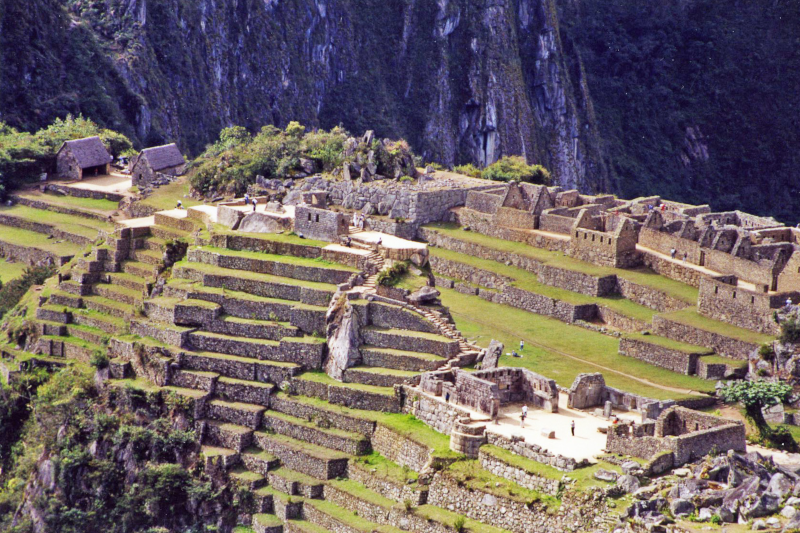
Inca architecture is renowned for its precision and durability. The use of large stones cut to fit together without mortar is a testament to their engineering skills. Structures were designed to withstand earthquakes, a common occurrence in the region. The terraces seen in Machu Picchu are another example of their ingenuity, used to prevent erosion and create arable land for agriculture.
The Cultural and Environmental Significance of Machu Picchu
Machu Picchu’s significance extends beyond its architectural beauty. It serves as a testament to the Inca’s mastery of building in harmony with the natural environment. The city is strategically located on a mountain ridge, making it a perfect blend of human and natural creation, which has puzzled and inspired historians and archaeologists.
Rediscovery of Machu Picchu and Global Recognition
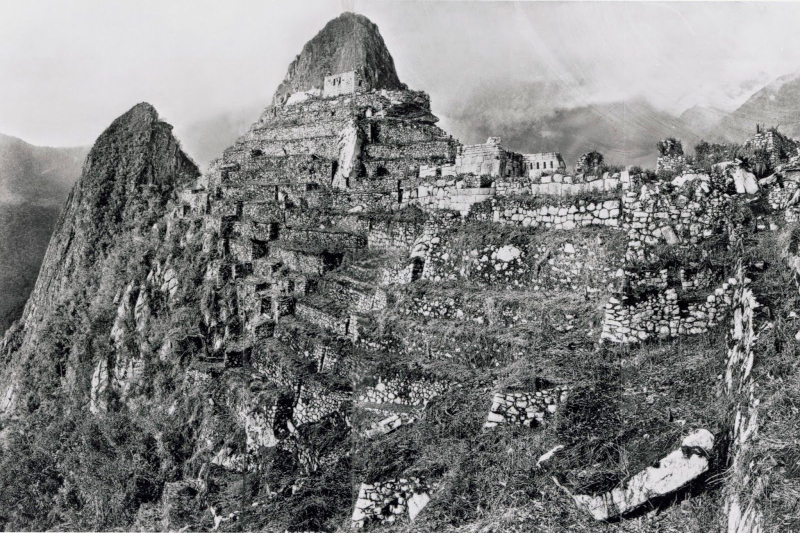
Machu Picchu was largely unknown to the outside world until 1911, when American historian Hiram Bingham brought it to international attention. This rediscovery sparked global interest and led to extensive archaeological research at what is now recognized as Machu Picchu UNESCO World Heritage. Since then, the site’s mystery and beauty have captured the imagination of visitors worldwide, making it a powerful symbol of Peru’s cultural heritage.
Spiritual and Astronomical Importance to the Incas
For the Incas, Machu Picchu was not only a residential estate but also a spiritual and astronomical site. The Intihuatana stone, for example, is believed to have been a ritual stone used to mark the solstices and was critical in the Inca’s agricultural calendar. This integration of spirituality and practicality showcases the depth of Incan knowledge.
Preservation and Conservation Efforts
Preserving Machu Picchu is a significant challenge due to its popularity and environmental factors. The Peruvian government, along with international organizations, works tirelessly to maintain the site’s integrity. Efforts include regulating visitor numbers and implementing measures to prevent erosion and damage, ensuring this historical treasure remains intact for future generations.
Planning Your Visit to Machu Picchu
To fully appreciate Machu Picchu, planning your visit in advance is crucial. Here’s what you need to know before embarking on this unforgettable journey.
Best Time to Visit Machu Picchu
The best time to visit Machu Picchu is during the dry season, from May to October, when the weather is more predictable, offering clear skies for stunning views. However, this period is also the peak tourist season, so expect larger crowds. Visiting during the shoulder months of April and November can provide a balance of good weather and fewer tourists.
Machu Picchu Tickets and Entry Options
Due to its popularity, access to Machu Picchu is regulated, and tickets often sell out quickly. It’s advisable to purchase your tickets well in advance. There are different ticket options available, including entry to Machu Picchu itself, Huayna Picchu, and the Temple of the Moon. Each offers a unique perspective and experience, so consider what aligns best with your interests and physical capabilities.
How to Get to Machu Picchu
Machu Picchu UNESCO World Heritage is accessible primarily through the town of Aguas Calientes, which acts as the main gateway for travelers.
Traveling by Train to Aguas Calientes
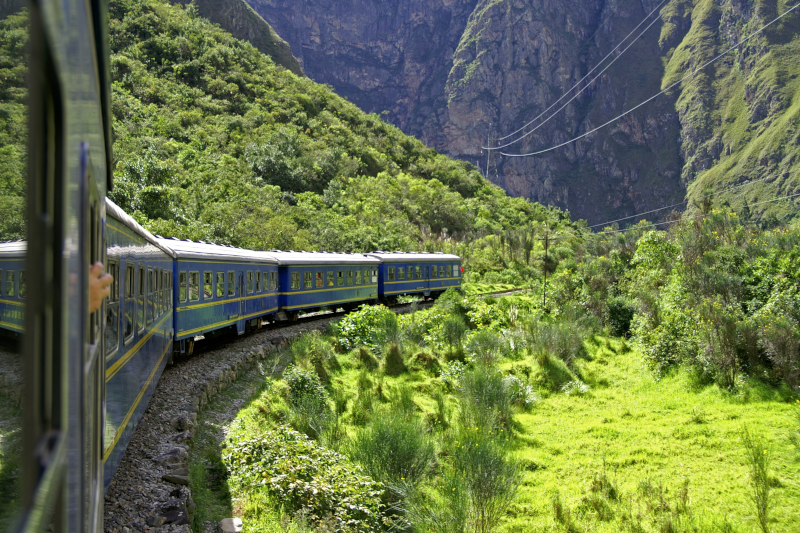
The most popular way to reach Aguas Calientes is by train from Cusco. PeruRail and Inca Rail offer scenic routes with stunning views of the Andean landscape. Trains vary from budget-friendly options to luxurious experiences, each providing a unique way to enjoy the journey through the Sacred Valley’s breathtaking scenery.
Hiking the Inca Trail and Alternative Routes
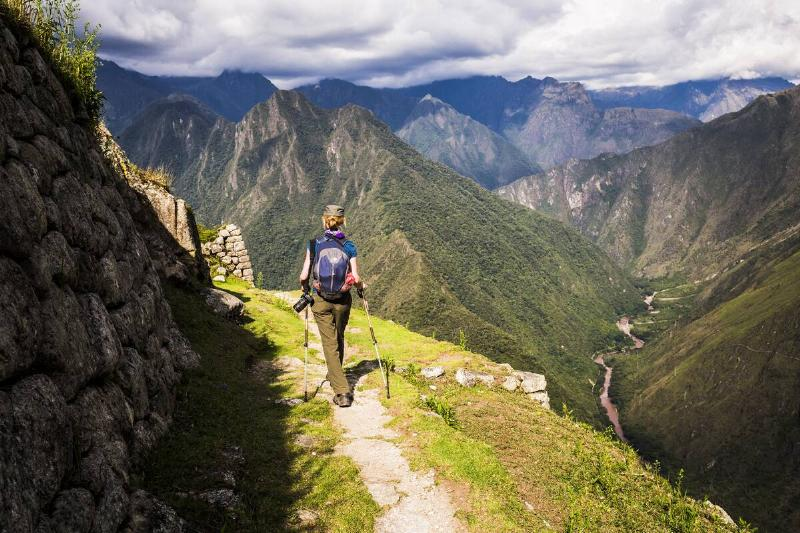
For those seeking adventure, the Inca Trails offer a challenging yet rewarding trek. The classic route is a four-day hike that leads you through diverse ecosystems and ancient ruins before culminating at Machu Picchu. Other trails, such as the Salkantay or Lares, offer alternative routes for those looking to explore less crowded paths while still arriving at the famous citadel.
Alternative Treks to Machu Picchu
Aside from the Inca Trail, there are alternative routes such as the Salkantay Trek and the Inca Jungle Trek. These offer different experiences and landscapes, from high-altitude passes to lush cloud forests. Each trek provides a unique perspective on the Andes and culminates in the awe-inspiring view of Machu Picchu.
Choosing the Right Machu Picchu Ticket
Due to its popularity, access to Machu Picchu is regulated, and tickets often sell out quickly. It’s advisable to purchase your tickets well in advance. There are different ticket options available, including entry to Machu Picchu itself, Huayna Picchu, and the Temple of the Moon.
Understanding Ticket Types and Viewpoints
When planning your visit, consider the different ticket options. A standard ticket grants access to the main citadel, while additional tickets are required for Huayna Picchu and Montaña Machu Picchu, both offering panoramic views. Each ticket type has limited availability, so decide early on which areas you wish to explore to ensure availability.
Rules and Regulations at Machu Picchu
To protect this UNESCO site, strict regulations are in place. Visitors are required to follow designated paths, and certain items are prohibited, such as tripods and drones. These measures help preserve the site’s integrity and ensure a respectful experience for all visitors.
Why Hiring a Guide Enhances Your Visit
Hiring a guide can enrich your experience by providing deeper insights into the history and significance of the sites. Professional guides are well-versed in the history and mythology of the Incas, offering stories and interpretations that bring the ruins to life. Many visitors find that a guided tour enhances their understanding and appreciation of Machu Picchu.
Exploring Machu Picchu’s Main Attractions
Once you arrive, you’ll be greeted with a maze of stone structures, terraces, and plazas, each with its own story to tell.
The Intihuatana Stone
The Intihuatana stone is a ritual stone associated with astronomy. The name translates to “Hitching Post of the Sun,” reflecting its significance in Incan ceremonies. Its precise alignment with the sun demonstrates the Incas’ advanced understanding of celestial events, playing a crucial role in their agricultural planning and spiritual life.
The Temple of the Sun
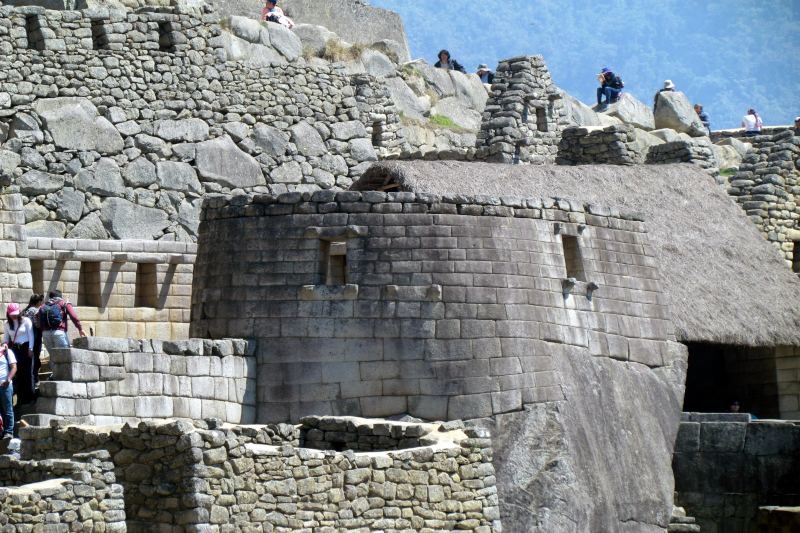
This temple is a prime example of Inca stonework, constructed with precise stone-cutting techniques to honor the sun god Inti. The temple’s strategic placement allows sunlight to enter through its windows during the solstices, creating a mystical illumination that was likely part of sacred rituals. The craftsmanship and spiritual significance make it a must-see site within Machu Picchu.
The Temple of the Moon
Located on Huayna Picchu, the Temple of the Moon offers a mystical experience with its cave-like setting and intricate stonework. This temple is believed to have been used for ceremonial purposes, with its remote and elevated location adding to its spiritual aura. The journey to reach it is challenging, but the reward is a serene and awe-inspiring view.
The Royal Sector
The Royal Sector is thought to have been the residence of the Inca elite. Its well-preserved structures include the Sacred Plaza and the Room of the Three Windows, showcasing the Incas’ architectural prowess. This area provides insight into the lifestyle and sophistication of the Inca aristocracy.
Agricultural Terraces of Machu Picchu
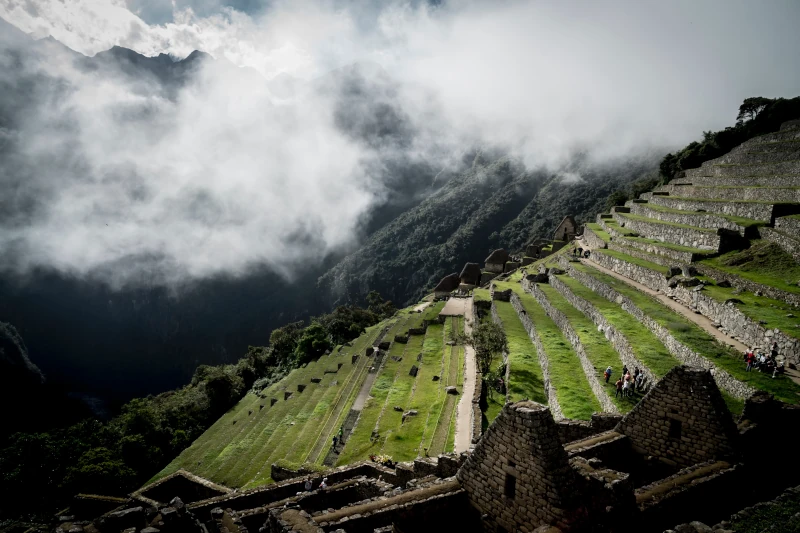
Machu Picchu’s terraces are a marvel of engineering, designed to prevent erosion and maximize agricultural production. These terraces allowed the Incas to cultivate crops in the challenging mountain environment, showcasing their adaptability and innovation. Exploring this area offers a glimpse into the daily life and sustenance of the ancient inhabitants.
Biodiversity Around Machu Picchu
Machu Picchu is not just about ruins. The surrounding area is rich in biodiversity, home to unique flora and fauna including orchids, spectacled bears, and the iconic llamas that roam freely.
Orchids and Plant Life
The region’s biodiversity includes over 400 species of orchids, some of which are endemic to the area. These vibrant flowers add a splash of color to the landscape and are a delight for nature enthusiasts. The diversity of plant life reflects the varied microclimates found within the Machu Picchu sanctuary.
Wildlife of the Cloud Forest
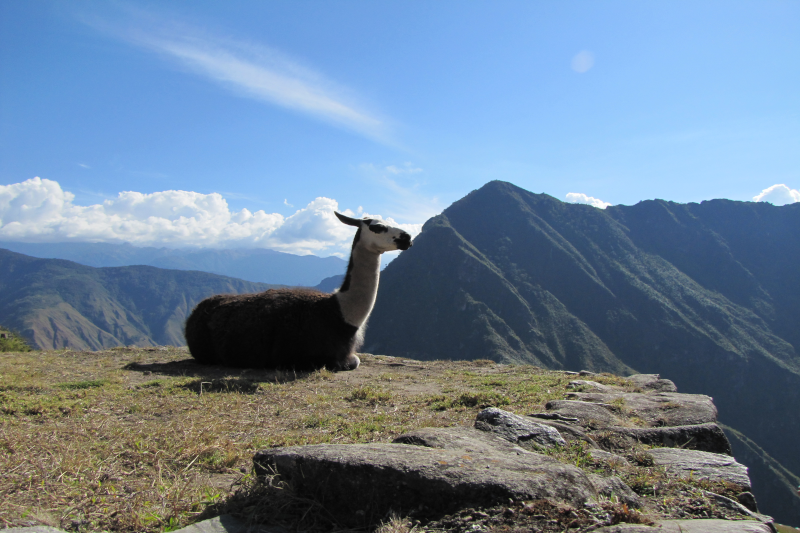
The cloud forest surrounding Machu Picchu is home to diverse wildlife, including the Andean condor, spectacled bear, and various bird species. Llamas, often seen grazing among the ruins, are a favorite among visitors, offering charming photo opportunities against the backdrop of ancient stonework.
Conservation and Environmental Protection
Conservation efforts are crucial to preserving the unique ecosystems around Machu Picchu. These initiatives aim to protect native species and their habitats, ensuring that the area’s natural beauty remains intact for future generations. Visitors are encouraged to respect wildlife and adhere to guidelines to minimize their impact.
Practical Tips for Visiting Machu Picchu
To ensure a smooth and enjoyable visit, consider these practical tips:
Acclimatizing to High Altitude
Cusco is at a high altitude, so it’s important to spend a few days acclimatizing to prevent altitude sickness. Symptoms can include headaches, dizziness, and nausea, which can detract from your experience. Staying hydrated, avoiding alcohol, and taking it easy during your first few days can help your body adjust.
What to Pack for Machu Picchu
Bring comfortable walking shoes, a hat, sunscreen, and plenty of water. Weather in the Andes can be unpredictable, so packing layers is wise to accommodate temperature changes throughout the day. A good camera is also essential to capture the breathtaking views and unforgettable moments.
Guided Tours and Cultural Insight
Hiring a guide can enrich your experience by providing deeper insights into the history and significance of the sites. Local guides offer unique perspectives and stories passed down through generations, adding depth to your understanding of the Inca civilization. Consider joining a guided tour to maximize your visit’s educational and cultural value.
Respecting a Sacred UNESCO Site
As a sacred place, it’s important to respect the environment and follow all guidelines during your visit. This includes staying on marked paths, not climbing on ruins, and refraining from littering. By respecting these rules, you contribute to the preservation of Machu Picchu’s cultural and historical heritage.
Photography Tips for Machu Picchu
Machu Picchu is a photographer’s dream. To capture its essence:
Best Lighting and Timing
Early morning or late afternoon offers the best lighting conditions and fewer crowds. The soft, warm light during these times enhances the natural beauty of the site, creating stunning photographs. Arriving early or staying late also allows for a more peaceful experience, away from the midday rush.
Finding the Best Angles
Explore different angles and perspectives to showcase the grandeur of the site. Climbing to higher vantage points, such as Huayna Picchu or Machu Picchu Mountain, provides panoramic views that capture the site’s scale and majesty. Close-up shots of intricate stonework can highlight the craftsmanship of the Inca builders.
Patience and Composition
Patience is key when photographing Machu Picchu. Waiting for the right moment, especially when capturing shots of llamas against the backdrop of ancient ruins, can make all the difference. Preparing ahead by scouting locations and considering lighting conditions will help you capture memorable images.
Adding Human Perspective
Including human elements in your photos can provide a sense of scale and context. This could be fellow travelers exploring the site or local guides sharing their knowledge. These elements add a dynamic aspect to your photos, illustrating the interaction between people and this historic wonder.
Final Thoughts on Visiting Machu Picchu
Visiting Machu Picchu UNESCO World Heritage is more than a travel destination; it is a journey through time that offers a window into the rich tapestry of the Inca civilization. With its stunning architecture, historical depth, and natural beauty, Machu Picchu remains a powerful testament to the ingenuity and spirit of the Inca people.
Whether you are a seasoned traveler or a cultural enthusiast, Machu Picchu promises an experience that is both enlightening and awe-inspiring. Plan carefully, respect the heritage site, and immerse yourself in the wonder of one of the world’s greatest archaeological marvels.
Embark on your own adventure and discover the mysteries that Machu Picchu has to offer. Safe travels!
Top Tourist Attractions in Cusco, Peru
Cusco or the historical capital of Peru is full of cultural heritage and swing landscapes. The city, which lies at high level in the Andes, links the tourists to most of the iconic sites in South America and the best Attractions Cusco Peru is associated with. You can find old Inca ruins, incredible natural views, or lively markets of the locals, but Cusco is the place that can offer both, which is pristine and memorable. Delve further and you will realize how the historical, the cultural and the natural merge together forming a destination that is at once heart and imagination captivating.
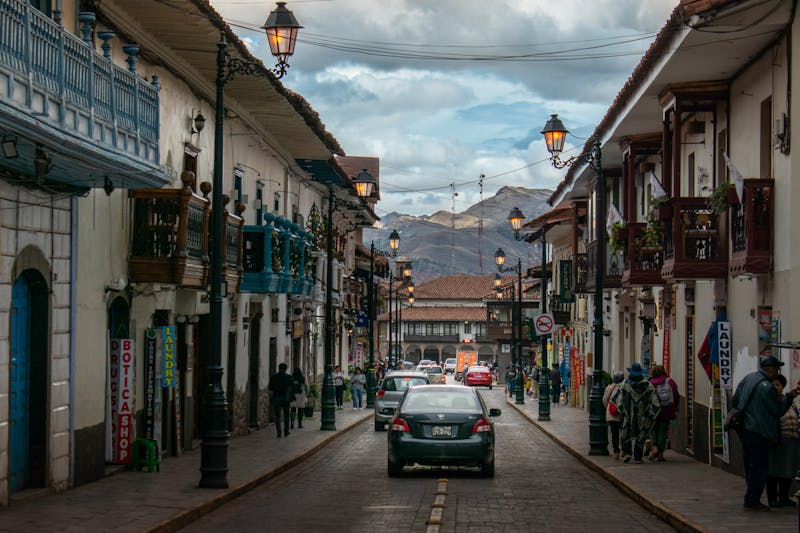
Cusco was used as the prosperous capital of the Inca Empire many years ago. This civilization became well known with its mastery in building the architecture and its enormous impact on the rest of the continent. It is that heritage that the city boasts of to this day. Pieces of great art, colonial buildings, still share some details about the centuries ago. Thus, wandering in Cusco would feel as an extension of living in a museum. All the streets and stones maintain a silent reminder of ancient success.
Exploring the Inca Empire’s Heart
Cusco was at the heart of the Inca world. Therefore, what was written here ruled emperors and made decisions of relevance in its plazas. The past is a present when you are strolling through the city. History comes alive by use of cobblestone streets, ritual squares and remnants of the temples. Moreover, the structure of the city is like a puma which is a holy animal of the Inca faith. There is an element of spiritual symbolism and engineering in this design. It also demonstrates how strongly the Incas related the city planning and the worldview.
The Legacy of Colonial Influence
There was however a transformation of Cusco by Spanish arrival. The city did not fade away, it was redesigned. Spanish constructors erected mansions and churches with very powerful Inca foundations. This has led to a great cultural mix in a number of structures. The Convent of Santo Domingo was made on the site of the Inca Temple of the Sun. This comparison gives an account of conquest, adaptation and surviving. Nowadays, a visitor can clearly observe how one and the same streets were marked by two civilizations.
Preservation of Cultural Heritage
There are growing conservation initiatives in recent years. Cusco was recognized to have global value since UNESCO designated it a World Heritage Site in 1983. Due to this awareness, they have taken good care of historical zones today. Temples, plazas and colonial houses are under restoration efforts. Regulations, on the other hand, serve as a way of bringing about uncontrolled development. Cusco is therefore holding on to its history without necessarily rejecting the modern visitors. Such initiatives will make sure that the future generations will keep learning through its legacy.
Qorikancha: The Golden Temple
Qorikancha is one of the other fascinating landmarks of Cusco. It was named Golden Temple and it was claimed to have named Inti, the Sun God. The wall of the building was covered with gold plates which reflected sunlight in its glory in its prime. Even though the Spanish took away most of that wealth, the stonework of the temple continues to astonish the visitors. The complex today comprises the Convent of Santo Domingo that renders another layer of history and contrast to the eye.
The Architectural Marvel of Qorikancha
Qorikancha was constructed with great accuracy by Incas engineers. They carved the stones in such a way that the stones fit without mortar. Due to this technique the walls are resistant to earthquakes even today. Moreover, constructors also oriented the temple on astronomical events. This planning reveals how much the Incas were connected with architecture, science and spirituality. Their artistry still remains an inspiration to architects and historians across the world.
The Spiritual Heart of the Inca Empire
Qorikancha was not only designed, but it also served as a centre of worship. Inti was worshiped by the priests performing ceremonies at the site. Sacred objects and altars that were covered with gold placed sacred significance on them. Even though conquerors took most of its riches away, the location has a strong atmosphere. Several visitors experience strong energy when they are walking through the remains. The religious meaning, thus, rings up to this day.
The Transformation into Santo Domingo
Spanish leaders transformed the temple into a catholic complex after the conquest. Two buildings were put atop of the first structure; a church and convent. Such transformation was a sign of political and religious superiority. The building is however supported by the Inca stonework. Due to this, the location silently discloses that the knowledge of the Inca survived under their colonial stratum. It is an unquestioned embodiment of cultural endurance.
Sacsayhuamán: The Fortress of Stone
One of the most outstanding constructions of the Inca is Sacsayhuaman that is located high above Cusco. Its zigzagging walls are constructed of huge stone blocks. One stone is placed in another in the most unexpected fashion. Visitors today are unable to put paper between them. Evidently, stone engineering was well undertaken by the Incas. In addition to its historical value, the site also offers the sightseers broad panorama visibility of Cusco.
The Strategic Importance of Sacsayhuamán
Sacsayhuaman was not just a ceremony place. It was one of the strongest defensive fortresses. The warriors of Inca also stood on its high place and monitored the valley and defended the capital. Besides, the fortress was linked to a bigger defense system. The system enabled fast communication and coordinated protection. Thus, Sacsayhuaman puts emphasis on military intelligence and architectural genius. It explains how the Incas applied natural geography to their benefit.
Engineering Feats of the Inca Builders
Sacsayhuaman has a cultural significance other than the historical one. An example is that it is the birthplace of contemporary festivals such as Inti Raymi, the Festival of the Sun which attracts thousands of tourists every year. The festival is a recreation of an ancient Inca ritual and a celebration of winter solstice in the honour of the Sun God. Thus, the site remains a cultural and spiritual attraction site.
Cultural Significance and Modern-Day Celebrations
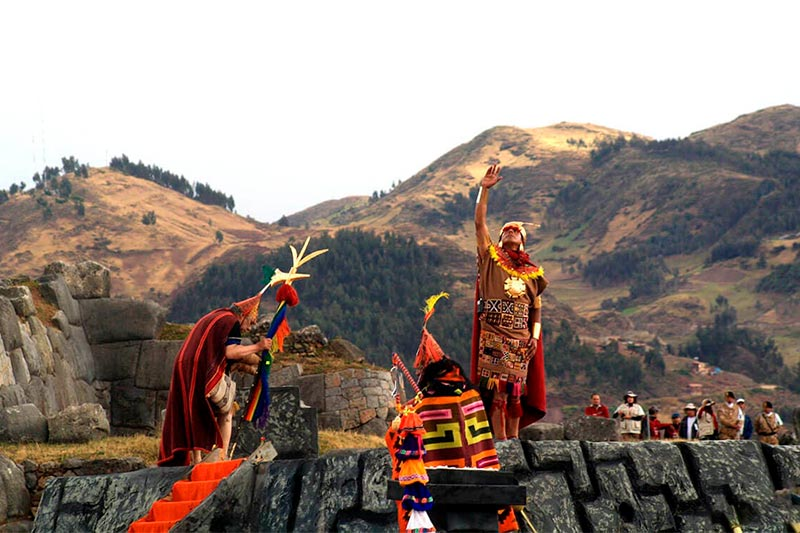
Today, Sacsayhuamán carries cultural importance beyond its historical role. For instance, it hosts modern celebrations like Inti Raymi, the Festival of the Sun, which draws thousands of visitors each year. This festival reenacts an ancient Incan ceremony and celebrates the winter solstice while honoring the Sun God. Therefore, the site continues to serve as a cultural and spiritual landmark.
Natural Wonders and Treks
Cusco as a gateway also leads to breathtaking treks and nature directly associated with the city. The area experiences a wide variety of sceneries with rainforests and mountainous ranges. Due to this diversity, tourists can never get bored with adventure. In addition, the natural wonders augment the rich cultural clothing of Cusco and attract tourists to visit Andes.
The Sacred Valley
One of the most popular activities to do in Cusco is the Sacred Valley where there are fertile lands and beautiful scenery. The Incas used to depend on it in the past. The valley now contains quaint villages, markets and several places of interest such as Pisac and Ollantaytambo. Tours here are therefore an experience of Incan culture and natural beauty.
The Fertile Heartland of the Incas
Sacred Valley was the breadland of the Inca Empire. It had fertile soils and moderate climate which enabled farmers to produce numerous crops. As a result, the population grew due to this abundance which promoted prosperity. Nowadays, they go to terraced landscapes, which remind them of Incan farming innovation. Their experience in agriculture is still noted by these terraces.
Exploring Pisac and Ollantaytambo
Pisac and Ollantaytambo are some of the most significant archaeological attractions in the Sacred Valley. Pisac has impressive agricultural terraces and ruins which show planning and design of Incan architecture. In the meantime, Ollantaytambo hosts great terraces made of stone and an impressive fortress. During the historic times, it served as a military and religious hub by leaders. Thus, the researches of the two sites enhance any insight into the Inca civilization.
Traditional Markets and Local Culture
Sacred Valley also has vibrant local markets where the visitors can explore the culture at the local level, like Pisac Market. Sellers are marketed with fresh produce, home textiles, jewelry, and displayed colorfully. Besides, meetings with craftsmen and peasants give unique cultural experience. In such a way, these markets are not only the places to go shopping, but also to be exposed to the local culture and home-cooked food.
Machu Picchu: The Iconic Inca Citadel
There is no place you can visit in Cusco without visiting Machu Picchu. It remains one of the top tourist attractions in Cusco Peru. This is one of the UNESCO world heritage sites that is usually covered with mist, which contributes to the mystery of the location. Travelers can hike the Inca Trail or choose the train instead. Whichever the case, the trip turns out to be as memorable as the citadel under discussion.
The Mystique of Machu Picchu
Machu Picchu is a site that makes people interested due to its enigma and theatricality. It is located on top of a mountain ridge and has a view of Andes mountain and Uruguamba River. Consequently, each opinion is an eye dropper. The exact purpose of the site remains open in dispute between historians, which further contributes to the mystery of the site. There are those who think that it was used as a royal estate by rulers, but others believe it served as a religious or astronomical position. In spite of the theory, Machu Picchu still enjoys a fascination among the travelers of different parts of the world.
The Inca Trail: A Journey Through History
The Inca Trail ranks among the world’s most famous trekking routes and guides hikers through ecosystems and ancient ruins. In this four day trip, the visitors use routes that were used in the past by the Incas. On their journey, they go through the changing landscape and physical difficulties. At some point, the path leads to the Sun Gate. It is the point where trekkers have a glimpse of Machu Picchu. It is a very strong and satisfying moment and thus many even call it the climax of the trek.
Conservation Efforts and Sustainable Tourism
World bodies and the Peruvian government take all the steps to preserve Machu Picchu. They are conservation-oriented and responsible for tourism. To illustrate, they are working towards environmental protection and management of visitor influence. The government restricts the number of people that can enter everyday and promote sustainability. Due to such activities, the site is in its state. In addition, they should save Machu Picchu as a cultural relic to the following generations.
The Salkantay Trek
Salkantay Trek is preferred by a number of travelers who prefer a less traveled road to Machu Picchu. This route is a challenging, yet highly rewarding one. It traverses cloud forests, mountain valleys and snowy landscapes. Finally, hikers arrive at magnificent views close to Salkantay Mountain. Thus, the expedition is a combination of the beauty of nature and the genuine adventure.
A Journey Through Varied Landscapes
The Salkantay Trek is well known due to its variety of landscape. In a few days, trekkers pass through a number of ecosystems. Originally, they go through green cloud forests. Then they scale up to mountain passes that are high where snowy mountains clog the horizon. Therefore, the scenery is never the same. Every day brings with itself new perspectives and new difficulties. Due to this diversity, the trek can be remembered by several hikers as unforgettable.
The Majesty of Salkantay Mountain
The whole trek is anchored with the Salkantay Mountain at the top of the skyline. The snow-white top of it attracts the gaze of miles. The Salkantay Pass is an important achievement for hikers. Anyone who stops halfway up the mountain needs hard work and perseverance. Nevertheless, that much effort is paid back with the panoramic mountain views. The mountain is also regarded as holy by the local communities. Therefore, the pilgrimage has cultural and religious overtones.
Embracing the Spirit of Adventure
The Salkantay hike’s challenges are more than a physical pose. It challenges tourists to be adventurous, and be close to nature. Gradually, hikers go out of their comfort zones. Meanwhile, they encounter the locals and other trekkers. Such interactions frequently become a long-lasting memory. Eventually, Salkayt Trek demonstrates how travelling can motivate, provoke, and change people who experience the adventure.
Colorful Landscapes
Landscapes of Cusco have remarkable diversity and breathtaking beauty and expose an epic palette of nature marvels. Colored mountains, valleys with fertile soils are just a few of the things that can leave a sight to the pleasure of both the traveling and photographing persons. Besides, both settings tell another tale of nature and time. You find yourself as you pass through the territory; all the valleys, peaks, and tracks beckon you to explore them. Thus, here, visitors do not just see nature, but they relate with it.
Rainbow Mountain: Vinicunca
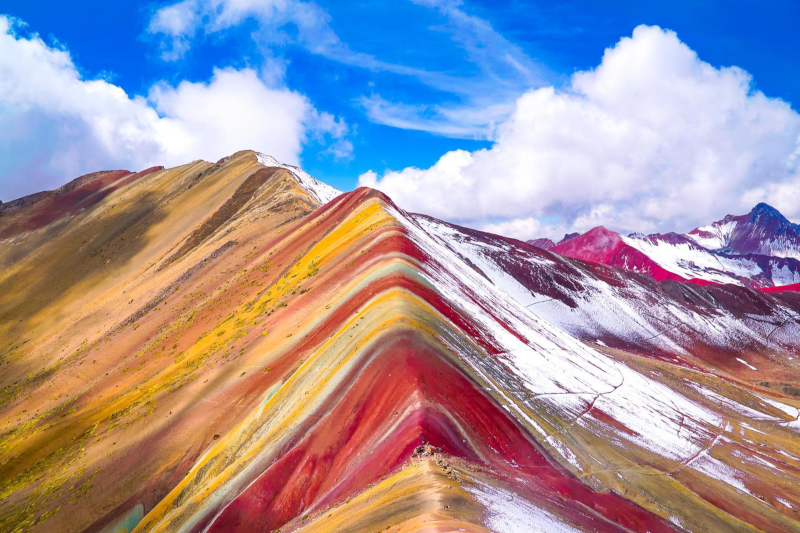
Rainbow Mountain, also known as Vinicunca, has quickly risen as one of the most desired attractions in Cusco Peru. It is a very colorful place, having its bright slopes as a result of strong mineral layers, and they shape a landscape that is almost unrealistic. Consequently, a significant number of the travelers put it on their bucket list. Despite the effort required to hike up it, the expansive Andean scenery delivers on those who hike it. Because of this reason, this experience is termed by many hikers as difficult and memorable.
Geological Wonders and Natural Beauty
The millions of years that created Rainbow Mountain were made up of mineral deposits that formed the colors of the Rainbow Mountain. Red, orange, yellow and green layers cover the slopes and give natural mosaic. As a result, this mountain is one of the most distinctive attractions in the area. Such structures are also used to show how the earth is very active in the field of geology. It is due to this that the site does not only receive tourists but also nature enthusiasts. Numerous visitors stand and stare in silence particularly when they absorb the vivid colors and the dramatic contrast of the color with the neighboring mountains.
The Trek to Vinicunca’s Summit
The hike to Vinicunca is a challenge to stamina and strong will. Given the fact that the route is a high-altitude ascent, the hikers require adequate acclimatization and preparation. Nevertheless, this passage provides an unending satisfaction. On the trails, hikers get panoramic mountain sceneries. Moreover, they usually see llamas and alpacas grazing around. One by one the landscape grows larger beneath them. Lastly, once the hikers are on the summit, they use the experience to celebrate the victory and have panoramic views of the Andes. This is normally the best thing in their trip to Cusco.
The Cultural Significance of Vinicunca
Vinicunca has a profoundly personal meaning to local Quechua communities also. They believe that the mountain is holy, and relate it to their traditional ancestry. Moreover, a great number of families have been dwelling in the communities around such lands since generations. The mountain colors are related to the richness and identity based on culture. As such, respectful tourism is significant in this case. Tourists who take time to learn through the local society are in a better position to have a more beautiful understanding. Travelers get to value the people and the landscape more through conversations and through sharing stories, which appear as a whole.
Cultural Experiences in Cusco
Besides the natural and historical charm, Cusco is also a hub of the living culture. The city is vibrating with everyday traditions, life in the community, and colorful heritage. Consequently, the tourists do not just have sightseeing experiences; they get to explore the real local life. Through the flats, fetes and the street scenes one can see how tradition mingles with new beats. Thus, sightseeing in Cusco can be rather all-inclusive as opposed to being on the periphery.
San Pedro Market
A trip to San Pedro Market is a way to start living the life of the locals. Vendors crowd the stalls with fresh foods, cloth and everything handmade. In the meantime, the rhythmic motion and good-natured conversations make the atmosphere very energetic. Tourists tend to visit to savor such cuisine as ceviche or rocoto relleno. Meanwhile, they encounter locals and they share their culture and cuisine. Due to this fact, there is taste and cultural knowledge in the market.
A Feast for the Senses
The colorful, full-flavored, and energetic sounds, colors, and aromas of San Pedro Market impress the visitors. Bright fruits and fragrant herbs attract attention on your way between the aisles. Besides, the food counters sell traditional snacks and beverages like coca tea. All the sections present new tastes and ingredients of Andes origin. This makes the market a location in which the market learns and also tastes. Most visitors go home having a better insight into Peruvian food.
Artisanal Crafts and Traditional Textiles
Regional practice is also exhibited in the market. Artisans also exhibit ancestral woven fabrics, jewelry and pottery. Moreover, a lot of sellers describe the way they make their works. These handicrafts are a heritage of knowledge and culture. Thus, the purchase of a handmade product is a direct contribution to the local family. More to the point, every one of the pieces has an Andes story behind it.
Connecting with the Local Community
San Pedro Market is a daily gathering of locals. There, families make purchases and gossip and communicate. To the visitor these are moments where they look into the very fabric of life. During basic discussions, they soon become cordial cultural interactions. Consequently, the travelers recollect these encounters even after the excursion is over. The most significant travel memories are typically formed under the influence of personal relations.
Cusco’s Vibrant Festivals
Cusco provides a tribute to its heritage by celebrating it at festivals where people make merry with music, dance, and ritual. Such events preserve the ancient traditions as well as uniting communities. It is seen through the color and sound of color livelihood throughout the year. As such, the scheduling of a visit during one of the festivals can add value to any tour. Visitors that come are sometimes better placed to see the local identity and pride.
The Inti Raymi: A Celebration of the Sun
Inti Raymi stands as Cusco’s most famous festival. It celebrates Inti, the Sun Father and the winter solstice. Actors are dressed up in fancy attires and they re-enact the rituals of the Incas. In the meantime, music and dancing dominate the plazas. This is primarily celebrated at Sacsayhuamun where huge numbers of people attend. As a result, the event is a combination of history, spirituality and spectacle. It is said by many visitors as a heritage of their culture.
Other Festivals and Cultural Events
There are also many other celebrations taking place in Cusco throughout the year. As an example, there are religious processions and traditional dances in Corpus Christi. All of the festivals are some blend of colonial and Indigenous. Due to this mixture, the cultural calendar of Cusco is very heterogeneous and dynamic. Tourists who visit are observing living customs as opposed to exhibits.
Embracing the Spirit of Celebration
Attending local festivals will enable the traveler to identify themselves with the society. These parties are an expression of identity, thankfulness and continuity. They are not mere performances but cultural heritage. When you join them you find how proud people are about their practices. Finally, all these moments enhance cultural popularization and appreciation.
Planning Your Cusco Tour
Various things to include in the Cusco tour would be a combination of history, nature and culture. It could be taken as an example to combine market visits and archeological ones. This equilibrium produces a more enhanced itinerary. Also, careful planning can be used to control the altitude and travel time. One can have a different but satisfying everyday in Cusco, with attitude.
Dry and sunny in the months May to September are the best time to visit it, but since it is peak season, it is always good to book well in advance or you may visit during the months of April and October and have fewer visitors.
Within the center of Cusco, it is easy to walk but guided tours can be used when going to Machu Picchu and Sacred valley whereby taxis and public transport are available to provide a flexible choice.
Conclusion
Cusco is a second to none destination that incorporates history, nature and living culture into a single destination. Tourists will be strolling through ancient ruins, hiking over incredible sceneries, and learning about strong traditions. Due to the difference, every day may seem entirely different. One time you are visiting stone temples, and the next time you are visiting colorful markets or mountain trails. Such diversity makes the journey interesting throughout. As you discover the top attractions in Cusco Peru, the city’s energy and heritage leave a strong impression.
Therefore, start your adventure in Cusco out of curiosity and planning. Every experience is an addition to your narration. Eventually, such instances translate into unforgettable ones. You will still remember the sights, the tastes and the experiences even after you have gone home. Cusco is a fascinating city to see whether you are fascinated with history, nature, culture etc. It beckons you to come and seecand enjoy the city. Ultimately, it is the city of Cusco that impresses, but not to leave a visitor indifferent.
The Gringo trail South America
The Gringo trail South America-Peru is the name given to the traditional and well-trodden routes to travel in South America. An understandably famous package that takes in all of Peru’s most popular attractions.
Most visitors are going to find themselves exploring along this itinerary. at least in part, at one time or another. And for anyone planninga fantastic trip to Peru with limited time but wanting to explore most of the major sights, a trip along the Gringo Trail South America is a great way to experience as much as possible.
Save money and stay safe when going to/from Lima Airport by using the Official Bus service inside the Airport called Airport Express Lima.
How to get fromLima to Cusco and Machu Picchu. Machu Picchu is one of our most sold tour packages to visit One of the seven wonders of the world.
What’s So Special About Peru’s Gringo Trail?
The video shows you the most impressive Gringo trail to Machu Picchu, Peru.
How exactly is the Peruvian Gringo Trail?
Peru offers impressive dream trip packages to the last capital of the Incas, along the South American Gringo trail. All our service is very well organised according to travelers’ needs.
Our second best seller alternative trek to Machu Picchu isLares Trek(4 days and 3 nights).
Where does it go and what are the main attractions along the route?
Well, let’s say you’re flying into Lima. This is the standard starting point for anyone arriving in Peru by air. From Lima, the traditional Gringo Trail is a roughly U-shape route (easily turned into a circle). It lies entirely in the southern half of Peru. Major attractions along the Gringo Trail include:
Lima
Begin in the Peruvian capital, a city that deserves a couple of days at least. Many people pass through all too quickly. However, there are many things to see and do in Lima.
Including some of Peru’s best museums, bars, clubs and restaurants. Then sort out a bus ticket or flight to your next destination along the Gringo Tours itinerary.
Heading south down the coast, you’ll soon arrive in either Pisco or Paracas. Knock back a few Pisco sours, then hop on a boat to the Islas Ballestas and the Paracas National Park.
Ica
Another short hop will take you to Ica and the nearby oasis village of Huacachina. You’re still in the pisco-producing spot. So now you can have a Pisco sour before sand boarding on the giant dunes in the surrounding desert.
Nazca
Head further south to Nazca. It is home to the famous Nazca Lines. The lines are best seen from the air, so go to the aerodrome and hop on a light aircraft.
Arequipa
The white city known as Arequipa is an attractive colonial city with a vibrant atmosphere. Nearby natural attractions make it a popular destination for trekkers and climbers. Colca Canyon and Cotahuasi Canyon are good if you want to head down into the ground, while the El Misti volcano is good for going up. For more information on the white city check out the official Arequipa webpage.
Puno, Lake Titicaca
Head east into the highlands and on towards Puno and Lake Titicaca. Various attractions lie in wait in this spectacular part of Peru. The Floating Islands of the Uros people are an easy (but very touristy) day trip from Puno. History buffs will find plenty more to marvel at in the Puno region. Puno is at high altitude, so watch out for altitude sickness.
Cusco, Machu Picchu
For many travelers, a trip to Cusco and Machu Picchu is the reason for going to Peru in the first place. You can hike the Inca Trail or one of the alternative routes to Machu Picchu. Alternatively, just take the train to Aguas Calientes and board a tourist bus up to the citadel of Machu Picchu. We have a detailed guide for preparing before taking the Inca Trail.
Whether looking for fun at nights, or to watch sports during the day, or even a taste of home, visit the Loki backpacker hostels. They are both in Arequipa and Cusco and is a perfect spot for great food, sports and beer! Entrance to their bars is free even if you are not staying there.
Congratulations! You’ve now completed the Peruvian Gringo Trail (well, kind of: plenty of other interesting attractions lay along the route. The ones mentioned above are just the most popular). You can return from Cusco to Lima by bus via the above route. Or simply take a shorter, more direct route to the west. If you’re short on time, you can quickly fly back to Lima from Cusco.
How Much Time do I Need on the Gringo Trail Tours?
Two weeks is enough time to pack everything in. Especially if you don’t stop off at all the above destinations. Many travelers just do Lima, Nazca Lines, Arequipa, Titicaca, Machu Picchu and Inca Trail. One week is just about enough if you only do a day or two in, for example, Lima, Arequipa, Cusco and Machu Picchu.
But, in a perfect world, you’ll be able to set aside a month so that you can really explore each destination along the route. As well as having the option to stray off the Gringo Trail when you feel like it. While the classic Gringo Trail is great for a whirlwind tour of Peru’s major attractions; Peru obviously has much more to offer and the Gringo tours only scratches the surface.
Did you know? – The Tourist Information Center at Happy Gringo Tours offers important free information for all travelers to Peru.
It is, however, a popular Peru itinerary for great reason. The sites are fascinating, the tourist infrastructure is good; the route is relatively easy to navigate and importantly it allows you time to acclimate before the Inca Trail to Machu Picchu.
Our Recommendation:
We always recommend this route to our clients coming to visit – we strongly suggest you check out Happy Gringo Tours site. Happy Gringo Tours is a modern company providing organic Peruvian food on tours to Peru, treks to Machu Picchu and specials tours in Cusco
The itineraries are completely flexible and are valid for over a year giving you plenty of time to acclimatise to the thinner air and help prevent any issues upon arriving to Cusco. Happy Gringo has hotel and hostel pickups and drop offs included too which helps when you have a heap of luggage and some new Alpaca scarves!
If this has piqued your interest, and you intend to make plans for an amazing trip to Peru, Gringo tours suggest you check out Gringo Trail Peru, a tour comparison website with heaps of info and all the different options for taking that trip of a lifetime.
Choquequirao Trek Vs Salkantay Trek
If you love to discover the trails of Machu Picchu and experience the enthralling trekking routes, the most famous one is Salkantay Trek, but what about Choquequirao Trek. There are a few amazing facts and differences between these trekking routes that we are going to discuss in this article Choquequirao Trek Vs Salkantay Trek.
So, all the excursions to Machu Picchu have a similar commencing point, Cusco. Both these trek routes start at the same place. Yes, but there is a distinction at the end destination of both routes. In this article Choquequirao Trek Vs Salkantay Trek we will tell you all about them.
Once you are clear about where you want to end your exploration you can select any of the trekking excursions. If we talk about the Salkantay trek’s end destination it reaches the Incas City while Choquequirao’s ending point is Hidden Machu Picchu.
The Salkantay Route
The modern route to Machu Picchu is the Salkantay trek. If you follow this Salkantay Trekto get to Machu Picchu you have to travel fifty-eight kilometers surrounded by truly unbelievable landscapes and a terrific glacial lake very close to the Nevado Salkantay.
This route is one of the most famous routes. So there is no trouble with space since the trails are wide. For accommodation, you choose to stay in the campsites or you can also spend a night in the glass igloo in the middle of the valley.
Choquequirao Trek
The end destination to this Choquequirao Trek is Hidden Macchu Picchu at Choquequirao. It is inferred as the last oasis to the Inca Empire. It is considered one of the most glorious places in South America which adds historical value to this place.
You have to be prepared to walk 48 km at a high altitude, encircled by mountain gods. The views of the snow-capped mountains, valleys, and Apurimac River canyon are sensational. This route is lesser crowded and if you want to experience adventure and tranquillity you must choose this unique route.
As Salkantay, you can’t sleep throughout the tour as it is at such a high altitude. So, if you dare to experience an unforgettable adventure, you can surely go for this route.
Summing-up
In this article, all the qualms about Choquequirao Trek Vs Salkantay Trek have been resolved. So, now you can make your mind according to your curiosities that whether you want to choose Choquequirao trek or Salkantay Trek. Well, both these routes will definitely be going to give you an amazing experience.
Include great choices – It makes your trip easier as you will have no further load of paying for the tickets at different sites as you will pay it at once.
Little planning – It eases your vacation planning as you will need not worry about the entrance.
7 Tips To Avoid Altitude Sickness in Cusco & Machu Picchu
7 Tips To Avoid Altitude Sickness in Cusco & Machu Picchu
One of the first things most people think of when travelling to Cusco and Machu Picchu is altitude sickness.
Altitude sickness happens for most people with symptoms like headache, nausea, dizziness, tiredness and sometimes vomiting in severe cases. The reason for getting altitude sickness is because of a lack of oxygen and your body uses all of its energy to give out these symptoms.
Cusco is at an altitude of 3400 meters above sea level and Machu Picchu sits at 2400 meters above sea level. Altitude sickness here is bound to hit you sooner or later without the right preparations.
So we have listed 7 Tips To Avoid Altitude Sickness in Cusco & Machu Picchu. We believe this will help you have the best adventure of your life!
Try to get used to the altitude.
One of the first things you can do is get used to the altitude change by staying in the Sacred Valley of the Incas for 1-2 days after going to Cusco. The villages in the Sacred Valley are at an altitude below 3000 meters above sea leve. They are not as high as that of Cusco. Because altitude sickness symptoms usually hit within 24 hours for most people, you will be used to the change by the time you are in Cusco.
Go at your own pace.
Sometimes higher altitudes are harder to deal with because it can depend on the age, gender and physical fitness of an individual. For instance, it has been found that elderly people, especially women with cardiovascular diseases, arthritis, hip problems etc should take extra care and go at their own pace when hiking at high altitude regions like Cusco and Machu Picchu.
Don’t take any drugs or alcohol.
It is always a good idea to avoid drugs or alcohol 3-4 days before you travel to Cusco or Machu Picchu. This is because even a single glass of vodka or any other liquor can make your altitude sickness symptoms worse! This applies to any sleeping aids too, so make sure to talk to your doctor about this.
Stay hydrated at all times.
Make sure to stay hydrated at all times. Preferably drink at least 3-4 litres per day when you are in Cusco or Machu Picchu. This will help you to avoid altitude sickness symptoms like nausea and dizziness.
Try some natural remedies.
One of the most popular natural remedies for altitude sickness is drinking coca tea. It is okay to drink about 1-2 cups per day for mild altitude sickness symptoms. You can also try other natural remedies like drinking ginger tea and using peppermint essential oils.
Go with an Oxishot.
Oxishots are cans containing about 8 litres of oxygen. You can take buy them in Cusco and also take to Machu Picchu. Understand that it’s mostly the lack of oxygen in the body that makes you all tired and nauseous.
Take some altitude sickness medications.
Altitude sickness medications such as Acetazolamide, or Diamox, can be taken 24 hours before you go to a high altitude region to prevent altitude sickness symptoms. However, you have to talk to your doctor about this as they are not given over the counter.
6 Do’s and Don’ts of Hiking in Peru
Hiking in Peru is a once-in-a-lifetime experience that offers breathtaking scenery, rich cultural heritage, and challenging trails. Whether you are a seasoned hiker or a novice, there are certain do’s and don’ts that you need to keep in mind to make the most of your hiking experience in Peru. In this article, we will discuss six essential do’s and don’ts of hiking in Peru.
Do’s of hiking
1. Research and plan your hike in advance
Peru is home to some of the most beautiful and diverse landscapes in the world, and there are countless hiking trails to explore. Before you set out on your hike, make sure you research the trail, its difficulty level, and the weather conditions. Plan your itinerary, book your accommodations, and pack accordingly.
2. Stay hydrated
Hiking in Peru can be physically demanding, and the high altitude can make it even more challenging. It is essential to drink plenty of water to avoid dehydration. Carry a reusable water bottle and refill it at every opportunity.
3. Respect the environment and the local culture
Peru has a rich cultural heritage, and many of the hiking trails pass through sacred sites and protected areas. The Inca Trail and the Lares Trek are among these trails. It is important to respect the environment and the local culture by staying on designated trails, avoiding littering, and respecting the local customs and traditions.
4. Dress appropriately
The weather in Peru can be unpredictable, and it is important to dress in layers to stay comfortable. Wear sturdy hiking boots, a hat, and sunscreen to protect yourself from the sun.
5. Hire a guide or join a group
If you are not familiar with the hiking trails in Peru, it is recommended that you hire a guide or join a group. A knowledgeable guide can help you navigate the trails, provide valuable information about the local flora and fauna, and ensure your safety.
6. Do take breaks and enjoy the view
While hiking in Peru can be physically demanding, it’s also an opportunity to immerse yourself in nature and take in the breathtaking views. Take breaks along the trail to rest, hydrate, and enjoy the scenery around you. Don’t rush through the hike, but take the time to fully appreciate the beauty of your surroundings. Some trails, like the short trek to Vinicunca, offer unique views of the Andes.
Don’ts of hiking
1. Don’t hike alone
Hiking in Peru can be dangerous, especially if you are not familiar with the area. It is important to hike with at least one other person to ensure your safety.
Hiking with a partner or a group can provide an extra layer of safety, especially in case of an emergency. If you’re traveling alone, consider joining a hiking group or hiring a local guide who is familiar with the area. A guide can offer valuable insights into the terrain, weather, and potential hazards, as well as provide assistance in case of an emergency.
2. Don’t ignore the signs
Many of the hiking trails in Peru pass through protected areas, and there may be restrictions on hiking in certain areas. It is important to obey the signs and stay on designated trails.
3. Don’t underestimate the altitude
Peru’s high altitude can make hiking more challenging than usual. It is important to acclimate yourself to the altitude before embarking on a strenuous hike.
4. Don’t leave trash behind
Peru’s natural beauty is one of its most precious assets, and it is important to leave no trace. Carry your trash with you and dispose of it properly. Leaving no trace while hiking in Peru is not only a matter of respect for the environment but also a responsible way to ensure the preservation of the natural beauty for future generations.
5. Don’t ignore your physical limits
Hiking in Peru can be physically demanding, and it is important to listen to your body. If you feel tired or experience any discomfort, take a break or turn back.
6. Don’t ignore weather warnings
The weather in Peru can be unpredictable, and it’s important to pay attention to weather forecasts and warnings. Don’t embark on a hike if there are warnings of heavy rain, thunderstorms, or other dangerous weather conditions. It’s better to reschedule your hike than to risk your safety.
Inca Agriculture and Sustainability: Harmony with the Land
The Inca Empire was vast and varied. Stretching across diverse landscapes, they faced unique agricultural challenges. Yet, they thrived, often sustainably.
Incan farmers were innovative and astute. Through terracing and crop rotation, they maximized yield and land health. Their approach offers insights for today’s sustainability pursuits.
This article delves deep into Inca agricultural practices. It explores how ancient wisdom can guide modern sustainability. Join us as we uncover the secrets of the Incas’ harmonious relationship with the earth.
Cultivating the Earth: The intricate methods of Inca Agricultural Practices
Inca Agriculture was not just about planting and harvesting. It was a symphony of innovation, nature, and spirituality. The Incas understood their diverse landscape profoundly. To counter uneven mountainous terrains, they developed terracing. The terraces of Tipon are prime examples of this genius.
Terracing reduces soil erosion and maximizes planting space. This allowed optimal sunlight and efficient water distribution. Moreover, the Incas practiced crop rotation. This ensured soil health and increased agricultural production. Crop rotation also minimized the risk of pest infestations. Thus, it wasn’t mere farming; it was sustainable agriculture.
Inca Agriculture also intertwined with the Inca’s Spiritual Traditions. For them, earth wasn’t just a resource. It was Pachamama, or Mother Earth, deserving reverence. They believed in giving back to the land. Rituals and ceremonies accompanied key agricultural events. These practices underscored the Inca’s gratitude and respect.
Their extensive knowledge of local microclimates was remarkable. They exploited these differences to grow diverse crops. From potatoes in cold highlands to maize in warmer valleys, they had it all covered. Such depth in agricultural knowledge is inspiring even today.
Today, as we grapple with sustainability challenges, revisiting Inca Agriculture provides insight. The intricate methods they employed were not mere strategies. They were born from a profound bond with the earth. As modern farmers, there’s much to learn from this harmony. The Incas showcased that agriculture can flourish without harming nature. It’s a lesson that resonates now more than ever.
The circle of life: Inca Farming cycles and crop diversity
Inca Agriculture thrived on understanding life’s cycles. Observing nature, they learned the rhythms of the seasons. Their farming calendar harmonized with these natural patterns.
The Sacred Valley showcased this harmony best. It was a vital agricultural hub, pulsing with diverse crops. Depending on the season, different crops dominated the landscape.
Crop diversity was more than just variety. For the Incas, it ensured food security and soil health. Each crop had a specific time and place. This minimized competition and optimized growth. Such wisdom allowed them to grow over 3,000 potato varieties.
Quinoa, maize, beans, and many others found a place in Inca Agriculture. Each had a unique role in the farming cycle. For instance, maize was vital for ceremonies and daily sustenance. Quinoa, rich in protein, fortified their diet. By diversifying, they fortified their empire against famine.
Yet, tracking this intricate cycle was crucial. That’s where Qhipus came into play. These knotted strings helped in recording agricultural data. It’s fascinating how, without written language, they kept such detailed records.
Inca Agriculture wasn’t static. As they expanded, they integrated new crops and techniques. But the core remained: respect for the land and its cycles. By tapping into the circle of life, they cultivated resilience.
Today, modern farmers can learn from this. Understanding local cycles and diversifying crops is key. The Incas offer a timeless model for sustainable, bountiful farming. In a world facing climate change, their wisdom is indispensable.
Environmental stewardship: Inca Wisdom and ethical approach to agriculture
The Incas weren’t mere farmers. They were stewards of the environment. Their farming methods prioritized the land’s well-being.
Understanding nature’s needs was paramount. They believed in giving back to the soil they tilled. Crop rotation was a primary technique. It rejuvenated the earth and ensured sustainable yields.
Water management was another focus area. Channels were constructed to distribute water efficiently. This avoided wastage and maintained soil moisture. Their approach wasn’t about exploiting, but coexisting.
The spiritual relationship shaped their agricultural decisions. Every seed sown, every crop harvested was a ritual. This wasn’t just about sustenance; it was a pact with nature.
Their ethical approach extended to terracing. It combated soil erosion in mountainous regions. The result was a landscape that harmonized with its surroundings. Today, these terraces stand as testaments to Inca ingenuity.
Such wisdom is crucial in today’s world. With climate change challenges, we need sustainable solutions. The Incas provide a blueprint, showing balance and respect.
For a firsthand experience of this legacy, there’s no better way. Consider a Vilcabamba Trek to Machu Picchu. Or perhaps, embrace the 4 Day Inca Trail. These journeys offer more than just scenic beauty. They’re a walk through ancient agricultural marvels.
So, as you tread the paths the Incas once did, reflect. Their commitment to environmental stewardship is a lesson. It invites us all to farm with ethics and care.
Andahuaylillas: Peru’s Hidden Gem of Colonial Art
Deep within Peru lies a treasure, often overshadowed by Machu Picchu’s grandeur. The small town of Andahuaylillas beckons art enthusiasts. It’s a colonial-era marvel awaiting discovery.
Tucked amidst the Andean mountains, this town is a canvas of intricate colonial art. Tourists seldom tread these cobbled streets. Yet, its artistry rivals world-renowned European galleries.
As we journey into Andahuaylillas, prepare to uncover Peru’s less-traveled historical path. Beyond Incan ruins, the nation’s colonial soul thrives. Dive in and let its story unfold.
Andahuaylillas: Unveiling the artistic marvel of the Peruvian Highlands
Nestled deep within the Peruvian Highlands, Andahuaylillas is an artistic treasure. It’s more than just a town. It’s a vibrant canvas of colonial beauty.
While most travelers flock to the famed Sacred Valley, few venture to this hidden gem. Yet, its cultural significance is undeniable.
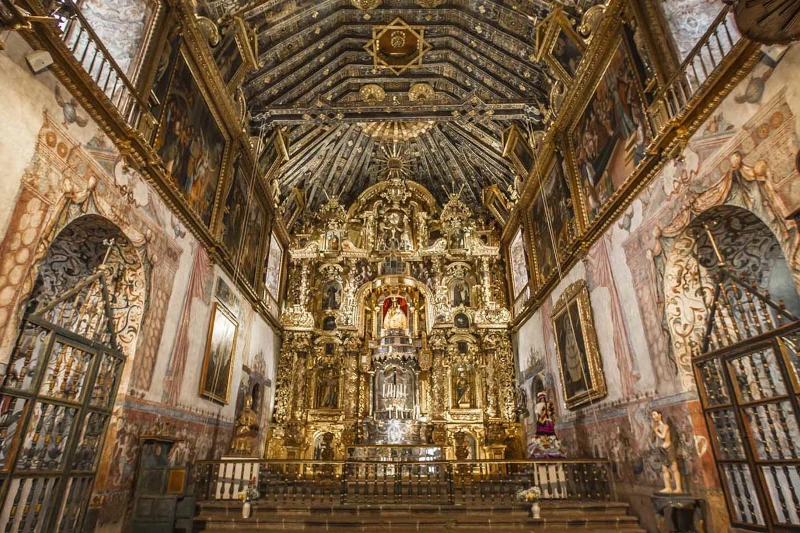
Its central masterpiece is the town’s baroque church. On its walls, intricate frescoes narrate tales of faith. Hand-carved wooden altars glisten with gold leaf.
Every corner whispers stories of the past, captivating the soul. Visitors often stand in awe, absorbing the surrounding grandeur.
Not far from Andahuaylillas, the ruins of “Pikillaqta” beckon. While they showcase pre-colonial wonders, Andahuaylillas represents colonial artistic prowess. Together, they present a balanced tale of Peruvian history. One of ancient civilizations, and another of foreign influence.
Local artists played a pivotal role in this blend. They merged indigenous themes with colonial techniques. The result is a unique fusion of Andean and European artistry. This amalgamation is evident in every mural, every sculpture.
Guides often describe Andahuaylillas as an open-air museum. Its streets are a testament to timeless artistry. Every home, every plaza, echoes the rich artistic legacy. It’s a haven for art enthusiasts and historians alike.
But beyond the art, the town’s spirit shines. Residents greet visitors with warmth and pride. They’re eager to share their town’s tales, its hidden nooks. For they know, Andahuaylillas is not just a place; it’s a legacy.
Bypassing Andahuaylillas on a Peruvian tour is a missed opportunity. It offers a rare glimpse into colonial art’s evolution. With every visit, another layer of its artistry is unveiled.
So, next time you’re in the Highlands, take a detour. Witness the artistic marvel that is Andahuaylillas.
The rich history and architecture of Andahuaylillas’ Colonial Church
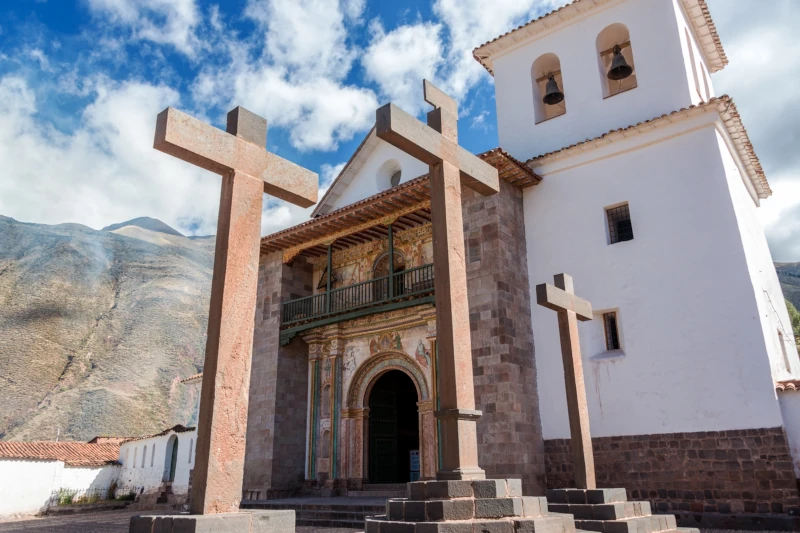
In the heart of Andahuaylillas, a remarkable structure stands out. It’s the town’s colonial church, a historic gem. This edifice epitomizes a blend of cultures.
Unlike the nearby town of Chinchero, Andahuaylillas bears Spanish colonial influences. Yet, it embraces subtle remnants of the Inca Empire. This amalgamation is most evident in its church.
Constructed during the 16th century, the church mirrors baroque architectural elements. Its facade, seemingly simple, hides intricate interiors. Inside, walls adorned with frescoes captivate every visitor’s gaze.
The nave boasts hand-carved wooden altars, laden with gold leaf. These are not mere decorative pieces. They are testimonies to the church’s opulence during colonial times.
Stunning murals narrate biblical tales with an Andean twist. Local artists painted these masterpieces, blending Inca motives with European techniques. The result? An exceptional showcase of transcultural artistry.
Vaulted ceilings, painted in deep hues, draw eyes upwards. Delicate stucco work adds to the interior’s charm. Each design, meticulously crafted, speaks of artistic dedication.
The church’s architecture is not its only highlight. Its history is equally intriguing. During the Spanish conquest, religious structures played pivotal roles.
They weren’t just places of worship. They symbolized power, control, and indoctrination.
Yet, Andahuaylillas’ church stood unique. While it projected Spanish dominance, it echoed Andean spirit. Locals embraced the church, making it their own. They infused their traditions, ensuring their heritage thrived.
The church stands today, witnessing times gone by. Visitors from across the globe marvel at its beauty. It’s more than just a building. It’s a testament to resilience, integration, and art.
In essence, Andahuaylillas’ Colonial Church is a historical treasure. One that narrates tales of two worlds converging. Within its walls, the essence of a time when two great cultures met thrives. Every corner, every mural, preserves a rich legacy awaiting discovery.
A journey through time: Exploring the Colonial Art Treasures of Andahuaylillas
Amidst the Peruvian Highlands, Andahuaylillas awaits discovery. This quaint town hides a historical and artistic wealth. A journey here is a step back in time.
The crown jewel is its colonial church. Built in the 16th century, it exudes baroque splendor. But its interiors hold the true magic.
Stepping inside, visitors encounter a visual feast. Frescoes line the walls, each narrating biblical tales. Yet, these aren’t ordinary depictions.
Local artists infused Andean motifs into these paintings. This blend of Incan and European styles is breathtaking. Each mural unfolds stories of faith and culture.
Gold-laden altars contrast vividly with earthen hues. Delicate stucco work showcases impeccable craftsmanship. Every element, meticulously curated, reflects a bygone era’s essence.
Beyond the church, Andahuaylillas offers more. Its streets, plazas, and homes echo its artistic legacy. Every corner seems to hold a hidden treasure.
But what makes Andahuaylillas truly special? It’s the harmonious blend of two worlds. Spanish colonial influences merge seamlessly with Incan traditions. The result is a unique, transcultural artistry.
Visitors often leave with a profound appreciation. The town offers a perspective rare in modern travels. It’s a window into a time of cultural convergence.
Yet, Andahuaylillas is just one facet of Peru’s wonders. After diving into colonial art, why stop there? The country’s landscapes and history beckon further.
In conclusion, Andahuaylillas offers a journey like no other. It’s an exploration of art, culture, and history. So, if you’re seeking a unique Peruvian experience, start here. But remember, the journey doesn’t end; it only begins.