Machu Picchu is a haven for wildlife enthusiasts. Its ancient stones are home to diverse species. This guide explores the animals in Machu Picchu.
Located in Peru, this site boasts a rich ecosystem. Visitors can spot rare animals amidst the ruins. Our article highlights these fascinating creatures.
Expect to see colorful birds and elusive mammals. From the Andean condor to the spectacled bear, diversity thrives. Each species adds to the mystique of Machu Picchu.
Our guide offers insights into their habitats. We provide tips for spotting these animals. Your visit can be both educational and thrilling.
Conservation efforts play a crucial role here. They ensure the survival of Machu Picchu’s fauna. Learn how you can contribute to their preservation.
Embark on a journey through this ancient wonder. Discover the animals that call it home. Machu Picchu awaits with its hidden natural treasures.
Discovering the Wild Inhabitants of the Lost City: A Guide to Machu Picchu’s Fauna
Nestled in the heart of Peru, the Sanctuary of Machu Picchu offers more than ancient ruins. It shelters a vast array of wild animals. These creatures inhabit the lush cloud forests surrounding the site.
Among the greenery, the national bird of Peru thrives. Known as the Andean cock-of-the-rock, it dazzles with vibrant red plumage. Observers find it mainly in the dense undergrowth.
High altitudes do not deter the giant hummingbirds. These remarkable birds, the largest of their kind, navigate through thin air with ease. Their presence adds a unique charm to the sanctuary.
The Andean Bear: A Gentle Giant Among the Ruins
The Andean bear, also known as the spectacled bear, roams the area. This species stands out as the only bear native to South America. It has adapted well to life at high elevations.
Spectacled bears, named for their distinctive facial markings, feed mostly on plants. They play a crucial role in their ecosystem. Unfortunately, they are considered an endangered species.
Efforts to protect these bears within the Historic Sanctuary of Machu Picchu have increased. Conservationists work hard to preserve their natural habitat. Visitors might catch a glimpse of these elusive creatures.
The Diverse Avian Life: From Condors to Hummingbirds
Birdwatchers find the sanctuary a paradise. Over 400 bird species call this place home. They range from majestic Andean condors to tiny hummingbirds.
The cock of the rock, Peru’s national bird, often steals the spotlight. Its bright plumage and unique courtship dances captivate onlookers. Males gather in groups to perform for potential mates.
Giant hummingbirds, despite their size, hover with grace. They feed on nectar from a variety of fruits and flowers. These birds represent the incredible adaptability of life at high altitudes.
Mammals of the Ancient City: A Glimpse into Their World
The sanctuary also provides refuge to several mammal species. The Andean deer, known for its agility, navigates steep terrains effortlessly. This animal is vital to the ecosystem’s balance.
Machu Picchu animals include more than just the famous spectacled bears. Smaller mammals, like the Andean fox, contribute to the diversity. They all share the sanctuary, from predators to prey.
Visitors hoping to spot these animals should remain patient and respectful. Disturbing the animals can harm their natural behaviors. Guides can help locate them without causing stress.
The sanctuary’s management takes conservation seriously. Protecting the animals in Machu Picchu ensures their survival for future generations. Each species plays a role in the ecological web.
Tourism impacts wildlife, but it can also aid in conservation. Fees contribute to maintenance and protection efforts. Tourists become advocates for the sanctuary’s preservation.
Education plays a key role in these efforts. Understanding the importance of each creature encourages respect. The sanctuary educates visitors about the delicate balance of nature.
Planning Your Visit: Tips for Wildlife Watching
Those planning to visit Machu Picchu should prepare for an adventure. The best times to observe wildlife are early morning or late afternoon. Animals are most active during these hours.
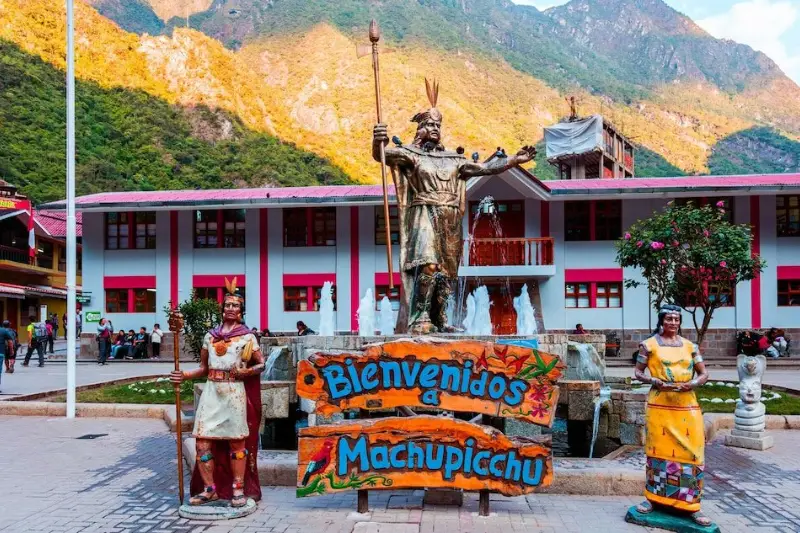
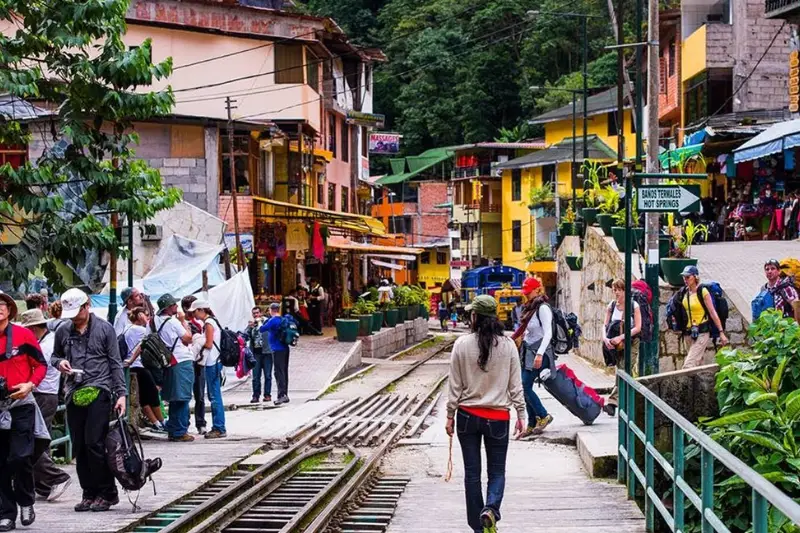
Aguas Calientes serves as the gateway to the sanctuary. From here, travelers can embark on their journey to the ancient city. The town offers information and resources for tourists.
Guides with knowledge of the area enhance the experience. They know where animals are likely to be found. Their expertise ensures a rewarding visit.
A Living Museum of Natural Wonders
The Historic Sanctuary of Machu Picchu is a testament to nature’s resilience. It supports a variety of life forms, from endangered species to common birds. This diversity enriches the experience of every visitor.
Protecting these animals is a shared responsibility. Efforts to preserve their habitats benefit the entire planet. The sanctuary stands as a model for conservation worldwide.
Visiting Machu Picchu offers more than a historical lesson. It provides a unique opportunity to connect with nature. The animals in Machu Picchu remind us of the world’s beauty and fragility.
Importance of the Inca Trail Peru
The Inca Trail in Peru is more than just a trek. It’s a journey through time, a pilgrimage into the heart of an ancient civilization.
This iconic path, etched into the rugged Andean landscape, leads to the mystical city of Machu Picchu. It shows the engineering skills of the Inca Empire. They built a network of stone paths and steps many centuries ago.
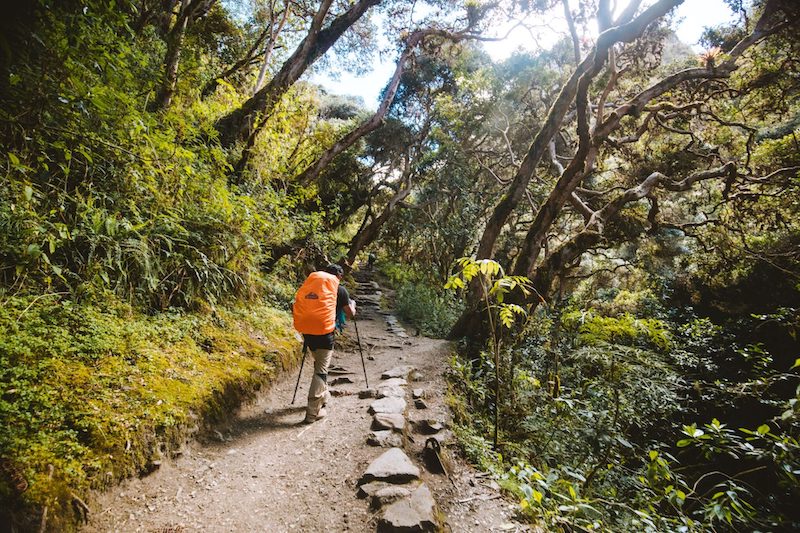
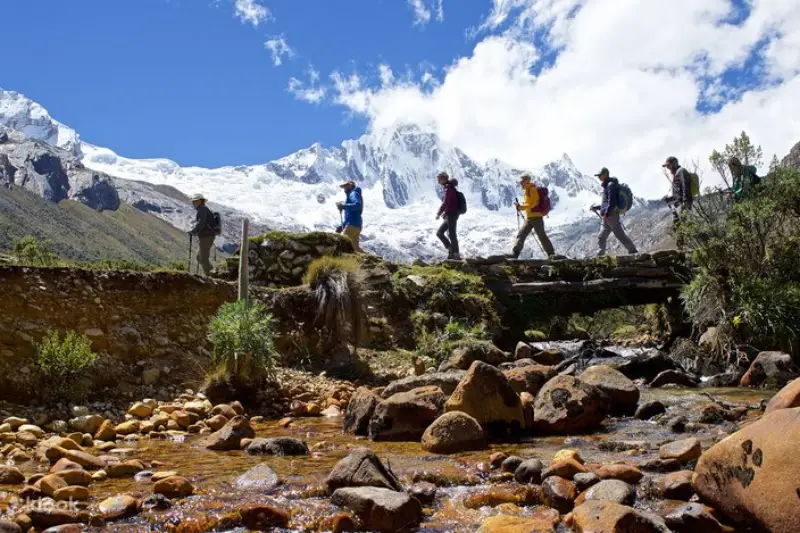
But the Inca Trail Peru is not just about the destination. It’s about the journey itself. The trail goes through different environments, like cloud forests and alpine tundra. It provides beautiful views of snowy mountains, rivers, and old terraces.
Along the way, trekkers encounter numerous archaeological sites. These ruins, hidden amidst the natural beauty of the Andes, offer a glimpse into the Inca’s rich cultural heritage. They serve as silent reminders of a civilization that once thrived here, their stories etched into the stones.
The Inca Trail Peru
The Inca Trail is also a spiritual journey. It was a sacred path for the Inca, leading to their most hallowed city. Today, many trekkers describe the experience as transformative, a chance to disconnect from modern life and reconnect with nature and history.
Yet, trekking Inca Trail is not without challenges. The trail’s steep ascents and descents test the physical endurance of even the most seasoned trekkers. Acclimatization to high altitude is crucial, as is proper gear and preparation.
Responsible trekking practices are also essential. With the trail’s growing popularity, concerns about over-tourism and its impact on the site have arisen. It’s important to tread lightly, respecting the sacredness of the land and the local communities that call it home.
The Inca Trail is a shared experience, fostering camaraderie among trekkers. It’s a journey that transcends borders and cultures, uniting people in their shared awe of the Inca’s architectural feats and the trail’s natural beauty.
For many, trekking the Inca Trail is a bucket-list adventure. It’s an opportunity to walk where an ancient civilization once thrived. You can watch the sunrise over Machu Picchu and feel the beauty of the Andes.
This article aims to guide you through this journey. It will delve into the historical and cultural significance of the Inca Trail, provide practical advice for trekking responsibly, and inspire you to embark on this unforgettable adventure.
So, lace up your hiking boots and prepare to step back in time. The Inca Trail awaits.
The Historical Significance of the Inca Trail Peru Machu Picchu
The Inca Trail stands as a monumental tribute to the ingenuity of the Inca civilization. This legendary path is a critical part of the broader Andean road network called Qhapaq Ñan. It served myriad purposes, facilitating trade, communication, and religious practices across the empire’s vast reaches.
The trail’s construction highlights the Inca’s exceptional engineering skills. They adeptly laid it out over challenging terrains, ensuring accessibility to remote areas. Moreover, its sophisticated design allowed for efficient movement, and it remains largely intact centuries later.
Integral to the trail are the numerous archaeological sites dotted along its route. These ruins offer a tangible connection to the past, each with its own story. Key sites like Runkurakay and Sayacmarca provide insights into the Inca’s societal and ceremonial life.
For the Incas, the trail wasn’t just a means of transport. It was a sacred path leading to Machu Picchu, considered a place of great spiritual significance. This dual purpose imbued the path with layers of cultural and religious meaning.
The list of the trail’s historical significance includes:
Connection to the broader Inca road system
Engineering marvel and feat of the ancient world
Host to numerous archaeological sites
Pathway to spiritual and ceremonial destinations
Essential lifeline of the Inca Empire
Today, walking the Inca Trail is like stepping back into history. It invites trekkers to reflect on the lives and achievements of those who walked these paths before us.
The trail’s historical importance is recognized globally. Its preservation is crucial, not just as a heritage site, but as a testament to the enduring legacy of the Inca civilization.
The Inca Empire and Its Road System
The Inca Empire was vast, stretching from Ecuador to Chile. This impressive expanse was connected by a sophisticated network of roads known as Qhapaq Ñan. This road system extended over 24,000 miles, integrating the diverse and rugged landscapes of the empire.
The Inca roads were more than mere pathways. They symbolized the empire’s strength and unity. Built to endure, they facilitated administrative control, military expeditions, and economic trade.
The engineering involved was remarkable. Roads were constructed using local materials, tailored to navigate mountains, valleys, and forests. This adaptability is testament to the Inca’s ability to harmonize with their environment.
Bridges and causeways crossed rivers and ravines, showcasing advanced engineering techniques. Some sections of these roads, including parts of the Inca Trail, remain visible and usable today.
The Inca roads also played a critical role in communication. Chasquis, the empire’s relay runners, used them to deliver messages across vast distances with incredible speed and efficiency.
In essence, the Inca road system was the empire’s lifeblood. It connected distant corners, enabling movement and cultural exchange, and underpinning the empire’s dominance for centuries.
The Inca Trail to Machu Picchu: A Sacred Path
The Inca Trail to Machu Picchu holds great spiritual significance. For the Incas, this path was not just a journey through the mountains, but a sacred pilgrimage to the revered site of Machu Picchu.
Machu Picchu, believed to be a royal retreat or religious sanctuary, was a vital spiritual hub. The trail leading there was imbued with ritualistic and ceremonial importance, used for spiritual preparation and purification before entering the sacred city.
The journey was symbolic, mirroring a spiritual ascent as it traversed diverse landscapes. The harmony between nature and the divine was palpable, reflecting the Inca’s deep connection with their environment.
The Sun Gate, or Intipunku, marks the trail’s culmination. Its vantage point offers breathtaking vistas of Machu Picchu at sunrise, heightening the sense of awe and reverence. This dramatic arrival underscores the trail’s profound ritualistic importance.
Today, the trail’s spiritual significance continues to resonate with trekkers. Many describe the experience as transformative, finding a sense of peace and enlightenment along the way.
The Inca Trail is more than a route to Machu Picchu. It’s a sacred passage that invites reflection and connection, a spiritual journey as much as a historical one.
UNESCO World Heritage Status and Global Recognition
The Inca Trail was named a UNESCO World Heritage Site in 1983 because of its cultural and historical significance, along with Machu Picchu. This designation underscores the trail’s universal value to humanity.
Being a World Heritage Site, the Inca Trail garners global attention. It underscores the need for conservation, ensuring its integrity for future generations. This status attracts historians, archaeologists, and tourists alike, eager to experience this remarkable connection to the past.
UNESCO’s designation helps in the protection and management of the trail. It encourages responsible tourism practices, balancing visitor access with preservation efforts, thus safeguarding the trail’s fragile ecosystem and archaeological features.
The Inca Trail’s global recognition brings significant cultural and economic benefits. It serves as a symbol of Peruvian heritage, boosting national pride and local communities’ livelihoods through sustainable tourism.
Ultimately, UNESCO status highlights the Inca Trail’s enduring appeal and significance. It stands as a testament to the ingenuity of ancient civilizations and the importance of preserving our shared human heritage.
Trekking the Inca Trail: A Journey Through Time
Trekking the Inca Trail is more than a physical feat; it’s a journey through the annals of time. Each step on this path reveals stories of the past, stitched into the stone steps and ruins you encounter.
This trail stretches 26 miles, or 42 kilometers, from the Sacred Valley to Machu Picchu. Over four days, trekkers pass through diverse landscapes that reflect the depth of Peru’s natural beauty.
The trek weaves through cloud forests, alpine tundra, and ancient Inca terraces. Each ecosystem along the path presents unique challenges and rewards, with stunning vistas unveiling themselves at every turn.
Archaeological sites unfold like pages in a history book, each with tales of the Inca’s life and spirituality. Trails like Runkurakay and Phuyupatamarca beg exploration, inviting trekkers to pause and reflect.
The highest point, Dead Woman’s Pass, stands at 13,828 feet. It tests physical endurance and mental fortitude, rewarding with panoramic views of the Andes.
The experience is both arduous and awe-inspiring. It is a humbling reminder of the might of nature and the skill of ancient builders who shaped these paths.
The Inca Trail is a living museum, where history, nature, and adventure converge. It’s a shared experience fostering camaraderie among trekkers from around the globe.
This trek is a journey that transcends time, linking ancient trails with modern-day exploration. It invites trekkers to walk in the footsteps of a lost civilization.
As the journey culminates at Machu Picchu, it leaves adventurers with a profound sense of connection to the Inca’s enduring legacy.
Preparing for the Trek: Physical and Mental Readiness
Embarking on the Inca Trail requires more than enthusiasm; it’s essential to prepare both body and mind. This legendary trek demands physical endurance and mental resilience.
Acclimatization is crucial due to high altitudes that can reach over 13,000 feet. Spending a few days in Cusco or the Sacred Valley helps prepare your body for the thin air.
A training regimen is advised, focusing on cardio, strength, and stamina. Regular hiking, coupled with exercises that target core and leg muscles, is beneficial.
Mental preparation is equally important. The trail’s challenges include steep inclines and unpredictable weather. Developing a positive mindset helps overcome these hurdles.
Packing the right gear also contributes to readiness. Good trekking boots, suitable clothing, and a well-packed daypack ensure comfort and safety.
Joining a guided tour provides additional support. Guides offer not just direction, but insight into the trail’s history and significance.
Preparation checklist for the Inca Trail:
Acclimatize in Cusco
Maintain a fitness routine
Research the trail and conditions
Pack appropriate gear
Cultivate a positive mindset
Consider joining a guided tour
Through diligent preparation, trekkers can better navigate the Inca Trail’s challenges, enhancing their overall experience.
The Four-Day Classic Inca Trail Experience
The Four-Day Classic Inca Trail trek is an epic adventure, both challenging and enriching. It begins at Kilometer 82 in the Sacred Valley, setting the stage for a memorable journey.
Day one is an introduction to the trail’s beauty and history. Trekkers pass through lush valleys and encounter the first of many archaeological sites.
Day two is the most demanding. The ascent to Dead Woman’s Pass tests endurance and stamina, but it promises breathtaking views at the summit.
On the third day, the landscape shifts. Trekkers wander through cloud forests and descend ancient stone steps, each with its own historical resonance.
The trail leads to the Sun Gate on the fourth day, a magical moment as the first rays illuminate Machu Picchu. It’s a reward that justifies every step taken.
Campsites along the way offer rest and camaraderie. They provide a chance to recharge and reflect on the journey, surrounded by new friends and old mountains.
Guides enrich the trek with stories of the Inca Empire. Each tale adds depth to the journey, transforming a trek into a pilgrimage.
Daily interactions with porters and fellow trekkers foster a sense of community. Together, you share struggles and celebrations, creating bonds that often last a lifetime.
The experience is multi-sensory. The sights, sounds, and smells of the Andean wilderness immerse trekkers in a world apart from the everyday.
Day-by-day highlights of the Classic Inca Trail:
Begin at Kilometer 82; explore archaeological sites
Conquer Dead Woman’s Pass; revel in stunning vistas
Traverse cloud forests; descend historic stone paths
Reach Sun Gate; behold the sunrise over Machu Picchu
Completing the Classic Inca Trail offers not just a physical challenge but a profound journey of the soul.
Alternative Routes: Beyond the Classic Trail
For those seeking a different experience, alternative treks to Machu Picchu offer unique challenges and perspectives. These routes are less traveled but equally rewarding.
The Salkantay Trek is a popular choice. It traverses high-altitude paths, offering breathtaking views of snow-capped peaks and lush valleys. Its diverse landscapes are a photographer’s dream.
The Lares Trek is noted for its cultural immersion. It winds through traditional villages, allowing trekkers to meet local Quechua people and experience their way of life firsthand.
Those interested in geology might consider the Vilcabamba Trek. It explores pristine forests and remote archaeological sites, delving deep into the history of the Incas’ last stronghold.
Each alternative trek offers a different kind of adventure, whether focused on nature, culture, or history. Choosing a route depends on personal interests and desired experiences.
It’s crucial to plan carefully, as these treks vary in length and difficulty. Engaging a knowledgeable guide ensures safety and enriches the journey.
These lesser-known paths provide a chance to escape the crowds. They allow trekkers to connect with the land and its people more intimately, crafting a personalized journey to Machu Picchu.
The Inca Trail’s Natural Wonders
The Inca Trail is a journey through some of South America’s most striking natural wonders. As you trek, you’ll witness nature’s symphony, harmonizing past and present in a grand display of biodiversity.
Cloud forests enshroud you in greenery, teeming with life and whispering winds. These mist-laden realms are home to vibrant flora and elusive fauna, many found nowhere else.
Rivers rush alongside the path, their currents echoing the heartbeat of the Andes. They cut through valleys and cascade over rocks, creating a soundtrack for your trek.
Mountain peaks, capped with snow, rise majestically against the sky. These silent sentinels hold stories of centuries past, standing as timeless witnesses to human endeavors.
The trail offers scenic views of the Sacred Valley, where ancient Inca terraces stretch in geometric harmony. They are a testament to sophisticated engineering and agricultural prowess.
As day turns to night, the sky reveals an awe-inspiring view. The stars shine brightly, uninhibited by city lights. It’s a reminder of nature’s vastness and the smallness of our place within it.
Each moment spent on the Inca Trail is a tribute to the natural world. Its beauty and power inspire not just admiration, but a commitment to protect it for future generations.
Flora and Fauna Along the Trail
The trail’s biodiversity is astonishing, with ecosystems that support a vast array of plant and animal life. Each step reveals new living marvels, a vivid testament to nature’s creativity.
Exquisite orchids dot the landscape, their vibrant colors providing striking contrast against lush greens. These delicate blooms thrive in the unique climate of the cloud forest.
Birds offer a melody to your journey. The Andean cock-of-the-rock, with its brilliant plumage, is a frequent and dazzling sight. Each avian encounter adds a note of wonder to the hike.
Tread carefully, as the trail is home to rare species like the spectacled bear. This shy mammal, with distinctive markings around its eyes, occasionally makes a brief and enchanting appearance.
The Inca Trail’s flora and fauna add depth and dimension to the adventure. They weave through the narrative of the trek, making each leg of the journey a celebration of life.
Ecosystems and Environmental Conservation
The Inca Trail winds through a mosaic of ecosystems, from the low-lying jungles to high mountain passes. Each ecosystem offers unique characteristics that shape the trekking experience.
Cloud forests, perpetually blanketed in mist, harbor incredible biodiversity. Their dense foliage and high humidity create a habitat for many endemic species.
Descending from these misty heights, hikers traverse dry puna grasslands. Here, resilient plants adapt to the harsh conditions, showcasing nature’s ability to flourish in challenging environments.
Preserving these ecosystems is paramount. The delicate balance of flora and fauna is threatened by human activity, climate change, and over-tourism.
Efforts are underway to minimize impact, with regulations in place to manage visitor numbers and maintain the trail. These rules protect not just the trail but the broader ecosystem.
Conservation programs focus on sustainable tourism, ensuring that the natural beauty of the Inca Trail is preserved for future generations to explore and enjoy. By respecting these initiatives, trekkers contribute to the enduring health of these landscapes.
Cultural Encounters on the Inca Trail
The Inca Trail is more than just a trek through stunning landscapes. It offers a journey into a rich tapestry of cultures and traditions. At its heart lies an opportunity to engage deeply with the history and people of the Andes.
Along the trail, trekkers meet the descendants of the Inca. These people maintain many ancient customs, enriching the journey with their stories and hospitality. Their warm welcomes and keen insights offer a glimpse into lives shaped by history and terrain.
Cultural sites along the trail embody the Inca’s ingenuity and spirituality. Each ruin and ceremonial site stands as a relic of a civilization deeply connected to its surroundings. Understanding these sites gives trekkers a profound sense of place.
The trail fosters a spirit of exchange. Travelers and locals learn from one another, sharing perspectives and experiences. This cultural interplay enriches the trek and leaves a lasting impact on all involved.
These encounters are not just fleeting moments; they are a chance to connect with the enduring spirit of the Andean people. Trekkers carry these memories far beyond the final steps at Machu Picchu.
To fully appreciate this experience, trekkers should:
Engage with local guides who share knowledge of the land.
Support community-based tourism initiatives.
Respect cultural sites and traditions.
Be open to learning and adapting to new cultural norms.
Acknowledge and appreciate the role of local communities in preserving the trail’s legacy.
The Role of Porters and Local Communities
Porters are the unsung heroes of the Inca Trail. They carry essential supplies, set up camps, and ensure trekkers’ comfort. Their contribution cannot be overstated; without them, the trek would be far less accessible.
Most porters are locals, often from surrounding highland communities. This work provides vital income, supporting their families and communities. Porters bring not only strength but also a wealth of knowledge about the trail and its history.
Trekking companies are encouraged to support ethical porter practices. They must ensure fair wages, proper gear, and humane working conditions. Trekkers can contribute by choosing agencies committed to these principles.
Beyond the logistical, porters add a personal dimension to the journey. Their stories and laughter enrich the trek, turning a challenging hike into a shared adventure. Trekkers often form meaningful connections with them.
Local communities also benefit from sustainable tourism practices. The economic boost from tourism helps fund community projects, healthcare, and education. Supporting these communities is an investment in the trail’s future.
Preserving Traditions: The Quechua People
The Quechua people are the cultural stewards of the Andes. They preserve the language, customs, and crafts that have been passed down through generations. This continuity of culture is as impressive as the landscape itself.
Quechua weavers are renowned for their vibrant textiles, often depicting historical tales and cosmological beliefs. Each piece is more than art; it’s a narrative woven into fabric. Trekkers can witness traditional weaving techniques and even purchase these handcrafts, directly supporting artisans.
Quechua music and dance add another cultural layer to the Inca Trail experience. Traditional songs echo through valleys, celebrating festivals and rites of passage. Participating, or simply listening, connects trekkers to the rhythm of life in these mountains.
These cultural expressions are integral to the Quechua identity, and preserving them is vital. Engaging with Quechua traditions, whether through language or art, deepens the trek’s cultural richness.
For trekkers, acknowledging and respecting these traditions is essential. It enhances the journey and ensures that these cultural treasures endure for future generations to appreciate.
Responsible Trekking and Sustainable Tourism
The Inca Trail is a precious resource that must be protected for future generations. Rising numbers of trekkers risk its delicate ecosystems and cultural artifacts. Responsible tourism practices are key to mitigating these impacts.
Tourists and agencies must prioritize the preservation of the trail. They are not just visitors; they are caretakers of a shared heritage. This mindset fosters respect for the environment and the local culture.
Education plays a crucial role in sustainable tourism. Trekkers should be aware of the trail’s cultural significance and ecological fragility. Knowledgeable guides can impart valuable information and encourage environmentally friendly behavior.
Encouragingly, many tour operators have embraced sustainable practices. They advocate for minimizing waste and supporting local economies. This commitment benefits both the travelers and the region’s communities.
Conscious trekking is rewarding on many levels. It enriches the experience, ensuring that travelers leave only positive footprints behind. A journey that respects both people and nature is truly fulfilling.
Here are some principles for eco-friendly trekking:
Travel with companies that emphasize sustainability.
Reduce single-use plastics by bringing reusable items.
Stay on designated paths to protect the environment.
Engage with local communities in a meaningful, supportive way.
The Impact of Tourism on the Trail and Machu Picchu
Tourism has surged on the Inca Trail and at Machu Picchu, bringing challenges alongside economic benefits. The trail and citadel draw thousands eager to witness their splendor. However, this influx threatens to compromise their integrity.
Overcrowding can lead to physical deterioration. Thousands of feet tread the same paths, causing erosion and damage to ancient stonework. High visitor numbers put immense pressure on these fragile sites.
Moreover, litter and waste management have become pressing issues. Unattended trash can harm native wildlife and ruin the natural beauty. This underscores the need for responsible waste disposal and conscientious tourism.
The Peruvian government has taken measures to address these concerns. Visitor caps and regulated permits aim to preserve the trail and Machu Picchu. This balance between access and conservation is crucial.
Preserving these sites requires ongoing commitment from all stakeholders. Collaborative efforts can ensure that both the Inca Trail and Machu Picchu continue to awe and inspire.
Best Practices for Responsible Trekkers
Trekking responsibly on the Inca Trail requires conscious effort and thoughtful planning. It begins with preparation and extends throughout the journey. Trekkers who adopt best practices contribute to the trail’s preservation.
Packing mindful gear is a good start. Opt for items that minimize impact and are reusable. Avoiding disposable items reduces waste considerably.
Respecting cultural heritage is paramount. Follow guidelines and show reverence at archaeological sites. Understand the significance of these spaces and act accordingly.
Joining forces with ethical tour operators can make a big difference. They support local communities and enforce low-impact trekking practices. Their knowledge enhances the experience while safeguarding the trail.
Respect for the local flora and fauna is also critical. Stay on marked trails and appreciate wildlife from a distance. This helps maintain the natural ecosystem.
Finally, fostering positive relationships with local communities enriches the adventure. Listen to their stories and support their enterprises. This exchange benefits travelers and hosts alike, promoting cultural understanding and mutual respect.
A checklist for responsible trekking includes:
Choosing sustainable travel companies.
Carrying reusable water bottles and utensils.
Taking all waste back with you.
Prioritizing fair and ethically responsible guide services.
Staying informed about local customs and environmental guidelines.
By integrating these practices, trekkers contribute to the Inca Trail’s enduring legacy.
Planning Your Inca Trail Adventure
Embarking on the Inca Trail requires thoughtful planning and preparation. This meticulous attention ensures a rewarding trek to Machu Picchu. With a proper plan, the journey becomes a seamless experience.
The trail’s popularity means permits are in high demand. These permits are limited to preserve the environment and manage foot traffic. Securing a spot well in advance is crucial for anyone eager to hike.
Choosing the right season enhances the trekking experience. Most travelers aim for the dry season, which runs from May through September. During this time, the weather is more stable, making for a pleasant journey.
Preparation should also consider acclimatization to the altitude. This is essential to avoid altitude sickness and ensure safety. Spending time in Cusco before the trek can help your body adjust.
A well-informed trekker is a prepared trekker. Research and advice from experienced travelers are invaluable. This knowledge aids in overcoming the challenges posed by this ancient path.
Here are the key steps for planning:
Research potential trekking companies.
Book permits as soon as possible.
Plan for acclimatization in Cusco.
Prepare a packing list with essential gear.
Choose the right season for your trek.
Securing Permits and Choosing the Right Season
Obtaining a permit is the first hurdle on the Inca Trail. The Peruvian government caps daily permits to protect the site. These permits include entry to Machu Picchu and must be booked months ahead.
Given the limited number, booking early is essential, especially during peak season. January and February often see fewer visitors, but the trail closes in February for maintenance.
Seasonal weather can significantly impact the trekking experience. The dry season offers clearer skies and less rain, ideal for hiking. However, this period coincides with the busiest months on the trail.
The wet season from October to April poses its own challenges. Rain can make the trail slippery and muddy, yet the lush scenery is stunning. Each season provides distinct experiences and requires different preparations.
Essential Gear and Tips for a Successful Trek
Proper gear is crucial for a successful trek on the Inca Trail. This journey presents various weather conditions and demanding terrain. Packing thoughtfully enhances safety and comfort on the trail.
Footwear is a top priority; sturdy, broken-in hiking boots are essential. Wet feet can lead to blisters, so bring waterproof gear. A quality rain jacket and quick-dry clothing are recommended.
Consider essentials like trekking poles, which provide support on steep paths. A comfortable daypack will carry your daily necessities. Hydration systems or bottles ensure you stay well-hydrated.
Don’t forget a reliable sleeping bag for cold nights. Temperatures can drop significantly after sunset, even in summer. A good night’s rest is vital for tackling the next day’s hike.
Remember to pack lightweight and nutritious snacks. Energy-boosting foods sustain you through long days of trekking. Here’s a checklist of essentials to remember:
Durable hiking boots
Waterproof clothing
Trekking poles
Hydration gear
Quality sleeping bag
Lightweight snacks
By considering these elements, trekkers enhance their ability to enjoy and complete the Inca Trail. With the right equipment and mindset, this ancient path becomes a gateway to a memorable adventure.
Conclusion: The Inca Trail’s Enduring Legacy
The Inca Trail, a timeless journey through history and nature, resonates with travelers worldwide. It offers a rare glimpse into the sophisticated civilization of the Incas while immersing trekkers in the stunning Andes. Each step along the trail weaves the past with the present.
This iconic pathway is more than a physical challenge; it’s a spiritual voyage. Trekkers find themselves surrounded by the wonders of ancient engineering and natural landscapes. These experiences foster personal growth and a deeper appreciation for cultural heritage.
As you complete the trek and gaze upon Machu Picchu, the journey’s impact lingers. The Inca Trail symbolizes resilience and the enduring allure of adventure. This sacred path invites all to reflect on the world’s vast beauty and our part in its preservation. The memories made here are profound, marking a transformative chapter in one’s travel narrative.
Best Cusco Places to See: A Complete Travel Guide
When you think of Cusco, Peru, images of ancient ruins, vibrant markets, and stunning landscapes likely come to mind. Nestled in the Andes at an altitude of about 3,400 meters, Cusco is a treasure trove of history and culture. This city, once the capital of the Inca Empire, offers a unique blend of pre-Columbian and colonial architecture, making it a must-see destination for travelers worldwide. Cusco is more than just a stopover on your way to your Machu Picchu trip; it’s a destination rich in history and culture. Here, we explore some of the best places to see in Cusco.
Plaza de Armas: The Heart of Cusco
The Plaza de Armas is the bustling heart of Cusco. This central square is surrounded by colonial arcades and is home to the stunning Cathedral of Cusco. Built in the 16th century, the Cathedral stands on the foundations of the ancient Inca palace and is renowned for its exquisite architecture and religious art. Beyond the cathedral, Plaza de Armas is a lively gathering place. By day, it is filled with tourists and locals who stroll through its pathways, taking in the sights and sounds. By night, the square transforms into a hub of activity, with local musicians performing and street vendors selling traditional snacks. The plaza is also a starting point for exploring other parts of the city. From here, you can easily access nearby attractions, each offering a glimpse into the rich tapestry of Cusco’s history. In effect if you’re a history buff or just looking to relax, the Plaza de Armas is a perfect spot to begin your Cusco adventure.
Qorikancha: The Temple of the Sun
Qorikancha, once the richest temple in the Inca Empire, was dedicated to Inti, the Sun God. The Spanish built the Church of Santo Domingo over it, yet the Inca stonework remains visible and is a testament to their architectural prowess. The contrast between the Inca and colonial architecture here is truly fascinating.
A visit to Qorikancha is like stepping into two worlds. The Inca stone foundations are expertly crafted, with stones cut so precisely that they fit together without mortar. This ancient engineering marvel is juxtaposed with the ornate colonial architecture above, creating a striking visual representation of Cusco’s complex history. Inside, the museum offers insights into Inca cosmology and religion. Exhibits display artifacts and information about the temple’s original grandeur, including its once gold-plated walls. As you explore, you’ll gain a deeper appreciation for the cultural and historical significance of this site.
Sacsayhuamán: The Inca Fortress Above the City
Overlooking Cusco is the magnificent fortress of Sacsayhuamán. This archaeological site is known for its enormous stone walls, some weighing over 100 tons. The precision with which these stones were cut and placed without mortar is a marvel of Inca engineering. The fortress is not only an engineering feat but also a place of spiritual significance. Also it is believed to have been a ceremonial center, and its strategic position offers breathtaking views of Cusco and the surrounding valleys. Walking among the massive stones, you can feel the power and mystique that the site holds.
Sacsayhuamán is also a venue for the annual Inti Raymi festival, a celebration of the winter solstice and Inca New Year. Moreoveer Attending this event provides a unique opportunity to witness traditional Andean culture come to life, with colorful costumes, music, and dance.
San Pedro Market: A Taste of Local Life
Cusco is not just about ancient ruins; it is a living city where traditional Andean culture thrives. For an authentic Cusco experience, head to San Pedro Market. Here, you can immerse yourself in local culture, sample traditional foods, and purchase handcrafted souvenirs. The market is a sensory delight, with vibrant colors, enticing aromas, and the lively bustle of vendors and shoppers. The market is a great place to try local delicacies. From fresh fruit juices to hearty stews, there’s something to suit every palate. Be sure to try the famous Peruvian dish, ceviche, or sample the diverse range of Andean grains and potatoes. In addition to food, San Pedro Market is a treasure trove of artisanal goods. Vendors sell everything from woven textiles to intricate jewelry, providing an opportunity to purchase unique souvenirs. Engaging with the local artisans, you’ll learn about the traditional methods used to create these beautiful items.
Cusco Tourist Ticket: Your Key to the City
To fully experience Cusco’s attractions, consider purchasing the Cusco Tourist Ticket. This ticket provides access to several important sites, including Sacsayhuamán, Qorikancha, and many more, making it a convenient option for travelers. The ticket offers flexibility and convenience, allowing you to visit a variety of sites at your own pace. Each site included with the ticket offers a different perspective on Cusco’s rich history and culture. From ancient ruins to museums, the ticket ensures you won’t miss any of the city’s key attractions. Purchasing the tourist ticket also supports the preservation of these cultural sites. By visiting, you contribute to the maintenance and conservation efforts, helping to ensure that future generations can also enjoy these historical treasures.
Festivals and Cultural Celebrations in Cusco
Cusco is home to numerous Cusco festivals throughout the year, each showcasing the vibrant traditions of Andean culture. These celebrations are a vibrant display of music, dance, and spiritual rituals, offering visitors an immersive cultural experience. Inti Raymi, the Festival of the Sun, is one of the most significant events, drawing thousands to the city. This reenactment of an ancient Inca ceremony is filled with colorful costumes and traditional music. Participating in such festivals provides a deeper understanding of the cultural significance behind these time-honored traditions. Other festivals, such as Corpus Christi and the Cusco Carnival, highlight the blend of indigenous and Catholic traditions. These celebrations feature processions, food, and vibrant parades, reflecting the city’s unique cultural identity.
Colonial Architecture and Inca Influence
Cusco’s architecture is a blend of Inca and Spanish influences, offering a unique glimpse into its storied past.
The Cathedral of Cusco, located in the Plaza de Armas, is a prime example of colonial architecture. Its Baroque style and intricate woodwork are a testament to the craftsmanship of the era. Inside, you’ll find a collection of colonial art, including the famous painting of the Last Supper featuring a traditional Peruvian feast.
The cathedral was constructed using stones taken from the nearby Sacsayhuamán fortress, illustrating the fusion of Inca and Spanish influences. The interior is equally impressive, with a collection of religious art and artifacts that tell the story of Cusco’s colonial past. Guided tours provide insights into the cathedral’s history and significance. As you explore, you’ll learn about the various artists and craftsmen who contributed to its construction, as well as the religious and cultural symbolism embedded in its design.
San Blas: The Artistic Neighborhood of Cusco
Venture into the charming neighborhood of San Blas, known for its narrow streets and quaint shops. This area is home to many artisans and offers a glimpse into Cusco’s thriving art scene. Here, you can find unique handcrafted items and enjoy panoramic views of the city.
San Blas is a haven for artists and artisans, with workshops and galleries lining its streets. Visitors can watch local craftspeople at work, creating everything from pottery to textiles. The district is also home to several art galleries showcasing contemporary Cusco artists. Walking through San Blas, you’ll encounter picturesque plazas and historic architecture. The neighborhood’s bohemian atmosphere makes it a perfect place for leisurely exploration, offering cafes and restaurants where you can relax and enjoy the local ambiance.
Hatun Rumiyoc and the Twelve-Angle Stone
One of Cusco’s most famous sights is the Twelve-Angle Stone, located on Hatun Rumiyoc Street. This stone is a remarkable example of Inca stonework, known for its perfect fit and complexity. The stone’s angles and precise fitting demonstrate the Inca’s advanced masonry skills. Visitors marvel at how the stone was shaped and placed without the use of modern tools or mortar. It is a testament to the engineering prowess of the Inca civilization. The street itself is lined with other examples of Inca architecture, making it a fascinating area for exploration. As you walk along Hatun Rumiyoc, you’ll gain a deeper appreciation for the skill and ingenuity that characterized Inca construction techniques.
Adjusting to Cusco’s Altitude
Cusco’s high altitude can be challenging for some visitors. It’s essential to acclimatize by taking it easy upon arrival, staying hydrated, and considering coca leaf, a traditional remedy for altitude sickness. Taking time to adjust is crucial for enjoying your trip. Plan to spend the first day or two exploring at a leisurely pace, allowing your body to adapt. Many hotels offer coca tea, which can help alleviate symptoms of altitude sickness. It’s also advisable to avoid alcohol and heavy meals during the initial days. Eating light and staying well-hydrated can aid in the acclimatization process. If symptoms persist, consider seeking medical advice or using over-the-counter remedies.
When to Visit Cusco
Cusco is a year-round destination, but the dry season from May to October is ideal for sightseeing. During this time, the weather is generally sunny and clear, perfect for exploring the city and its surroundings. The dry season is also the peak tourist season, so it’s wise to book accommodations and tours in advance. The clear weather provides excellent conditions for visiting outdoor sites like Machu Picchu and the Sacred Valley of the incas. The wet season, from November to April, offers a different experience with lush landscapes and fewer crowds. While rain is more frequent, it rarely disrupts travel plans, and the city takes on a serene charm during this time.
Getting Around Cusco
Cusco is a walkable city, but taxis and buses are available for longer distances. For an authentic experience, consider taking a local bus or a taxi ride to explore the outskirts. Walking is the best way to explore Cusco’s historic center, with its narrow streets and hidden gems. For those venturing further afield, taxis are affordable and convenient, while local buses offer a glimpse into everyday life in Cusco.
Car rentals are also an option for exploring the surrounding regions. However, driving in Cusco can be challenging due to its narrow streets and traffic. If you choose to drive, be prepared for a unique adventure navigating the city’s vibrant streets.
Final Thoughts: Discover the Spirit of Cusco
Cusco is a city that captivates with its rich history, vibrant culture, and architectural wonders. Whether you’re marveling at the precision of Inca stonework, savoring traditional dishes at San Pedro Market, or exploring the artistic heart of San Blas, Cusco offers an unforgettable journey through time and culture. Embark on your journey to Cusco, and let the stories of the past and present unfold before you in this remarkable city. With its blend of ancient heritage and lively modern culture, Cusco promises an enriching and inspiring experience for every traveler. Whether you’re drawn to its historical sites or cultural festivals, Cusco is ready to welcome you with open arms.
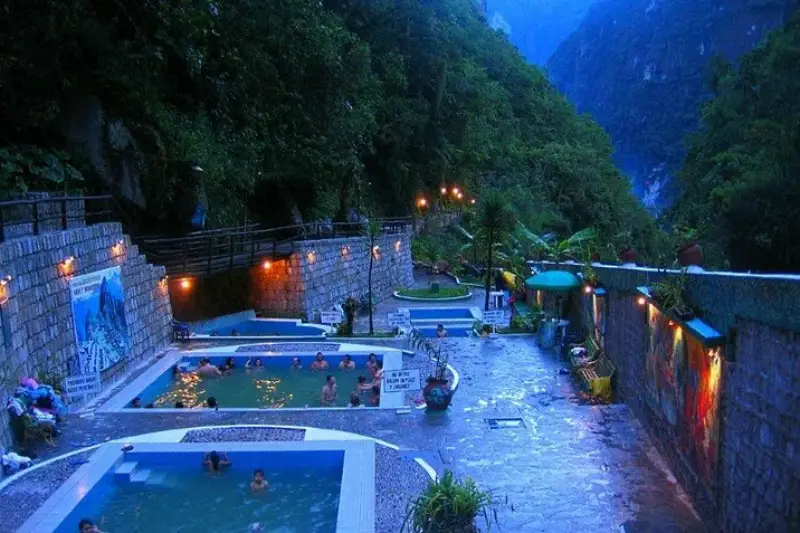
Discover Aguas Calientes Hot Springs Cusco: Relax After Machu Picchu
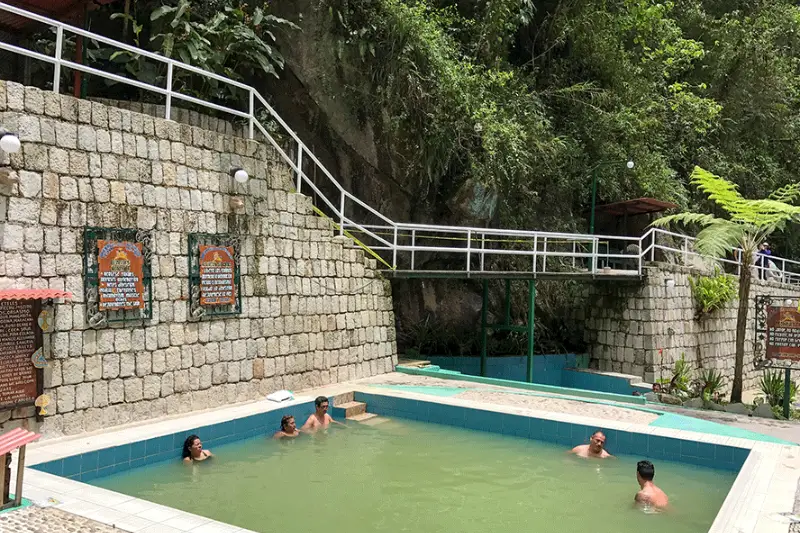
Four days on theInca Trail — or even just a few hours hauling yourself up ancient stone steps — and your legs are completely shot. Not the regular kind of tired either. The kind that settles into your joints and just sits there. So it’s not really surprising that most visitors heading back fromMachu Picchu citadel end up at the Aguas Calientes hot springs almost on autopilot, just a short walk uphill from the main square.
The name isn’t a coincidence. These waters shaped the town’s identity long before the tourist crowds showed up. Every day you’ve got locals and travelers — most of them fresh off wandering the citadel or finishing the trail — sharing the same pools, letting the volcanic heat do something ibuprofen genuinely can’t — work out the kind of muscle tightness that builds up over days of hard walking.
That said, walk in knowing what it actually is. This isn’t a spa situation. The water’s cloudy from the sulfur, the air hangs heavy and humid, and the setup is pretty no-frills. But for someone who just spent the day climbing around Machu Picchu and wants real recovery not just a good shot for the feed — these pools do exactly what they’re supposed to.
The 10-Minute Uphill Route to Relaxation: How to Find the Thermal Baths from the Plaza
Start at Plaza de Armas, look for Avenida Pachacutec and just walk up. Aguas Calientes is confusing as hell with its streets but this part is simple. The road follows the river and yeah, it gets steep fast.
It’s not brutal, but it’s not flat either, somewhere between “this is fine” and “I should’ve stretched first.” Budget around fifteen minutes and don’t push it if the altitude’s been giving you trouble.The walk itself has its own little economy running alongside it. Cobblestones, vendors, small stalls selling exactly what you forgot to pack. Towel? They’ve got it. Sandals? Yep. Swimsuit? Also yes.
A few Soles and you’re sorted. It’s the kind of informal system that has no right to work as smoothly as it does, but somehow it does. Cash matters here, a lot. There’s no tapping your card at the top. The ticket booth sits right before the entrance gate and it runs strictly on physical money, so sort that out before you start climbing or you’ll be making the trip twice.
Once you’re through the turnstiles something shifts. The air gets thicker, warmer. There’s a mineral edge to it, subtle at first, then not so subtle. The pools are close.
Yellow Water and Volcanic Heat: Decoding the Mineral Experience
The water is the first thing that throws people off — it’s cloudy, got a yellowish tint to it, and looks nothing like what most people expect. But that’s just how it is. It pulls up straight from volcanic channels deep underground, and all that sulfur and iron is what gives it that color. Nothing wrong with it, that’s literally the stuff that makes it worth getting in.
Which is exactly why half the people there just finished the Inca Trail. Those minerals are no joke when it comes to sore legs — the inflammation goes down, everything loosens up, and somehow your skin feels way better coming out than going in. After that many stone steps your body is pretty much begging for it. The sulfur smell catches you off guard at first but honestly after a few minutes you stop caring.
The layout makes sense once you see it. Water temps range from about 38°C up to 46°C (100°F to 114°F) and the pools are just set up from hottest to coolest, so you pick whatever your body’s asking for:
Upper Pools: Straight up the hottest — good for when your muscles feel like concrete and you need something intense.
Middle Section: Not too hot, not too mild — where most people end up hanging out the longest.
Lower Basins: Cooler water, mostly useful for tapering off before you actually get out.
The atmosphere is nothing like a spa. It’s loud, it’s busy, there are waiters squeezing between people with drink trays — honestly reminds you more of a beach than anything wellness-related. Grab a spot, get a cold drink going, and from there it’s really just about keeping an eye on your stuff and picking the right moment to head out.
Entrance Fees and Locker Rentals
Cash only here, and it has to be Peruvian Soles because the ticket booth does not do cards, pretty much ever. For international visitors the price is around 20 Soles, somewhere between $5 and $6 USD, honestly one of the cheapest things you will do aroundMachu Picchu Pueblo. Grab your ticket at the counter right below the entrance. Have small bills ready before you make that last push up to the changing area.
Once you’re inside, the first thing to do is put your valuables away. There are rows of wooden lockers available, but don’t expect modern digital keypads these use old-fashioned padlocks. If you forgot to bring one, no need to worry; small vendors near the entrance rent out padlocks and towels for a few extra Soles. The changing rooms get the job done, though they tend to be wet and crowded, so most visitors prefer to stash their things quickly and make their way to the water.
Best Time to Visit and What to Bring
Timing really does matter here. Between 5:00 PM and 8:00 PM the hikers start coming back down and the pools turn into a whole situation. Early morning when it opens at 5:00 AM is a different world, quiet and worth it. Midday works too, most people are still up at the citadel so you get some breathing room.
Worth throwing a few things in a bag before you head out:
Swimwear and Sandals: Seriously, flip-flops are a must — those stone paths get slippery and wet.
Travel Towel: Your hotel towel isn’t leaving the building, so bring a microfiber one.
Small Padlock: Saves you the hassle of renting one at the lockers.
Cash (Soles): For the entrance and whatever you feel like drinking by the water.
After that you’re pretty much set the only thing to keep in mind is how your body’s feeling with the altitude and everything that comes with being up in the mountains.
Staying Safe in the Heat: Managing Altitude and Hydration While Soaking
Jumping into 100-degree water after a long trek feels pretty great, but your body handles things differently up in the Andes than it does back home. The heat combined with the thinner air hits your blood pressure harder than you’d think, and that dizzy feeling creeps up a lot faster than normal. Keep your first soak to around fifteen minutes, climb out onto the cool stone edges every so often, let your heart settle down a bit, then get back in skipping that whole process is honestly how people end up passing out.
There’s also a rinse-off rule before you get anywhere near the water. The pools don’t have a heavy filtration setup they rely more on natural flow and with so many international visitors cycling through daily, everyone’s expected to shower first. It’s actually enforced, not just suggested. The water runs cold, which feels rough at first, but it does two things at once: gets you clean and gives your body a heads up before it hits the heat.
Drinking water while sitting in water sounds kind of unnecessary, but it’s really not. You won’t feel yourself sweating in there, yet the thermal heat is quietly draining fluids the whole time and ifaltitude sickness is already messing with you, that just makes everything worse. Keep something to drink right next to you and sip on it throughout. The whole experience is better approached like a recovery thing rather than just a regular dip. Look after yourself in there and you’ll actually feel human again by the time you’re heading home.
Your Recovery Action Plan: How to End Your Machu Picchu Journey at the Springs
Honestly, the baths are worth it — no second guessing needed. Just toss some flip-flops, a towel, and a padlock in your bag and you’re pretty much good to go.
Once you’ve got a sense of what the place is actually like the sulfur smell, what’s available to rent, how it all works it stops being this confusing unknown and just becomes a solid spot to let your legs recover after a brutal day.
All You Need to Know About Travel to Tambopata
All You Need to Know About Travel to Tambopata
Tambopata is a wildlife lover’s paradise; Its remote yet easily accessible nature makes it one of the best places to see animals in Peru.
So, if you are planning a trip there anytime soon, then this complete guide with all you need to know about Tambopata will help you a lot! Heres all You Need to Know About Travel to Tambopata.
What is Tambopata National Reserve?
Tambopata National Reserveis located in the Madre de Dios region of southeastern Peru and contains more than 4000 square miles of rich green forested areas which provide many plant and animal species.
You will have the chance to explore all that Tambopata National Reserve has to offer via guided jungle hikes or boat excursions in the Tambopata River.
What to see in Tambopata Nature Reserve?
There are many things to see in the Tambopata Nature Reserve starting from more than 1500 species of plants, 600 species of birds, 160 species of mammals, 200 species of fish, 100 species of amphibians, 65 species of reptiles, and 1200 species of butterflies.
While it is not guaranteed that you will see every species, the most commonly spotted are Black caimans, howler monkeys, giant river otters, jaguars, capybaras, spider monkeys, toucans, and tapirs.
You should visit the Tambopata Macaw Clay Lick which is famous for many species of macaws like Scarlet Macaws, Red & Green Macaws as well as other parrots and parakeets. They come to feed on the clay early in the morning, so it is believed that the high salt content in the clay helps remove toxins from their bodies.
How to get to Tambopata?
The best way to get to Tambopata is to fly from Cusco or Lima to Puerto Maldonado and then take a taxi to Tambopata. This follows by a boat ride to your respective lodge. However, the tour company organizes everything from receiving you at the airport to transferring you to the lodge.
All of these forest lodges are comfortable and include beds, kitchen areas, showers, and much more. Even the meals will be provided for breakfast, lunch, and dinner.
What should you pack for Tambopata?
The best time to visit Tambopata Nature Reserve is from April to October, this is the dry season of Peru with reduced rainfall, clear skies, and low water levels in the river.
So, when you start packing for Tambopata, remember to pack lightweight comfortable clothing that is suitable for the dry season. You can also wear clothing that lets you blend in with nature.
Make sure to take sunglasses, hats, sunscreen, good hiking boots, socks, etc. with you. A good camera, insect repellents, flashlights, and first-aid kits are also essential.
However, the weather can be quite unpredictable so make sure to take sweaters, raincoats, scarves, and anything you think is suitable for a colder climate.
Conclusion
A wildlife tour in Tambopata National Reserve can be a life-changing experience. One of the best things about Tambopata is the ease of access so even if you have little time in Peru you can add this to your itinerary. And when done right, this wildlife experience will be an unforgettable memory for you!
Farming Like the Incas | History
The modern world grapples with climate change, population growth, and food security challenges. Thus, the quest for sustainable and innovative agricultural solutions has become more pressing than ever. As we race against time to meet these demands, we can find inspiration in the remarkable agricultural techniques of the Incas. The Inca Empire was an ancient civilization that thrived in the harsh and diverse Andean landscape over five centuries ago.
The Inca Empire stretched from modern-day Colombia to Chile. Thus, it boasted impressive agricultural feats that sustained their vast populace and contributed to their growth and prosperity. In this article, we delve into the fascinating world of Inca farming practices. Thus, we will explore the unique methods they employed to overcome environmental challenges and build a thriving agricultural system. Join us as we uncover the secrets of Inca agricultural wisdom, learning valuable lessons from the past that can help us create a more sustainable and resilient future for our planet.
Mastering the Andean landscape: Inca terracing and irrigation techniques
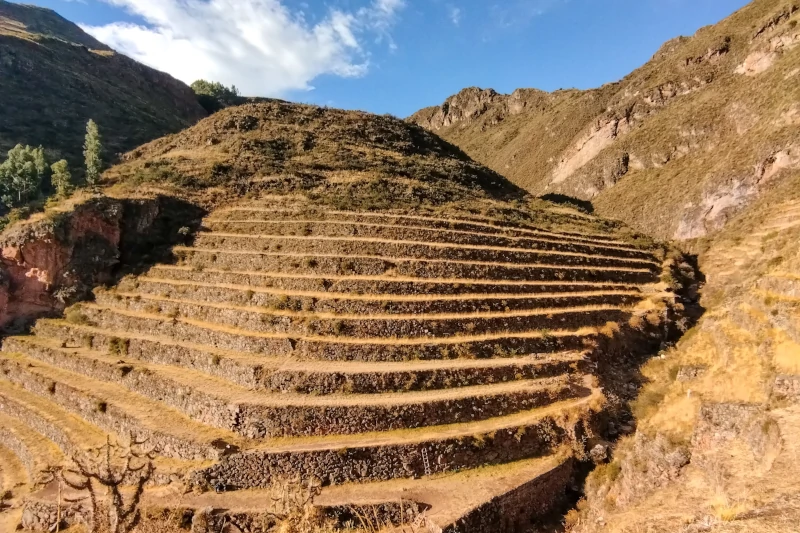
The Inca civilization thrived in the challenging topography of the Andean region. This region is characterized by steep slopes, diverse microclimates, and varying altitudes. These unique geographic features could have easily hindered agricultural development. Yet, the innovative Inca terracing and irrigation techniques transformed these potential obstacles into opportunities. Thus, the rugged Andean region allowed the Incas to cultivate a wide variety of crops.
The Inca terracing system, known as ‘andenes’, was their ingenious solution to the steep Andean slopes. These step-like platforms, built along the contours of the mountains, maximized arable land and minimized soil erosion. The andenes were constructed with stone retaining walls. These walls provided thermal mass, absorbing sunlight during the day and releasing heat during the night. This helped to create a more stable microclimate, protecting the crops from frost and extreme temperature fluctuations. Pisac and Moray are great sites to appreciate the incredible Inca andenes.
The Incas also excelled in the field of water management. They built a vast network of canals, aqueducts, and reservoirs to collect and distribute water from the abundant mountain springs and rivers. These systems ensured that each terrace received a consistent supply of water, which was essential for their agriculture. The advanced irrigation techniques used by the Incas allowed them to conserve water and prevent over-saturation of the soil.
Moreover, the Incas developed a deep understanding of their environment. They capitalized on the diverse microclimates and altitudes to grow different crops. They cultivated maize, potatoes, and quinoa at varying elevation. This allowed them to minimize the risk of crop failure due to pests or disease.
In summary, the Inca terracing and irrigation techniques were pivotal in mastering the Andean landscape. These ancient techniques allowed the Inca civilization to flourish in a challenging environment. By analyzing these ancient methods, we can draw valuable insights into new sustainable farming practices.
A diverse and nutritious harvest: The Inca crops and crop rotation systems
The Incas cultivated a rich and diverse range of crops, which formed the basis of their diet and supported their vast population. The staple crops of the Incas included potatoes, quinoa, and maize. However, they also grew an astonishing variety of beans, peppers, and other vegetables. In addition to this, they cultivated fruits such as chirimoya and lucuma, and even raised guinea pigs for protein. The Inca agricultural system’s focus on diversity ensured a balanced and nutritious diet, promoting overall health and well-being.
Inca agriculture was characterized by its efficient use of the land through crop rotation systems. These systems allowed the soil to recover its nutrients and prevented the depletion of essential minerals. By alternating between various crops, the Incas also reduced the risk of pests and diseases. This approach to agriculture allowed them to maintain their food supply without degrading the soil or compromising its fertility.
Today, the remnants of the Inca agricultural system can still be seen in archaeological sites like Machu Picchu and the Sacred Valley. The impressive terraces and irrigation networks of these places are a testament to the Inca agricultural prowess. Also, these sites serve as a reminder that farming like the Incas is a sustainable approach that can be implemented in modern agriculture.
By embracing the principles of farming like the Incas we can work towards a more resilient and environmentally conscious agricultural future. This ancient wisdom can guide us in addressing the pressing challenges of food security and climate change. Thus, it can allow us to create a more sustainable world for generations to come.
The Inca legacy: Implementing ancient wisdom for modern sustainable agriculture
As we face the growing challenges of climate change, population growth, and food scarcity, the Inca legacy offers valuable lessons for developing sustainable agricultural practices. By studying and implementing the principles of farming likes the Incas, we can integrate ancient wisdom into modern agriculture to address these pressing issues.
One crucial aspect of Inca farming was their understanding of the interconnectedness of the natural environment. They considered the land, water, and weather as vital components of a delicate balance that needed to be preserved for successful agriculture. This respect for nature can inspire modern farming techniques that prioritize environmental conservation and resource management.
The Incas’ terrace farming system can be adapted to address soil erosion and land degradation in contemporary agriculture. By constructing terraces on hilly or sloping terrain, farmers can minimize soil erosion, improve water retention, and create more arable land. This method also allows for the efficient use of water resources, which is crucial in times of increasing water scarcity.
Additionally, the Inca crop rotation systems and focus on crop diversity can be incorporated into modern farming practices to promote soil health and reduce the reliance on chemical fertilizers and pesticides. By growing a diverse range of crops and rotating them strategically, farmers can maintain soil fertility, prevent the spread of pests and diseases, and enhance overall crop yield.
In conclusion, the Inca legacy offers valuable insights into sustainable agriculture that can be applied to modern farming practices. By embracing the principles of Inca farming, such as terracing, water management, and crop rotation, we can develop more resilient and eco-friendly agricultural systems that ensure food security and environmental sustainability for generations to come.
Elegance Unveiled: Discovering the Peruvian Hairless Dog
The Peruvian Hairless Dog is an enigma wrapped in history. Its sleek skin whispers tales of ancient civilizations. This breed exudes an unmatched elegance.
A native to Peru, these dogs have been companions for centuries. Their unique appearance often captures immediate attention. Yet, beneath the surface lies depth and mystery.
In this article, we journey to understand this extraordinary breed. We’ll dive into its rich past and cultural significance. Join us as we unveil the elegance of the Peruvian Hairless Dog.
The allure of bare beauty: Introducing the Peruvian Hairless Dog
Peru, a land rich in culture and history, is home to the Peruvian Hairless Dog. This breed stands out not just for its lack of fur but also for its captivating history. It’s a testament to the fact that sometimes, less is truly more.
The Peruvian Hairless Dog showcases bare beauty in its purest form. Every curve and contour of its skin tells a story. This lack of fur isn’t a modern genetic mishap or construct. Instead, it’s a carefully preserved trait, passed down through generations.
Historically, these animals can be seen in ancient Peruvian art. Ceramic pots, murals, and textiles often featured their distinctive form. It’s believed that they played a pivotal role in pre-Incan societies.
The Peruvian Hairless Dog carries the symbolism of the Incas with pride. They weren’t just pets, but revered guardians of sacred spaces.
Some historians suggest that their warmth, due to increased skin temperature, held therapeutic value. Thus, they often served as companions, keeping the ill or older people warm during chilly Andean nights. This dog breed people with health problems.
Today, this breed isn’t just a relic of history. They’ve found homes and hearts around the world. Their affectionate nature, combined with their unique look, makes them unforgettable.
One cannot mention the Peruvian Hairless Dog without noting its resilience. In a world where furry animals often take the spotlight, they command attention. They remind us that beauty isn’t confined to conventional standards.
In the end, the Peruvian Hairless Dog breeds aren’t just animals. It’s a tribute to a time when animals and humans shared profound connections. And today, they continue to enchant all who encounter them.
Origins and history: Tracing the journey of the Peruvian Inca Orchid Dog
The Peruvian Inca Orchid Dog boasts a rich lineage, deeply intertwined with ancient Peruvian culture. This intriguing canine’s journey is laden with tales of nobility, spirituality, and history.
Originally, this breed roamed the Peruvian highlands. Archeological digs frequently unearth depictions of this dog on pottery and textiles. They suggest the breed’s existence dates back more than a thousand years.
Moche, Chancay, and Chimu civilizations cherished these kinds of dogs. Later, the Inca empire embraced them too, infusing them with spiritual significance. The name itself hints at its Incan ties, reflecting the Inca Cosmology and nature’s mysteries.
This breed’s elegance resembles the Vicuña, a native Andean animal. Both share a noble stance and rich cultural significance. The similarities don’t end there. Their agile build helped them navigate the Andes’ challenging terrains with ease.
Legend says these dogs had protective qualities. They were not mere pets but spiritual companions. Their warmth was believed to heal. Hence, they often comforted the sick and the elderly.
With the Spanish conquest, the breed’s numbers dwindled. Foreign breeds overshadowed these indigenous dogs. Yet, pockets of dedicated breeders ensured their survival, protecting their legacy.
Today, the Peruvian Inca Orchid Dog remains a symbol of Peruvian heritage. Beyond Peru, they’re recognized and celebrated for their history and beauty. Many enthusiasts worldwide now cherish them.
The journey of the Peruvian Inca Orchid Dog is inspiring. From ancient reverence to near oblivion and resurgence, they’ve witnessed history unfold. This breed’s tale serves as a testament to endurance, culture, and the beauty of preservation.
Charm and characteristics: Exploring the unique traits of the elegantly Hairless Breed
At first glance, the Hairless Breed strikes with its unique aesthetic. This absence of fur isn’t a shortcoming but a badge of distinction. Each smooth curve reveals a glimpse into its heritage.
Apart from being hairless, they have almond-shaped eyes. These eyes, often dark, radiate intelligence and warmth. Their expressive gaze speaks volumes, drawing many into their mysterious world.
Their skin, though hairless, is not devoid of texture. It’s soft, warm to the touch, and often spotted. Sun exposure gives them a tanned appearance, adding to their charm.
However, their allure isn’t just skin deep. Their personalities are as captivating as their looks. Known for being loyal, these dogs form deep bonds with their families. They’re affectionate, often seeking closeness and warmth.
These dogs are also alert and agile. Their history in the Andean highlands made them adaptable and resilient. Today, this translates into an active, playful demeanor, perfect for families and singles alike.
Despite their bold appearance, they’re sensitive, both emotionally and physically. Their skin requires care to avoid sunburn or irritation. Regular moisturizing and sunscreen become their skincare staples.
Their vocal nature makes them great watchdogs. They’ll alert owners to any unfamiliar presence. Yet, with proper socialization, they’re welcoming to strangers and other pets.
While their journey began in ancient Peru, today, they’re global ambassadors of elegance without fur. They redefine beauty standards, teaching us to embrace uniqueness.
After marveling at this breed’s allure, consider immersing yourself further. Dive into the heart of their origins and take a Two Day Inca Trail or a Machu Picchu Day Trip.
Experience the land that gave us this remarkable canine. Let history, nature, and culture enchant you just as this breed does.
Tambopata is a gem in the heart of Peru. Boasting unparalleled biodiversity, it’s a haven for eco-travelers. The region promises adventures that both thrill and educate.
Diving into Tambopata’s lush landscapes, one discovers nature at its purest. From vibrant birdlife to dense jungles, the experiences are endless. Prepare to embark on a journey that’s truly unforgettable.
Tambopata is not just another destination in Peru. It’s an eco-paradise teeming with life. Every corner radiates with the sounds and colors of nature. From the chirping of birds to rustling leaves, it’s pure magic.
Travel to Tambopata and witness nature’s true spectacle. One must-see attraction is the Tambopata Macaw Clay Lick. Here, vibrant macaws and parrots descend daily. They feed on the mineral-rich clay, offering a stunning visual display.
The diversity in Tambopata is simply staggering. It hosts over 1,000 bird species and 200 mammal species. But it’s not just about numbers. It’s the experience of being amidst such biodiversity that captivates.
Amphibians, reptiles, and butterflies also find refuge in Tambopata. Every step you take introduces a new creature. It’s a continuous journey of discovery and wonder.
Water bodies in Tambopata are another marvel. They house caimans, giant otters, and various fish species. The dense foliage alongside teems with primates, anteaters, and even jaguars.
But it is not only about wildlife. It’s about the intricate balance of ecosystems. The way every living being contributes to the rhythm of the jungle. This harmony is what makes Tambopata unique.
Tambopata stands as a testament to nature’s splendor. It beckons every traveler with its unmatched beauty. If nature’s wonders intrigue you, Tambopata awaits. Come and immerse yourself in the heart of biodiversity.
Sustainable Tourism: Exploring with a Conscience
In recent years, sustainable tourism has taken center stage. It’s not just about exploring; it’s about doing so responsibly. Tambopata has championed this sustainable travel movement.
Located near Cusco, Tambopata offers eco-conscious experiences. Every jungle trip is curated with minimal ecological impact in mind. This commitment safeguards the region’s rich biodiversity for future generations.
Visitors to Tambopata quickly notice this ethos. Accommodations often run on renewable energy. Waste management practices prioritize recycling and composting. Such initiatives ensure that the environment remains pristine.
Tambopata’s local communities play a pivotal role. They guide visitors, share stories, and sell handicrafts. Their involvement ensures tourism benefits them directly. It’s a model where both nature and communities thrive.
Choosing Tambopata is choosing sustainable adventure. Every trek, boat ride, and wildlife sighting respects the local habitat. It’s about witnessing nature without disrupting its rhythm.
Eco-tourism also focuses on education. Visitors learn about flora, fauna, and indigenous cultures. This knowledge fosters a deeper connection to the place and its people.
Sustainable tourism in Tambopata benefits everyone. The environment gets the respect it deserves. Local communities prosper. Tourists enjoy an authentic, guilt-free experience.
By choosing to travel sustainably, we make a statement. We declare our love for nature and our commitment to its protection. It stands as a shining example. It beckons all to explore with a conscience. So, the next time you plan an adventure, think Tambopata. Think sustainability. Embrace travel that truly makes a difference.
Wildlife Wonders: The Unique Inhabitants of Tambopata
Tambopata, a biodiversity hotspot, brims with wildlife wonders. Nestled in the Peruvian Amazon, it showcases nature’s brilliance. From colorful birds to elusive mammals, it dazzles all.
Macaws paint the sky with vibrant hues. Their loud calls echo across the rainforest canopy. Then, the stealthy jaguar prowls, a symbol of power and grace. Its spots blend seamlessly into the dense vegetation.
The world’s largest otter, the giant otter, calls Tambopata home. These social creatures thrive in its waterways, showcasing intricate behaviors. Meanwhile, capuchin monkeys leap playfully through tree branches.
But it’s not just the bigger creatures that impress. It boasts a multitude of insects. Butterflies, in all colors imaginable, flit around, enchanting visitors. The glinting beetles and industrious ants add to the spectacle.
Nightfall transforms Tambopata. Nocturnal creatures, like the tapir, emerge. Their nightly rituals, a spectacle rarely observed elsewhere. The forest’s symphony becomes louder, more intense.
Every turn offers a new discovery. It’s a living classroom for nature enthusiasts and biologists. It provides unmatched opportunities for wildlife spotting and photography.
For adventurers wanting more, the Andes awaits nearby. Imagine combining the Amazon’s wonders with the mountains’ majesty. A 4 Day Lares Trek to Machu Picchu or Short Inca Trail promises this. It’s an unparalleled journey from rainforest depths to soaring peaks. Don’t miss it.
How to Acclimatize in Cusco
How to Travel in Peru – Safety & Tips
Travel to Peru Guide: the best things to do and a complete list 2026!
[custom_tours_slider cat=”peru-packages”]
Many people visiting Peru are visiting South America for the first time. The country is a great starting point for more adventures.
Peru is a diverse spectrum of landscapes beyond its famed Amazon, highlands, and the stretch of desert on the west coast.
It shines with its Colonial buildings. It holds mystery for those seeking its ancient Inca ruins and the journey to Machu Picchu. It invites people to explore its untouched nature, from deep valleys to high mountain peaks, as travelers seek adventure with a view.
It is a popular destination, but you can still explore some less-traveled areas. It is also among the ten cheapest countries on the continent. Travelling to Peru can still seem overwhelming for a first-time traveller.
Here, we have everything you need to know as a comprehensive one-stop Peru travel guide. From what to see and how much you spend, to safety and the most responsible, ethical travel choices you can make with us.
15 Highlights about How to plan a trip to Peru and Affordable Peru travel packages
1.- Peru Travel and Tours with Amazon Excursions. Discover lush biodiversity on guided jungle expeditions and eco-lodges.
2.- Your Ultimate Peru Travel Guide. Find out what to pack, where to go, and how to enjoy the best tours in Peru. Get local tips and expert advice.
3.- Peru Travel Safety Advice and Accommodations. Choose well-reviewed hotels and get practical safety tips for solo and group travelers.
4.- Book Peru Tours with Local Guides. Gain authentic experiences with curated Machu Picchu tours and immersive cultural walks guided by locals.
[tour_ad id=”4642″]
5.- Best Travel to Peru Itinerary for 10 Days. Follow a tried-and-tested route from Cusco through the Sacred Valley to the iconic Machu Picchu Citadel.
6.- Visit Peru Beyond Machu Picchu. Explore Colca Canyon, Rainbow Mountain, and the Amazon in Peru, travel experiences most tourists miss.
7.- Family-Friendly Peru Travel Itinerary. Safe, educational, and fun adventures tailored for all ages, from llamas in the Andes to chocolate workshops in Cusco.
8.- Peru Travel Tips for First-Time Visitors. Navigate local customs, high-altitude challenges, and the best times to travel to Peru.
9.- Peru Cultural Tours and Adventure Packages. Combine ancient ruins, culinary exploration, and adrenaline-pumping hikes in one dynamic Peru vacation.
10.- Machu Picchu Tours with Sacred Valley Add-On. Maximize your visit by adding archaeological wonders like Ollantaytambo and Pisac.
11.- How to Plan a Trip to Peru. A full breakdown of budgeting, permits, accommodations, and safety tips for seamless travel.
12.- Peru Travel Essentials Packing List. Avoid overpacking or missing key gear with this climate-specific checklist.
13.- Travel to Peru and discover ancient wonders. Experience a unique trip that combines Inca history, lively culture, and beautiful adventures. Explore from Lima to Machu Picchu.
14.- Peru Travel Deals from the USA, Canada, and Europe. Find competitive packages including flights, hotels, and full-day excursions.
15.- Affordable Peru Travel Packages in 2026. Explore budget-friendly options without compromising experience, perfect for cost-conscious explorers.
Travel to Peru – Complete Peru Travel Guide – Everything You Need to Know.
¿When is the Best Time to Explore Peru?
Wet and Dry Seasons in Peru. The best time to visit Peru is during its wet and dry seasons
💚May to November is the dry season in Peru
🌦️December to April is the rainy season in Peru
May & December are typically considered the shoulder seasons in Peru, where anything goes as the seasons pass over.
February is the hottest month in Peru, and August is the coldest.
Wet and Dry Landscape in Peru
Lima is an adventure holiday capital. The weather in Peru varies by region. It also varies based on the activities you plan to do.
It is not advisable to travel to the jungle highlands and high-altitude areas in the north. This includes areas around Cusco and the Sacred Valley during the monsoon season. There is a high likelihood that roads will be closed. Lima, on the other hand, would be more accessible, as it is located on the desert coastline.
Does a traveller need a Visa for Peru?
The Tourism website says that Peru is “a country of open doors.” American and Western European travelers do not need a visa to visit.
World citizens of the following countries do not require a visa to travel to Peru:
North America:
👉🏻The United States
👉🏿Canada
👉🏾Mexico
South America:
All ten South American countries
Central America:
All Central American countries except Cuba, Dominican Republic, Costa Rica, El Salvador, Guatemala, Haití, Honduras, and Nicaragua
Europe:
All countries within the European Union (EU) and Switzerland
Africa:
South Africa
Middle East:
Israel
Asia:
Brunei, Indonesia, Japan, Laos, Malaysia, Philippines, Singapore, and Thailand
Oceania: Australia and New Zealand
Even so, check your country’s consulate for the latest information. Make sure to look for any changes before you start your Peru holidays. You can check visa requirements and permitted length of stay upon entry on the visa information page.
The tourist entry stamp for Peru is issued at the airport or land border. This stamp allows you to stay for up to 6 months (183 days). You need a passport valid for at least six months and with at least two free pages. The entry stamp cannot be extended once you are in the country, and any overstay will incur a fine.
Travel to Peru from Neighbouring Countries Overland
A trip to Peru offers many travel options. To the north, you can visit Ecuador and Colombia. To the east are Bolivia and Brazil. Chile is to the south.
This makes Peru a great place to begin your travels. It is also a compelling destination in its own right, especially when paired with a nearby country.
Entering Peru from neighbouring countries by overland requires you to complete some immigration paperwork afterward. Immigration authorities may not let you leave Peru without a valid exit stamp from the last country you visited.
It is also required by law to obtain an entry stamp upon arrival in Peru. That is, if you didn’t get an entry stamp at the land border. You will need to show the authorities various documents for your travel trip
Travelling from Ecuador to Peru
Via Huaquillas (the most popular), Macará, or La Balsa at Zumba.
From Bolivia to Peru
If you are traveling from Bolivia to Peru, ensure your passport is stamped. You can get this stamp at the Peruvian immigration checkpoint in Desaguadero or Copacabana. These places are near Puno, home to Lake Titicaca, a popular destination for travelers.
What is the Best Way to Travel Around Peru?
Use Cruz Del Sur – The Best Bus Travel in Peru
You are researching travel options from Lima to Cusco. You want to see the sand dunes, colonial cities, and the man-made lake islands, such as Huacachina.
Flights to Peru and Travelling to and From Lima Airport
The cheapest flights to Peru usually go to Lima. This city is the primary gateway for many travelers. The company that runs Lima Peru Tour also operates the Lima Peru tour bus.
This bus has many stops in the city center. You can book online or simply show up and hope for space.
This option is cheaper than the taxi pick-ups offered by many hostels. However, I prefer the organized taxi service for late-night travel.
Travelling in the North of Peru
Cruz Del Sur currently does not offer any bus service in the northern part of the country, which is a gap in service. Many travelers visit northern Peru for great hikes such as Laguna 69.
They use local buses. Many say there are enough tourists on the buses to feel safe and not alone.
You can book buses here via the Cruz Del Sur website.
Flights in Peru – Traveling from Lima to Cusco – Cusco to Lima
If you want to travel from Lima to Cusco (or the other way), the easiest way is to take a flight. Many people use Lima as a low-cost gateway to Machu Picchu. This makes Lima a more popular destination.
While you might find a good deal with Peruvian Airlines, we recommend LaTam, which has a good safety record. It is more of an established pan-South American airline.
LATAM operates regular routes between the two cities and offers competitive fares. You can even get a round-trip flight for around $80 if you get lucky.
Where to Explore in Peru – Historical and Scenic Highlights
Typically, on the first visit to Peru, travellers will visit the southern part of the country (Cusco). Cusco is often the only or primary stop, serving as a gateway to the Sacred Valley and Machu Picchu.
It’s a shame because there are many places to visit in Peru. This loop features notable historical sites and scenic natural views.
Those with more time typically venture north to the famed Laguna 69 Peru route, or do so on a second visit.
Paracas
The Coastal Paracas may seem quiet, but it has a relaxed atmosphere. People visit to take a speedboat to the protected Ballestas Islands. Known as the Poor Man’s Galapagos, this is an opportunity to spend two hours observing wildlife. You can see pelicans, penguins, birds, and sleepy sea lions.
The sweeping desert plains of Paracas National Park are a highlight. They have cliff drops and jagged rock formations. There is much to see if you choose to stay for a few relaxing days.