Choquequirao Trek Peru: The Epic Alternative to Machu Picchu
Peru gets millions of visitors every year and the vast majority never hear about Choquequirao. They book the train, walk around Machu Picchu for a few hours, head back to the hotel. Nothing wrong with that trip. But four or five days walk from the nearest road, inside the same mountain range, sits a site just as old and just as significant where some mornings the only people there are the ones who walked in with you.
The choquequirao trek peru is not a well-kept secret exactly. It is just a trip that filters itself. The people who end up doing it are the ones who kept asking questions after the first answer.
What Is There
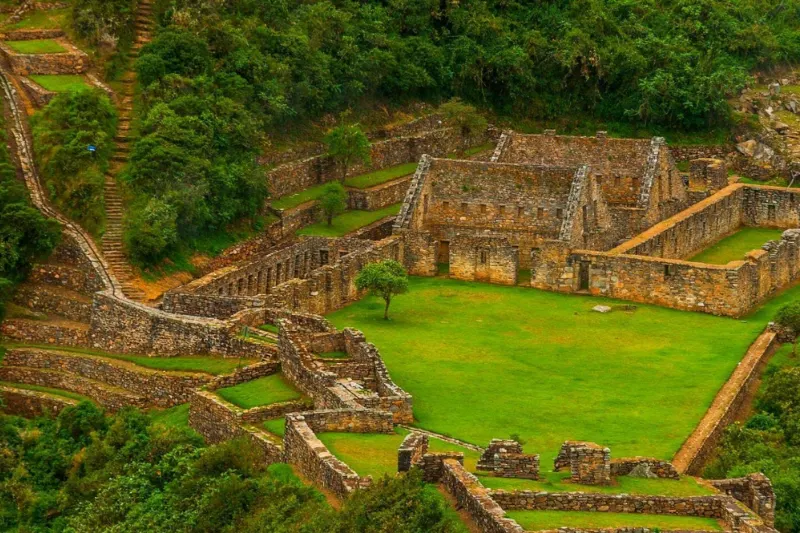
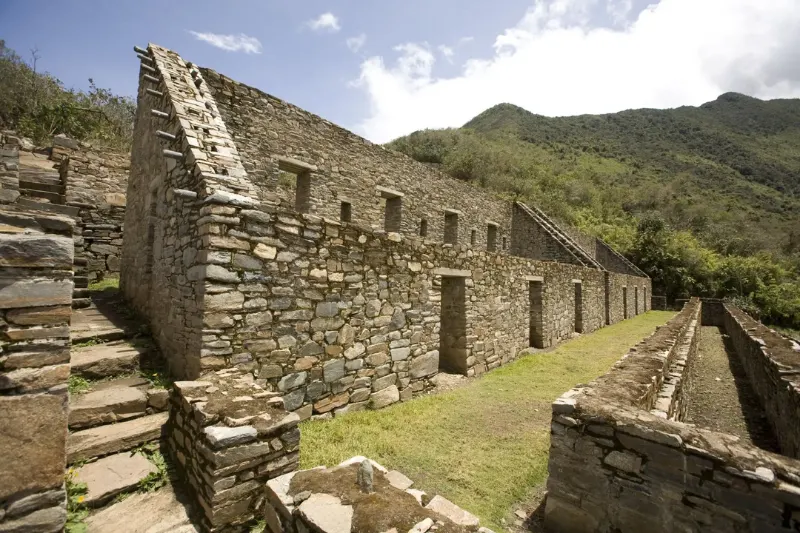
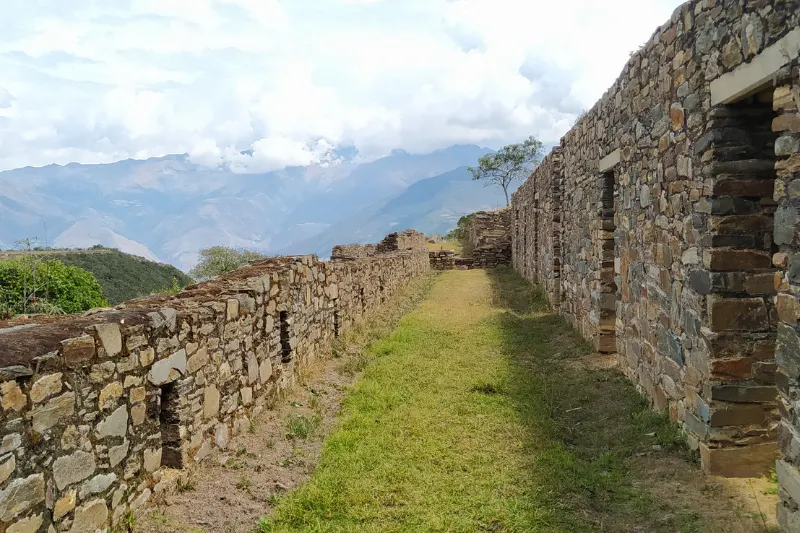
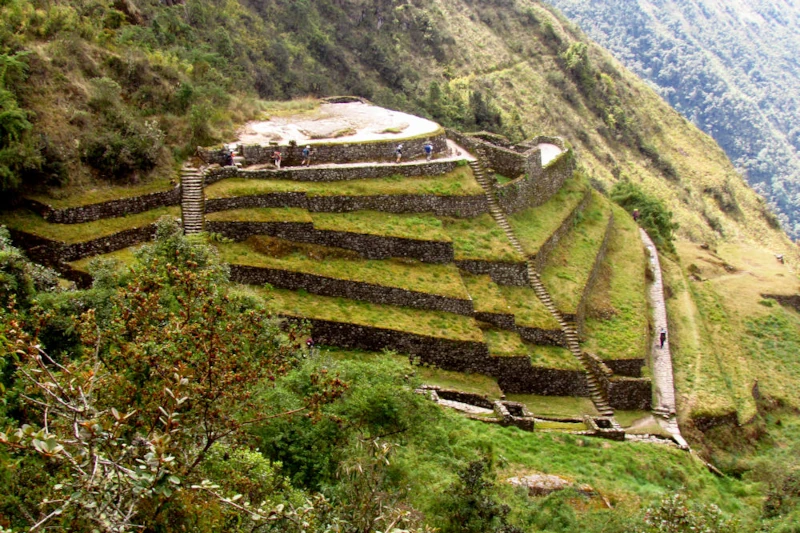
The choquequirao ruins cover more than 1,800 hectares around 3,050 meters. Most of it is still jungle. What has been cleared shows terraces, temples, ceremonial platforms, stone construction as precise and deliberate as anything the Inca built anywhere. The thing that separates it from other sites is that archaeologists are still working here. Still finding things each season that change what researchers thought they understood about the place.
Walking somewhere still being figured out lands differently than walking through a site where everything has a sign next to it. The incompleteness is genuine and it changes the quality of attention you bring.
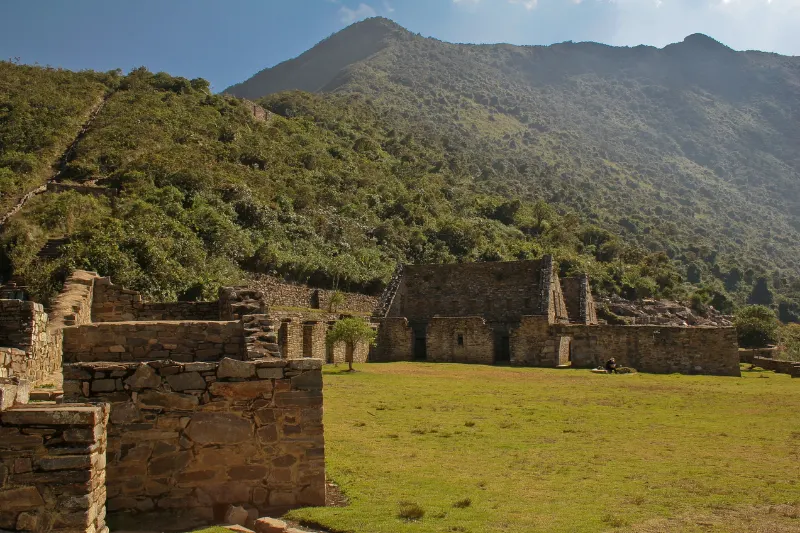
Choquequirao the other Machu Picchu is what people call it, and the comparison holds up. Same historical and architectural weight, same Inca engineering logic, none of the infrastructure mass tourism builds around a place once it gets discovered. No buses outside. No ticket queues. No shops selling postcards in four languages.
Who Built It and Why
Most of the construction happened during Pachacuti’s reign in the 15th century. Agricultural terracing, religious platforms, administrative control over regional trade routes, possibly a retreat point when the Spanish arrived given how deep inside the Vilcabamba range it sits. The geography that made it strategically useful back then is the same geography that kept it off the tourist map for centuries afterward.
Still largely off it now. A few dozen people on a busy day. Sometimes far fewer than that.
Only a fraction of the total site has been properly excavated. The jungle covering the rest has actually preserved it better than exposure would have. New structures keep showing up each field season. The place is still becoming what it fully is and that is the honest condition of it, not marketing language dressed up to sound appealing.
The Trek Itself
The choquequirao trek peru covers around 60 kilometers over four to five days. Fifteen to twenty kilometers each day on terrain that goes steeply up or steeply down with almost nothing flat in between. The Apurímac Canyon is where the route makes itself felt most directly, roughly 1,500 meters of descent and then the climb back out the other side.
When people compare the choquequirao trek vs salkantay trek they are comparing two physically serious trips that feel completely different from each other. Salkantay has dramatic high mountain scenery and a well-worn network of camps and checkpoints. Choquequirao has almost nobody on it. The trail feels like it belongs to the mountain rather than to the industry that grew up around trekking in this region.
Among the best trekking trails in cusco this one sits apart because of what waits at the end. The inca trail is worth doing for its own reasons. Salkantay is spectacular. Neither ends at a site still being actively excavated with the majority of it still sealed under vegetation and genuinely unknown.
People who finish the choquequirao trek peru almost always say the same thing afterward. The difficulty was not something to push through. It was inseparable from what made arriving mean something.
What You Walk Through
Lower sections run through cloud forest, wet and thick and loud with birds, moss on everything. Higher up the vegetation thins and the trail opens into harder more exposed ground. That shift happens fast enough to feel like stepping from one world into another rather than a slow drift between them.
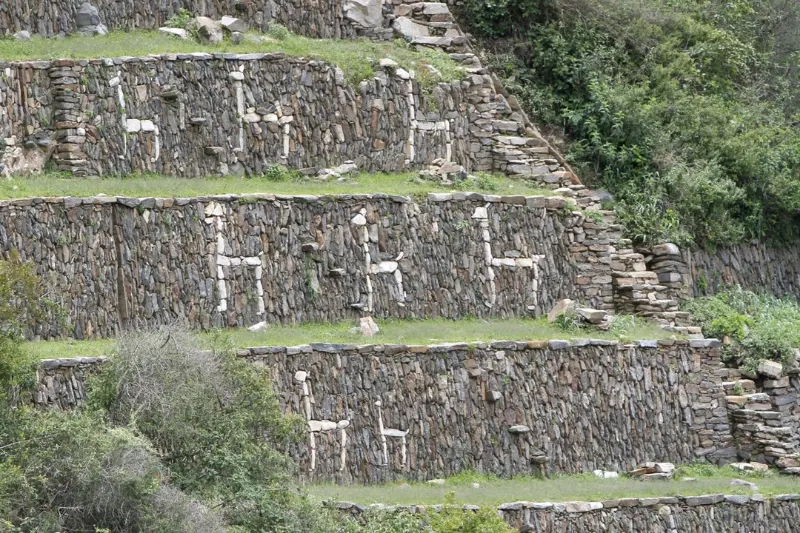
The choquequirao llamas grazing around the terraces are one of those details photographs do not carry well. These animals were central to Inca transport, ritual, and textile production for centuries. Watching them move through the ruins without any performance or staging attached feels like a thread of continuity between what the site was and what it still is. They belong there in a way that reads as accurate.
The canyon drops away below exposed trail sections in a way the body registers more than the eyes do. Legs on the descent. Lungs on the climb back up. People doing the choquequirao trek peru for the first time rarely describe the canyon as beautiful in the moment. They use words like brutal and then beautiful later, usually from the other side of it.
Solitude
The tour classic inca trail caps at 500 people per day including support staff. The choquequirao trek peru does not get close to those numbers on its busiest days. Most groups pass a handful of other trekkers across the whole route and at the ruins themselves it is entirely possible to sit somewhere alone for as long as you want.
No crowd noise. No queue at the viewpoint. No other cameras in the frame when you are trying to actually look at something rather than photograph it.
The site exists in something close to the condition it was in before mass tourism found this part of the Andes. That is genuinely rare to say about any significant archaeological site left in peru and it will not stay true indefinitely. The cable car proposal has been floating around for years and when that happens the experience changes permanently.
Most people who finish describe it as more meaningful than more famous trips. Nobody else was standing there when they arrived. That matters more than most people expect it to before they feel it.
What a Good Guide Does Here
The paths at Choquequirao are the same ones Inca farmers and administrators walked in the 15th century. The terrace orientation, the spatial relationship between ceremonial and agricultural zones, the quality variation in stonework across different buildings, none of it is accidental. All of it follows an integrated logic applied consistently across Inca construction.
Good guides on a tour choquequirao trek explain the agricultural calendar embedded in how the terraces face the sun, what the hierarchy of stonework tells you about social structure, the cosmological reasoning behind spatial decisions. That context turns the choquequirao ruins from impressive old buildings into something a person can actually read and think about rather than just move through.
Early morning at a ceremonial platform with the canyon below and nobody else around produces a kind of experience that busy sites make structurally impossible. People doing the choquequirao trek peru carry that moment home and still bring it up years later without being fully able to explain why it stuck.
Preparation
Two to three days in Cusco before starting is not negotiable at this altitude. The city sits at 3,400 meters and the body needs genuine time before additional elevation gain gets added on top. Altitude sickness on day one of a multi-day route with no easy exit is a serious problem without a clean solution.
Physical preparation matters just as much. The elevation changes stack across consecutive days in ways that catch people off guard, people who are fit but have not done back-to-back mountain days before. Running and cycling build the base. Loaded hiking on actual hills is the most specific preparation for what the trail asks.
Gear worth sorting out before leaving:
Boots: Broken in and waterproof. Not fresh from the box that morning.
Clothing: Lightweight layers, waterproof shell, sun protection for the exposed canyon sections.
Hydration: Enough capacity for long gaps between water sources.
Health: First aid kit, altitude medication discussed with a doctor before leaving home, blister prevention starting day one not day three when it is already too late.
Navigation: Maps or GPS as backup regardless of whether a guide is coming.
When to Go and How to Book
May through September gives stable trail, manageable river crossings, and clear views across the canyon. Wet season brings mud and higher water to a route demanding enough without either of those added. Some experienced trekkers prefer the wet months for the extra emptiness but it is not where someone new to the choquequirao trek peru should start.
A licensed local operator handles logistics in ways that matter when something goes wrong two days from the nearest road. Good ones know current trail conditions, run local guides and porters, coordinate campsites, and carry enough experience that problems turn into manageable situations rather than emergencies.
Everything carried in comes back out. Communities along the route depend on visitors who spend locally and treat the place with some basic respect. The site is in the condition it is in because relatively few people have come through. That is worth maintaining deliberately.
Arriving
The site reveals itself in stages. Waterfalls first, then cloud forest, then terracing visible through the trees, then the full scale of it opening up as the lower sectors come into view.
Terraces first. Ceremonial platforms above them. Then the white quartz choquequirao llamas inlaid into the dark slate walls of the terrace sector, 24 figures that exist nowhere else in the Inca world, after four days walking through the Apurímac on the choquequirao trek peru. They look exactly as striking as every description says and nothing like a photograph manages to show.
The hidden quality is not just about low visitor numbers. The site is still becoming known to archaeology. Still sitting mostly under jungle while the exposed section already shows something extraordinary was built here. That combination of what is visible and what is still covered underneath is what keeps it feeling genuinely unfinished in the best possible sense.
FAQ
How hard is the choquequirao trek peru and how long does it take?
Around 60 kilometers over four to five days with steep daily elevation changes through the Apurímac Canyon. Real acclimatization and real physical preparation are both necessary before starting. People who treat either as optional feel that decision clearly by day two with no easy way back to the road.
Why is it called the other Machu Picchu?
Same Inca engineering and historical significance, a fraction of the visitors. More than 1,800 hectares of terracing, temples, and administrative structures, most still unexcavated, built during Pachacuti’s reign in the 15th century and preserved by the remote location that kept it largely unknown until recently.
Choquequirao trek vs salkantay trek, what is the actual difference?
Fewer people, no permit caps anywhere near inca trail levels, and a site at the end shared with almost nobody. The route is harder with less infrastructure along the way, which is specifically what most people choosing it are after.
What gear and what time of year?
Broken-in waterproof boots, layered clothing, waterproof shell, solid hydration capacity, first aid kit, altitude medication confirmed with a doctor before leaving. Acclimatize properly in Cusco first. May through September gives the most reliable conditions.
What about the choquequirao llamas?
They graze near the terraces and pathways the way Andean communities have kept them for centuries. Watch from a respectful distance, skip feeding them, do not crowd them for photos. Let them do what they are doing and the scene takes care of itself.
Huayna Picchu VS Machu Picchu Mountain
Wondering what is the difference between Huayna Picchu VS Machu Picchu Mountain? Check out this post curated by our local experts.
When you travel to Machu Picchu you must know the name of mountains around the citadel. Why? Because there are amazing hikes and views that you should not miss! Huayna Picchu is the most popular mountain, followed by Machu Picchu mountain, sungate and Inca bridge.
When you book your tour to Machu Picchu, you will have the chance to do the extra hike to the top where you can catch impressive views of the wonders of the world!
Of course, both mountains need a special entrance ticket and both offer wonderful vistas. The majority of Machu Picchu visitors climb up to Machu Picchu mountain; but not all can get Huayna Picchu tickets to do the extra hike after visiting Machu Picchu.
Where is Huayna Picchu Mountain?
The mountain of Huayna Picchu is one of the mountains located behind the Machu Picchu ruins which has spectacular views from above. The extra hike is normally done after Machu Picchu guided tour, the hiking lasts 45 minutes to the top, on the top you take lots of pictures with incredible views and 40 minutes back down.
Huayna Picchu mountain is the peak that you see on any postcard photos of Machu Picchu. The trail that takes you to the mountain is under the vegetation, the path is very narrow, steep, the tunnel is very tiny and there is a monkey cable to support yourself.
The Huayna Picchu mountain ticket must be reserved at least 6 months in advance, whether you would like one of the 400 available tickets for hiking Huayna Picchu.
How High is Huayna Picchu?
Huayna Picchu mountain is at 2720 Meters above sea level = 8925 Feet when the city of Machu Picchu is at 2400 meters above sea level.
What is Huayna Picchu’s meaning and History?
Huayna Picchu is a Quechua word which means YOUNG MOUNTAIN in English. On the other hand; talking about the history of Huayna Picchu – It was an astronomical observatory (the perfect place to see the milky way). Therefore, the temple of the moon was built in the same mountain.
Is Huayna Picchu Picchu worth it?
Definitely Yes. Not only does Huayna Picchu mountain offer a once in a lifetime type of hike over legendary Inca staircases; it will also allow you to see some of the most impressive Inca constructions built on death defying locations with what must be some of the best views on the earth.
Where is Machu Picchu Mountain?
Machu Picchu Mountain is another peak which is located south of Machu Picchu city. Machu Picchu mountain offers more views than Huayna Picchu because Machu Picchu Mountain is higher.
However, the route takes you double time to arrive at the top of the mountain. It takes you around 1.3 hour to hike Machu Picchu mountain. From the top the views are unbelievable and in order to get back down another 1.1 hour. Machu Picchu mountain has the trail less steep than Huayna Picchu; the Inca road is wider and less terrifying.
Machu Picchu mountain extra hike is recommended for families with children who want to see Machu Picchu; one of the new seven wonders of the World from different corners.
Entrance to Machu Picchu mountain is restricted to 800 people a day, Permits can be booked a few weeks ahead of time. Would you like to join us? We recommend you to book a tour to Machu Picchu; then make sure your tickets to this extra adventure travel.
Huayna Picchu VS Machu Picchu Mountain
People per day: 400 | 800
Price: 35USD | 35USD
Altitude: 2720 M = 8925 FT | 3062 M = 10115 FT
First group: 7AM to 8AM | 7AM to 8AM
Second Group: 1OAM to 11AM | 9AM to 10AM
Difficulty: Moderate | Difficult moderate
Hiking Time: 2 hour | 3 hour round trip
Hiking Length: 2 km | 3km
Archaeological sites: Temple of the moon (astronomical observatory) | The Inca Trail
The entrance tickets for Machu Picchu mountain and Huayna Picchu mountain are subject to availability. In order to guarantee your ticket for both mountains, we highly recommend that you add an extra hike in Machu Picchu to your itinerary.
Vacations to Machu Picchu
On our Machu Picchu tour you will get to see all Peruvian native tradition. Embrace cultures present and past in the hills surrounding Cusco city, and delight in the spectacular views of the Sacred valley of the Incas as you travel by train to the 7 wonders of the world!
Happy Gringo offers amazing Machu vacation packages; where you can have fantastic experience because you will be lead by local guide experts who will be very happy to share their knowledge of the Incan history.
We have 3 impressive vacations to visit Machu Picchu, one of the new seven wonders of the world!
Do you like to hike? We have some hiking tours to Machu Picchu! Happy Gringo tours is the official Inca Trail and alternative treks operator. Here you have the 5 most amazing hikes to visit Machu Picchu.
Nestled in the heart of the Andean mountains, Aguas Calientes, Peru, is a destination that captivates the senses. It’s a place where the past and present coexist, where the spirit of the Inca civilization lingers in every corner.
Aguas Calientes, also known as Machu Picchu Pueblo, is the gateway to the iconic Machu Picchu. This small town, with its vibrant culture and stunning natural beauty, is a must-visit for any traveler.
The journey to Aguas Calientes is an adventure in itself. The scenic Aguas Calientes to Cusco train ride offers breathtaking views of the Andean landscape. It’s a journey that sets the tone for the experiences that await in this charming town.
Once in Aguas Calientes, the hot springs are a major attraction. These thermal baths, from which the town gets its name meaning “hot waters,” offer a soothing retreat. They are a testament to the town’s natural bounty.
Aguas Calientes, Peru: The Gateway to Machu Picchu and a Destination of Its Own
Aguas Calientes is more than just a stopover on the way to Machu Picchu. It’s a place that invites exploration and discovery. The local markets, teeming with colorful crafts and traditional Andean products, offer a glimpse into the vibrant Peruvian culture.
The town’s rich history, linked to the Inca civilization, is another draw for visitors. From the architecture to the local customs, the echoes of the past are palpable in Aguas Calientes.
Responsible tourism is a key aspect of the Aguas Calientes experience. The town’s commitment to preserving its natural and cultural heritage is evident in its sustainable practices. As visitors, we have a role to play in this preservation.
Whether it’s savoring the local cuisine, exploring the surrounding archaeological sites, or simply soaking in the town’s serene ambiance, Aguas Calientes offers a wealth of experiences. It’s a place that leaves a lasting impression on its visitors.
In this guide, we’ll delve deeper into the wonders of Aguas Calientes, Peru. We’ll explore its attractions, delve into its history, and provide practical tips for planning your visit.
So, are you ready to embark on this journey? Let’s set off to explore the wonders of Aguas Calientes, Peru. A place where every turn reveals a new discovery, where every moment is a memory in the making.
The Gateway to Machu Picchu: Aguas Calientes Unveiled
Aguas Calientes is more than a picturesque town; it serves a pivotal role as the main entryway to the world-famous Machu Picchu. This proximity makes it an essential stop for travelers from across the globe. As the train arrives, the anticipation builds, and the town’s vibrant energy is palpable.
Known as Machu Picchu Pueblo, Aguas Calientes holds the charm of a small mountain village. Nestled by the Urubamba River, its backdrop of verdant peaks creates a scene of breathtaking beauty. Despite its remote location, the town thrives, bustling with activity and a constant flow of eager explorers.
The setting of Aguas Calientes offers a unique convergence of history, culture, and natural wonders. Here, the echoes of the ancient Inca civilization resound in the surrounding landscapes, instilling a sense of magic. Walking through the town, one can feel the past intertwined with the present.
The town’s layout is compact, fostering a pedestrian-friendly environment that encourages leisurely exploration. Its narrow streets and inviting paths lead to hidden gems waiting to be discovered. In Aguas Calientes, every corner invites curiosity, offering a prelude to the greater mysteries of Machu Picchu itself.
Journey to Aguas Calientes: The Scenic Aguas Calientes to Cusco Train
The journey to Aguas Calientes is an experience unto itself, especially when taking the renowned Aguas Calientes to Cusco train. This scenic train ride provides not only transportation but also an unforgettable visual feast through Peru’s stunning landscapes.
Departing from Cusco, the train winds through the Sacred Valley, showcasing the splendor of the Andean mountains. As the terrain changes, passengers are treated to dramatic vistas that highlight the raw beauty of the Urubamba River Valley. With every mile, the anticipation of reaching Aguas Calientes builds.
The train ride is more than a transit—it’s a window into Peru’s rich tapestry of nature and culture. Passengers often find themselves absorbed in the shifting panorama outside, capturing photos and memories. The slow, rhythmic journey allows time for reflection and soaking in the surroundings.
Onboard services enhance the experience, offering comfort and amenities that ensure a pleasant ride. Travelers can choose from various classes, each providing a different level of luxury and view. The train offers meals and beverages, allowing passengers to savor local delicacies.
The journey is punctuated with moments of wonder, from glimpses of terraced mountains to sightings of native wildlife. It serves as a gentle reminder of the care necessary for preserving this ecological treasure. Throughout the trip, the train guide shares insights into the area’s history and significance.
Here’s a quick overview for planning your train journey:
Bookings: Reserve tickets well in advance, especially during peak season.
Departure Points: The journey can start from either Cusco or Ollantaytambo.
Duration: Expect a three to four-hour ride, depending on your departure station.
Seating Options: Choose from different classes like Vistadome or Expedition.
Completing the journey, the train rolls into Aguas Calientes, where the anticipation transforms into excitement. The town welcomes travelers, poised on the brink of the adventure that is Machu Picchu.
Embracing the Warmth: Hot Springs in Aguas Calientes Peru
Aguas Calientes, meaning “hot waters,” is aptly named for its natural thermal baths. Nestled in the lush surroundings of the Andes, these hot springs offer a perfect relaxation retreat after exploring the area.
The mineral-rich waters here are believed to have healing properties. They provide relief for tired muscles and offer a tranquil escape from the hustle of travel. Visitors often find the hot springs a rejuvenating experience, both for body and mind.
Set against a backdrop of verdant mountains, the hot springs offer an intimate connection with nature. The sounds of the river and the scent of the forest enhance this soothing experience. It’s an opportunity to disconnect from the modern world and reconnect with oneself.
There are several pools to choose from, each with different temperatures. This variety allows visitors to find their perfect comfort zone, whether seeking warmth or a cooler dip. The facilities at the springs are simple but sufficient for a serene experience.
Here are a few tips for maximizing your visit:
Hours of Operation: Typically open from early morning until late evening.
What to Bring: Swimsuit, towel, and flip-flops for comfort.
Visitor Etiquette: Keep the area clean; shower before entering the pools.
Entry Fee: A small fee applies, supporting maintenance and sustainability.
Visiting the hot springs in Aguas Calientes is not just about relaxation. It’s about embracing the cultural tradition of natural healing and enjoying an authentic Andean experience. It’s a perfect way to end a day of exploration, leaving you refreshed and ready for more adventures.
A Stroll Through Pueblo Aguas Calientes: Culture and Markets
Wander through Pueblo Aguas Calientes and you’ll quickly sense its vibrant pulse. This picturesque town is a treasure trove of culture and color nestled in the Andes. Its narrow streets are alive with the sounds and sights of daily Andean life.
Markets are a central feature here, offering a feast for the senses. The aroma of fresh produce mixes with the scent of local spices. Stalls brim with an array of bright vegetables, fruits, and handmade crafts, each more colorful than the last.
Interacting with locals is one of the best ways to immerse yourself in the culture. Vendors and artisans are often keen to share stories of their craft and heritage. These interactions offer valuable insights into the community’s rich traditions.
Pueblo Aguas Calientes is also home to traditional Andean architecture. The buildings, with their earthy tones and rustic aesthetics, reflect a deep connection to the land. As you wander, you’ll notice how modern influences coexist with ancient traditions.
For visitors eager to experience local culture firsthand, the town provides ample opportunities. You may encounter traditional festivals, dances, or music performances, giving you a glimpse into the spirited life of the locals. These cultural gems make any stroll through the town an enriching experience.
Before you leave, make sure to explore:
Artisanal Market: Find unique handcrafted souvenirs and textiles.
Food Stalls: Sample local delicacies like empanadas and chicha.
Cultural Performances: Catch a traditional Andean dance or music show.
Historical Monuments: Visit sites like Plaza Manco Cápac for a touch of history.
Local Workshops: Watch artisans create beautiful pottery and jewelry.
A stroll through the Pueblo Aguas Calientes offers more than just sights to see; it’s a journey through a thriving tapestry of culture, history, and community pride. Each corner turned unveils a piece of the town’s soul, ensuring a memorable visit.
Culinary Delights: Savoring the Local Cuisine of Aguas Calientes
A trip to Aguas Calientes is incomplete without indulging in its rich culinary offerings. The local cuisine is a reflection of Andean culture, brimming with unique flavors and traditional recipes. Each dish is a testament to the region’s rich agricultural heritage.
Visitors can expect a diverse menu that celebrates local ingredients. Quinoa, potatoes, and maize are staples found in many dishes. These ingredients are often accompanied by fresh herbs and spices, creating a harmonious blend of flavors.
A key element of dining in Aguas Calientes is its variety of offerings. From quaint street food stalls to elegant restaurants, there is something for every palate. The thrill of culinary exploration is as much about the atmosphere as it is about the food itself.
To truly immerse yourself, try the following local delicacies:
Alpaca Steak: Tender meat seasoned with Andean spices.
Cuy (Guinea Pig): A traditional dish with a crispy skin.
Chicha de Jora: A fermented corn beverage, offering a taste of history.
Solterito: A refreshing salad featuring local vegetables and cheese.
Papa a la Huancaína: Potatoes with a creamy, spicy cheese sauce.
Dining in Aguas Calientes is an experience that goes beyond just eating; it’s about savoring each bite and discovering new favorites. The vibrant blend of traditional and modern influences in their food scenes adds another layer to your visit. Whether sitting at a local eatery or enjoying a meal by the Urubamba River, the flavors of Aguas Calientes will linger long after you’ve left.
Responsible Tourism: Preserving the Heritage of Aguas Calientes
As tourism grows, so does the responsibility to safeguard Aguas Calientes’ cultural and natural heritage. The delicate balance between development and preservation is crucial here. Travelers play a significant role in maintaining this balance by making mindful choices.
Visitors can support the local economy by purchasing handmade crafts from artisans in the town. This not only provides a livelihood for the locals but also helps to preserve traditional craft techniques. Additionally, engaging with local guides can offer deeper insights and enrich your experience.
Reducing the environmental impact is also essential. Simple actions like minimizing waste and choosing eco-friendly accommodations make a difference. Many hotels and hostels in Aguas Calientes have adopted sustainable practices to lessen their footprint.
To contribute to responsible tourism, consider these actions:
Support local businesses, artisans, and family-run restaurants.
Use reusable water bottles and bags to minimize plastic waste.
Opt for accommodations with sustainable certifications.
Participate in guided tours to enhance cultural understanding.
Respect the natural environment by staying on marked paths.
Cultural respect is paramount when visiting Aguas Calientes. Engage in local traditions with an open mind, and always ask before photographing people or culturally significant places. This shows reverence and fosters a respectful exchange.
Lastly, responsible tourists leave a place as they found it. The beauty of Aguas Calientes is a privilege to witness and must be preserved for future generations. By embracing responsible tourism practices, visitors ensure that Aguas Calientes remains a cherished destination for years to come.
Historical Echoes: The Inca Civilization and Aguas Calientes
Nestled in the heart of the Andes, Aguas Calientes is steeped in the legacy of the Inca civilization. This small town has long served as a gateway to Machu Picchu, the ancient citadel that once stood as a testament to Incan ingenuity. The echoes of the past are palpable here, woven into the fabric of daily life.
The connection between Aguas Calientes and the Inca civilization is more than just geographic. As you wander through this town, you can sense the enduring spirit of a culture that thrived amidst these rugged landscapes. The rich tapestry of history is preserved in the traditions and stories passed down by the local communities.
Ruins scattered throughout the region offer glimpses into the past. Though not as grand as Machu Picchu, these sites provide valuable insights into Incan society and its adaptation to mountainous terrains. Every stone, every path hints at the skilled engineering and deep spiritual beliefs of this remarkable civilization.
Machu Picchu casts its shadow over Aguas Calientes, yet the town has its own stories to tell. Excavations and research continue to uncover layers of history beneath its cobblestone streets. Visitors willing to delve deeper will find a town that is a living museum of Incan heritage, showcasing resilience and harmony with nature.
For history enthusiasts, Aguas Calientes is a starting point to explore not only Machu Picchu but also the profound legacy of the Inca Empire. It offers an opportunity to walk in the footsteps of a civilization that has captivated minds for centuries. In Aguas Calientes, the whispers of the past invite you to listen and learn.
Nature’s Canvas: The Breathtaking Landscapes of Aguas Calientes
Aguas Calientes is nestled in one of the world’s most picturesque settings. The town is surrounded by lush, verdant valleys that stretch toward the towering peaks of the Andes. This natural sanctuary offers a visual feast for those seeking the serene beauty of untouched landscapes.
Amidst the rolling hills, mist drifts gently through the trees, creating an ethereal atmosphere. The proximity to the cloud forest adds a mystical charm to the area, with its vibrant flora and diverse wildlife. Each bend in the trail around Aguas Calientes reveals a new vista more stunning than the last.
The Urubamba River cuts a powerful course through the town, offering rhythmic sounds that accompany your journey. Its waters, flowing down from the high mountains, dance and shimmer in the ever-changing light. This river not only nourishes the land but also enhances its wild, untamed beauty.
From the town, visitors can enjoy panoramic views of majestic granite peaks, their faces jagged yet softened by the distant haze. The sight of these mountains, cradling the valley like ancient guardians, is both humbling and awe-inspiring. They stand as timeless sentinels, whispering secrets of the ages.
Aguas Calientes is more than just a gateway to Machu Picchu; it’s a destination where nature’s grandeur is celebrated. It is a place where travelers can find solace and inspiration, as they are embraced by the breathtaking landscapes that surround them. Here, the natural world invites exploration and contemplation.
A Day in Aguas Calientes: Itinerary for History and Culture Enthusiasts
Start your day by visiting the Machu Picchu Museum and Botanical Garden. Here, you can delve into the rich history of the Inca civilization. The museum offers fascinating exhibits and insights into the ancient world you are about to explore.
Next, take a leisurely stroll to the artisanal market. This vibrant marketplace is an excellent spot to engage with local craftsmen. Discover unique handmade souvenirs that reflect Peruvian heritage and artistry.
As the morning unfolds, make your way to the town’s central square. This bustling area is perfect for observing daily life. You can enjoy the lively atmosphere while sipping on a cup of authentic Andean coffee.
Break for a midday meal at a nearby restaurant to savor local flavors. The cuisine of Aguas Calientes features a blend of traditional Andean ingredients. Try dishes like alpaca steak or the famous cuy, accompanied by fresh vegetables.
After lunch, visit the Butterfly House, a lesser-known gem. The house provides an opportunity to learn about the area’s biodiversity. Spend some time admiring the vibrant colors and delicate beauty of these creatures.
Conclude your cultural tour with participation in a traditional Andean ceremony. Many local communities offer these unique, spiritual experiences. Through these customs, you gain deeper insight into the sacred practices of the region’s people.
Here’s a condensed itinerary for your cultural exploration:
Morning: Machu Picchu Museum and Botanical Garden
Mid-Morning: Artisanal Market Visit
Noon: Central Square Coffee Break
Afternoon: Lunch and Butterfly House Tour
Evening: Traditional Andean Ceremony
This itinerary showcases the cultural richness of Aguas Calientes. It promises a day filled with discovery and enchantment. By nightfall, you’ll have immersed yourself in a day of unique experiences.
Accommodations in Aguas Calientes: From Hostels to Luxury Hotels
Finding the perfect place to stay in Aguas Calientes is key to enhancing your travel experience. This charming town offers a diverse range of accommodations. Whether you’re seeking a budget-friendly option or a luxurious retreat, Aguas Calientes has something for everyone.
For those traveling on a tight budget, several hostels offer comfort without breaking the bank. Hostels provide the opportunity to meet fellow travelers and share experiences. They often feature communal areas, fostering a sense of community.
If mid-range is more your style, consider one of the many quaint hotels dotted around town. These options blend comfort with affordability. They usually include essential amenities and perhaps a few local touches.
For a more lavish experience, opt for one of the town’s luxury hotels. Here, you’ll find upscale rooms with stunning views of the Andean landscapes. Additional services, such as spas and fine dining, are often available.
To guide your choice, here’s a quick list of accommodation types in Aguas Calientes:
Hostels: Cost-effective, social atmosphere, basic amenities.
Mid-Range Hotels: Affordable, comfortable, central locations.
Each accommodation type offers unique benefits and experiences. Consider what you value most—be it location, amenities, or price. Making an informed choice can greatly enhance your stay in this remarkable gateway to Machu Picchu.
The Path Less Traveled: Alternative Treks and Hikes Around Aguas Calientes
While Machu Picchu remains a primary draw, there’s much more to explore around Aguas Calientes for the adventurous spirit. Alternative treks offer unique perspectives of the stunning Peruvian landscape. These lesser-known trails allow for deeper immersion into the region’s natural beauty.
One such trek is the Putucusi Trail, which offers a challenging yet rewarding climb. This route takes you to breathtaking panoramas, viewing Machu Picchu from a rarely seen angle. Be prepared for some steep sections, as this hike is not for the faint-hearted.
For those seeking something less strenuous, the Mandor Valley hike is a perfect choice. This trek takes you through lush jungle landscapes, leading to the Mandor Waterfalls. It’s an excellent spot for wildlife enthusiasts and botanists alike.
In addition to these, the Inca Jungle Trail offers a thrilling mix of biking, hiking, and rafting. This multi-sport trek leads adventurers through diverse terrains, from cloud forests to river valleys. It’s a dynamic way to experience the area’s varied ecosystems.
Here’s a quick list of notable alternative treks around Aguas Calientes:
Inca Jungle Trail: Multi-sport, diverse landscapes.
These treks promise unforgettable experiences, different from the traditional Inca Trail. Discover lesser-known routes and embrace the path less traveled while appreciating the rich Andean tapestry.
Aguas Calientes After Dark: Nightlife and Entertainment
As the sun sets over Aguas Calientes, a different kind of magic awakens in the town. The streets come alive with vibrant energy as locals and travelers mingle. You’ll find plenty of bars, each offering unique ambiances and flavors, perfect for relaxing after a day of exploration.
One popular spot is the Mapacho Craft Beer and Peruvian Cuisine bar. Here, you can savor a range of local craft beers while enjoying traditional Andean dishes. The lively atmosphere makes it a favorite among both visitors and locals.
For those seeking a more laid-back evening, the town also offers quieter venues. Intimate lounges provide cozy settings where you can unwind with a pisco sour. Whatever your preference, Aguas Calientes’s nightlife promises delightful moments under the Andean stars.
Planning Your Trip: Practical Tips for Visiting Aguas Calientes
Embarking on a journey to Aguas Calientes requires careful planning to ensure a smooth experience. Begin by determining the best time to visit. The dry season, from April to October, offers optimal weather for exploring.
Pack smartly, considering the unique climate of Aguas Calientes. Days can be warm, but evenings may become cooler. Include rain gear, as sudden showers are common even during the dry season.
Acclimating to the altitude is vital. Although Aguas Calientes sits lower than Cusco, it’s wise to allow your body to adjust gradually. Stay hydrated and rest if you feel symptoms of altitude sickness.
Transportation is key when visiting Aguas Calientes. The town is only accessible by train or foot. Plan your train tickets well in advance, especially during peak seasons.
To make the most of your time, create a flexible itinerary that allows for spontaneous adventures.
Here’s a checklist to help with trip planning:
Decide on travel dates within the dry season.
Book train tickets ahead of time.
Pack light, layering clothes for varying temperatures.
Carry essentials like sunscreen, a hat, and insect repellent.
Schedule time to explore local attractions beyond Machu Picchu.
By following these tips, you’ll enjoy a seamless and enriching visit to Aguas Calientes. The careful preparation will enhance your experience, allowing you to focus on the wonders that await.
Conclusion: The Lasting Impressions of Aguas Calientes Peru
Aguas Calientes lingers in your memories long after your visit. It melds vibrant culture, natural beauty, and historical significance seamlessly. Each corner of this quaint town tells its own story.
As a gateway to Machu Picchu, Aguas Calientes offers more than just a stopover. It immerses you in the enchanting spirit of the Andes. The warmth of its people and the majesty of its surroundings beckon you to return, making every moment spent there truly unforgettable.
Humantay Lagoon in Cusco: How to go?
Humantay Lagoon in Cusco: How to go?
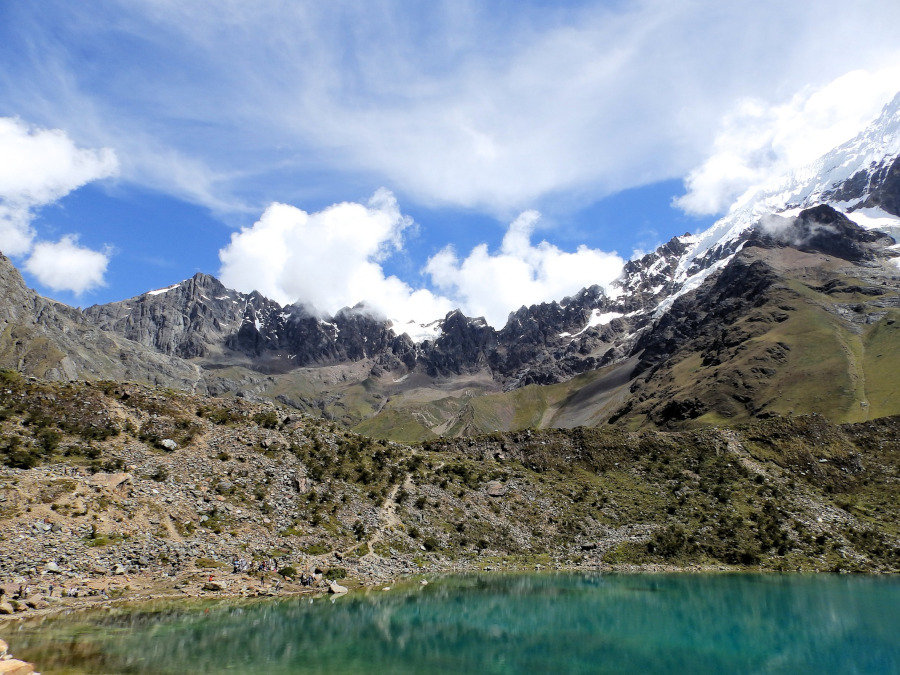
The Humantay lagoon is among Peru’s most popular tourist destinations. This is one of Cusco’s most stunning natural settings. Its blue waters are complemented by the magnificent snow-capped Salkantay.
The Andean dwellers have admired this lagoon since the era of the Inca empire. After Machu Picchuas well as the Rainbow Mountains, it is Cusco’s third-highest popular tourist destination.
The lagoon of Humantay is just 90 minutes from Soraypampa and three hours from Cusco. It is situated in the Andes, in the Vilcabamba mountainous region, at the base of Humantay, from which it gets its nickname.
Getting there on your own:
To go to this beautiful wonder by yourself, proceed to Mollepata and then hire a cab to Soraypampa because there are no transport connections.
The one-hour trek to the lagoons begins here, with a foreign admission cost of 10 soles and a half-price access fee for residents. However, if you are not in good physical shape, you can hire a horse or donkey to reach there.
It will be easy to return to Soraypampa because it is downward. After that, you’ll need to locate another cab to return to Mollepata, and then to Cusco.
Easiest way:
Traveling to the Humantay Lagoon through a travel company is the quickest and most convenient option. The best alternative is to book a personal tour if you would not want to skip even the slightest element and don’t wish the journey to be too long.
With this approach, you can be confident that a bus will transport you promptly to the tour’s starting point and that an experienced guide will safely transport you to the lagoons.
The most convenient method to go to the Humantay Lagoon is to opt for a full-day tour.
Humantay Lake is easily accessible from Cusco, Peru. If you wish to embark on a tour, several tour companies provide day tours from Cusco. You do not need to make a reservation; simply stop by the touring desk just before you wish to travel.
Inca Trail Elevation Gain Day by Day and the Total
Nestled deep within the heart of the Peruvian Andes, the iconic Inca Trail awaits the daring hikers who seek an unparalleled experience of history, culture, and natural beauty. As challenging as it is rewarding, traversing this path requires a deeper understanding of its terrain and altitude changes. This article aims to provide an essential guide, breaking down the Inca trail elevation gain day by day, and discussing the cumulative elevation over the trail’s entire length.
The Inca Trail, extending roughly 26 miles (42 kilometers), takes its travellers on a captivating journey through a variety of landscapes – from lush cloud forests to high mountain passes, with a wealth of Inca ruins dotted along the route. However, one of the most significant factors to account for when planning your trek is the trail’s elevation gain. Being aware of the altitude changes can greatly impact your ability to tackle this trek successfully, particularly given the potential challenges posed by altitude sickness.
The starting point: Understanding the significance of altitude on the Inca Trail
The Inca Trail, a path winding through the Andes, offers a steep trek to the famed Machu Picchu. Its scenic beauty is unmatched, yet the varying Inca trail elevation presents a unique challenge. The trail’s start lies within the lush Sacred Valley, at an altitude of about 8,923 feet (2,720 meters).
Understanding the Inca trail route is crucial for hikers. The significant altitude changes often result in physical reactions like shortness of breath or headaches. These symptoms are commonly associated with altitude sickness. Consequently, knowing the terrain’s elevation gain helps hikers prepare adequately.
The trail begins in the Sacred Valley, but swiftly ascends. At its highest point, the Inca trail elevation reaches 13,828 feet (4,215 meters) at Dead Woman’s Pass. It’s a demanding ascent, especially for those unaccustomed to high altitudes. Preparation, therefore, is key.
The Inca trail altitude fluctuates dramatically day by day. From lower regions, it winds up to higher altitudes, then descends again. Therefore, climbers must adapt to constant changes in air pressure and temperature. Understanding these variations better equips trekkers for the physical challenge.
Despite the physical demands, the allure of the Inca Trail remains strong. Traversing ancient paths to reach Machu Picchu is an enticing reward. While challenging, understanding the Inca trail elevation changes transforms this demanding trek into a journey of triumph. It’s a reminder of human resilience amidst the stunning beauty of nature.
Remember, a successful trek starts with understanding the Inca trail altitude. It’s a journey of physical endurance and profound cultural immersion, taking you from the Sacred Valley to the citadel of Machu Picchu. With the right preparation, this trek becomes an unforgettable journey.
Day by day: Detailed analysis of the Inca Trail altitude gain
Day one on the Inca Trail starts fairly relaxed. You begin at approximately 8,923 feet (2,720 meters). This initial stage is often considered the easiest. The Inca trail elevation gain on this day is moderate, with a gain of around 1,180 feet (360 meters).
Day two brings a significant Inca trail altitude change. It is arguably the most challenging, ascending to Dead Woman’s Pass. This is the highest point on the trail at about 13,828 feet (4,215 meters). The total gain for this day is roughly 3,937 feet (1,200 meters).
On day three, the Inca trail elevation fluctuates. From Dead Woman’s Pass, the trail descends to approximately 11,811 feet (3,600 meters). However, there’s a second ascent to reach Runkurakay Pass at around 12,959 feet (3,950 meters). Then, you descend again, ending the day at approximately 8,860 feet (2,700 meters).
Day four, the final day, includes a slight Inca trail elevation gain to Intipunku, the Sun Gate. From there, you descend to Machu Picchu, located at about 7,972 feet (2,430 meters). It’s an emotional moment when the misty veil lifts, revealing the historic citadel.
Understanding the Inca trail altitude changes helps trekkers plan and prepare. Despite the challenge, the dramatic scenery, rich history, and the allure of Machu Picchu make this journey worth it. With the right preparation, understanding the daily Inca trail elevation changes, this demanding trek becomes an achievable adventure.
Summing it up: The total elevation gain of the Inca Trail
The Inca Trail is a journey through time and nature, marked by significant elevation changes. A comprehensive look at the Inca trail elevation reveals the physical challenge of this historic route. The cumulative elevation gain over the course of the four-day trek is roughly 6,562 feet (2,000 meters).
However, the Inca trail elevation isn’t solely about gains. The path dips and rises repeatedly throughout the journey. Hence, the total elevation change, considering both ascents and descents, is much greater. It tests endurance, resilience, and adaptability.
It’s important to note that the Inca trail elevation isn’t static. It ranges from 8,923 feet (2,720 meters) at the start, soars to 13,828 feet (4,215 meters) at its highest point, and ends at 7,972 feet (2,430 meters) at Machu Picchu. The descent is as significant as the ascent.
While the Inca Trail is a test of stamina, it’s also an enriching cultural experience. It’s about merging with the timeless spirit of the Incas, echoing in the Andean winds. The challenges of the Inca trail elevation become a small part of a larger, unforgettable journey.
For those seeking different but equally rewarding experiences, consider the Lares Trek. It’s an alternative path to Machu Picchu, presenting another perspective on Inca history. For the colorfully adventurous, Vinicunca Rainbow Mountain awaits. It’s a spectacle of nature’s paintbrush at high altitude.
Alpacas of Peru: The Andean Treasures
High in the Andean mountains, a treasure thrives. The alpaca, native to Peru, graces the rugged landscapes. Their presence is both historical and heartwarming.
These animals are not just livestock. They represent Peru’s deep cultural roots and traditions. Their luxurious fleece tells stories of ancient commerce and craft.
To understand Peru, one must understand its alpacas. The bond is undeniable. Dive into the world of these Andean gems.
The Alpaca’s Role in Andean culture and tradition
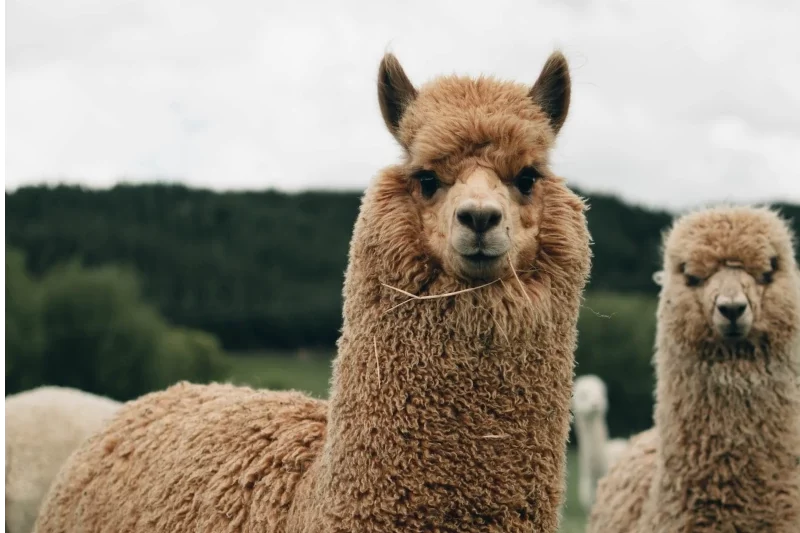
Alpacas of Peru are more than just animals. They are an emblem of Andean identity. Their significance permeates daily life.
For centuries, these creatures have shaped the Andean way of life. They provide warmth, sustenance, and economic value. Their fleece, soft and durable, was once considered royal.
The Inca Textile is a testament to this. This ancient craft utilized alpaca fiber extensively. It symbolized the intertwining of culture and commerce.
The Alpacas of Peru roamed places like the Lares Valley. This region showcases their deep-rooted cultural importance. Communities in this valley rely on alpaca herding even today.
They aren’t merely sources of income. Alpacas play a role in religious and social events. They feature in ceremonies, folk tales, and more.
Their significance is more than just historical. Contemporary Andean culture cherishes them. They stand as a link between the past and present.
Through festivals and gatherings, the reverence is clear. The bond between the Andean people and alpacas remains unbroken. It’s a relationship based on respect and mutual benefit.
The alpaca is indispensable. Their role in the Andean way of life is profound. They truly are the heart and soul of the region.
Varieties of Peruvian Alpacas: Beauty in diversity
Alpacas of Peru are as varied as the landscapes they roam. Their diversity goes beyond mere appearance. It extends to the fibers they produce.
Two main breeds exist: Huacaya and Suri. Huacaya alpacas have dense, soft, and crimped fleece. Suri alpacas flaunt long, silky, and lustrous locks.
Each breed offers distinct qualities. These have influenced Peruvian textile industries for centuries. The ancient Qhipus system even documented this diversity.
People often associate alpaca fibers with luxury. It’s no wonder they dominate the market for gifts and souvenirs from Peru. Their unique textures and natural colors attract global attention.
Tourists flock to witness this variety firsthand. Alpacas of Peru aren’t just a visual treat. They’re ambassadors of a rich textile heritage.
Over the years, breeders have nurtured this diversity. They’ve ensured that both breeds flourish in their natural habitats. This dedication preserves their inherent characteristics.
The aim isn’t just economic gain. It’s about honoring an age-old tradition. Peruvian culture and alpaca breeds are deeply intertwined.
The varieties showcase more than beauty. They represent history, craftsmanship, and cultural pride. Through them, Peru shares a piece of its soul with the world.
Alpaca farming and conservation: Balancing tradition and sustainability
Alpaca farming is an age-old Andean tradition. It has deep cultural roots in Peru. Yet, sustainability challenges now emerge.
Modern demands have increased alpaca farming. This puts pressure on the fragile Andean ecosystems. Balancing tradition and ecology has become crucial.
Historically, alpacas roamed freely, coexisting with nature. Their grazing patterns naturally preserved the land’s biodiversity. Now, this harmonious balance faces threats.
Overgrazing can deplete essential resources. It risks soil erosion and degradation. Sustainable practices are vital to counteract this.
Conservationists and farmers are collaborating. They aim to find solutions that honor traditions. Sustainable alpaca farming can benefit both culture and environment.
For example, rotational grazing is gaining traction. It allows land to recover between grazing periods. This promotes soil health and vegetation regrowth.
Another focus is on preserving alpaca diversity. Genetic variation ensures the species’ long-term survival. It also maintains the quality of their luxurious fleece.
To truly appreciate this balance, one must witness it. The majestic Andean landscapes tell a compelling story. They hold the key to understanding the challenges.
For those intrigued by this interplay, there’s an invitation. Embark on a Lares Trek or a Two Day Inca Trail. Experience firsthand the harmony of alpacas with their habitat.
Such journeys not only enlighten. They inspire a deeper appreciation for sustainability. They showcase the delicate dance between tradition and conservation.
In conclusion, while challenges exist, hope remains. Alpaca farming and conservation can coexist. Together, they weave a tapestry of sustainable Andean life.
Day Trips from Cusco: Exploring Beyond the City Limits
Discover the magic beyond Cusco’s city limits. The day trips from Cusco offers a unique glimpse into Peruvian culture and history. Step into a world of ancient ruins and vibrant landscapes.
Cusco, a gateway to adventures, beckons. Surrounding areas reveal secrets of the Inca civilization. Immerse yourself in breathtaking nature and heritage.
From the Sacred Valley’s wonders to the majestic Rainbow Mountain, options abound. Experience traditional markets, untouched nature, and archaeological sites. Every journey promises unforgettable memories.
Plan your escape from the ordinary. Embrace the adventure just a short trip away. Let Cusco be your starting point to explore the extraordinary.
Unveiling the Sacred Valley: A Journey Through Time and Tradition
Nestled in the heart of Cusco, the Sacred Valley invites adventure seekers. Its landscapes whisper tales of ancient civilizations. Here, every path leads to discovery.
A tour from Cusco unlocks these secrets. The valley stretches beneath the Andes, cradling stories of the past. Its beauty captivates all who visit.
Day trips from Cusco offer a gateway to this mystical realm. They blend history, culture, and nature seamlessly. Each visit promises a unique experience.
The Gateway to Ancient Wonders
The journey often starts with Pisac. Its market dazzles with colors and crafts. Nearby, the Pisac ruins loom, echoing Inca ingenuity.
A full day tour can lead you here. These tours explore corners of the valley often missed. They reveal the soul of the Andes.
Next, Ollantaytambo stands as a living Inca town. Its streets preserve the layout of Inca times. The fortress above guards the valley’s heart.
Maras Salt Mines: A Glimpse into Tradition
Not far, the Maras salt mines paint the hillside white. They have provided salt since Inca times. Today, they still operate, maintaining ancient methods.
This site shows the valley’s enduring legacy. It underscores the blend of nature and human effort. A visit here enriches any valley tour.
Culture and Nature Intertwined
In the Sacred Valley, tradition thrives. Each town boasts its own unique charm. Together, they weave a tapestry of Andean culture.
Day trips from Cusco often include Moray’s terraces. These circular depressions puzzle historians. Yet, their beauty and ingenuity captivate all.
Here, the Incas experimented with crops. They created microclimates in each level. This site highlights their advanced agricultural knowledge.
The Path to Machu Picchu
For many, a tour from Cusco serves as a prelude. It prepares them for the journey to Machu Picchu. This iconic Inca site stands as a testament to ancient prowess.
Yet, the valley offers more than a path to the famous ruins. It provides a deeper understanding of the Inca civilization. This context enriches the experience of those who have visited Machu Picchu.
A Sacred Valley tour delves into local traditions. It offers a glimpse into Andean life. This immersion fosters a deeper connection with South America.
Textiles here carry centuries of history. Workshops reveal the art of weaving. These crafts tell stories, embodying the valley’s spirit.
Adventures Beyond the Ruins
The valley also thrills nature lovers. The Humantay Lake, with its turquoise waters, offers tranquility. It’s a jewel amid the Andes.
Hiking trails abound, leading to breathtaking views. These paths offer solitude and beauty. They invite visitors to connect with nature
Sustainable Travel in the Sacred Valley
Sustainable tourism thrives here. Visitors can support local communities. They engage with tradition, promoting cultural preservation.
Accommodations and tours prioritize eco-friendly practices. They ensure the valley remains pristine for generations. This approach enriches the travel experience.
Cusco Tourist Ticket: Your Passport to Discovery
The Cusco tourist ticket grants access to many sites. It’s essential for explorers. This ticket opens doors to numerous ruins and museums.
It offers a cost-effective way to experience the valley. Visitors can explore at their own pace. The ticket simplifies planning for day trips from Cusco.
Sacred Valley Tours: A Journey for Every Traveler
Sacred Valley tours cater to diverse interests. They offer cultural, historical, and adventure tours. There’s something for everyone.
Guides share insights into Inca history and culture. They bring the past to life. Their knowledge enhances the tour experience.
The Culinary Journey
Peruvian cuisine adds flavor to the adventure. Each meal reflects local ingredients and traditions. The valley’s cuisine delights the palate.
Restaurants and markets offer traditional dishes. They provide a taste of Andean life. Culinary tours introduce visitors to these flavors.
Connecting with the Community
Community-based tourism flourishes here. Visitors can stay with local families. This interaction fosters mutual understanding and respect.
These experiences highlight the importance of preserving traditions. They also support local economies. Travelers leave with lasting memories and new friendships.
Why the Sacred Valley Calls
The Sacred Valley remains a beacon for explorers. It offers more than day trips from Cusco. It invites a journey through time and tradition.
Its landscapes, people, and history enchant all who visit. The valley holds the heart of the Inca civilization. It’s a treasure of South America.
Planning your visit requires consideration. Choose tours that reflect your interests. Embrace the adventure that awaits beyond Cusco’s limits.
The Sacred Valley promises a journey filled with discovery. Its beauty and history await. Let the valley be your guide to the wonders of the past.
The Rainbow Mountain Experience: Nature’s Palette Unleashed
Peru’s landscape hides an astonishing secret. Rainbow Mountain stands as a testament to nature’s artistry. Its colors dazzle all who visit.
A day trip from Cusco offers this breathtaking encounter. The journey itself is an adventure. It winds through some of the most scenic terrains in South America.
The entrance fee to Rainbow Mountain is a small price. It grants access to this natural wonder. The experience is priceless.
Planning Your Adventure
Early morning starts are common. They aim to beat the crowds and the afternoon weather. This strategy enhances the experience.
Public transport to the trailhead exists but can be challenging. A guided tour is a great option. It simplifies logistics and enriches the journey.
The hike itself is demanding. It tests your endurance and rewards your spirit. The view from the summit justifies every step.
A Tapestry of Colors
Geology and time have painted the mountain. Reds, yellows, greens, and blues merge. They create a visual symphony.
This phenomenon results from mineral deposits. They tell a story millions of years old. Each hue narrates a chapter of geological history.
Photographers and nature lovers find a paradise here. The mountain’s palette changes with the light. Sunrise and sunset offer magical moments.
Beyond the Rainbow: Exploring the Vicinity
The area around Rainbow Mountain holds other treasures. Red Valley is one such gem. It offers a contrasting beauty.
Hiking further reveals secluded spots. These areas are less crowded. They offer a more intimate connection with nature.
Day trips from Cusco often combine these sights. They provide a fuller exploration of the region. Each step uncovers new wonders.
Sustainable Tourism and Local Impact
The popularity of Rainbow Mountain has surged. With this comes responsibility. Sustainable travel practices are essential.
Visitors contribute to the local economy. The entrance fee supports community initiatives. This symbiosis ensures the site’s preservation.
Tour operators emphasize eco-friendly practices. They aim to minimize the environmental footprint. This approach safeguards the area’s natural beauty.
The Boleto Turistico: A Gateway to More Adventures
For those seeking broader experiences, the Boleto Turistico is key. It offers entry to multiple sites around Cusco. This ticket is a gateway to cultural immersion.
While it doesn’t cover Rainbow Mountain, it complements the trip. It allows for a deeper exploration of the region. Sites like Sacsayhuaman and Qorikancha become accessible.
This pass enriches any day trip from Cusco. It blends natural wonders with historical insights. The combination is captivating.
From Rainbow Mountain to Machu Picchu
For the ambitious adventurer, a day trip to Machu Picchu from Cusco beckons. This journey combines two iconic experiences.
The trek to Machu Picchu can start with a night in Aguas Calientes. This staging point offers rest before the ascent. It’s a strategic move for the final trek.
Hiking the Inca Trail to Machu Picchu is an epic journey. It contrasts with Rainbow Mountain but is equally rewarding. Both require stamina and a spirit of adventure.
The Sacred Valley Day: A Complementary Experience
A Sacred Valley day adds another layer to the adventure. It offers a gentler, yet profound, exploration. This region is rich in culture and history.
The valley serves as a perfect counterbalance. After the physical demands of Rainbow Mountain, it offers relaxation. The cultural immersion is soothing.
Together, these experiences offer a comprehensive view of the Andes. They showcase the diversity of the region. Each adventure contributes to a fuller understanding of Peru.
Tips for a Successful Trip
Preparation is key for any day trip from Cusco. Acclimatization to the altitude is crucial. Spend a few days in Cusco or its surroundings before venturing out.
Water and snacks are essential. The hike is strenuous. Proper hydration and energy are necessary.
Lastly, respect the environment. Leave no trace. This ensures that Rainbow Mountain remains pristine for future visitors.
Why Rainbow Mountain Calls
Rainbow Mountain beckons with its unique beauty. It offers a challenge and a reward. The experience is unforgettable.
This day trip from Cusco is more than a hike. It’s an encounter with the extraordinary. It’s a journey through nature’s palette.
The adventure awaits. Choose your path wisely. Let the colors of Rainbow Mountain inspire you.
This experience, combined with other Andean adventures, offers a rich tapestry. Peru’s wonders are endless. Rainbow Mountain is just the beginning.
Let the journey unfold. The memories will last a lifetime. The beauty of nature, the challenge of the ascent, and the joy of exploration converge here.
Rainbow Mountain awaits. Its colors are calling. Are you ready to answer?
Inca Trail Cost: A Budget Breakdown
The Inca Trail to Machu Picchu is a journey of a lifetime. It’s a trek that combines natural beauty, history, and adventure.
But how much does it cost to hike the Inca Trail?
This question is often the first one prospective trekkers ask. The answer, however, is not as straightforward as one might hope.
In this article, we’ll provide a comprehensive breakdown of the Inca Trail cost. We’ll delve into the various expenses you can expect, from permits and guides to meals and camping gear.
Our aim is to help you plan your Inca Trail budget effectively for this iconic trek.
Understanding the Inca Trail
The Inca Trail is more than just a trek. It’s a journey through time, leading you along an ancient path to the lost city of Machu Picchu.
This 26-mile (42-kilometer) trail was once part of the vast network of roads built by the Inca Empire. Today, it’s a UNESCO World Heritage Site, attracting hikers from around the world.
The trail takes you through diverse landscapes, from high mountain passes to lush cloud forests. Along the way, you’ll encounter numerous archaeological sites, offering glimpses into the Inca civilization.
Here are some key facts about the Inca Trail:
It’s a 4-day trek, covering a distance of 26 miles (42 kilometers).
The trail reaches an altitude of 13,828 feet (4,215 meters) at its highest point, Dead Woman’s Pass.
Permits are limited to 500 per day, including guides and porters.
The trail is closed in February for maintenance.
The Significance of the Inca Trail
The Inca Trail is more than just a path to Machu Picchu. It’s a living testament to the engineering prowess of the Inca Empire.
Hiking the trail offers a unique opportunity to step back in time and experience the landscape as the Incas did centuries ago.
Permits and Limitations
One of the key factors that influence the Inca Trail cost is the permit. The Peruvian government limits the number of permits to 500 per day. This includes not only hikers but also guides and porters.
This limitation is in place to protect the trail from overuse and ensure its preservation for future generations. As a result, permits often sell out months in advance, especially during the peak season from May to September.
Here are some important points to remember about Inca Trail permits:
They are non-transferable and must be purchased under the hiker’s name.
They must be purchased through a licensed tour operator.
The cost of the permit is usually included in the overall Inca Trail cost quoted by tour operators.
Inca Trail Costs: What to Expect
The cost of hiking the Inca Trail can vary greatly. It depends on several factors, including the tour operator, the level of service, and the time of year.
On average, you can expect to pay between $500 and $2000 for a standard 4-day trek. This price range reflects the diversity of options available, from budget treks to luxury experiences.
It’s important to understand what’s included in the quoted price. Some tour operators may offer a lower price, but exclude certain costs that you’ll need to pay separately.
Always ask for a detailed breakdown of costs before booking your trek. This will help you avoid any surprises and manage your budget effectively.
Standard Inclusions in the Inca Trail Cost
Most tour operators include the following in their Inca Trail cost:
Permit: This is a mandatory fee paid to the Peruvian government for access to the trail. It also includes entrance to Machu Picchu.
Guide: A licensed guide is required for all treks on the Inca Trail. Some tours include a guide for every 8-10 hikers, while others offer a private guide.
Porters: These local workers carry the camping equipment and food. Some tour operators also include a personal porter to carry your personal items.
Transportation: This includes transport from Cusco to the start of the trail and return transport from Machu Picchu to Cusco.
Meals: Most tours include all meals during the trek. Some also provide snacks and filtered water.
Camping equipment: This includes tents, sleeping mats, and cooking equipment. Some tours also provide sleeping bags and walking poles, while others offer them for rent.
Additional Expenses to Consider
While the Inca Trail cost includes most of the essentials, there are additional expenses that you’ll need to budget for.
Tips: It’s customary to tip your guide and porters at the end of the trek. The amount is up to you, but a common guideline is $10-15 per day for the guide and $5-10 per day for each porter.
Gear: You’ll need good hiking boots, a backpack, and suitable clothing for various weather conditions. If you don’t already have these, you’ll need to factor in the cost of buying or renting them.
Accommodation: You’ll likely need to stay in Cusco before and after the trek. The cost of accommodation is not usually included in the Inca Trail cost.
Travel insurance: It’s highly recommended to have travel insurance that covers hiking at high altitude. Check if your existing policy covers this, or budget for the cost of a suitable policy.
Choosing Your Inca Trail Experience
The Inca Trail offers a range of experiences to suit different budgets and preferences. Your choice will greatly influence the overall cost of the trek.
For some, the appeal of the Inca Trail lies in its ruggedness and the opportunity to connect with nature. These travelers may opt for a budget trek, accepting a more basic level of service in exchange for a lower cost.
Others may prefer a more comfortable experience, with additional services and amenities. These luxury treks come at a higher cost, but offer a more relaxed and pampered journey to Machu Picchu.
Budget vs. Luxury Treks
Budget treks on the Inca Trail typically cost between $500 and $800. They usually include basic camping equipment, meals, and a shared guide and porters. Group sizes can be larger, with up to 16 hikers.
Luxury treks, on the other hand, can cost upwards of $1000. They offer a higher level of service, with smaller groups, better meals, and more comfortable camping equipment. Some even include a personal porter to carry your gear, a private toilet tent, and a massage therapist.
Here’s a comparison of what you can expect from budget and luxury treks:
Group size: Budget treks often have larger groups, while luxury treks offer a more personalized experience with smaller groups.
Meals: Luxury treks usually offer a higher standard of meals, often prepared by a professional chef. Budget treks provide simpler meals.
Camping equipment: Luxury treks provide more comfortable camping equipment, such as thicker sleeping mats and higher-quality tents.
Additional services: Luxury treks may include extras like a personal porter, a private toilet tent, or even a massage therapist.
The Cost of Sustainable and Ethical Trekking
When considering the Inca Trail cost, it’s important to factor in the cost of sustainable and ethical trekking. This means choosing a tour operator that respects the environment and treats its staff fairly.
Sustainable trekking practices include carrying out all trash, using biodegradable products, and minimizing impact on the trail and campsites. Ethical trekking involves paying fair wages to guides and porters, providing them with proper equipment and meals, and limiting the weight they carry.
Tour operators that prioritize sustainability and ethics may charge a higher price. However, by choosing them, you’re contributing to the preservation of the Inca Trail and the well-being of the local community.
Planning and Budgeting for Your Trek
Planning and budgeting for the Inca Trail is a crucial part of your trek preparation. It’s not just about the cost of the trek itself. You also need to consider additional expenses, such as gear, travel insurance, and accommodation in Cusco.
Remember, the Inca Trail is not a last-minute destination. Permits sell out months in advance, especially during the peak season. So, it’s important to start planning and saving early.
Also, keep in mind that the Inca Trail is a challenging trek. Investing in good quality gear and physical preparation can make your experience more enjoyable and safe.
When to Book the Inca Trail
The best time to book the Inca Trail depends on your preferences and flexibility. The dry season, from May to September, is the most popular time to hike. However, permits for these months can sell out up to six months in advance.
If you’re flexible with your dates and prefer a quieter trail, consider hiking in the shoulder seasons. April, October, and November offer a good balance between weather and crowd levels. Just remember to book your permit a few months ahead.
Hidden Costs and How to Avoid Them
While the Inca Trail cost includes most of the essentials, there are some additional expenses that can catch you off guard if you’re not prepared. Here are some hidden costs to consider and how to avoid them:
Tips for guides and porters: Tipping is customary on the Inca Trail. Plan to set aside around $10-$20 per day for tips.
Gear rental: If you don’t have your own trekking gear, you can rent it in Cusco. However, this can add up, so consider investing in your own gear if you plan to do more treks in the future.
Accommodation in Cusco: You’ll need to arrive in Cusco a few days before your trek to acclimatize. This means extra nights in a hotel.
Travel insurance: It’s important to have travel insurance that covers high-altitude trekking. Check the fine print to make sure the Inca Trail is covered.
Additional activities: If you plan to visit other sites in the Sacred Valley or try activities like zip-lining or hot springs, budget for these extras.
Is the Inca Trail Worth the Cost?
The Inca Trail cost might seem steep at first glance. However, when you consider the unique experience it offers, many find it worth every penny. The trail takes you through stunning landscapes, ancient ruins, and offers a glimpse into the rich Inca history.
Moreover, the cost contributes to the preservation of this UNESCO World Heritage Site and supports the local economy. So, while it’s an investment, it’s one that offers rich rewards – a once-in-a-lifetime experience, a deeper understanding of Inca culture, and the satisfaction of supporting sustainable tourism.
Exploring the Vibrant San Pedro Central Market
Located in the center of Cusco, Peru, the San Pedro Central Market is a busy place full of life. It showcases the lively spirit and diverse culture of the Andean region. This busy marketplace is not just for shopping; it shows a small picture of Peruvian life and highlights the country’s rich heritage and traditions.
As you explore the vibrant aisles, you’ll experience a sensory delight filled with sights, sounds, and aromas that embody Peruvian culture. From the vibrant displays of fresh produce to the aromatic herbs and dazzling textiles, every corner of the market tells a story of the land and its people. This guide will take you on a journey through the market, highlighting its unique offerings and providing insights into how to make the most of your visit.
A Glimpse into the Heart of Cusco
The San Pedro Central Market, known locally as Mercado Central de San Pedro, is more than just a marketplace; it’s a living museum that showcases the traditions and daily life of the Cusco region. Situated just a short walk from the historic Plaza de Armas, the market has been a cornerstone of the community since its establishment in 1925. Over the decades, it has evolved into a vibrant social and economic hub, where locals and tourists alike come together to experience the authentic spirit of Cusco.
The Architectural Charm
Designed by French architect Gustave Eiffel, the market’s structure is an architectural marvel in itself. Its open-plan layout, supported by intricate ironwork, allows for a seamless flow of air and light, creating a welcoming atmosphere for both vendors and visitors. This unique design not only provides functional benefits but also adds an artistic flair that enhances the overall market experience. As you step inside, you’ll be greeted by a kaleidoscope of colors and a symphony of sounds that set the stage for an unforgettable experience. The market’s architecture is a testament to the blend of European influence and local ingenuity, making it a fascinating subject for architecture enthusiasts and casual visitors alike.
The Market Experience
A Feast for the Senses
As you navigate the bustling aisles of the San Pedro Market Peru, prepare to be dazzled by an array of fresh produce, aromatic herbs, and vibrant textiles. Each section of the market offers a unique glimpse into the culinary and cultural traditions of Peru, from the exotic fruits that thrive in its diverse climates to the traditional spices that define its regional cuisines. The air is filled with an enticing mix of scents, from the earthy aroma of dried corn to the sweet fragrance of freshly cut flowers. The vivid colors of the market are equally captivating, with stalls overflowing with goods that range from deep purple corn to bright orange peppers, creating a visual feast that is as vibrant as the culture itself.
Fresh Produce and Local Delicacies
The produce section is a highlight of the market, featuring an impressive array of fruits and vegetables, many of which are native to the region. From the vibrant hues of Andean potatoes to the exotic shapes of passion fruits, the diversity is astounding. These local ingredients are not only a testament to Peru’s rich agricultural heritage but also a key component of its acclaimed cuisine. Don’t miss the opportunity to sample local specialties like choclo (large-kernel corn) and rocoto (a spicy pepper). Vendors are often eager to share stories about the origins and uses of their produce, offering visitors a deeper understanding of the cultural significance behind each item.
In addition to fresh produce, the market offers a selection of prepared foods and snacks. Be sure to try a piping hot empanada or a serving of ceviche, a beloved Peruvian dish made with fresh fish and citrus. These culinary delights provide a taste of the local flavors and are perfect for a quick and satisfying meal as you explore the market. The food stalls are a hub of activity, with vendors skillfully preparing dishes and engaging in lively conversations with customers, creating a dynamic atmosphere that is both welcoming and exhilarating.
Textiles and Handicrafts
Beyond the culinary delights, the San Pedro Market is a treasure trove of handmade textiles and crafts. Stalls are adorned with vibrant woven blankets, intricately embroidered garments, and colorful alpaca wool products. These items not only make for unique souvenirs but also support local artisans who keep traditional craftsmanship alive. Each piece is a work of art, reflecting the skill and creativity of the artisans who pour their heart and soul into their creations. The market is a place where tradition meets innovation, as artisans blend ancient techniques with contemporary designs to create products that are both beautiful and functional.
A Cultural Exchange
One of the most rewarding aspects of visiting the San Pedro Market is the opportunity for cultural exchange. The market is a social hub where locals gather to shop, socialize, and share stories. As a visitor, you’ll have the chance to engage with friendly vendors who are often eager to share insights into their products and traditions. This interaction provides a unique opportunity to learn about the local culture firsthand and fosters a sense of connection and understanding between visitors and the community. As you converse with vendors, you may hear tales of family traditions, local festivals, and the history of the region, enriching your market experience with a deeper appreciation for the people and their way of life.
Planning Your Visit
To make the most of your visit to the San Pedro Central Market, it’s important to plan ahead and approach your exploration with an open mind and a sense of adventure. The market offers a plethora of experiences, and a little preparation can ensure that you make the most of your time there.
Timing and Logistics
The market is open daily from early morning until late afternoon, with the busiest times typically being mid-morning. Arriving early allows you to experience the market at a more leisurely pace and capture stunning photos before the crowds arrive. Early mornings also offer a glimpse into the daily routines of the vendors, as they set up their stalls and prepare for the day’s activities.
Keep in mind that the market is cash-based, so it’s a good idea to have small bills and change on hand. While most vendors speak Spanish, a few key phrases or a translation app can enhance your interactions. Being prepared with local currency and language tools not only facilitates smoother transactions but also demonstrates respect and consideration for the local culture.
Responsible Tourism
As a traveler, it’s essential to approach your visit with respect for the local culture and environment. Support vendors by purchasing ethically sourced products and being mindful of your environmental impact. By choosing products that are sustainably produced and fairly traded, you contribute to the local economy and help preserve traditional practices. Remember to ask for permission before taking photos of individuals, and engage with vendors in a friendly and respectful manner. This approach fosters positive interactions and ensures that your visit is both enjoyable and respectful to the community.
Beyond the Market
While the San Pedro Central Market is a must-visit destination in Cusco, the surrounding area offers additional attractions that complement your market experience. Exploring beyond the market allows you to immerse yourself further in the rich history and vibrant culture of Cusco.
Historic and Cultural Sites
Cusco is a city steeped in history, with a wealth of sites to explore. After your market visit, consider taking a stroll to the nearby Plaza de Armas, where you can admire colonial architecture and visit the stunning Cusco Cathedral. The plaza is a lively gathering place, offering a glimpse into the daily life of the city and a beautiful backdrop for photos.
For a deeper dive into Incan history, the Qorikancha temple offers fascinating insights into the region’s past. This ancient site, once the most important temple in the Incan Empire, provides a captivating look at the architectural and spiritual achievements of the Incan civilization.
Culinary Adventures
For those with a passion for food, Cusco’s culinary scene extends beyond the market. Consider joining a cooking class or food tour to learn more about Peruvian cuisine and try your hand at making traditional dishes. These experiences offer a deeper understanding of the ingredients and techniques that define Andean cooking.
By participating in a cooking class, you not only gain new skills but also have the opportunity to connect with local chefs and fellow food enthusiasts, creating lasting memories and friendships. Exploring Cusco’s restaurants and cafes also provides a chance to savor a diverse array of dishes, from traditional Peruvian fare to innovative fusion cuisine.
The Cusco San Pedro Market is more than just a place to shop; it’s a vibrant tapestry of culture, history, and community. As you explore its lively aisles, you’ll gain a deeper appreciation for the rich traditions and daily life of the Andean region. Whether you’re a history enthusiast, a culinary adventurer, or simply a curious traveler, the market offers a wealth of experiences that are sure to leave a lasting impression. The market serves as a gateway to understanding the heart and soul of Cusco, offering insights into the customs, flavors, and craftsmanship that define the region.
Embark on your journey with an open heart and a keen eye for detail, and you’ll discover the true essence of Cusco through the vibrant lens of the San Pedro Central Market. By immersing yourself in this dynamic environment, you not only enrich your travel experience but also contribute to the preservation and celebration of Peru’s cultural heritage. Whether sampling local delicacies, admiring intricate textiles, or engaging in cultural exchanges, your time at the market will undoubtedly be a highlight of your Cusco adventure.
If you want to hike the Inca Trail Peru, be sure to prepare for a safe trip
In this article, we’ll dive deep into the ethical considerations of hiking the Inca Trail Peru, providing you with essential insights to ensure your adventure honors both the land and its people.
Understanding the Inca Trail Peru Machu Picchu
The Inca Trail to Machu Picchu in Peru is a network of trails built by the Incas over 500 years ago. These trails weave through the Andes Mountains, connecting various archaeological sites before culminating at the majestic Machu Picchu. Traversing this path is not just a hike; it’s a journey through history, offering a glimpse into the ancient Inca civilization.
Historical Significance
The Inca Trail to Machu Picchu Peru is a testament to the advanced engineering skills of the Inca civilization. Built around the 15th century, these trails were not only used for religious pilgrimages but also served as crucial communication routes across the vast Inca Empire. The stones laid by the Incas remain largely intact, providing hikers with a direct connection to the past. Understanding the trail’s historical context enriches the hiking experience, turning every step into a narrative of ancient achievements and cultural depth.
Architectural Marvels Along the Trail
As you venture along the Inca Trail, you will encounter a series of stunning archaeological sites. Each site, from the agricultural terraces of Llactapata to the ceremonial baths of Wiñay Wayna, offers a unique glimpse into Inca ingenuity. These structures were meticulously designed to harmonize with the natural landscape, a testament to the Incas’ reverence for their environment. Exploring these sites with knowledge and respect allows hikers to appreciate the sophisticated blend of architecture and nature.
Diverse Ecosystems
The trail offers more than historical insights; it introduces hikers to an incredible range of ecosystems. Starting in dense cloud forests rich with orchids and hummingbirds, the trail ascends to alpine tundra where llamas graze amidst snow-capped peaks. This ecological diversity is a vital aspect of the trail’s allure. Hikers are encouraged to tread lightly and appreciate the delicate balance of these environments, understanding their role in the broader Andean biosphere.
The Importance of Hiking Ethically
As the popularity of the Peru Machu Picchu Inca Trail Tours has soared, so too has the impact on the environment and local communities. Thus, hiking ethically is paramount to preserving this remarkable trail for future generations.
Supporting Local Communities
When planning your trek, consider booking with a tour operator that prioritizes the welfare of local communities. Ethical tour companies employ local guides and porters, ensuring fair wages and working conditions. This not only supports the local economy but also enriches your experience with authentic insights into Peruvian culture and traditions.
Economic Benefits
By choosing a tour company that supports local communities, you directly contribute to the economic well-being of the region. Fair wages for porters and guides ensure that the financial benefits of tourism are shared among those who call these mountains home. This economic support enables local families to invest in education and healthcare, fostering community development and resilience.
Cultural Exchange on this Machu Picchu Trek
Engaging with local guides offers a unique opportunity for cultural exchange. These guides often share stories and traditions passed down through generations, providing insights that cannot be found in guidebooks. This exchange enriches your journey, allowing you to understand the cultural significance of the trail and the landscapes you traverse.
Empowerment and Education
Ethical tourism empowers local communities by supporting educational initiatives. Tour operators that reinvest profits into community projects help fund schools and training programs. By hiking with such operators, you become part of a larger movement that values education as a tool for empowerment and sustainable development.
Minimizing Environmental Impact
The Inca Trail traverses fragile ecosystems that are sensitive to human activity. To minimize your impact, adhere to the Leave No Trace principles. Pack out all trash, stick to designated paths, and avoid disturbing wildlife. Your goal should be to leave the trail as pristine as you found it.
Leave No Trace Principles
Adhering to the Leave No Trace principles is critical when hiking the Inca Trail. These principles include packing out all trash, minimizing campfire impacts, and respecting wildlife. By following these guidelines, hikers help preserve the natural beauty and ecological integrity of the trail, ensuring that it remains a pristine wilderness for future explorers.
Sustainable Practices
Incorporating sustainable practices into your hiking routine can significantly reduce your environmental footprint. Use reusable water bottles and biodegradable toiletries to cut down on waste. Choose eco-friendly gear and clothing that are designed with minimal environmental impact. These small steps contribute to a larger effort to protect the trail’s diverse ecosystems.
Protecting Flora and Fauna
The Inca Trail is home to a variety of plant and animal species, some of which are endemic to the region. Hikers should avoid picking plants or feeding wildlife, as these actions can disrupt local ecosystems. Understanding and respecting the natural inhabitants of the trail is crucial for maintaining biodiversity and ecological balance.
Respecting Cultural Heritage
The Inca Trail is a sacred space, and respecting the cultural heritage of the indigenous people is essential. Take time to learn about the significance of the sites you visit, and approach them with reverence. Photography is welcome, but remember to be mindful of any restrictions and always ask for permission before capturing images of local people.
Understanding Indigenous Traditions
Before embarking on the trail, take the time to learn about the indigenous cultures that have shaped the region. Understanding local customs and traditions fosters respect and appreciation. This knowledge allows hikers to engage with the land and its people in a way that honors their heritage and cultural contributions.
Responsible Photography
While the landscapes and cultural sites along the Inca Trail are undoubtedly photogenic, responsible photography is key to respecting the people and places you encounter. Always ask for permission before taking photos of individuals, and be mindful of areas where photography might be restricted. Capturing images with respect ensures that you honor the dignity and privacy of local communities.
Reverence for Sacred Sites
Many of the sites along the Inca Trail are considered sacred by local communities. As a visitor, it’s important to approach these areas with humility and respect. Avoid climbing on ruins or disturbing ceremonial sites. By showing reverence for these sacred spaces, you contribute to their preservation and demonstrate respect for the cultural beliefs of the region.
Practical Tips for an Ethical Inca Trail Experience
Choosing the Right Tour Operator
Selecting a reputable tour operator is the first step in ensuring an ethical hike. Look for companies that are certified by local tourism authorities and have a strong commitment to sustainability. Read reviews, ask questions, and prioritize operators that are transparent about their practices.
Certification and Credentials
When choosing a tour operator, ensure that they are certified by relevant tourism authorities. Certification indicates that the company adheres to industry standards for safety and sustainability. Credentials can offer peace of mind that your experience will be both ethical and enjoyable.
Transparency and Communication
Effective communication with your tour operator is essential. Ask questions about their ethical practices, including how they support local communities and minimize environmental impact. A transparent operator will be open about their operations and eager to share information that enhances your understanding of ethical hiking.
Reviews and Recommendations
Before booking, read reviews and seek recommendations from fellow travelers. Reviews provide insights into the experiences of past hikers and can highlight the strengths and weaknesses of different operators. Recommendations from trusted sources can guide you toward a tour company that aligns with your values and expectations.
Being Prepared
Physical preparation is key to a successful and enjoyable trek. The Inca Trail is challenging, with high altitudes and steep inclines. Ensure you are in good physical condition and acclimated to the altitude before starting the hike.
Physical Conditioning
Preparing physically for the Inca Trail is crucial. Engage in regular cardiovascular and strength training exercises to build endurance and muscle strength. Hiking on varied terrain in advance can simulate trail conditions and help you prepare for the physical demands of the trek.
Altitude Acclimatization
The high altitudes of the Inca Trail can pose challenges for those unaccustomed to such elevations. Spend time acclimating in Cusco or other high-altitude areas before your trek. Gradual acclimatization helps your body adjust, reducing the risk of altitude sickness and enhancing your hiking experience.
Packing Ethically
When packing for the Inca Trail, focus on minimizing waste and maximizing sustainability. Bring reusable water bottles, eco-friendly toiletries, and energy-efficient gear. Packing with environmental consciousness supports ethical travel practices and aligns with the principles of responsible hiking.
Understanding the Trail Regulations
The Peruvian government has implemented regulations to protect the Inca Trail, including a permit system that limits the number of hikers each day. Inca Trail Permits must be obtained well in advance, and hiking independently is not allowed. Ensure your tour operator handles the permit process and adheres to all regulations.
Permit System
The Inca Trail is regulated by a strict permit system to manage the number of hikers and protect the trail’s integrity. Permits are limited and often sell out months in advance. Work with your tour operator to secure your permit early, ensuring your place on this iconic trek.
Guided Hiking Requirements
Independent hiking is not permitted on the Inca Trail. All hikers must be accompanied by a licensed guide. This requirement ensures safety and enhances the educational aspect of the trek, as guides provide valuable insights into the trail’s history and environment.
Adhering to Regulations
Familiarize yourself with the regulations governing the Inca Trail. These rules are in place to preserve the trail and protect its cultural and natural resources. By adhering to these regulations, you contribute to the sustainability of the trail and the preservation of its unique character.
The Reward of Ethical Hiking
Hiking the Inca Trail ethically enhances the overall experience, allowing you to connect deeply with the land, its history, and its people. As you stand at the Sun Gate, watching the first rays of dawn illuminate Machu Picchu, you’ll feel a profound sense of gratitude and accomplishment.
Deep Connection with Nature
Ethical hiking fosters a deeper connection with nature, allowing you to fully appreciate the breathtaking landscapes and diverse ecosystems of the Inca Trail. This connection enhances your experience, turning each day of hiking into a meaningful journey of exploration and discovery.
Cultural Enrichment
By engaging in ethical hiking practices, you enrich your cultural understanding of the region. Respecting local traditions and supporting communities allows you to gain insights that go beyond surface-level tourism, creating a more meaningful and rewarding travel experience.
Personal Fulfillment
The sense of accomplishment gained from completing the Inca Trail ethically is unparalleled. Knowing that you have contributed positively to the preservation of the trail and the well-being of its communities adds a layer of fulfillment to your adventure, leaving you with lasting memories and a sense of purpose.
Conclusion
The Inca Trail to Machu Picchu Tours is more than just a trek; it’s a journey that demands respect and responsibility. By understanding and embracing ethical hiking practices, you honor the land and its people, ensuring that the trail’s magic endures.
Whether you are a travel blogger seeking captivating stories or an outdoor adventure guide aiming to inspire clients, the Inca Trail offers an unparalleled experience. Approach it with an ethical mindset, and the rewards will be as vast as the Andean landscapes themselves.
Embrace the challenge, respect the trail, and savor every moment of this unforgettable adventure. By doing so, you become a guardian of this incredible heritage, ensuring its preservation for future generations to experience and cherish.