Looking for a scenic, adrenaline optional way to explore Inca engineering and Andean landscapes, without committing to a full day ride? This half day Sacred Valley bike tour to Maras and Moray is one of the smartest add ons to a Peru itinerary. Especially ideal for acclimating in Cusco before Machu Picchu. Getting moving, breathing the highland air, experiencing the Sacred Valley’s gentler descents before tackling bigger hikes or higher viewpoints.

This guide breaks down why this Maras Moray Bike Tour remains a favorite among travelers wanting culture, countryside, and a rewarding downhill ride, all in one morning.

Why Choose a Half-Day Maras & Moray Ride in the Sacred Valley?

Many travelers search for sacred valley bike tours because they want more than a van and photo stop day. A bike gives that wind in your face feeling that makes the Andean landscape memorable, but a half day format keeps it accessible even for someone new to peru mountain biking.

A well run Maras Moray bike tour hits the sweet spot. Enough riding to feel like a real adventure. Enough guiding to keep logistics simple. Enough time left to enjoy lunch, markets, or another activity in the afternoon.

Comparing peru bike tours? This route also suits travelers wanting an iconic Sacred Valley experience without the bigger time commitment of longer rides.

What You’ll See: Moray + Maras (The Sacred Valley’s Most Photogenic Pair)

A classic sacred valley bike tour stands out because it blends archaeology and living traditions. On this route, the two key stops, Moray and Maras, deliver exactly that.

Moray Terraces: An Inca Agricultural Laboratory

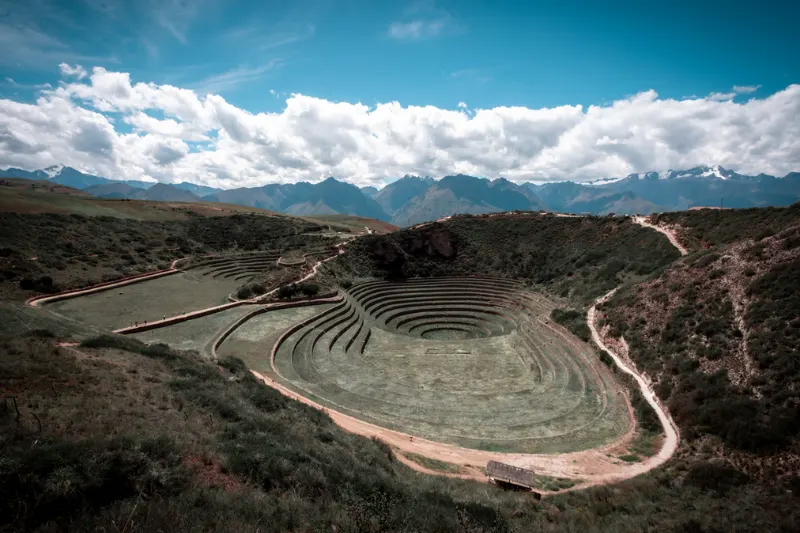
The Moray terraces cycling visit takes travelers to one of the Sacred Valley’s most intriguing sites. Circular, amphitheater like terraces that many interpret as an Inca agricultural laboratory. The terrace “bowls” create temperature differences by layer, forming microclimates that may have helped the Incas test how crops performed under different conditions, essentially an ancient, high altitude research station.

Expect sweeping views from the rim, a fascinating lesson in Inca innovation, and a stop that pairs perfectly with a guided mountain bike tour Peru style of travel. Learn, then ride. Anyone wanting more background before arriving should look into Exploring the Ancient Agricultural Terraces of Moray Peru, which digs deeper into the site’s history than a quick guide stop usually allows.

Maras Salt Terraces: Geometric Ponds Fed by Natural Springs

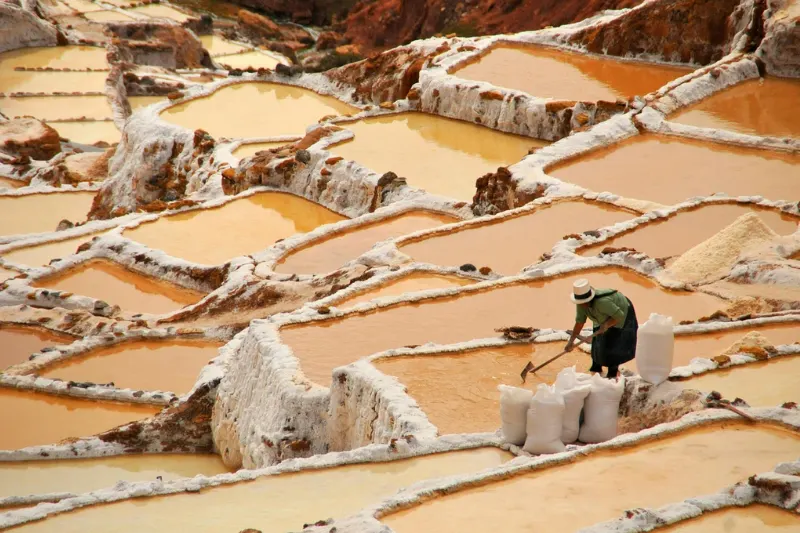
Next, the tour heads to the famous Maras salt works, often called the Maras Salt Terraces. Geometric salt ponds fed by natural springs, cascading down a hillside in hundreds of shimmering basins. Families maintain the ponds using time tested methods, and traditional salt harvesting still gets practiced there, an unforgettable contrast to the ancient stonework at Moray. The full story behind Maras Salt Mines: History and Impact reveals just how long this system has supported local communities in the valley.

Dreaming of Maras salt mines by bike? This ranks among the most satisfying ways to arrive. The landscape opens up gradually, and the salt pans feel like a reveal rather than just a roadside stop.

Tour Style: Small Group (Max 10) or Private Guided Tour

For travelers choosing among the best bike tours Sacred Valley offers, group size matters. This tour operates either as small groups with a maximum of 10 participants, or as a private guided tour, ideal for couples, families, or friends wanting a custom pace.

Both options keep the ride smoother, safer, more personal, especially helpful when navigating altitude or preferring more coaching on descents.

Difficulty, Bike Setup, and Who It’s For

This route classifies as medium difficulty. Not a technical enduro track, but more than a casual cruise. Think mixed surfaces, changing weather, and a few moments where confident braking and body positioning help.

This is also why many travelers call it a downhill bike tour Sacred Valley experience. The riding flow tends to favor descending toward the valley floor, making it approachable for active beginners while still fun for experienced riders.

Coming from Cusco and wondering about Cusco to Maras Moray biking? Most people do this as a supported ride, drive plus bike, rather than pedaling the entire way, which can get tougher at altitude and with time limits.

Detailed Half-Day Itinerary (Maras & Moray to Urubamba)

Here’s what a typical morning looks like for a Sacred Valley cycling route that prioritizes the highlights and keeps the pace efficient.

08:00, hotel pickup in Cusco. Picked up at 08:00 from a Cusco hotel, which makes this easy to fit into a travel day, especially with a train, a cooking class, or a market visit later.

Drive: Cusco to Chinchero (about 40 minutes). After pickup, approximately 40 minutes of driving reaches Chinchero, a highland gateway to the Sacred Valley. This transfer helps riding start in a scenic area without exhausting climbs.

Visit Moray first. The first major stop is Moray, where the guide explains the terraces and their role as an Inca agricultural laboratory with temperature differences by layer.

Then visit Maras Salt Terraces. Next comes Maras, where the geometric salt ponds fed by natural springs appear, along with a look at how traditional salt harvesting works today. Understanding the broader Maras Salt Pans: The Pink-Hued Salt’s System adds real context to what visitors see at ground level during this stop.

Downhill ride to Urubamba (finish). Finally, the bikes come out for a rewarding downhill bike tour Sacred Valley segment, rolling toward a finish in Urubamba, a comfortable hub in the valley and a great place to continue the day.
What’s Included (And What’s Not)

Knowing inclusions matters when comparing peru bike tours and evaluating Maras Moray bike tour price.

Included in this guided mountain bike tour Peru package typically:

  • Professional English-speaking guides
  • Transportation (Cusco pickup + support vehicle logistics)
  • Mountain bike equipment: helmet, gloves, and a GT mountain bike with front suspension
  • Box lunch or snacks (depending on the day’s plan)

Not included, budget separately for entrance tickets and insurance, explicitly not included in either.

Liking clarity upfront? This is also a good question to confirm when booking, which passes get needed, and whether the driver waits at all stops.

What to Pack for Sacred Valley Biking (Practical Checklist)

Been Googling what to pack for Sacred Valley biking? Keep it simple and altitude smart. Conditions can shift quickly, from sunny and warm to windy and cool.

Essentials to bring: cash (small bills help for bathrooms, tips, extra snacks), passport (or a secure copy, depending on preference and operator guidance), jacket (a light windbreaker or warm layer).

Strong recommendation: sun cream, since the high altitude sun in the Andes can feel intense even on cool days. Also consider sunglasses, lip balm, and a refillable water bottle, small comforts that make the ride more enjoyable.

Safety + Altitude: What to Know Before You Ride

People often ask, is Maras Moray bike tour safe? With a reputable operator, good gear, and a guide managing pacing, it’s generally a safe and popular route. The “medium” rating reflects that comfort riding a bike downhill, controlling speed, and handling occasional rough patches all matter.

Altitude tips for cycling Sacred Valley: avoid heavy drinking the night before. Hydrate early, starting before pickup. Eat something light but filling. Tell the guide about any headache, nausea, or unusual fatigue.

Remember, one of the biggest safety upgrades is simply riding within a comfortable pace. The guide can help adjust spacing and speed.
Bike Rental Notes: Should You Rent in Cusco?

Some travelers consider bike rental Cusco for Sacred Valley and doing the route independently. Possible, sure, but the main challenges sit in logistics, transport, timing, route finding, entry coordination. A supported sacred valley bike tour usually offers better value for time, especially wanting a clean, efficient half day plan with a proven finish point in Urubamba.

Going independent anyway? Research how to get to Moray by bike carefully. Road conditions, traffic, and weather can change, and altitude can turn “easy” distances into slow climbs.

Biking vs ATV: Which Is Better for Maras & Moray?

A common comparison, biking versus ATV tour. ATVs can be exciting and fast, but biking runs quieter, more immersive, often feeling more connected to the landscape, especially on scenic descents and rural stretches where the wind and valley become audible.

Choose biking for a more active experience, less engine noise, more nature, a rewarding Sacred Valley cycling route vibe.

Choose ATV for less physical effort, more speed focused thrills, a ride that feels more “motor adventure” than “cycling journey.”

Check TripAdvisor Before You Book

Before choosing among the best bike tours Sacred Valley has available, checking TripAdvisor reviews of the tour makes sense. Look for recent comments about guide quality, bike condition, group size (max 10), pacing, and how the operator handles weather changes, without relying on any single opinion.

Price and Booking Snapshot

For planning purposes, the tour price starts from $149 USD per person, with the option to go small group, up to 10 participants, or private. Comparing the Maras Moray bike tour price across operators? Double check what equipment is included, especially confirming a quality setup like a GT mountain bike with front suspension, plus helmet and gloves.

Takeaway: A Smart, Scenic Warm-Up Before Machu Picchu

For a memorable morning combining culture, landscapes, and fun riding, this Sacred Valley bike tour is hard to beat. A half day adventure showcasing Moray’s ingenious agricultural laboratory terraces, the geometric spring fed salt ponds of Maras, and a satisfying downhill roll into Urubamba, making it one of the most practical, rewarding sacred valley bike tours for travelers acclimating in Cusco before Machu Picchu. Timing the trip well matters too, and checking the Best Time to Visit Peru before booking helps avoid unnecessary weather surprises on riding day.
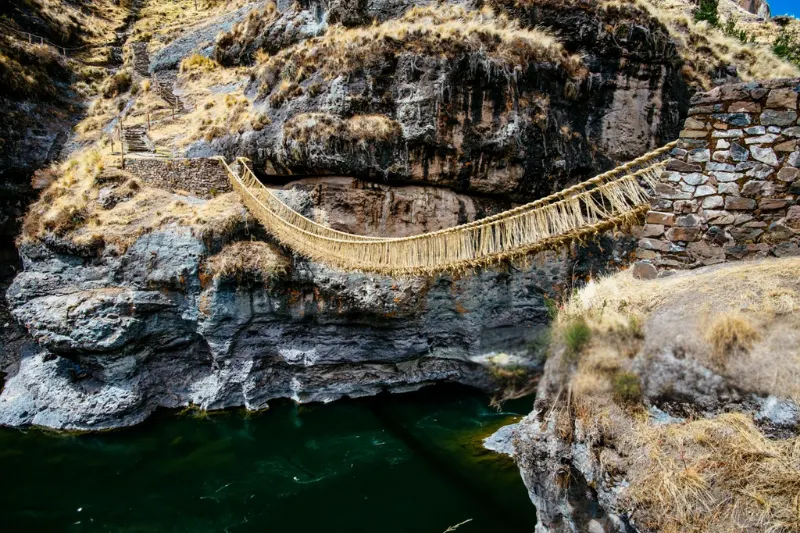
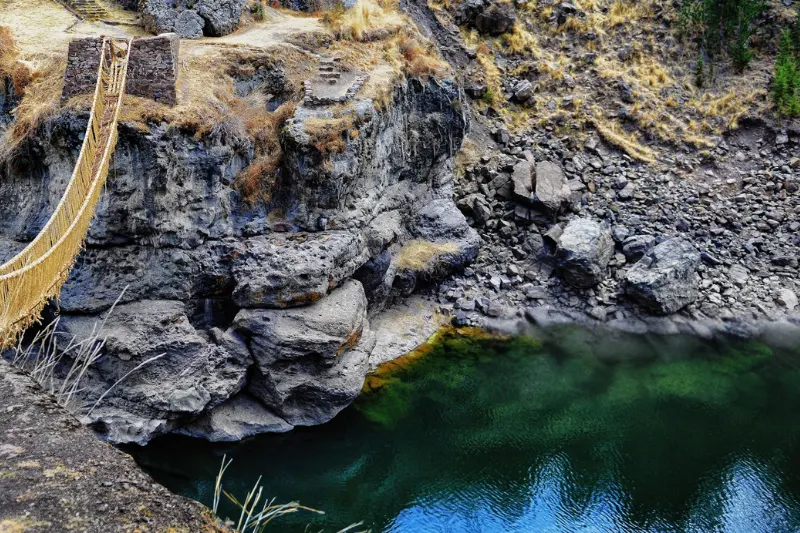
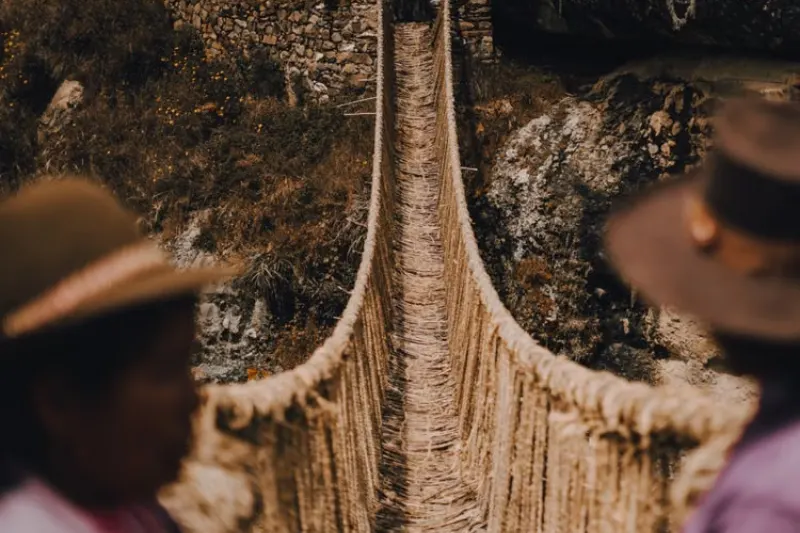
Queswachaka is the last remaining traditional Inca rope bridge still in use today. It is located over the Apurímac River in the Canas province of the Cusco region. The bridge is rebuilt entirely by hand every year using woven grass fibers, following a technique passed down through generations by four surrounding Quechua communities. This guide focuses on what matters most to a traveler: when to go, how to get there, what to pack, physical preparation, and how much it costs.

Unlike most archaeological sites in the region, Queswachaka is not a static ruin. The timing of a visit changes the experience considerably depending on whether it coincides with the annual renewal.

Queswachaka

When to visit: Renewal period vs. rest of the year

The renewal of Queswachaka takes place every June, typically during the second week of the month, and spans approximately four days. Visitors arriving during this window can watch the harvesting and braiding of the grass ropes. They can also witness the final ceremony where the old bridge is replaced with the new one.

Outside of this specific window, the completed bridge remains accessible year-round. Visitors can still walk across it and view the surrounding canyon, though without witnessing any active construction. For travelers whose schedule does not align with the June dates, visiting during the dry season still offers clear weather. Road conditions for the trip out to the site are also easier from May through October.

Visiting during the June renewal requires booking transportation and accommodation well in advance. The event draws significantly more visitors than a typical day trip during the rest of the year. Travelers planning to attend should confirm exact dates with a tour operator a few months ahead. The specific days shift slightly year to year based on the lunar calendar used by the participating communities.

Visitors arriving specifically for the renewal should plan to arrive by early afternoon on the final day. The crossing ceremony and the accompanying celebration typically begin once the last sections of rope have been secured. Timing can shift depending on how quickly the braiding work progresses that year.

How to get there

Queswachaka is located roughly 3 to 4 hours from Cusco by road, depending on the specific route and starting point. Most visitors reach the site as part of an organized day tour. The location is somewhat remote and public transportation options are limited in this part of the region.

Independent travel is possible for those with a rental vehicle or willing to arrange transportation through local drivers. Road conditions can vary depending on the season, particularly during the wet months when unpaved sections become harder to navigate safely. Booking through a tour operator remains the more practical option for most travelers. This is especially true during the renewal period, when demand for transportation increases significantly and independent drivers become harder to find on short notice.

Day tours typically depart from Cusco early in the morning, between 5:00 and 6:00 AM. This accounts for the round-trip distance and the time needed at the site itself. Some operators offer the option to combine this excursion with stops in nearby towns along the route, which can extend the day but adds context to the broader region.

Queswachaka

Cost of visiting

Pricing for a Queswachaka day trip varies depending on a few factors. Whether travelers book independently or through an organized tour matters, as does whether the trip coincides with the June renewal period.

  • Organized day tour (regular season): generally includes transportation, a guide, and sometimes lunch, priced in the mid range for a full-day excursion from Cusco.
  • Organized day tour (June renewal period): typically priced higher due to increased demand and the added length of the excursion during ceremony days.
  • Independent transportation: can be less expensive if arranged directly with a local driver, though it requires more planning and Spanish or Quechua language skills to negotiate effectively on arrival.
  • Entrance: the bridge itself does not require a separate ticket similar to the Boleto Turístico used at other Cusco sites. Local communities do sometimes request informal contributions at the site, though.

Booking a few weeks in advance for the regular season generally secures better pricing. For the June renewal, booking several months ahead is advisable. Group tours booked through the same operator as other Cusco excursions sometimes offer a modest discount when bundled together, which is worth asking about directly.

What to pack

Given the remote location and significant altitude of the surrounding region, packing appropriately matters more than for closer, more accessible sites near Cusco.

  • Clothing layers: temperatures swing significantly between morning and afternoon in this part of the Andes, so a warm layer and a lighter one are both necessary for the full day.
  • Footwear: comfortable walking shoes with good grip, since the paths near the bridge and canyon are uneven and occasionally rocky.
  • Water and snacks: travelers should bring enough for a full day, since food options along the route are limited outside of what a tour provides at scheduled stops.
  • Sun protection: sunscreen and a hat, given the high elevation and generally strong sun in this region even on cooler days.
  • Camera: the bridge and surrounding canyon offer strong photo opportunities, particularly during the final crossing ceremony in June when the whole community gathers.
  • Cash: small denominations of Peruvian soles for any informal purchases or contributions to the local communities along the way.

Motion sickness medication is worth carrying for travelers sensitive to winding mountain roads. The drive includes a considerable amount of curves through the highlands, and the return trip in the late afternoon can feel longer after a full day outdoors.

Queswachaka

Altitude and physical considerations

The region surrounding Queswachaka sits at high elevation, generally comparable to or slightly higher than Cusco itself. Travelers who have not yet acclimatized should spend at least one or two days in Cusco before attempting the trip. A full day of travel combined with altitude can be more tiring than expected, even without significant physical exertion.

The walk from the parking or drop-off point to the bridge itself is relatively short. It does not require significant physical fitness, though the altitude can still cause mild breathlessness for visitors not yet adjusted to elevations above 3,500 meters. Travelers with respiratory or cardiac conditions should consult a physician before planning a full day trip at this elevation, particularly one involving several hours of travel on winding roads.

What happens during the renewal ceremony

For those specifically planning around the June dates, understanding the general structure of the event helps set realistic expectations. The four days typically break down into harvesting and rope preparation on the first two days. Assembly of the main cables happens on the third day, followed by the final replacement of the bridge and community celebrations on the last day.

Visitors are generally welcome to observe the process throughout. The most visually striking moment tends to be the final crossing, when community leaders and participants walk across the newly finished bridge for the first time. Arriving on the last day alone still allows visitors to witness this key moment, even without seeing the earlier preparation stages. This is a reasonable option for travelers with more limited time.

Common mistakes to avoid

A few planning errors account for most disappointing visits to this site. Nearly all of them come down to timing and expectations set incorrectly beforehand.

  • Assuming the bridge is always under construction: only the specific June renewal window offers the chance to see active building; the rest of the year shows only the finished structure.
  • Booking transportation too late for the June period: tours and drivers fill up quickly during the renewal week, sometimes months in advance for the more established operators.
  • Underestimating the drive: the round trip from Cusco takes a significant portion of the day. Travelers expecting a quick excursion are often surprised by the total time commitment involved.
  • Skipping altitude acclimatization: arriving directly from a lower elevation without any adjustment time can make the day feel more exhausting than anticipated, even for otherwise fit travelers.
  • Not confirming what’s included: some day tours include lunch and a guide while others provide transportation only. Travelers should confirm this before booking to avoid surprises on the day itself.
Queswachaka

Practical notes before you go

Because the exact June renewal dates shift slightly each year, confirming the current schedule with a tour operator or local tourism office is worth the extra step. For visitors whose main interest is photography or simply seeing the bridge itself, any time during the dry season works well. This still delivers the same views of the canyon and structure while avoiding the larger crowds tied to the renewal ceremony.

Travelers combining this trip with other excursions in the Cusco region should plan for a full rest day either before or after the Queswachaka visit. This accounts for the length of the round trip and the physical demands of spending most of a day traveling at altitude.

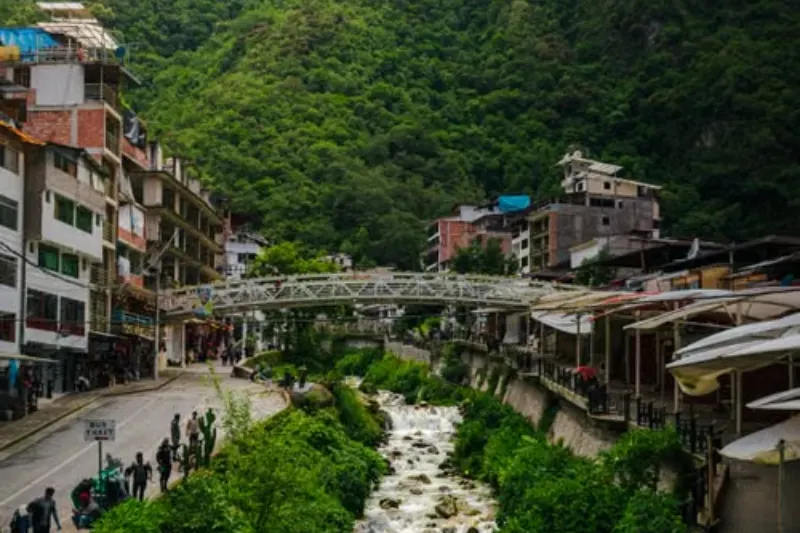
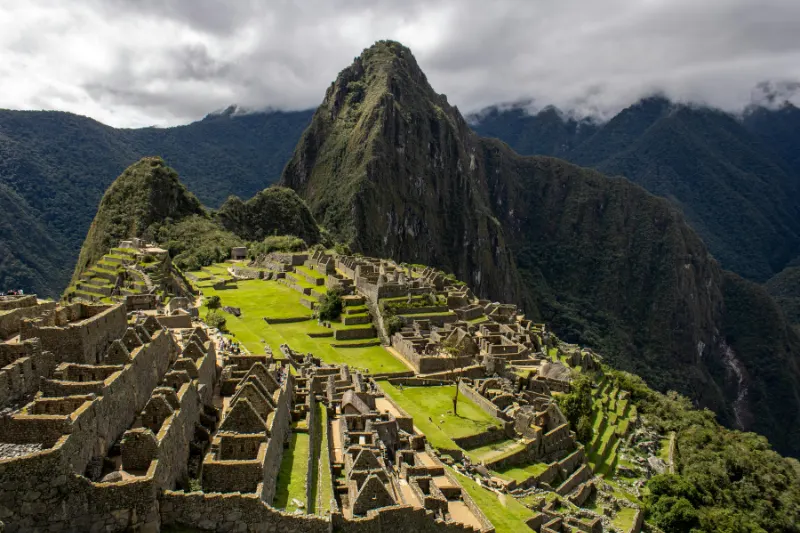
Deep in a lush, emerald valley at the base of the world’s most famous Incan citadel sits Aguas Calientes, a bustling little town that works as the gateway to Machu Picchu. Officially it’s Machu Picchu Pueblo. Surrounded completely by cloud forest mountains and the rushing Urubamba river. No roads come in directly, only train tracks and hiking trails. That isolation gives it a strange, remote feel despite the constant foot traffic year round.

Most travelers treat the town like a quick transit stop. Arrive by train, sleep a few hours, hop on a bus to the ruins the next morning. Take the time to actually look around though, and there’s a real list of things to do in Aguas Calientes worth knowing about. Hot springs, botanical gardens, solid local food. The town deserves more than a fleeting glance.

Relaxing after the Inca Trail, or acclimating before the big climb, either way, this guide covers the best things to do in Aguas Calientes to make the stop worth it.

Things to do in Aguas Calientes​

The Great Debate: Day Trip vs Staying Overnight

Planning a Peru trip usually brings up the same question. Day trip or staying overnight in Machu Picchu Pueblo? Some travelers even try to squeeze Machu picchu in 24 hours, catching an early train and heading back the same day. Technically possible. Requires an absurdly early start though, hours of train travel packed into one day, and a rushed visit at the ruins themselves

So is staying overnight actually worth it? Yes. Staying means catching the first buses up to the citadel, seeing Machu Picchu at sunrise before the mid morning crowds show up. A night or two also means actually enjoying the town itself. Time to try some aguas calientes activities without watching the clock constantly. If the itinerary allows it, two days here lowers the stress a lot and makes the whole trip better.

Arrival and Logistics: Navigating the Town

The town runs entirely on foot, aside from buses heading to the ruins. Arriving feels chaotic at first. Gets manageable fast once the layout clicks though.

From the Train Station to Your Accommodation

First time visitors usually wonder the same thing. How do you get from the station to your hotel? Stepping off the PeruRail or Inca Rail trains drops everyone straight into a maze of a market. Small town though, so it’s fine. Most hotels sit within 5 to 10 minutes on foot. High end places often send someone to the platform with a sign, ready to help with bags. Budget or mid range places just need an offline map pulled up. Compact town, easy to navigate.

Securing Your Transportation to the Ruins

Planning to take the bus instead of hiking the stairs? Buy tickets in advance. Knowing where the Machu Picchu bus ticket office sits saves real time. It’s on Avenida Hermanos Ayar, right along the main road hugging the river, close to where buses line up. Some visitors also grab their Machu Picchu entry tickets here if they haven’t bought them online already. Best to buy the bus ticket the afternoon or evening before the tour. Lines get long. Nobody wants to burn morning time in a queue instead of being on the mountain already.

Things to do in Aguas Calientes​

Top Nature and Adventure Activities

Look into what to do in aguas calientes peru and it becomes obvious fast, the surrounding nature is the real draw here. Dense cloud forest, waterfalls, towering peaks everywhere.

Relax in the Hot Springs (Las Aguas Termales)

The town’s original name literally means Hot Waters, from the geothermal springs sitting at the top of town. The Aguas Calientes Hot Springs pull in hikers almost every evening. After days of hard hiking in the Andes, these sulfur rich waters feel incredible on sore muscles. Multiple pools, different temperatures, basic changing rooms, a small bar where a Pisco Sour goes down nicely while soaking.

Worth checking the Machu Picchu thermal baths opening hours before heading up. Generally open 5:00 AM to 8:00 PM daily. Morning visits feel peaceful and misty. Evenings get busier with hikers coming down from the ruins.

The Mandor Gardens and Waterfalls Hike

Want to actually escape the crowds? The Mandor Gardens and Waterfalls hike, Jardines de Mandor locally, delivers exactly that. About a flat, one hour walk from town along the train tracks toward Hidroelectrica. Private ecological reserve. A real slice of untouched cloud forest.

The walk stays peaceful the whole way. Small entrance fee at the gardens, then trails packed with native orchids, bromeliads, exotic birds. Ends at a hidden waterfall perfect for cooling off. Easily one of the best things to do in Aguas Calientes for anyone who actually likes nature.

Thrill Seeking on Putucusi Mountain

Adrenaline junkies tend to look up at Putucusi Mountain, Happy Mountain, and get tempted immediately. No entrance ticket needed here, unlike Huayna Picchu or Machu Picchu Mountain.

Look up a hiking Putucusi Mountain trail guide though and the warnings pile up fast. Not for the faint of heart. Near vertical wooden ladders bolted to the cliff face. Heavy rains keep washing sections of these ladders out over the years, so the trail goes impassable sometimes, or just dangerous. Always ask locals or hotel staff about current ladder conditions first. If it’s open, the summit rewards with a rare horizontal view of the Machu Picchu ruins across the valley.

Discovering Local Culture and Wildlife

The Inca citadel dominates the region’s story, sure, but there are things to do in aguas calientes peru that add real depth to the local history and ecosystem too.

The Mariposario de Machu Picchu

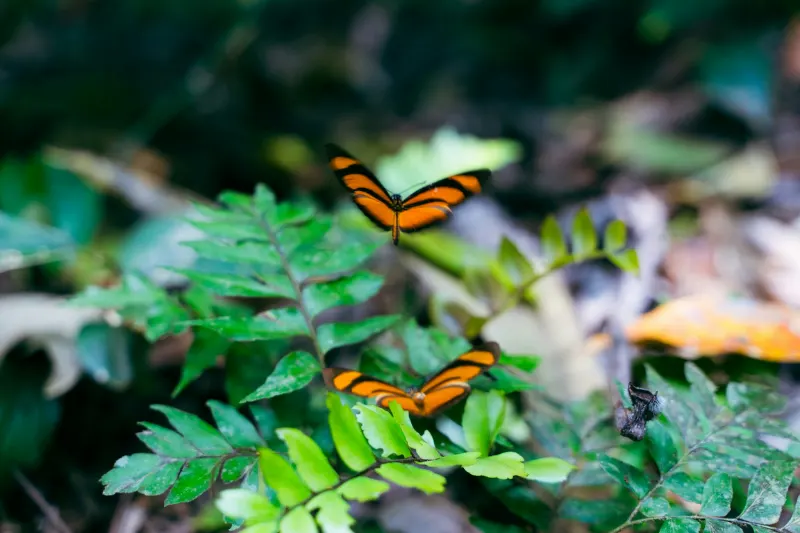
Just 15 minutes on foot from town, along the road toward the citadel, sits the Mariposario de Machu Picchu butterfly house. Local conservation project, focused on studying and protecting the region’s butterfly species. Volunteers run short, engaging tours covering the butterfly life cycle and native flora. Walking through the sanctuary with hundreds of colorful butterflies flying around feels genuinely magical. Low impact too, works for any age.

Manuel Chavez Ballon Site Museum

Want context before actually seeing the ruins? A 30 minute walk from town to the base of the mountain leads to the local museum. The Manuel Chavez Ballon Site Museum holds an impressive set of artifacts pulled from various excavations at Machu Picchu, bronze tools, ceramics, skeletal remains. Well curated exhibits, genuinely useful historical context. There’s also a nice botanical garden right next to the building.

Shopping at the Local Markets

No Peru trip feels complete without browsing Andean handicrafts somewhere. Finding the Aguas Calientes artisan market locations takes zero effort, honestly. The main market basically swallows the train station whole. Stalls everywhere selling alpaca wool sweaters, woven textiles, silver jewelry, souvenirs.

Heavily geared toward tourists, prices start higher than Cusco. Haggling is expected though, and welcomed. Good way to kill an hour or two waiting for the return train.

Things to do in Aguas Calientes​

Culinary Delights: Where to Eat and Drink

Remote as it is, the town has built a surprisingly diverse food scene for its international visitors. Quick bite or full gourmet meal, finding the best restaurants in Machu Picchu Pueblo turns into a genuinely fun part of the trip.

Scenic Dining Experiences

For a memorable meal, riverside dining along the Urubamba river is worth chasing down. Several high end and mid range places have terraces or big glass windows right over the rushing water. Places like the Inkaterra Machu Picchu Pueblo Hotel dining room, or the Tree House Restaurant, serve upscale Peruvian fusion. Lomo Saltado, fresh Andean trout, tender alpaca medallions, all while the river roars below.

Unwinding with Local Brews

After a 10 mile hiking day, nothing beats a cold beer. A handful of solid craft beer bars have popped up in Machu Picchu town lately, riding Peru’s growing microbrewery wave. Mapacho Craft Beer and Peruvian Cuisine stands out, right along the river. Good range of Peruvian craft beers on tap, from light blonde ales to rich, coffee infused porters. Perfect spot to swap travel stories with other hikers passing through.

Eating on a Budget

Want to keep costs low? Plenty of budget friendly activities in Machu Picchu Pueblo when it comes to food. Head away from the main strip toward the Mercado de Abastos, the local food market, up on the higher levels of town. Local vendors serve Menu del Dia for just a few soles. Usually a big bowl of quinoa soup, chicken and rice as the main, and a glass of chicha morada, the purple corn drink.

Practical Tips for Your Stay

Getting the most out of the various things to do in aguas calientes starts with basic prep. The town sits around 6,690 feet, or 2,040 meters, way lower than Cusco. Altitude sickness rarely shows up here as a result. The climate still throws curveballs though, thanks to the location.

Packing for the Cloud Forest

High altitude jungle means unpredictable weather, plain and simple. Sunny, humid, and pouring rain, all within three hours sometimes. Knowing what to pack for Aguas Calientes weather matters a lot because of this, and it connects directly to picking the best season to visit Peru overall, since dry months bring far more predictable conditions.

  • Layers are key: mornings and evenings run cold, midday sun gets intense. Breathable, moisture wicking shirts plus a warm fleece cover most of it.
  • Rain gear: a good rain jacket or compact poncho, non negotiable regardless of season.
  • Sun protection: the equatorial sun hits harder than expected. Sunglasses, a wide brimmed hat, strong sunscreen.
  • Insect repellent: midges and sandflies stay relentless in the cloud forest. DEET or Picaridin spray is essential, especially for Mandor Gardens or the butterfly house.
  • Swimwear: don’t forget a swimsuit and flip flops for the hot springs.

Making the Most of Your Budget

Aguas Calientes has a reputation for being pricier than most Peruvian towns, thanks to its captive audience. Doesn’t have to wreck the budget though. Eating at the local market helps a lot, and simply walking around costs nothing. The central plaza, Plaza Manco Capac, works well for sitting on a bench, people watching, admiring the huge statue of the Inca emperor. The stone sculptures carved into the rock faces along the main streets are free to explore too.

Things to do in Aguas Calientes​

A Destination in Its Own Right

Too many travelers treat Machu Picchu Pueblo as nothing more than a place to crash before the ruins. This guide shows otherwise though. The sheer range of things to do in Aguas Calientes makes it worth a real visit on its own.

The thermal baths, the orchid lined trails at Mandor, the history packed into the local museum, the craft beer bars buzzing at night, all of it gives the town real character. Stay overnight, dress right for the shifting weather, mix adventure with a bit of culture. Time spent here ends up just as memorable as the citadel itself.

So drop the bags, step out into the misty streets, and start exploring everything Aguas Calientes actually has to offer.

The great Inca Empire usually brings to mind the stone architecture of Machu Picchu or the road network carving through the Andes. There was something else valued even more than gold or silver in ancient Andean society though. Textiles. Fabric was deeply intertwined with politics, religion, and identity. From the humblest farmers to the mighty Sapa Inca, what a person wore told the story of who they were, where they came from, and their standing in society.

This guide explores the fascinating world of inca clothing. Weaving techniques, the hidden meanings in vibrant geometric patterns, and how these ancient traditions continue influencing modern fashion today. Understanding this craft is essential to any serious study of the history of the Incas, since textiles functioned as both economic currency and political language in ways that stone architecture never did.

The Foundation of Inca Fashion: Fibers and Materials

The foundation of all inca empire clothing lay in mastering local resources. The Andean environment ranges from arid coastal deserts to freezing mountain peaks. Two primary materials made survival possible. Cotton, grown on the coast, and camelid fibers, sourced from the highlands.

Alpaca vs Llama Wool Garments

The most common materials for highland clothing came from domesticated camelids. Comparing alpaca vs llama wool garments reveals immediate differences in utility and comfort.

Llamas were primarily pack animals. Their fleece is durable but coarse. Llama wool mostly went into thick yarns for ropes, sacks, and heavy utilitarian blankets. Some commoners used it for daily wear despite it being famously itchy and stiff.

Alpacas were bred specifically for fleece. Alpaca wool is softer, lighter, and possesses excellent thermal properties. It became the preferred fiber for standard clothing of the incas, keeping the population warm against the biting Andean winds.

The Royal Fiber: Vicuña

Beyond llamas and alpacas roam the wild camelids. The guanaco and the vicuña. Vicuña produces one of the finest, softest, and rarest fibers in the world. Why was vicuña wool reserved for royalty? The answer involves both scarcity and divine association.

Vicuñas couldn’t be domesticated. They were caught during massive state-sponsored hunts called chaccus, sheared, then released. The resulting fleece was so exceptionally soft and warm that sumptuary laws dictated only the emperor and those he explicitly gifted it to could wear it. Anyone else caught wearing vicuña faced severe punishment.

inca clothing

Coloring the Threads: The Magic of Andean Dyes

The striking enduring colors of ancient textiles testify to advanced indigenous chemistry. Natural dyes used in the Andes came from plants, minerals, and insects, producing a vivid spectrum that has survived for centuries.

The Ancient Andean Dye Extraction Process

This was a highly specialized skill. Weavers didn’t just boil plants. They understood the chemical necessity of mordants, substances like qullpa, a naturally occurring mineral alum, or iron-rich mud that fix dye to fiber and prevent fading.

A few famous natural dye sources:

  • Cochineal (Red): Perhaps the most famous Andean dye. Comes from a tiny parasitic scale insect living on prickly pear cacti. Dried and crushed, these insects release carminic acid. Depending on the mordant mixed in, lemon juice or mineral salts, cochineal produces shades from brilliant crimson to deep purple.
  • Indigo (Blue): Derived from indigo-bearing plant leaves. Extracting this deep blue required complex fermentation to make the dye water-soluble.
  • Chilca (Yellow/Green): Native chilca bush leaves boiled to yield bright yellows and vibrant greens.

Mastering the Loom: The Art of Weaving

Creating cloth in the Inca Empire required immense skill. Andean textile weaving techniques were primarily warp-faced, meaning vertical threads, the warp, completely covered horizontal threads, the weft, creating a dense highly durable fabric.

The Backstrap Loom

The most common tool. One end tied to a tree or post. The other strapped around the weaver’s waist. This allowed control of thread tension simply by leaning forward or backward.

The strength of backstrap loom fabrics is legendary. Keeping warp threads under tight active tension let weavers pack threads incredibly close together. The result was a dense fabric highly resistant to wind and water, essential qualities for garments meant for high altitude mountain climates.

The Chosen Women: Influence of Acllacuna on State Weaving

Ordinary women wove cloth, known as awaska, for their families as part of daily duties. The state required textiles of much higher quality for taxation, religious sacrifices, and royal use though. This connects directly to the labor tax system used by the Incas, known as mita, where households owed periodic labor to the state rather than goods or currency. Weaving fulfilled a significant portion of that obligation, with women contributing finished cloth as their family’s tribute to the empire.

The Acllacuna, Chosen Women, were selected young to live in sequestered religious convents. A major part of their lives went to brewing chicha and weaving qompi, the absolute finest cloth in the empire. Thread count in qompi textiles was extraordinarily high, sometimes exceeding 200 threads per inch. A feat rarely matched even by modern machinery.

inca clothing

Decoding the Threads: Symbols and Status

To the Incas, a garment was a wearable resume. Because the Inca civilization had no written alphabet, information got encoded into textiles instead. This is at the heart of the symbolism of Inca textile patterns and colors, a coded visual language that historians and anthropologists continue decoding to this day using surviving garments and Spanish colonial accounts.

Tokapu: The Language of Geometry

The symbolism of geometric patterns in Incan textiles is one of the most fascinating aspects of pre-Columbian art. The most prestigious garments were adorned with tokapu, small square geometric motifs arranged in rows or checkerboard patterns.

The exact Tokapu geometric design meanings are still being studied by archaeologists. Widely accepted that they functioned as a graphical communication system though. A specific tokapu might represent royal lineage, military rank, a specific province, or a profession.

Social Status Indicators

Because textiles were so strictly regulated, they served as the ultimate social status indicators in ancient textiles. A commoner was required by law to wear the specific style and colors of their home province. This let state administrators immediately identify a person’s origins just by looking at them. Only nobility could wear multi-patterned tokapu garments, communicating authority over multiple provinces and peoples.

Everyday Wardrobe: What Did the Common People Wear?

Standard inca people clothing was remarkably uniform in basic construction. Draped and pinned rectangles of cloth rather than tailored, cut-and-sewn garments.

Everyday clothing of the incas consisted of:

  • The Unku (Men’s Tunic): Knee-length tunic made from a single rectangular piece of cloth, folded in half with a slit for the head, sewn up the sides leaving armholes.
  • The Yacolla (Men’s Cape): A large woolen mantle draped over the tunic and tied over the chest.
  • The Anacu (Women’s Dress): A large rectangular piece of woven cloth wrapped around the body from underarms to ankles. Fastened at the waist with a broad intricately woven belt called a chumpi.
  • The Lliclla (Women’s Shawl): A mantle over the shoulders, pinned at the chest with a decorative metal pin called a tupu.

Layering was crucial living in the freezing Andes. These garments were perfect for high altitude mountain climates, trapping body heat while allowing ease of movement during agricultural labor. Farming like the Incas required clothing flexible enough to handle long days terracing slopes and tending crops at extreme altitude, and the unku’s simple rectangular construction allowed exactly that kind of unrestricted movement.

inca clothing

The Royal Wardrobe: What Did the Sapa Inca Wear?

Commoners wore practical garments. The royal court dressed in unparalleled splendor. Inca emperor clothing was designed to project absolute divine power. As the living son of Inti, the Sapa Inca’s attire had to reflect his celestial status.

His basic garments, the unku and yacolla, were structurally the same as a commoner’s. The materials and embellishments were vastly different though.

Traditional Incan ceremonial dress for the emperor included:

  • All-Over Tokapu Tunics: Nobles might have a few rows of tokapu. The Sapa Inca wore tunics completely covered in hundreds of different geometric squares, symbolizing dominion over everything and everyone in the empire.
  • Exotic Materials: The Acllacuna wove royal qompi using the finest vicuña wool, but also incorporated incredible exotic materials. Some royal tunics were woven with the soft hair of bats. Others were entirely covered in iridescent hummingbird or macaw feathers brought up from the Amazon rainforest.
  • Gold and Silver: Gold plates, bells, and fine threads of precious metals sewn directly into the fabric to make the emperor physically shine in sunlight. The Inca and their golden treasures were inseparable from royal identity, and clothing was simply another surface onto which that wealth got displayed alongside temple walls and ceremonial objects.
  • The Mascapaicha: The ultimate symbol of power wasn’t a crown of gold but a royal fringe called the mascapaicha. A red woolen tassel hanging down his forehead, strung with gold tubes and adorned with feathers of the sacred corequenque bird.

Remarkably, the Sapa Inca was so sacred he supposedly never wore the same garment twice. After a single use, his inca clothing was collected and ritually burned as an offering to the gods.

From the Past to the Present: Evolution of Peruvian Clothing

When Spanish conquistadors arrived in the 16th century, they fundamentally altered the history of pre-Columbian fashion styles. The Spanish conquest of the Inca Empire brought more than political collapse. It brought a deliberate campaign to erase indigenous visual identity, with colonial authorities viewing traditional dress as pagan and seeking to control the population by outlawing the unku and imposing European-style clothing, breeches for men and tailored blouses for women.

The Andean people were resilient though. Rather than losing their traditions, they adapted them. The result is the vibrant peruvian clothing seen today.

Ancient Tunics Versus Modern Peruvian Dress

Comparing ancient tunics versus modern Peruvian dress reveals a fascinating synthesis of two worlds. Today, traveling to the Andes means seeing women wearing polleras, wide brightly colored heavily embroidered skirts, and various styles of tailored hats. Direct descendants of colonial Spanish fashion. Look closely and the ancient inca clothing lineage is still alive and well.

The lliclla is still worn by modern Andean women to carry babies and crops, woven with the exact same backstrap loom techniques used centuries ago. The chumpi still secures clothing. Most importantly, the vibrant natural dyes and complex geometric patterns continue telling the stories of local communities.

inca clothing

Practical Tips for Modern Enthusiasts

For travelers, fashion enthusiasts, or textile collectors looking to appreciate or purchase modern peruvian clothing:

  • Look for the Loom: Handwoven textiles made on a backstrap loom have slight beautiful imperfections that machine-made fabrics lack. The edges of a backstrap woven piece are usually finished naturally by the weaving process, not cut and hemmed with a sewing machine.
  • Test the Fiber: Touch distinguishes synthetic fibers from real camelid wool. Alpaca is cool to the touch but warms up quickly. Incredibly soft, lacking the prickle of sheep’s wool.
  • Identify Natural Dyes: Synthetic dyes are often jarringly neon. Natural dyes, cochineal red or indigo blue, have a rich earthy depth. Color tone variations across the fabric, abrash, indicate a natural hand-dyeing process.
  • Support Local Cooperatives: Buying textiles in Peru directly from weaving cooperatives, like those in Chinchero or the Sacred Valley, ensures weavers are paid fairly and helps preserve ancient Andean textile weaving techniques for future generations.

Conclusion

The story of inca clothing is the story of the Andes themselves. Incredible human ingenuity adapting to a harsh environment by creating garments of unparalleled utility and breathtaking beauty.

From the rough llama wool of the common farmer to the bat-hair and vicuña tunics of the Sapa Inca, the clothing of the incas was the very fabric holding the empire together. Through the vibrant red of cochineal dye, the intricate tokapu geometries, and the rhythmic tension of the backstrap loom, ancient Andean weavers wove their worldview into existence.

Today, admiring traditional peruvian clothing means witnessing a living history. A continuous thread of cultural resilience that has survived empires, conquests, and time itself. The rich textiles of the Incas remind us that what we wear is more than just cloth. It’s the ultimate expression of who we are.

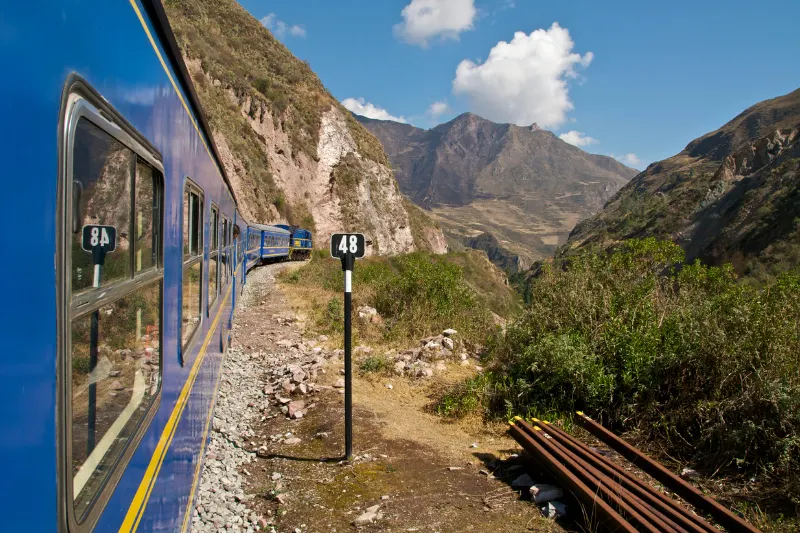
Four days on cold ground isn’t the only path into Machu Picchu on foot. The km 104 Inca Trail cuts straight to the best section without the camping commitment. Train stops briefly at a distance marker in the middle of cloud forest, hikers step off onto gravel, cross a bridge, ancient stone starts immediately. No gradual buildup. Route begins the moment the carriage door opens.

What is the Inca Trail? Stone paths connecting Incan communities, ceremonial sites, and guardposts through the Andes into a functioning empire road network. When was the Inca Trail built? Archaeological evidence points to the 15th century under Pachacutec, likely incorporating older pre-Incan paths absorbed and extended as the empire expanded. The km 104 Inca Trail accesses the most visually concentrated section of that whole network inside a single day.

Why the Km 104 Hike Beats the Classic 4-Day Trek for Casual Adventurers

Twelve kilometers against forty-two. That gap isn’t just distance. Logistics simplify, gear drops, hotel bed waits at the end instead of cold tent on hard mountain ground. The inca trail from km 104 compresses the best parts without asking four days of endurance from people who didn’t fly to Peru for an expeditionary ordeal.

The comparison lands simply:

  • Accommodation: Hot shower and hotel bed in Aguas Calientes versus sleeping on mountain ground in cold air.
  • Pacing: One active hiking day versus multi-day endurance across unpredictable weather.
  • Gear: Simple daypack versus full camping kit with sleeping bags and tent equipment.

The inca trail from km 104 still earns the Sun Gate arrival. That part doesn’t get abbreviated. The four days just don’t come with it.

Securing Your Spot: The Truth About Short Inca Trail Permits

Inca Trail permits aren’t standard entrance tickets. Separate restricted pass, government cap at 500 people daily across all Inca trails combined, that number including porters and guides. No gate purchases. No last-minute availability. The system doesn’t allow for either.

May through July requires booking four to six months out. April and October move faster than most people anticipate. Vacation itinerary needs this locked before anything else gets confirmed. Independent hiking is illegal on this route. Registered operator with an official inca trail guide handles government checkpoints and paperwork that first-time planners consistently underestimate.

Starting Your Journey: The Train from Ollantaytambo to Chachabamba

Early alarm, early train. Arid highlands visible through panoramic windows first, then dense misty cloud forest taking over as elevation drops toward the hidden entrance. Where is the Inca Trail? Peru’s Cusco region running through the Sacred Valley and Andean cloud forest. That transition plays out in real time through the train window before the hike even begins.

Conductor needs reminding about km 104. Stop is brief, unscheduled, easy to miss if attention drifts. Off the carriage, across a swinging suspension bridge over the Urubamba River, Chachabamba ruins within minutes. Ancient spiritual checkpoint, brief stop, then the path tilts sharply upward and holds that angle for hours without apology.

Mastering the Ascent: Navigating Elevation and Physical Demands

The km 104 Inca Trail elevation climbs from 2,100 to 2,700 meters in a few hours. Fifty-story building outdoors in jungle heat is the honest comparison. Uneven stone carved into steep mountainside centuries ago, foot placement demanding constant attention rather than automatic movement.

Following 7 tips to avoid altitude sickness changes how the second half of the day feels. Acclimatize in Cusco two to three days before the trek. Drink more water than feels necessary. Skip alcohol the night before. Move slow early rather than pushing hard and fading. Eat light carbohydrate-rich meals. 

Use the rest-step technique, back knee briefly locked on each step so the skeleton carries load instead of muscles. Drink coca tea through the day. Coca tea addresses altitude headaches and fatigue specifically, guides carry it because it consistently works rather than as cultural habit.

Wiñay Wayna: The Crown Jewel of the Short Inca Trail

Ascent finishes and Wiñay Wayna appears on a steep mountain spine without warning. Forever Young is the translation, orchids blooming through stonework year-round in colors that make grey ancient stone look alive. Site sits empty compared to what waits at Machu Picchu later. That contrast alone is worth the timing.

Three things worth stopping for:

  • The Terraces: Curved agricultural steps sweeping down the cliffside, preventing landslides while growing food at cloud elevation.
  • The Urban Sector: Stone houses and ceremonial baths where ancient nobles lived and conducted ritual.
  • The Waterfall: Audible before visible on the approach, framing the ruins with moving water and sound.

Upper tiers give the photography position. Clear sightlines, no crowds, warm light if timing works. Trail flattens after Wiñay Wayna and points toward the Sun Gate.

The Movie Reveal Moment: Entering Through the Sun Gate (Inti Punku)

The inca trail km 104 to sun gate finishes at Inti Punku, ancient checkpoint built to control access and deliver the citadel view from above. Train tourists who rode straight to Aguas Calientes miss this angle entirely. Top-down perspective engineered by the Incas for arriving visitors is only accessible to people who walked up to it.

Arriving between 3:00 PM and 4:00 PM changes everything visually. Morning fog sits over the citadel consistently and burns off through the afternoon. Late arrival produces warm amber light, long shadows, stone terraces glowing in conditions that make photographs look deliberately planned when they actually just required showing up at the right hour.

Packing Light but Right: Essential Gear for Your Two-Day Trek

25-liter daypack limit on the train makes packing decisions for people who don’t make them early. Main suitcase travels separately to the hotel. Single-use plastics banned inside the sanctuary. Knowing things to carry on the Inca Trail before arriving at the station removes morning stress:

  • Original passport for entrance checkpoints
  • Reusable water bottle, 2-liter minimum
  • Emergency rain poncho
  • Sunscreen and insect repellent
  • Lightweight zip-up fleece
  • Fully charged camera or smartphone
  • Basic blister kit

Mornings cold, afternoons hot, dry season the best time for Peru hiking. Layers that come on and off handle that range without unnecessary weight.

Recovering in Aguas Calientes: Where to Eat and Sleep

Bathrooms on the Inca Trail appear at designated rest stops and at Wiñay Wayna, but facilities are basic and spacing requires managing fluid intake deliberately. Worth knowing before the first hour rather than discovering it mid-trail.

Consettur bus runs down switchback road to valley floor in 25 minutes. Aguas Calientes is car-free, daypack gets replaced with a real bed. Three levels:

  • Budget: Hostels with bunks and backpacker meals.
  • Mid-range: Boutique inns with hot showers and river views.
  • Luxury: Eco-resorts with spa treatments and gourmet dining.

Shower first, food after. Wood-fired pizza or traditional Peruvian meal in the town square. Sleep matters because the citadel runs in the morning.

FAQs

What is the Inca Trail? 

Ancient stone path network through the Andes connecting Incan communities, ceremonial centers, and guardposts into an empire road system that moved people and goods across the mountains for centuries.

Where is the Inca Trail and how long is the Inca Trail? 

Peru’s Cusco region running through the Sacred Valley and Andean cloud forest. Classic route 42 kilometers. The inca trail from km 104 covers 12 kilometers with hiking concentrated in one active day.

Is the Inca Trail from Km 104 the same as the Short Inca Trail? 

Yes. Inca trail from km 104 is how the 2-day itinerary gets referenced. Main hiking day begins at the km 104 checkpoint where the train makes its brief cloud forest stop.

Do you need a permit for the Inca Trail? 

Yes for both routes. Inca Trail permits required, registered operator mandatory, official inca trail guide present at all government checkpoints. No independent hiking on either route.

Your 5-Step Action Plan for a Perfect Km 104 Adventure

Preparing for the short Inca Trail starts months before the train leaves Ollantaytambo. Inca Trail permits sell out fast, legs need conditioning on actual stairs, gear needs testing before the trailhead. The km 104 Inca Trail delivers Wiñay Wayna, the Sun Gate, and on-foot Machu Picchu arrival without camping. Early action is what makes it real.

  • 6 Months Out: Book the inca trail guide immediately. Inca Trail permits are date-specific and don’t come back once gone.
  • 3 Months Out: Stairs, local hills, uphill leg strength specifically. The km 104 Inca Trail elevation gain rewards preparation and punishes the absence of it clearly.
  • 1 Month Out: Broken-in walking shoes, reliable rain poncho, original passport. Three items, all non-negotiable at the trailhead checkpoint.

Step off the train into jungle and the planning disappears. Ancient stone, cloud forest, citadel waiting at the end.

Howler monkeys don’t ease anyone into the morning. That sound at 5am rolls through the mist like something between thunder and a freight train, and it lands before the eyes are open. tambopata national reserve peru starts before the itinerary does, before the guide shows up, before the coffee.

The reserve sits in Peru’s southeastern corner covering over 274,000 hectares. More than 600 bird species, 1,200 butterfly species, 100 mammals. Those numbers still don’t communicate what the amazon rainforest peru actually feels like standing inside it.

For anyone wondering is Peru a good travel destination, this reserve answers that faster than any ruins visit or city tour could. Everything needed to plan the trip properly is below.

tambopata national reserve peru

The Ecological Magic of Tambopata

Madre de Dios holds biological density that specialists have spent careers documenting and haven’t finished yet. Hundreds of tree species per single hectare, before counting the birds, insects, mammals, and reptiles living between them. Tambopata peru protects all of it under a system where visitor money funds anti-poaching patrols directly.

Illegal mining presses against the reserve boundary and the protection framework is what keeps it outside. Every paid tour and lodge booking is part of that equation whether visitors think about it that way or not.

Wildlife here behaves differently than in places where it learned to fear people. Caimans hold position when a canoe drifts past. Otters hunt in open water. Jaguars show up on morning river runs with enough frequency that experienced guides build expectation around the possibility rather than surprise.

Tambopata vs Manu National Park Comparison

Manu gets described as more pristine, and in terms of raw remoteness that’s accurate. Reaching its genuinely wild zones requires either a grueling multi-day overland trip or charter flights that cost more than the rest of the itinerary combined.

Tambopata national reserve peru removes that barrier almost entirely. A domestic flight drops visitors in Puerto Maldonado and a canoe delivers them into primary jungle before the same day ends. Three to five days covers the real highlights without the overhead Manu demands.

For a first Amazon trip, or any trip without a full week and unlimited budget, tambopata peru isn’t a compromise. It’s genuinely the smarter choice.

tambopata national reserve peru

Planning Your Journey

Tambopata has better infrastructure than most Amazon destinations, which makes the research phase less intimidating than the jungle’s reputation suggests.

Puerto Maldonado Travel Logistics

The trip starts in Puerto Maldonado the moment the plane doors open and heat and humidity arrive simultaneously. A 90-minute flight from Lima or 45 minutes from Cusco lands travelers in the gateway town to everything that follows.

Lodge representatives handle the transfer to the river port, where motorized wooden canoes head down the Madre de Dios or Tambopata rivers. That ride, 45 minutes to four hours depending on the lodge, is the first wildlife encounters of the trip in practice. Dolphins surface. Kingfishers work the banks. Caimans sit still as the canoe passes within meters.

Booking tambopata national reserve tours through established operators covers permits, excursions, and logistics inside one package. On a first visit that simplicity genuinely matters.

Weather and Timing

The Amazon runs hot and humid every month without exception. What changes between seasons is trail conditions, mosquito pressure, and where the animals concentrate.

Peru’s dry season covers May through October and is generally when wildlife sightings run strongest. Water sources shrink, animals concentrate around them, and trails stay firm enough to walk comfortably. Wet season runs November through April with heavy afternoon rain and dramatically lusher forest.

First-timers tend to have a more immediately rewarding experience in the dry months. Returning visitors sometimes book the wet season specifically because the forest becomes a different place entirely.

Top Wildlife Excursions in Tambopata

The tambopata national reserve peru schedule runs early because the jungle peaks at dawn. Most excursions leave before the canopy light changes.

tambopata national reserve peru

Lake Sandoval Wildlife Excursions

Ask anyone who has done this trip what they remember most and lake sandoval comes up more than anything else. A boat ride and a 3-kilometer forest hike reach the bank, and the moment the paddle canoe pushes off the silence is immediate and total. Motors are banned, nothing motorized enters the lake.

Hoatzin birds sit on low branches looking genuinely prehistoric. Black caimans stretch out on the banks without reacting to the passing canoe. Squirrel monkeys tear through the overhead canopy in noisy groups that announce themselves well before they arrive.

The giant river otters the lake is famous for hunt piranhas in family groups in the open water, and this is the single most reliable location in Peru to watch them do it. Six feet long, completely unbothered by a quiet canoe at respectful distance. The best moments arrive when the paddling stops and the canoe just drifts.

The Chuncho Macaw Clay Lick Tour

Some things sound like they might be overhyped and turn out to be the opposite. The macaw clay lick tour is that. The boat heads upriver before first light and the wait in the grey pre-dawn quiet is part of what makes the payoff work.

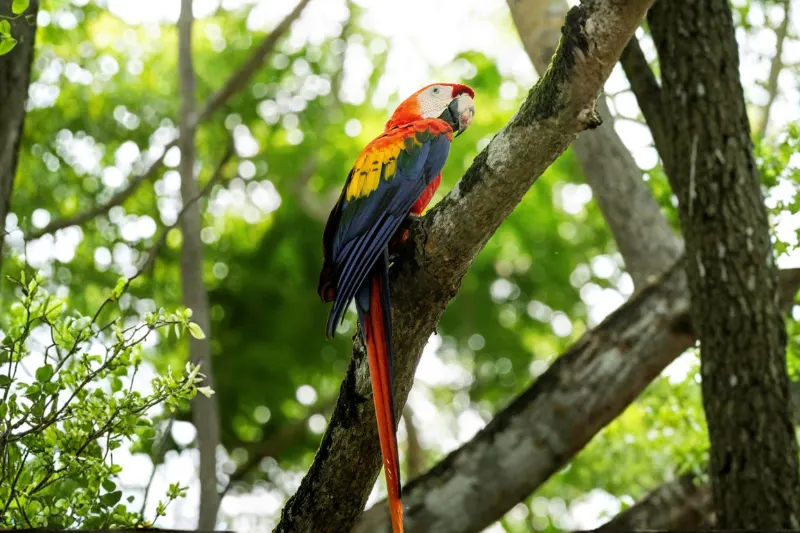
Then hundreds of parrots, parakeets, and large red-and-green macaws descend on the riverbank clay in overlapping waves of color and noise. The national bird of Peru, the brilliant orange Cock-of-the-rock, sometimes appears in the forest edge during this same morning window, vivid enough to look artificially colored against all that green.

Scientists explain the clay eating through mineral content and toxin neutralization. None of that framing survives contact with actually watching it happen. Boats stay quiet and guides enforce it firmly.

Searching for Apex Predators

Most visitors carry a quiet jaguar ambition through the whole trip without stating it directly. Jaguars work sandy riverbanks at low water and appear most often during early morning or late afternoon runs when dry season has pulled water levels down enough to expose long stretches of beach.

The guides running tambopata national reserve tours read riverbanks in a way that takes years to develop. A jaguar sitting half-submerged in dappled shadow is invisible to most visitors and immediately obvious to someone who has spent a decade looking at that river.

Dry season timing and patient early mornings stack the odds. Tambopata peru produces wildlife encounters at a frequency very few places in the Amazon can match.

Exploring the Canopy

Ground level and 35 meters up in the canopy are two ecosystems sharing the same trees and almost nothing else. Lodges running guided walkway tours open a layer of the forest most visitors never access. Orchids and bromeliads cover every surface, toucans work the high branches, sloths hang in positions that look anatomically improbable.

Suspended bridges through the treetops at sunset with the full reserve visible in every direction is one of those travel moments that photographs badly and lodges permanently in memory. The scale of the jungle from up there is something the ground simply doesn’t communicate.

tambopata national reserve peru

Choosing Your Basecamp

Accommodation shapes the tambopata national reserve peru experience more than most planning conversations acknowledge. Solar power, rainwater harvesting, locally sourced construction, and indigenous guides are the markers of operations that take the reserve seriously. Money at those lodges stays in the region and moves toward conservation.

Primary rainforest and secondary growth are not the same place. Lodges inside or directly adjacent to the reserve boundary access the real thing. The wildlife density difference shows up within the first hour and shapes every excursion that follows.

Health, Safety, and Packing Essentials

The Amazon demands more preparation than most destinations and makes that clear quickly to anyone who skipped it.

Health Preparations

A travel clinic consultation before booking flights is the right sequence. Malaria risk in the tourist zones of tambopata peru runs relatively low, but the yellow fever vaccine is strongly recommended for the Amazon basin and needs administering at least 10 days before departure. Waiting until the week before the flight closes that option.

Insect protection runs non-negotiable across both seasons. Long sleeves, long pants, and repellent at 20 to 30 percent DEET or Picaridin minimum form the working baseline. The jungle operates independently of what month it is.

The Ultimate Packing List

Riverboat space runs limited. Light and smart beats heavy every time on tambopata national reserve tours. Anyone who researched 10 fascinating facts about Peru before the trip arrives with more realistic expectations about what the Amazon requires from a bag.

  • Lightweight long-sleeved clothing: Breathable and moisture-wicking. Black and dark blue attract mosquitoes.
  • High-quality insect repellent: 20 to 30 percent DEET or Picaridin minimum.
  • Sturdy footwear: Rubber boots come from the lodge. Comfortable trail runners handle the drier terrain.
  • Rain gear: A lightweight poncho covers every season. Afternoon rain doesn’t announce itself.
  • Headlamp: Electricity goes off after dark. Essential for room navigation and guided night walks.
  • Dry bags: Electronics and documents need real waterproofing during boat rides.
  • Binoculars: 8×42 or 10×42 turns distant canopy shapes into identifiable animals.
tambopata national reserve peru

Capturing the Magic: Photography Tips

The amazon rainforest peru punishes photographers with the wrong gear and rewards the ones who prepared. Light under the canopy drops fast, shadows cut deep, and wildlife operates at distances that expose standard lens limits immediately.

A telephoto at 300 to 400mm is the baseline for anything in the upper canopy. Bumping ISO under dense cover while maintaining 1/500s shutter speed or faster freezes the motion that kills otherwise strong frames. Silica gel in the camera bag and 15 minutes of outdoor acclimatization when moving from air conditioning stops condensation building inside lenses.

The images that tell the story of tambopata national reserve peru tend to be the wider ones. A macaw placed inside an unbroken wall of jungle at full scale communicates what this place is in a way a tight portrait simply doesn’t.

The Takeaway

Tambopata national reserve peru is a working ecosystem, not a theme park version of one. Real predators, genuine distance from everything familiar, and a conservation economy that functions only if visitors spend their money with intention. The macaw clay lick, the giant otters at lake sandoval, the jaguar on a dawn river run, none scheduled, all realistic when the guides are experienced.

Sustainable lodges, reputable tambopata national reserve tours, proper health prep, and smart packing create the conditions for the reserve to perform. Tambopata peru doesn’t need promotion. It needs visitors who understand what they’re entering and give it enough time to show what it actually is.

tambopata national reserve peru

Q&A

Why choose Tambopata over Manu for a short Amazon trip? 

Tambopata national reserve peru gets visitors into primary jungle on arrival day. Wildlife encounters are concentrated, logistics are manageable, and three to five days covers the genuine highlights. Manu requires significantly more time and money to reach its best zones.

How do I get to Tambopata and handle logistics? 

Fly to Puerto Maldonado, 90 minutes from Lima or 45 from Cusco. Lodge representatives handle the airport transfer to the river port where canoes head into the reserve. The boat ride functions as the first wildlife encounters of the trip.

When is the best time to visit? 

Peru’s dry season, May through October, delivers the strongest conditions for wildlife sightings and trail access. Wet season, November through April, brings heavier rain, lusher forest, and active breeding seasons for birds and amphibians.

What are the must-do wildlife experiences? 

Lake sandoval for giant river otters, the macaw clay lick at dawn, early morning river safaris for jaguar sightings, and canopy walkways for toucans, sloths, and orchids at treetop level.

What health and packing essentials matter most? 

Yellow fever vaccine at least 10 days before departure, proper insect repellent, lightweight long-sleeved clothing, rain poncho, headlamp, dry bags, and binoculars. Start with a travel clinic consultation before booking anything else.

Peru hits different from every angle, arid coast, dense jungle, frozen mountain peaks, all crammed into one country. Peru weather trips up first-time visitors constantly because what’s happening in the mountains has zero relevance to what’s happening on the coast. Worth understanding before committing to dates.

Most people end up building their whole trip around one window. Peru dry season runs roughly May to October, best setup for trekking, ruins, outdoor everything. “Dry” doesn’t automatically mean warm though, huge distinction depending on where someone actually lands.

peru dry season

When is the Dry Season in Peru?

When is dry season in peru is basically everyone’s first search. Two seasons, wet November to April, dry season peru May to October. That’s the whole picture in terms of big-picture planning.

South of the equator means those dry months land in astronomical winter. July in Peru is winter. Andean winter though, think blazing sunshine and bone-dry air, not snowstorms and gray skies. Completely counterintuitive if someone’s coming from the northern hemisphere.

A Country of Microclimates

Three zones, Coast, Mountains, Jungle, and weather conditions in peru shifts completely between each one. Same month, same country, wildly different experience depending on where someone’s standing. That’s the thing most people miss when planning.

Amazon stays hot and humid basically year-round, rainfall just drops a bit during these months. The Andes get a real distinct dry period, sharp sunny days, genuinely freezing nights. Lima gets la garúa instead, thick gray coastal mist sitting over the city from May to November, gloomiest time of year for the capital weirdly enough.

peru dry season

The Andean Highlands: The Heart of the Inca Empire

Cusco, Sacred Valley, Lake Titicaca, Arequipa, most visitors are here for this. Dry season in peru in the highlands means days of intense sunshine, nights that drop hard toward zero. Clear mountain views that the wet season clouds consistently block. That’s the whole draw.

Weather in Cusco and the Sacred Valley

May through October in Cusco, intense sun, deep blue skies, daytime temperatures hovering around 65°F to 70°F. Comfortable enough during the day, then the sun drops and everything changes fast. Elevation at 11,152 feet means the temperature swing is brutal and immediate.

June and July nights in Cusco regularly hit freezing. Sacred Valley gets almost zero rainfall during these months, hillsides going from wet-season green to that dry golden color. Snow-capped Vilcanota peaks against clear blue sky, that’s the shot everyone’s chasing and dry season in peru is the only time it’s reliably available.

Visiting Machu Picchu

Best time to visit peru machu picchu falls squarely within the dry season, no real debate. Citadel sits lower than Cusco at around 7,970 feet, right on the edge of the cloud forest. Borders the jungle so it catches more rain year-round than the higher Andes do.

June through August though, views clear, stone steps stable, rain interruptions minimal. Morning mist burns off by mid-morning most days. That’s the window where the place actually looks like the photographs rather than a gray foggy ruin people paid a lot to see.

Trekking in the Dry Season

Peru is genuinely one of the best trekking countries on the planet. Dry season peru is when it’s safest and most comfortable to actually do that. Dry paths, clear views, conditions that reward preparation rather than punish it.

The Inca Trail and Southern Treks

Inca Trail peaks between May and September. Dry stone paths mean significantly less slipping on the steep sections like Dead Woman’s Pass. Views open up across valleys and glaciers that wet season clouds just swallow entirely.

Salkantay and Ausangate benefit equally from dry season in peru. Salkantay campsites sit above 12,000 feet, July nights there drop to 15°F (-9°C). Four-season sleeping bag isn’t optional gear at those elevations, it’s a safety item.

The Cordillera Blanca in the North

Southern Peru gets all the attention but the northern Andes are genuinely spectacular. Cordillera Blanca during dry season peru, based out of Huaraz, is the kind of landscape that doesn’t look real. Jagged ice-covered peaks, turquoise glacial lakes, the whole thing.

Santa Cruz and Huayhuash Circuit cross high mountain passes above 15,000 feet. Dry season gives the safest conditions for those crossings. Intense sun during the day, bitterly cold nights, both simultaneously true the whole time.

peru dry season

Into the Amazon Rainforest

Amazon covers nearly 60% of Peru and peru dry season changes the jungle experience significantly. Water levels in Amazonian rivers drop during these months, which actually opens things up considerably:

  • Jungle walks: Flooded wet-season trails become accessible, extensive terrestrial exploration possible.
  • Wildlife viewing: Animals concentrate around shrinking water sources, spotting gets considerably easier.
  • Macaw clay licks: Famous collpas where hundreds of macaws gather to eat mineral-rich clay are most active during dry months.
  • Fewer mosquitoes: Slight reduction in mosquito populations compared to wet season, slight being the key word.

Tropical downpours still happen during dry season in peru, even here. Friajes hit occasionally too, cold fronts sweeping up from Patagonia dropping temperatures to 50°F (10°C) out of nowhere for a few days.

The Cultural Pulse: Festivals of the Dry Season

Peru dry season also lines up with the best festivals, not just the best weather. Clear skies make massive outdoor celebrations actually possible in ways the wet season doesn’t allow. Ancient Incan beliefs and Catholic traditions both driving a packed calendar.

Inti Raymi (The Festival of the Sun)

June 24th in Cusco every year, coincides with the winter solstice. Hundreds of actors in traditional costumes, music everywhere, dancing filling the streets. Starts at the Qorikancha, ends in a hours-long ceremony of Inti Raymi at Sacsayhuamán above the city. One of the biggest cultural events in South America.

Peruvian national holidays

Independence celebrated July 28th and 29th, parades and street food and music across the whole country. Peru travel tips for this specific window, book accommodation extremely early. Cusco hotel prices spike and last-minute rooms basically don’t exist.

Virgin of Carmen

Mid-July in Paucartambo, few hours from Cusco. Elaborate masked dances, indigenous and Catholic traditions mixed together in ways that feel genuinely unique. One of the more authentic things available during dry season in peru for people willing to leave the main tourist circuit.

Managing the Crowds: Peak Season vs. Shoulder Season

Dry season peru lines up with North American and European summer vacations, so peak tourism and best weather arrive together. Machu Picchu, Sacred Valley, Cusco, all busy. That’s just what comes with traveling during the optimal window.

Navigating Peak Tourism

June, July, August means crowds, accepting that upfront makes everything easier. Machu Picchu at 6am opening time or late afternoon entry is considerably quieter than the 10am to 2pm window. Sites like Choquequirao offer similar quality with a fraction of the people.

The Magic of the Shoulder Season

May and September through October sit in a genuinely sweet spot. May has the post-rain lushness, crowds not peaked yet, weather mostly clear. September and October warm slightly, the July and August crowds thinning considerably. Either shoulder month often better than peak for people with flexible schedules.

peru dry season

Essential Logistics and Booking

Peru travel tips for dry season peru start with one thing, don’t leave logistics late. Peak period means everything fills up fast, flights, trains, entry tickets, accommodation.

Classic Inca Trail permits need six to eight months minimum lead time. Government caps at 500 people per day total including guides and porters, May through July permits selling out by December the previous year. Machu Picchu entry and Ollantaytambo train tickets need the same advance planning, timed-entry circuits making desirable slots disappear fast.

Hotels in Cusco, Sacred Valley, Lima book out months ahead too. Peru weather being universally favorable during this window drives demand that makes short-notice bookings expensive and unrealistic. Set the itinerary, make reservations immediately after.

Health and Wellness in the Andes

High Andes during dry season in peru means managing two things most people underestimate, altitude and UV exposure. Atmosphere is significantly thinner, less protection from UV rays than anywhere at sea level. Both hit harder than expected and both require proactive management rather than reactive damage control.

Practical steps for managing altitude in sunny peru dry season conditions:

  • Hydration: Arid air means losing moisture constantly with every breath. Water intake is primary altitude sickness defense.
  • Sun protection: SPF 50+ sunscreen, UV-blocking sunglasses, wide-brimmed hat, every single day without exception.
  • Acclimatization: Fly into Cusco, immediately head down to Sacred Valley around 9,000 feet for the first few nights before returning higher.
  • Coca tea: This tea everywhere, helps stimulate the body and soothe the stomach, locals have used it at these elevations forever.
peru dry season

The Ultimate Packing List for the Dry Season

Multiple climate zones means packing for peru dry season needs real thought. Misty cool Lima, freezing Andean nights, humid jungle, all potentially in one trip. Layering is the concept that makes all of it manageable without overpacking.

Clothing

  • Base layers: Moisture-wicking short and long-sleeved shirts, merino wool best for temperature regulation and smell management on multi-day treks.
  • Mid layers: Warm fleece or alpaca wool sweater, alpaca versions available cheap in Cusco and Pisac markets.
  • Outerwear: Lightweight puffer jacket for cold mornings and evenings, packable rain jacket still useful around Machu Picchu cloud forest.
  • Bottoms: Lightweight trekking pants, zip-offs work well in the Andes, comfortable jeans for cities.
  • Thermal underwear: Non-negotiable for trekking and camping, sleeping at high campsites requires them.

Footwear

  • Hiking boots: Sturdy, broken-in, waterproof, excellent ankle support for Inca Trail or Cordillera Blanca.
  • Trail runners or walking shoes: Sacred Valley ruins, Cusco cobblestones, Machu Picchu touring, these cover all of that.
  • Camp shoes: Lightweight sandals, feet need actual rest after long days on steep terrain.

Accessories and Gear

  • Daypack: 20 to 30 liter pack for water, camera, sunscreen, and the layers being shed as the sun rises.
  • Cold weather accessories: Warm beanie, insulated gloves, thick scarf, all available locally in alpaca which makes decent souvenirs too.
  • Sun protection: Wide-brimmed hat, polarized sunglasses, SPF 50+ lip balm.
  • Power bank: Cold kills phone and camera batteries fast, portable charger essential.
  • First aid: Blister treatments, ibuprofen, altitude medication if a doctor prescribed it before departure.

Exploring Beyond the Andes

The Coastal Desert and Lima

Lima May through October means lowering sunshine expectations considerably. Humboldt Current creates the garúa, flat gray sky sitting over the city, chilly damp air around 60°F (15°C). Peru weather on the coast during the dry season is the opposite of what the name suggests. Gloomiest window of the year for the capital.

Culinary scene makes Lima worth visiting regardless of the sky. Miraflores and Barranco restaurants serving ceviche, lomo saltado, pisco sours at world-class level. Head south to Paracas or Nazca and dry season peru conditions actually improve, skies clearing significantly once away from the Humboldt’s influence.

The Southern Highlights: Arequipa and Lake Titicaca

Arequipa, the “White City,” gets over 300 days of sunshine annually, including during winter months. Sits lower than Cusco at around 7,600 feet, making it a genuinely useful acclimatization stop before heading deeper into the Andes. Peru weather here is some of the most consistent in the country.

Lake Titicaca at 12,500 feet during dry season in peru means crystal clear skies and intense bright sunlight reflecting off the world’s highest navigable lake. Puno nights drop well below freezing though, no getting around that. Heavy thermals are necessary regardless of how the daytime temperatures feel.

Making the Most of Your Itinerary

Dry season peru itinerary requires pacing above everything else. First few days overbooked is the most common mistake, altitude and time zones both demanding rest that most travelers don’t budget for. Practical 10 to 14 day framework:

  • Lima: 1 to 2 days, culinary exploration and coastal acclimatization.
  • Arequipa: Optional but recommended, 2 days, Santa Catalina Monastery, lower elevation acclimatization.
  • Cusco via Sacred Valley: Transfer immediately into lower elevation for first nights in Peru.
  • Sacred Valley: 2 days, ruins, altitude adjustment, clear dry-season skies.
  • Machu Picchu: Train or hike in, full day exploring in clear dry conditions.
  • Cusco: 3 days fully acclimatized, Sacsayhuamán, San Pedro market, city exploration.
  • Extension: Multi-day trek, Amazon at Puerto Maldonado, or Lake Titicaca at Puno.
peru dry season

Final Thoughts on Timing Your Peruvian Adventure

Inca Trail trekking, Machu Picchu under a flawless blue sky, Cordillera Blanca photography, the peru dry season is when all of that is reliably available. Trails safe, festivals running, jungle accessible, mountains clear.

Sharing the experience with more travelers, booking everything months ahead, packing for freezing nights, those are the trade-offs. Minor compared to what dry season peru actually delivers during those months.

Best time to visit peru depends on the specific trip. But for the vast majority of what draws people to Peru in the first place, the dry season in peru delivers it in a way the wet season genuinely cannot.

Lake Sandoval Peru catches people completely off guard. Not because the photographs are misleading exactly, but because standing at that dark mirror with a giant otter family somewhere beyond the palm trees hits differently than any image. Nearby waterways rush past heavy with silt but this water does something else entirely: it sits perfectly still and dark in a silence that feels genuinely earned rather than empty.

Getting there takes real effort and local conse3rvationists describe these still waters as massive magnets for wildlife, pulling creatures out of dense foliage far more reliably than turbulent flooded riverbanks ever could. That pull becomes visible from the first minutes on the canoe.

What makes Lake Sandoval Peru genuinely different is the sheer volume of visible life concentrated along its quiet edges. Multiple monkey species, apex predators, prehistoric-looking birds, and nocturnal reptiles all share the same shoreline in ways that feel almost impossible given how much Amazon sprawls beyond these banks.

lake sandoval

From rushing river to silent mirror: how oxbow lakes form

Something the Madre de Dios River has been doing for longer than anyone can comprehend is twisting like a giant snake across flat jungle terrain. Over centuries those wide curves grow so extreme that the river carves a straight shortcut through the forest and simply abandons the loop behind it. Settling mud seals off that abandoned bend through sediment deposition and the classic horseshoe shape of an oxbow lake is what remains.

Stripped of the river’s churning currents Lake Sandoval Peru completely transforms. Muddy water clears as silt drops to the bottom leaving behind a dark tannin-stained black water ecosystem that acts like a perfect mirror. Delicate aquatic palms thrive in this perfectly still environment creating a lush underwater nursery for fish that concentrates the food supply the giant otters depend on.

Meeting the wolves of the water: finding giant river otters

Six feet long and sitting comfortably at the top of the local food chain, giant river otters rule Lake Sandoval Peru and make that clear immediately upon appearing. They hunt together in highly coordinated family packs that herd swift fish into the shallows through collective strategy rather than individual speed.

Wildlife encounters in tambopata are unlike anything available elsewhere in South America and the giant river otter family at Lake Sandoval is the clearest example of why. Any serious tambopata national reserve tours guide will explain that finding this endangered species requires using all your senses before any splash appears. Three unmistakable clues signal that a family is active nearby:

  • Loud rhythmic snorting or barking sounds echoing across the quiet water from somewhere along the bank.
  • Freshly cleared dirt dens carved directly into steep muddy banks indicating recent activity in the area.
  • Strong scent markings left on fallen logs to boldly claim their hunting grounds from competing families.

Once a family appears maintaining quiet respectful distance is crucial to avoid interrupting their vital feeding routine. Through binoculars the creamy white patches on their throats become visible, unique patterns that act like human fingerprints allowing researchers to identify individual animals across years of observation.

lake sandoval

Prehistoric echoes: identifying the hoatzin and macaws

Up from the water at Lake Sandoval Peru the canopy anchors itself in aguajales, flooded palm swamps where a fascinating ecological partnership between macaws and dead palms unfolds continuously. Dead palms provide hollowed trunks for macaw nesting while the birds scatter seeds to grow new trees. Three iconic residents define this canopy layer:

  • Blue-and-Yellow Macaw: bright canopy dwellers nesting high in dead palm trunks visible from the canoe.
  • Amazon Kingfisher: emerald hunters perched low over the water watching intensely for fish below the surface.
  • Hoatzin: bizarre blue-faced birds that look exactly like living dinosaurs and smell considerably worse.

The hoatzin earned the nickname stinkbird honestly and the smell confirms it immediately upon approach. Instead of a standard stomach it relies on bacterial fermentation to break down tough leaves acting like a flying cow. That process produces a distinct manure-like odor that guarantees memorable encounters as these birds clumsily flop through the foliage.

Eyes in the dark: spotting black caimans after sunset

Darkness arrives in the jungle fast and the daytime chorus fades almost immediately as nocturnal predators claim the shoreline. Gliding through Lake Sandoval Peru on night spotting canoes the first thing visible is glowing red orbs hovering just above the surface. That eerie shine is the tapetum lucidum, a reflective layer in the caiman’s eye that maximizes tiny amounts of moonlight helping them hunt in complete darkness.

Three species share the lake: the small Spectacled, the elusive Smooth-fronted, and the massive Black Caiman. Being cold-blooded they spend daylight hours absorbing warmth from sun-baked shallows to fuel their nightly patrols. The lake’s absolute stillness allows these reptiles to detect the faintest ripples of approaching prey in ways that moving water would completely mask.

lake sandoval

The path to paradise: navigating Puerto Maldonado logistics

At the Puerto Maldonado waterfront tambopata national reserve tours begin with a shift in scenery that catches most people off guard. Travelers board motorized canoes for a thrilling 45-minute journey down the wide rushing Madre de Dios River into the buffer zone, a protective outer ring of secondary forest designed to shield pristine jungle from nearby city expansion.

Our Puerto Maldonado Tambopata Tour 4 Days packages the entire experience into a structured itinerary making these transitions seamless, pairing the river journey with sunrise and sunset canoe outings and guided night spotting sessions after dark. Upon reaching the muddy riverbank a flat two-mile wooden boardwalk winds directly under dense canopy toward the lake. Staying on the established path through these restricted access zones is a vital element of jungle trekking safety rather than a suggestion.

The forest finally parts at the trail’s end revealing the glassy expanse of Lake Sandoval Peru. Motorboats are entirely banned on the lake to protect its profound silence and guides row wooden passenger canoes gently across the water ensuring resident wildlife remains undisturbed.

Timing your expedition: the best seasons for wildlife clarity

Best time to visit Peru for Amazon wildlife observation centers on water level rather than temperature preferences. Heavy rains swell rivers during high-water months allowing wildlife to spread into newly flooded forest while the low-water season shrinks the lake’s borders and concentrates thirsty animals around the remaining shoreline.

Seasonal breakdown for planning visits to Lake Sandoval Peru:

  • May to October low-water: drier conditions maximize chances of spotting predators on the banks with clear sightlines across shrinking shorelines.
  • November to April high-water: plentiful rains trigger widespread fruit abundance drawing vibrant canopy life to the water’s edge.

The friaje deserves mention as a genuine planning consideration. These powerful southern cold fronts temporarily plunge tropical temperatures into surprisingly chilly ranges between May and August catching visitors completely unprepared if they packed only for heat.

lake sandoval

Packing for humidity and jungle safety

Most first-time visitors to Amazon significantly underestimate what the gear situation actually requires. Earth-tone camouflage matters here because muted greens and browns blend into the forest background while bright colors alert wildlife and reduce encounter frequency considerably. Is Peru a good travel destination is a question that answers itself the moment someone steps onto the boardwalk toward Lake Sandoval Peru and hears the first monkey calls growing louder with every step.

Jungle air frequently holds 90 percent moisture and protecting electronics while choosing fabrics that dry quickly are fundamental rather than optional practices. Five non-negotiables for Lake Sandoval Peru:

  • 100% DEET insect repellent applied consistently throughout the visit.
  • Long-sleeved breathable shirts for both insect protection and sun exposure on open water.
  • Polarized sunglasses for cutting water glare during canoe observation sessions.
  • Dry bags for cameras and electronics that cannot recover from humidity damage.
  • A headlamp for night spotting outings and navigating the boardwalk after dark.

Protecting the jewel: how sustainable tourism preserves Lake Sandoval

Tambopata National Park protects this entire ecosystem from illegal logging and mining pressure that has degraded comparable areas across the southwestern Amazon. Lake Sandoval Peru sits within this protected framework and the controlled tourism model operating here proves in practice that a living forest holds far more value than harvested timber. Generating income that directly funds ongoing protection is how that argument wins rather than just gets made.

Booking eco-lodge accommodation that actively partners with local communities ensures visits fund conservation rather than undermining it. Places like Sandoval Lake Lodge channel tourism revenue into the protection frameworks that keep the lake intact. Gliding silently across that dark mirror-like water of Lake Sandoval Peru changes how the rainforest reads, not as scenery but as an interconnected breathing home.

lake sandoval

Q&A

What is an oxbow lake and how did Lake sandoval Peru become a black water mirror?

Lake Sandoval Peru formed when the Madre de Dios River cut a straight shortcut through an extreme meander abandoning a crescent-shaped loop later sealed by sediment deposition. Freed from fast silty currents the waters cleared as silt settled turning dark and tannin-stained. That still black water mirror surface nurtures the delicate aquatic palms and fish nurseries that define the lake’s exceptional wildlife conditions.

Why is wildlife viewing better at Lake Sandoval Peru than along the main river?

Still quiet waters pull animals from dense forest to the open shoreline far more reliably than turbulent flooded riverbanks and the lake’s calm edges concentrate activity in ways that make sightings predictable rather than lucky. During the low-water season from May through October shrinking shorelines further focus wildlife around the remaining water boosting visibility and photography opportunities considerably.

How do you find and respectfully observe giant river otters at Lake Sandoval Peru?

Use ears, eyes, and nose for three telltale signs before any splash appears: loud snorts and barks echoing over the water, fresh dirt dens dug into steep muddy banks, and strong scent marks on fallen logs. Once a family appears quiet respectful distance prevents disruption of their coordinated pack hunts. Binoculars reveal the unique creamy throat patches that function as individual fingerprints for identifying specific animals.

What are the logistics for visiting and what timing offers the clearest wildlife encounters?

From Puerto Maldonado a 45-minute motorized canoe journey down the Madre de Dios River leads into the buffer zone followed by a flat two-mile wooden boardwalk through restricted-access primary forest. Motorboats are banned on the lake so guides row wooden canoes to preserve silence. The low-water season from May through October concentrates predators along the banks while the high-water season brings fruit abundance and vibrant canopy activity.

What nighttime wildlife experience should visitors expect at Lake Sandoval Peru?

After dark tambopata national reserve tours run quiet night-spotting canoe outings where caiman eyes glow red through the tapetum lucidum reflective layer that amplifies moonlight. Three species patrol the lake: the small Spectacled, elusive Smooth-fronted, and massive Black Caiman, all thermoregulating in day-warmed shallows. Guides maintain respectful distance and follow strict safety practices throughout every outing.

Vinicunca stops people mid-sentence when they try to describe it. The photographs look edited and standing directly in front of it produces the same confusion because those horizontal bands of red, gold, lavender, and turquoise have no business looking the way they do. The Rainbow Mountain ATV tour exists because getting there on foot at 5,200 meters is hard in ways altitude specifically makes hard.

Arriving wrecked is a terrible way to experience something this visually extraordinary. Energy saved on the ascent means energy at the summit for actually being there rather than recovering from the climb. That distinction matters far more than most people think before they arrive.

Understanding the magic of Vinicunca

Glacial ice covered Vinicunca for centuries and nobody outside Peru knew it existed until around 2015. The glaciers receded, the mineral surface came into view, the photographs spread fast. The crowds followed those photographs.

The Vinicunca Formation explains what millions of years of tectonic and volcanic activity produced. Diverse mineral layers pushed upward from deep in the earth’s crust over timescales genuinely difficult to comprehend. Iron oxide gives the red, iron sulfide the yellow, oxidized limonite the purple, chlorite the green.

How high is Rainbow Mountain matters before planning any visit. The summit sits at 5,200 meters where oxygen runs roughly half of what it is at sea level. Every step feels heavier up there and that is physics not fitness.

Rainbow Mountain ATV tour

Why choose an ATV over hiking

The traditional hike takes between 1.5 and 2.5 hours and the final push surprises most people regardless of how prepared they felt beforehand. A Rainbow Mountain ATV tour cuts that down to roughly 30 minutes from base camp to the mountain pass.

The ride moves through breathtaking valleys along rugged dirt trails with wind in the face the entire way. Once the ATV drops riders off only a short 5 to 10 minute walk remains before the panoramic viewpoint opens up completely.

The views are identical whether someone hikes or rides but the energy spent getting there is not. For anyone wanting to arrive at the summit with something left in the tank the Rainbow Mountain ATV tour makes considerably more sense than the alternative.

Physical requirements for the ATV tour

No elite athleticism is required for a Rainbow Mountain ATV tour but the ride makes certain physical demands worth knowing before booking. The terrain is uneven, rocky, and sometimes muddy requiring moderate arm and hand strength to hold the handlebars and manage the brakes throughout.

Core engagement maintains balance on bumpy Andean trails and that surprises people who assumed the ATV would be entirely passive. Not cardiovascular fitness but a real physical requirement that the body feels afterward in ways people simply do not anticipate before the ride.

Anyone with severe cardiovascular or respiratory conditions should consult a doctor before booking a Rainbow Mountain ATV tour regardless of how the marketing describes the physical demand level on the route.

Rainbow Mountain ATV tour

Planning the journey: logistics and booking

Pickup in Cusco for a Rainbow Mountain ATV tour happens between 3:30 AM and 4:30 AM. Not optional. Exists to beat the summit crowds and allow enough time for everything the day involves across roughly 10 to 14 hours total.

The standard route heads south from Cusco through the South Valley with a breakfast stop before continuing to the ATV base camp at Japura. The full sequence from Cusco:

  • Early morning pickup: guides collect travelers from accommodation between 3:30 and 4:30 AM.
  • Drive south: approximately two hours by van through the South Valley towns.
  • Breakfast stop: a meal in Pitumarca or Cusipata to fuel the morning ahead.
  • Arrival at base camp: another hour of driving up mountain roads leads to Japura and the safety briefing.

Finding the right operator

Off-roading at 5,200 meters with a company cutting corners on safety is a bad idea that becomes obvious at the worst possible moment. The cheapest Rainbow Mountain ATV tour price on Cusco’s streets is genuinely not where to start. Well-maintained vehicles, proper helmets and gloves, emergency oxygen tanks, and first-aid kits on every trip are the baseline requirements worth verifying before booking anything.

A Rainbow Mountain ATV tour booked through a premium agency allows for a private guide and dedicated driver making the experience far more flexible than group departures for travelers who prefer stopping for photographs without waiting for strangers.

Age restrictions apply consistently: drivers must be at least 16 and younger travelers between roughly 8 and 15 can participate as passengers behind an experienced adult driver or guide on the circuit.

Rainbow Mountain ATV tour

Health and safety at high altitude

The altitude is the actual wildcard of any Rainbow Mountain ATV tour not the riding itself. The ATV carries riders up quickly meaning the body has less time to adjust to thinning air compared to a slow hike. The tradeoff is that cardiovascular exertion stays lower throughout which actually helps manage the immediate exhaustion of high-altitude trekking considerably.

To avoid altitude sickness before attempting a Rainbow Mountain ATV tour these acclimatization steps make a real difference:

  • Take it easy upon arrival: spend the first 48 to 72 hours in Cusco at 3,400 meters or the Sacred Valley without strenuous activity.
  • Hydrate relentlessly: the high mountain air is incredibly dry and water intake needs to exceed what feels necessary throughout the day.
  • Skip the alcohol: avoid alcohol and heavy fatty meals for the first few days since digestion slows at altitude.

Coca tea in Cusco is what most travelers encounter first and it genuinely works for managing symptoms. Drinking mate de coca at breakfast or chewing coca leaves during the ride addresses altitude symptoms in ways local communities have relied on for centuries. Consulting a doctor about Acetazolamide before departure is worth doing for anyone who has experienced altitude sickness previously.

Weather and best time to go

Timing a Rainbow Mountain ATV tour correctly matters considerably more than most operators acknowledge. The Andean climate changes fast and the dry season running May through October brings clear blue skies during the day with temperatures dropping below freezing in mornings and at night.

The wet season runs November through April with heavy rainfall, snow at higher elevations, and thick fog that obscures the mountain’s color bands entirely. Going during wet season makes the trip visually pointless regardless of riding conditions on the trail.

Best times to visit Rainbow Mountain for off-roading fall within the dry season between May and September or the shoulder months of April and October when firm dry paths provide traction and clear skies make the mineral colors appear most vividly.

Rainbow Mountain ATV tour

What to pack for the ride

Riding an open-air vehicle at 5,200 meters means exposure to freezing wind, intense UV radiation, and weather shifts that arrive without warning. A proper packing list for a Rainbow Mountain adventure makes or breaks the comfort level of the entire experience. What actually needs to come along:

  • Layered clothing: a moisture-wicking base layer, an insulating fleece or alpaca sweater, and a windproof waterproof jacket on top.
  • Face and eye protection: a buff or scarf is mandatory since the ATVs kick up significant dust. High-quality polarized sunglasses protect against dust and intense UV glare off lingering snow.
  • Warm accessories: thermal gloves for holding cold handlebars and a warm beanie for the ride and the summit.
  • Sun protection: high-SPF sunscreen applied before departure and reapplied at the summit since UV exposure intensifies considerably at this elevation.
  • Daypack essentials: water, high-energy snacks like chocolate or trail mix, toilet paper, hand sanitizer, and extra soles for tipping guides or using highland restrooms.

Extending the adventure beyond the summit

Most visitors face one direction at the viewpoint and completely miss what sits directly behind them. Turning around reveals sweeping views of the Ausangate glacier, the highest peak in the Cusco region and a deeply sacred Apu for local Andean communities. That contrast between snowy jagged glacier and the red desert-like earth of Vinicunca is visually striking in ways the main viewpoint photograph simply does not capture.6

A day trip from Cusco to Red Valley adds something genuinely worth the extra walking. The Red Valley sits about 20 minutes from the main Rainbow Mountain viewpoint and iron oxide concentration dyes the hills and valleys a deep vibrant crimson. Far fewer tourists make the detour and the result is a quiet almost Martian landscape.

Rainbow Mountain vs Palcoyo is worth understanding before committing to either destination. Palccoyo sits at slightly lower elevation, requires only a gentle 30-minute flat walk, and sees significantly fewer visitors. ATV tours typically do not operate in Palccoyo but it works well as a backup plan for families or anyone struggling to acclimatize to the primary Rainbow Mountain ATV tour elevation.

Rainbow Mountain ATV tour

Frequently asked questions

Why is Vinicunca colorful? 

So the short answer is minerals pushed up from deep underground over millions of years. Each mineral produces a different color when sunlight hits it. Iron oxide does the red, iron sulfide the yellow, oxidized limonite the purple, chlorite the green. Dry season is when those bands look most vivid and most clearly separated. That is honestly why booking a Rainbow Mountain ATV tour between May and September makes such a visible difference compared to any other time of year.

What is the Vinicunca elevation?

5,200 meters at the primary viewpoint and that number deserves real attention before booking any Rainbow Mountain ATV tour. At that height lower oxygen intensifies fatigue, headaches, and nausea in ways that catch people completely off guard even when they thought they were adequately prepared. Spending real time at lower elevation in Cusco or the Sacred Valley before the tour makes a measurable difference in how the summit actually feels on the day.

How far is Vinicunca from Cusco?

Roughly three hours by road depending on which route the operator takes and most Rainbow Mountain ATV tour itineraries include a breakfast stop somewhere along the way. Exact travel time varies by road conditions and whether the approach comes through Pitumarca, Cusipata, or a different access point entirely.

How long is a Rainbow Mountain ATV tour day?

Most group Rainbow Mountain ATV tour days run between 10 and 14 hours door to door from Cusco. That covers transfers, meals, safety briefing at base camp, the ATV segment itself, time at the viewpoint, and the optional Red Valley addition if included. Private tours can run shorter or longer depending on what gets agreed with the operator beforehand.

Do I need ATV experience or a driver’s license?

Most Rainbow Mountain ATV tour operators design the route for people who have never ridden before and include a safety briefing plus a short practice period before the main ride begins. Licensing requirements vary between companies and may differ for drivers versus passengers so confirming policy at booking and bringing identification is advisable regardless of prior experience.

Ready to ride

Most Andean experiences do not offer this kind of balance between genuine adventure and accessible travel. A Rainbow Mountain ATV tour does. The motorized ascent saves energy, beats the crowds to the summit, and adds something to Vinicunca that arriving on foot cannot replicate.

Acclimatize properly in the days before, pack the right gear, choose an operator who takes safety seriously. The ride up to this geological marvel will stand out long after the Peru trip ends.