


Machu Picchu in August
Visiting Machu Picchu in August is one of the most rewarding experiences for travelers who want to see the Inca citadel at its best. August is part of the peak dry season, meaning you get clear skies, warm days, and spectacular visibility of the surrounding mountains. At the same time, it is also one of the busiest months of the year, so careful planning is essential—especially for tickets, trains, and permits.
This ultimate guide covers everything you need to know about Machu Picchu in August: weather, crowds, ticket availability, best times to visit, train schedules, trekking conditions, what to pack, photography tips, and essential recommendations to make your trip smooth and unforgettable.

Is August a Good Time to Visit Machu Picchu?
Yes—August Is One of the Best Months
If your priority is sunshine, clear skies, and great visibility, then August is one of the best months of the entire year to visit Machu Picchu. Rainfall is extremely low, and the landscape is still green thanks to the last rains of May. The only downside is the crowds, but with the right planning, you can enjoy a smooth experience.
Why August Is so Popular?
It is the dry season, which guarantees good weather.
Many hikers choose August for the Inca Trail 4 Days, Salkantay, Lares, and other Andean treks.
August offers ideal photography conditions, especially during sunrise and sunset.
Weather in Machu Picchu in August
General Climate Overview
August is part of the Andean winter, but with very comfortable temperatures during the day. The mornings and nights are cold, especially in Cusco and the Sacred Valley.
Temperature in August
Rain in August
Rainfall is very low.
Machu Picchu receives less than 40 mm in the entire month.
Most days are sunny or partly cloudy.
Sky and Visibility
August is famous for crystal-clear visibility.
Ideal for panoramic views of Huayna Picchu, Machu Picchu Mountain, and the Urubamba canyon.
Early mornings may have light fog which lifts by 8–9 AM.
Crowds in Machu Picchu in August
Expect Peak Tourist Traffic
August is the second busiest month of the year, after July. Tourist numbers are high in:
Entrances to the citadel
Train stations
Shuttle buses
Trekking routes
Hotels in Aguas Calientes
How to Handle the Crowds
Buy your tickets 2–3 months in advance.
Reserve trains early.
Prefer 6 AM or 2 PM entrance times.
Book Huayna Picchu or Machu Picchu Mountain months ahead.
Machu Picchu Tickets in August
Ticket Types Available
Machu Picchu Llaqta (Circuits 1, 2, 3)
Machu Picchu + Huayna Picchu
Machu Picchu + Huchuy Picchu
Machu Picchu + Mountain
Machu Picchu + Inca Bridge
Machu Picchu + Upper Terraces / Panorama
Which Ticket Is Best in August?
For best visibility: Circuit 2
For adventure lovers: Huayna Picchu
For panoramic views: Machu Picchu Mountain
For an easy add-on hike: Huchuy Picchu
How Far in Advance You Should Buy
Machu Picchu Llaqta: 4–6 weeks
Huayna Picchu: 8–12 weeks
Machu Picchu Mountain: 6–8 weeks
Best Time of Day to Visit Machu Picchu in August
Early Morning (6–9 AM)
Magical lighting
Fog rising = dramatic photos
Cooler temperatures
Popular and busy
Midday (9 AM – 1 PM)
Warmest period
Most crowded
Clear visibility
Afternoon (1–5 PM) – Highly Recommended
Fewer visitors
Soft golden light
Great atmosphere
Perfect for photographers
Visiting Machu Picchu in August with a Guide
Do You Need a Guide?
A guide helps with:
Understanding Inca history
Navigating the circuits
Improving your photography
Controlling the pace
Average Duration of a Guided Tour
2.5–3 hours (Circuit 2 can reach 3.5 h)
Private vs Group Tours
Private tours = flexible and personalized
Group tours = budget-friendly
Train Travel in August
Train Companies to Machu Picchu
PeruRail: Expedition, Vistadome, Hiram Bingham
Inca Rail: Voyager, 360°, First Class
When to Book
Reserve 4–8 weeks before.
Best Train Times
For morning visits:
5:05 AM – 7:45 AM departures from Ollantaytambo
For afternoon visits:
Between 10 AM and 1 PM
Returning trains:
15:20, 16:20, 18:20, 19:00
Train Travel Tips
Arrive 30 minutes early
Bring passport
Don’t forget bus + entry tickets
Trekking to Machu Picchu in August
Inca Trail Conditions in August
Dry weather
Cold mornings
Clear skies at all viewpoints
Permits sell out months earlier
Salkantay Trek
Spectacular visibility
Cold at Soraypampa
Warm in the jungle sections
Lares Trek
Sunny, cold mornings
Quiet, cultural experience
Choquequirao Trek
Hot canyon climate
Excellent month for condors
Short Inca Trail (2 Days)
Perfect weather
Moderate difficulty
Arrival at Machu Picchu through Inti Punku
What to Pack for Machu Picchu in August
Clothing
Breathable shirts
Light jacket
Warm fleece
Rain jacket (optional)
Hiking pants
Comfortable shoes
Hat & sunglasses
Accessories
Sunscreen
Mosquito repellent
Camera
Water bottle
Snacks
Documents
Passport
Machu Picchu ticket
Train ticket
Hotel reservations
Photography Tips for Machu Picchu in August
Best Spots
Guardian House
Main Plaza
Terraces
Huayna Picchu viewpoint
Sun Gate
Best Photography Times
Sunrise
8–9 AM fog lifting
3–4 PM golden hour
Weather Advantage
The August sun creates:
Sharp panoramas
Excellent contrast
Minimal haze
Pros and Cons of Visiting Machu Picchu in August
Pros
Best visibility of the year
Very low chance of rain
Pleasant temperatures
Perfect trekking month
Outstanding photography
Cons
Crowded
Tickets sell fast
High demand for guides and trains
Tips to Reduce Stress When Traveling in August
Book Everything Early
Tickets
Trains
Hotels
Guides
Avoid Peak Hours
Prefer 6 AM or 2 PM
Stay in Aguas Calientes
This allows you to rest and enter early the next day without rushing.
Machu Picchu in August for Families, Couples and Solo Travelers
Families
Choose Circuit 1 or 2
Bring snacks and water
Avoid midday
Couples
Afternoon visits are the most romantic
Solo Travelers
Easy to meet others
August has a lively trekking community
How Many Days Do You Need?
Ideal Trip Length
1 day: Quick visit
2 days: Best experience
3–5 days: Sacred Valley + treks
Suggested 2-Day Itinerary
Day 1: Cusco → Sacred Valley → Aguas Calientes
Day 2: Machu Picchu at sunrise or afternoon
Frequently Asked Questions
Does it rain in August?
Almost never.
Is Machu Picchu crowded in August?
Yes, but manageable with planning.
Can I hike Huayna Picchu in August?
Yes—book far in advance.
Is August good for the Inca Trail?
It’s one of the best months.
Should I book a guide early?
Yes, August has very high demand.
Machu Picchu UNESCO World Heritage: Complete Visitor Guide
The Rise of the Inca Empire and the Creation of Machu Picchu
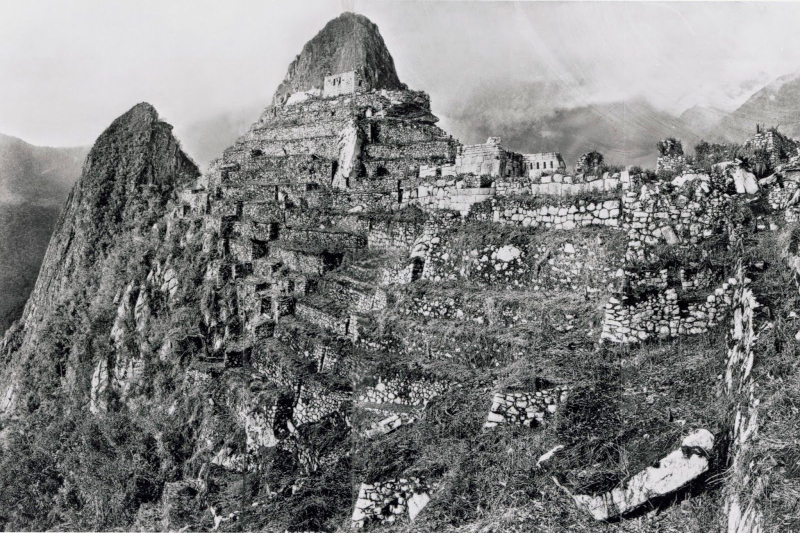
The Inca Empire, known for its architectural prowess and complex society, reached its zenith in the 15th century. Machu Picchu UNESCO World Heritage stands as one of its most remarkable legacies and is often referred to as the “Lost City of the Incas.” The site was likely constructed as an estate for the Inca emperor Pachacuti, and its sophisticated dry-stone construction and stunning terraces demonstrate the Incas’ advanced engineering skills.
Origins and Expansion of the Inca Civilization
The Inca civilization started in the early 13th century in the Cusco region. Over time, it expanded its reach across Western South America, creating an empire that stretched from modern-day Colombia to Chile. This expansion was not just due to military prowess but also through strategic alliances and a sophisticated system of governance that integrated different cultures and languages under one empire.
Inca Society, Governance, and Infrastructure
The societal structure of the Inca Empire was highly organized and hierarchical. The Sapa Inca, or emperor, was considered a descendant of the sun god Inti, and held absolute power. Society was divided into classes, with nobles, artisans, and farmers all playing distinct roles. The Incas were also master planners, with an extensive road network and communication system that connected the vast empire, facilitating trade and governance.
Inca Architecture and Engineering Mastery
Inca architecture is renowned for its precision and durability. The use of large stones cut to fit together without mortar is a testament to their engineering skills. Structures were designed to withstand earthquakes, a common occurrence in the region. The terraces seen in Machu Picchu are another example of their ingenuity, used to prevent erosion and create arable land for agriculture.
The Cultural and Environmental Significance of Machu Picchu
Machu Picchu’s significance extends beyond its architectural beauty. It serves as a testament to the Inca’s mastery of building in harmony with the natural environment. The city is strategically located on a mountain ridge, making it a perfect blend of human and natural creation, which has puzzled and inspired historians and archaeologists.
Rediscovery of Machu Picchu and Global Recognition
Machu Picchu was largely unknown to the outside world until 1911, when American historian Hiram Bingham brought it to international attention. This rediscovery sparked global interest and led to extensive archaeological research at what is now recognized as Machu Picchu UNESCO World Heritage. Since then, the site’s mystery and beauty have captured the imagination of visitors worldwide, making it a powerful symbol of Peru’s cultural heritage.
Spiritual and Astronomical Importance to the Incas
For the Incas, Machu Picchu was not only a residential estate but also a spiritual and astronomical site. The Intihuatana stone, for example, is believed to have been a ritual stone used to mark the solstices and was critical in the Inca’s agricultural calendar. This integration of spirituality and practicality showcases the depth of Incan knowledge.
Preservation and Conservation Efforts
Preserving Machu Picchu is a significant challenge due to its popularity and environmental factors. The Peruvian government, along with international organizations, works tirelessly to maintain the site’s integrity. Efforts include regulating visitor numbers and implementing measures to prevent erosion and damage, ensuring this historical treasure remains intact for future generations.
Planning Your Visit to Machu Picchu
To fully appreciate Machu Picchu, planning your visit in advance is crucial. Here’s what you need to know before embarking on this unforgettable journey.
Best Time to Visit Machu Picchu
The best time to visit Machu Picchu is during the dry season, from May to October, when the weather is more predictable, offering clear skies for stunning views. However, this period is also the peak tourist season, so expect larger crowds. Visiting during the shoulder months of April and November can provide a balance of good weather and fewer tourists.
Machu Picchu Tickets and Entry Options
Due to its popularity, access to Machu Picchu is regulated, and tickets often sell out quickly. It’s advisable to purchase your tickets well in advance. There are different ticket options available, including entry to Machu Picchu itself, Huayna Picchu, and the Temple of the Moon. Each offers a unique perspective and experience, so consider what aligns best with your interests and physical capabilities.
How to Get to Machu Picchu
Machu Picchu UNESCO World Heritage is accessible primarily through the town of Aguas Calientes, which acts as the main gateway for travelers.
Traveling by Train to Aguas Calientes
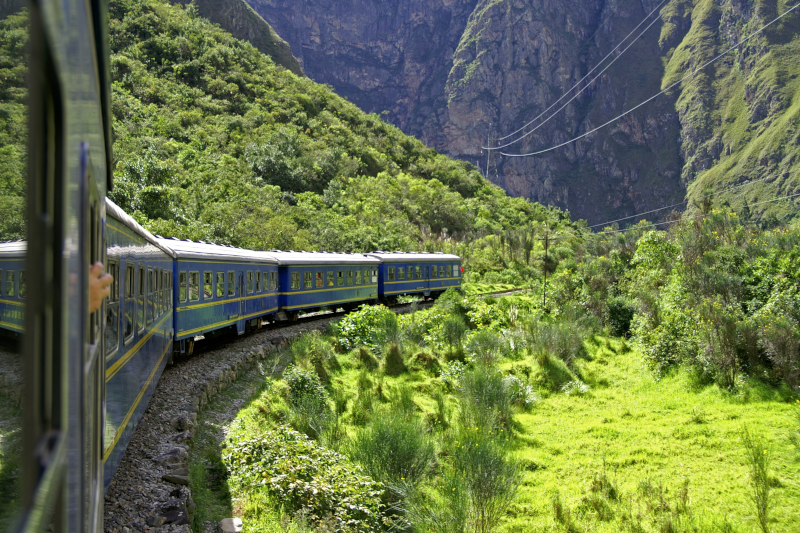
The most popular way to reach Aguas Calientes is by train from Cusco. PeruRail and Inca Rail offer scenic routes with stunning views of the Andean landscape. Trains vary from budget-friendly options to luxurious experiences, each providing a unique way to enjoy the journey through the Sacred Valley’s breathtaking scenery.
Hiking the Inca Trail and Alternative Routes
For those seeking adventure, the Inca Trails offer a challenging yet rewarding trek. The classic route is a four-day hike that leads you through diverse ecosystems and ancient ruins before culminating at Machu Picchu. Other trails, such as the Salkantay or Lares, offer alternative routes for those looking to explore less crowded paths while still arriving at the famous citadel.
Alternative Treks to Machu Picchu
Aside from the Inca Trail, there are alternative routes such as the Salkantay Trek and the Inca Jungle Trek. These offer different experiences and landscapes, from high-altitude passes to lush cloud forests. Each trek provides a unique perspective on the Andes and culminates in the awe-inspiring view of Machu Picchu.
Choosing the Right Machu Picchu Ticket
Due to its popularity, access to Machu Picchu is regulated, and tickets often sell out quickly. It’s advisable to purchase your tickets well in advance. There are different ticket options available, including entry to Machu Picchu itself, Huayna Picchu, and the Temple of the Moon.
Understanding Ticket Types and Viewpoints
When planning your visit, consider the different ticket options. A standard ticket grants access to the main citadel, while additional tickets are required for Huayna Picchu and Montaña Machu Picchu, both offering panoramic views. Each ticket type has limited availability, so decide early on which areas you wish to explore to ensure availability.
Rules and Regulations at Machu Picchu
To protect this UNESCO site, strict regulations are in place. Visitors are required to follow designated paths, and certain items are prohibited, such as tripods and drones. These measures help preserve the site’s integrity and ensure a respectful experience for all visitors.
Why Hiring a Guide Enhances Your Visit
Hiring a guide can enrich your experience by providing deeper insights into the history and significance of the sites. Professional guides are well-versed in the history and mythology of the Incas, offering stories and interpretations that bring the ruins to life. Many visitors find that a guided tour enhances their understanding and appreciation of Machu Picchu.
Exploring Machu Picchu’s Main Attractions
Once you arrive, you’ll be greeted with a maze of stone structures, terraces, and plazas, each with its own story to tell.
The Intihuatana Stone
The Intihuatana stone is a ritual stone associated with astronomy. The name translates to “Hitching Post of the Sun,” reflecting its significance in Incan ceremonies. Its precise alignment with the sun demonstrates the Incas’ advanced understanding of celestial events, playing a crucial role in their agricultural planning and spiritual life.
The Temple of the Sun
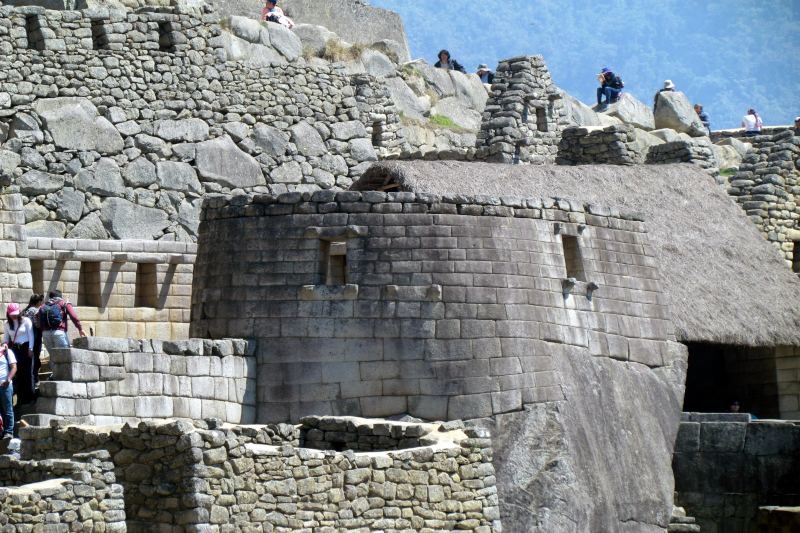
This temple is a prime example of Inca stonework, constructed with precise stone-cutting techniques to honor the sun god Inti. The temple’s strategic placement allows sunlight to enter through its windows during the solstices, creating a mystical illumination that was likely part of sacred rituals. The craftsmanship and spiritual significance make it a must-see site within Machu Picchu.
The Temple of the Moon
Located on Huayna Picchu, the Temple of the Moon offers a mystical experience with its cave-like setting and intricate stonework. This temple is believed to have been used for ceremonial purposes, with its remote and elevated location adding to its spiritual aura. The journey to reach it is challenging, but the reward is a serene and awe-inspiring view.
The Royal Sector
The Royal Sector is thought to have been the residence of the Inca elite. Its well-preserved structures include the Sacred Plaza and the Room of the Three Windows, showcasing the Incas’ architectural prowess. This area provides insight into the lifestyle and sophistication of the Inca aristocracy.
Agricultural Terraces of Machu Picchu
Machu Picchu’s terraces are a marvel of engineering, designed to prevent erosion and maximize agricultural production. These terraces allowed the Incas to cultivate crops in the challenging mountain environment, showcasing their adaptability and innovation. Exploring this area offers a glimpse into the daily life and sustenance of the ancient inhabitants.
Biodiversity Around Machu Picchu
Machu Picchu is not just about ruins. The surrounding area is rich in biodiversity, home to unique flora and fauna including orchids, spectacled bears, and the iconic llamas that roam freely.
Orchids and Plant Life
The region’s biodiversity includes over 400 species of orchids, some of which are endemic to the area. These vibrant flowers add a splash of color to the landscape and are a delight for nature enthusiasts. The diversity of plant life reflects the varied microclimates found within the Machu Picchu sanctuary.
Wildlife of the Cloud Forest
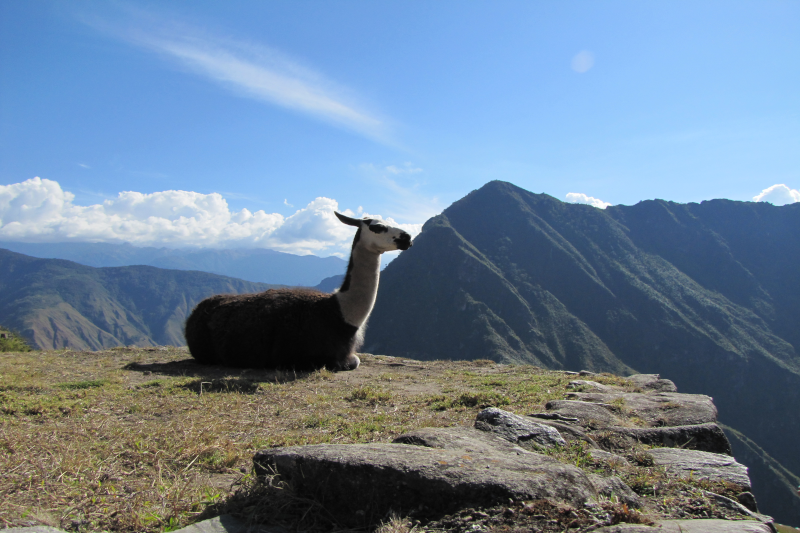
The cloud forest surrounding Machu Picchu is home to diverse wildlife, including the Andean condor, spectacled bear, and various bird species. Llamas, often seen grazing among the ruins, are a favorite among visitors, offering charming photo opportunities against the backdrop of ancient stonework.
Conservation and Environmental Protection
Conservation efforts are crucial to preserving the unique ecosystems around Machu Picchu. These initiatives aim to protect native species and their habitats, ensuring that the area’s natural beauty remains intact for future generations. Visitors are encouraged to respect wildlife and adhere to guidelines to minimize their impact.
Practical Tips for Visiting Machu Picchu
To ensure a smooth and enjoyable visit, consider these practical tips:
Acclimatizing to High Altitude
Cusco is at a high altitude, so it’s important to spend a few days acclimatizing to prevent altitude sickness. Symptoms can include headaches, dizziness, and nausea, which can detract from your experience. Staying hydrated, avoiding alcohol, and taking it easy during your first few days can help your body adjust.
What to Pack for Machu Picchu
Bring comfortable walking shoes, a hat, sunscreen, and plenty of water. Weather in the Andes can be unpredictable, so packing layers is wise to accommodate temperature changes throughout the day. A good camera is also essential to capture the breathtaking views and unforgettable moments.
Guided Tours and Cultural Insight
Hiring a guide can enrich your experience by providing deeper insights into the history and significance of the sites. Local guides offer unique perspectives and stories passed down through generations, adding depth to your understanding of the Inca civilization. Consider joining a guided tour to maximize your visit’s educational and cultural value.
Respecting a Sacred UNESCO Site
As a sacred place, it’s important to respect the environment and follow all guidelines during your visit. This includes staying on marked paths, not climbing on ruins, and refraining from littering. By respecting these rules, you contribute to the preservation of Machu Picchu’s cultural and historical heritage.
Photography Tips for Machu Picchu
Machu Picchu is a photographer’s dream. To capture its essence:
Best Lighting and Timing
Early morning or late afternoon offers the best lighting conditions and fewer crowds. The soft, warm light during these times enhances the natural beauty of the site, creating stunning photographs. Arriving early or staying late also allows for a more peaceful experience, away from the midday rush.
Finding the Best Angles
Explore different angles and perspectives to showcase the grandeur of the site. Climbing to higher vantage points, such as Huayna Picchu or Machu Picchu Mountain, provides panoramic views that capture the site’s scale and majesty. Close-up shots of intricate stonework can highlight the craftsmanship of the Inca builders.
Patience and Composition
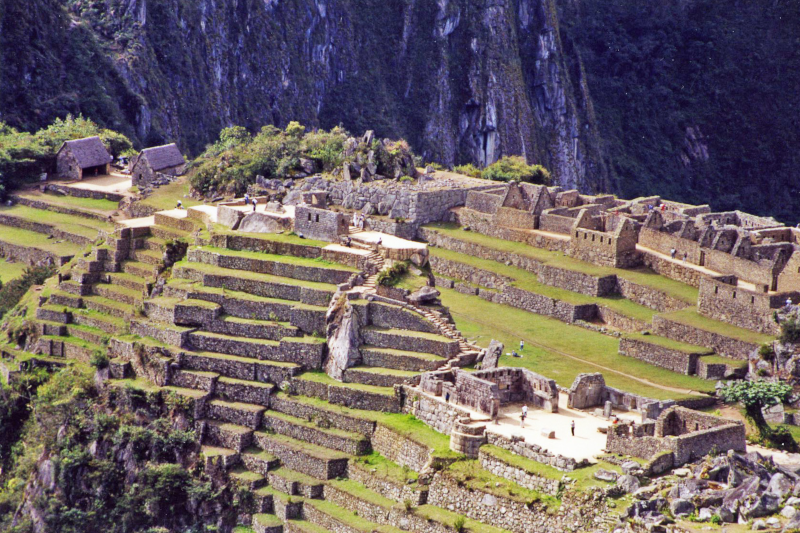
Patience is key when photographing Machu Picchu. Waiting for the right moment, especially when capturing shots of llamas against the backdrop of ancient ruins, can make all the difference. Preparing ahead by scouting locations and considering lighting conditions will help you capture memorable images.
Adding Human Perspective
Including human elements in your photos can provide a sense of scale and context. This could be fellow travelers exploring the site or local guides sharing their knowledge. These elements add a dynamic aspect to your photos, illustrating the interaction between people and this historic wonder.
Final Thoughts on Visiting Machu Picchu
Visiting Machu Picchu UNESCO World Heritage is more than a travel destination; it is a journey through time that offers a window into the rich tapestry of the Inca civilization. With its stunning architecture, historical depth, and natural beauty, Machu Picchu remains a powerful testament to the ingenuity and spirit of the Inca people.
Whether you are a seasoned traveler or a cultural enthusiast, Machu Picchu promises an experience that is both enlightening and awe-inspiring. Plan carefully, respect the heritage site, and immerse yourself in the wonder of one of the world’s greatest archaeological marvels.
Embark on your own adventure and discover the mysteries that Machu Picchu has to offer. Safe travels!
Top Tourist Attractions in Cusco, Peru
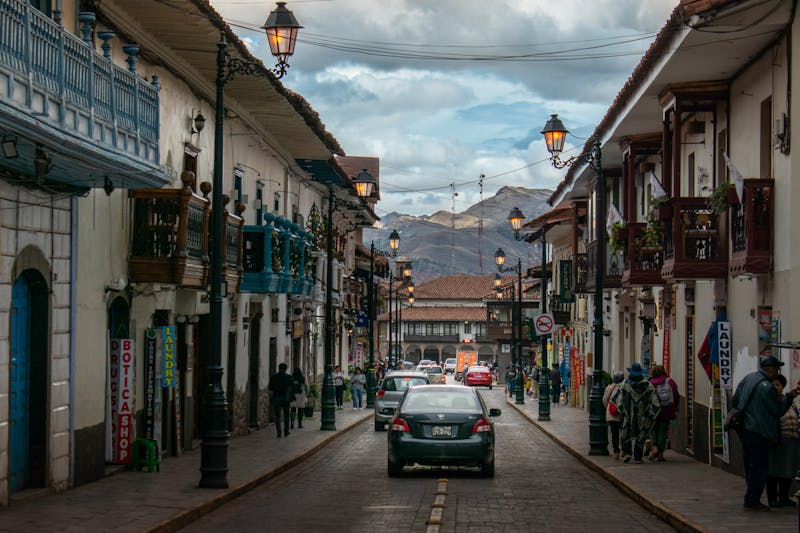
Cusco or the historical capital of Peru is full of cultural heritage and swing landscapes. The city, which lies at high level in the Andes, links the tourists to most of the iconic sites in South America and the best Attractions Cusco Peru is associated with. You can find old Inca ruins, incredible natural views, or lively markets of the locals, but Cusco is the place that can offer both, which is pristine and memorable. Delve further and you will realize how the historical, the cultural and the natural merge together forming a destination that is at once heart and imagination captivating.
Cusco was used as the prosperous capital of the Inca Empire many years ago. This civilization became well known with its mastery in building the architecture and its enormous impact on the rest of the continent. It is that heritage that the city boasts of to this day. Pieces of great art, colonial buildings, still share some details about the centuries ago. Thus, wandering in Cusco would feel as an extension of living in a museum. All the streets and stones maintain a silent reminder of ancient success.
Exploring the Inca Empire’s Heart
Cusco was at the heart of the Inca world. Therefore, what was written here ruled emperors and made decisions of relevance in its plazas. The past is a present when you are strolling through the city. History comes alive by use of cobblestone streets, ritual squares and remnants of the temples. Moreover, the structure of the city is like a puma which is a holy animal of the Inca faith. There is an element of spiritual symbolism and engineering in this design. It also demonstrates how strongly the Incas related the city planning and the worldview.
The Legacy of Colonial Influence
There was however a transformation of Cusco by Spanish arrival. The city did not fade away, it was redesigned. Spanish constructors erected mansions and churches with very powerful Inca foundations. This has led to a great cultural mix in a number of structures. The Convent of Santo Domingo was made on the site of the Inca Temple of the Sun. This comparison gives an account of conquest, adaptation and surviving. Nowadays, a visitor can clearly observe how one and the same streets were marked by two civilizations.
Preservation of Cultural Heritage
There are growing conservation initiatives in recent years. Cusco was recognized to have global value since UNESCO designated it a World Heritage Site in 1983. Due to this awareness, they have taken good care of historical zones today. Temples, plazas and colonial houses are under restoration efforts. Regulations, on the other hand, serve as a way of bringing about uncontrolled development. Cusco is therefore holding on to its history without necessarily rejecting the modern visitors. Such initiatives will make sure that the future generations will keep learning through its legacy.
Qorikancha: The Golden Temple
Qorikancha is one of the other fascinating landmarks of Cusco. It was named Golden Temple and it was claimed to have named Inti, the Sun God. The wall of the building was covered with gold plates which reflected sunlight in its glory in its prime. Even though the Spanish took away most of that wealth, the stonework of the temple continues to astonish the visitors. The complex today comprises the Convent of Santo Domingo that renders another layer of history and contrast to the eye.
The Architectural Marvel of Qorikancha
Qorikancha was constructed with great accuracy by Incas engineers. They carved the stones in such a way that the stones fit without mortar. Due to this technique the walls are resistant to earthquakes even today. Moreover, constructors also oriented the temple on astronomical events. This planning reveals how much the Incas were connected with architecture, science and spirituality. Their artistry still remains an inspiration to architects and historians across the world.
The Spiritual Heart of the Inca Empire
Qorikancha was not only designed, but it also served as a centre of worship. Inti was worshiped by the priests performing ceremonies at the site. Sacred objects and altars that were covered with gold placed sacred significance on them. Even though conquerors took most of its riches away, the location has a strong atmosphere. Several visitors experience strong energy when they are walking through the remains. The religious meaning, thus, rings up to this day.
The Transformation into Santo Domingo
Spanish leaders transformed the temple into a catholic complex after the conquest. Two buildings were put atop of the first structure; a church and convent. Such transformation was a sign of political and religious superiority. The building is however supported by the Inca stonework. Due to this, the location silently discloses that the knowledge of the Inca survived under their colonial stratum. It is an unquestioned embodiment of cultural endurance.
Sacsayhuamán: The Fortress of Stone
One of the most outstanding constructions of the Inca is Sacsayhuaman that is located high above Cusco. Its zigzagging walls are constructed of huge stone blocks. One stone is placed in another in the most unexpected fashion. Visitors today are unable to put paper between them. Evidently, stone engineering was well undertaken by the Incas. In addition to its historical value, the site also offers the sightseers broad panorama visibility of Cusco.
The Strategic Importance of Sacsayhuamán
Sacsayhuaman was not just a ceremony place. It was one of the strongest defensive fortresses. The warriors of Inca also stood on its high place and monitored the valley and defended the capital. Besides, the fortress was linked to a bigger defense system. The system enabled fast communication and coordinated protection. Thus, Sacsayhuaman puts emphasis on military intelligence and architectural genius. It explains how the Incas applied natural geography to their benefit.
Engineering Feats of the Inca Builders
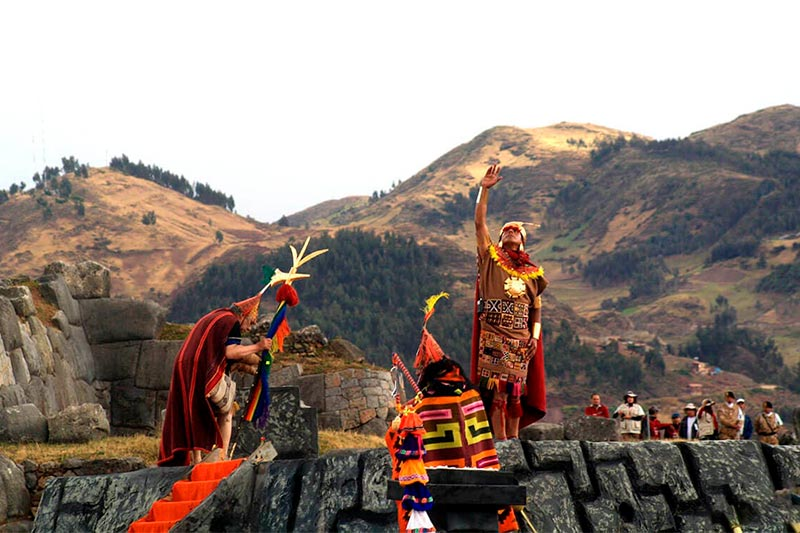
Sacsayhuaman has a cultural significance other than the historical one. An example is that it is the birthplace of contemporary festivals such as Inti Raymi, the Festival of the Sun which attracts thousands of tourists every year. The festival is a recreation of an ancient Inca ritual and a celebration of winter solstice in the honour of the Sun God. Thus, the site remains a cultural and spiritual attraction site.
Cultural Significance and Modern-Day Celebrations
Today, Sacsayhuamán carries cultural importance beyond its historical role. For instance, it hosts modern celebrations like Inti Raymi, the Festival of the Sun, which draws thousands of visitors each year. This festival reenacts an ancient Incan ceremony and celebrates the winter solstice while honoring the Sun God. Therefore, the site continues to serve as a cultural and spiritual landmark.
Natural Wonders and Treks
Cusco as a gateway also leads to breathtaking treks and nature directly associated with the city. The area experiences a wide variety of sceneries with rainforests and mountainous ranges. Due to this diversity, tourists can never get bored with adventure. In addition, the natural wonders augment the rich cultural clothing of Cusco and attract tourists to visit Andes.
The Sacred Valley
One of the most popular activities to do in Cusco is the Sacred Valley where there are fertile lands and beautiful scenery. The Incas used to depend on it in the past. The valley now contains quaint villages, markets and several places of interest such as Pisac and Ollantaytambo. Tours here are therefore an experience of Incan culture and natural beauty.
The Fertile Heartland of the Incas
Sacred Valley was the breadland of the Inca Empire. It had fertile soils and moderate climate which enabled farmers to produce numerous crops. As a result, the population grew due to this abundance which promoted prosperity. Nowadays, they go to terraced landscapes, which remind them of Incan farming innovation. Their experience in agriculture is still noted by these terraces.
Exploring Pisac and Ollantaytambo
Pisac and Ollantaytambo are some of the most significant archaeological attractions in the Sacred Valley. Pisac has impressive agricultural terraces and ruins which show planning and design of Incan architecture. In the meantime, Ollantaytambo hosts great terraces made of stone and an impressive fortress. During the historic times, it served as a military and religious hub by leaders. Thus, the researches of the two sites enhance any insight into the Inca civilization.
Traditional Markets and Local Culture
Sacred Valley also has vibrant local markets where the visitors can explore the culture at the local level, like Pisac Market. Sellers are marketed with fresh produce, home textiles, jewelry, and displayed colorfully. Besides, meetings with craftsmen and peasants give unique cultural experience. In such a way, these markets are not only the places to go shopping, but also to be exposed to the local culture and home-cooked food.
Machu Picchu: The Iconic Inca Citadel
There is no place you can visit in Cusco without visiting Machu Picchu. It remains one of the top tourist attractions in Cusco Peru. This is one of the UNESCO world heritage sites that is usually covered with mist, which contributes to the mystery of the location. Travelers can hike the Inca Trail or choose the train instead. Whichever the case, the trip turns out to be as memorable as the citadel under discussion.
The Mystique of Machu Picchu
Machu Picchu is a site that makes people interested due to its enigma and theatricality. It is located on top of a mountain ridge and has a view of Andes mountain and Uruguamba River. Consequently, each opinion is an eye dropper. The exact purpose of the site remains open in dispute between historians, which further contributes to the mystery of the site. There are those who think that it was used as a royal estate by rulers, but others believe it served as a religious or astronomical position. In spite of the theory, Machu Picchu still enjoys a fascination among the travelers of different parts of the world.
The Inca Trail: A Journey Through History
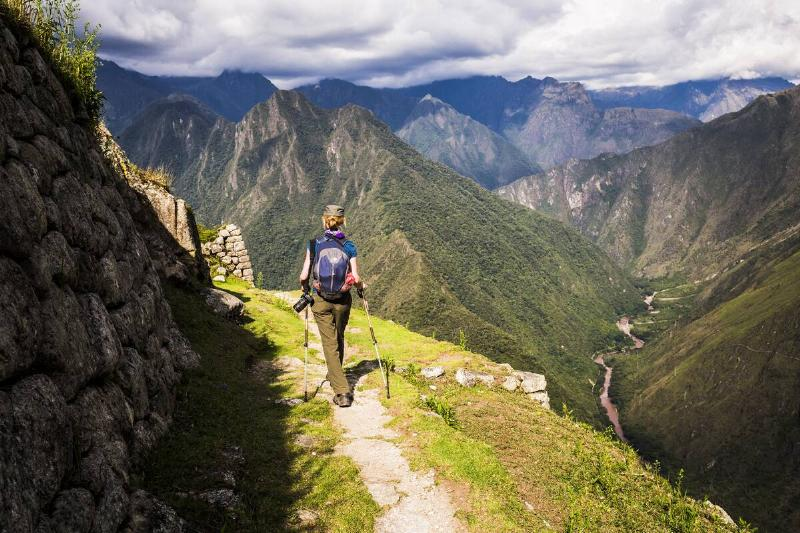
The Inca Trail ranks among the world’s most famous trekking routes and guides hikers through ecosystems and ancient ruins. In this four day trip, the visitors use routes that were used in the past by the Incas. On their journey, they go through the changing landscape and physical difficulties. At some point, the path leads to the Sun Gate. It is the point where trekkers have a glimpse of Machu Picchu. It is a very strong and satisfying moment and thus many even call it the climax of the trek.
Conservation Efforts and Sustainable Tourism
World bodies and the Peruvian government take all the steps to preserve Machu Picchu. They are conservation-oriented and responsible for tourism. To illustrate, they are working towards environmental protection and management of visitor influence. The government restricts the number of people that can enter everyday and promote sustainability. Due to such activities, the site is in its state. In addition, they should save Machu Picchu as a cultural relic to the following generations.
The Salkantay Trek
Salkantay Trek is preferred by a number of travelers who prefer a less traveled road to Machu Picchu. This route is a challenging, yet highly rewarding one. It traverses cloud forests, mountain valleys and snowy landscapes. Finally, hikers arrive at magnificent views close to Salkantay Mountain. Thus, the expedition is a combination of the beauty of nature and the genuine adventure.
A Journey Through Varied Landscapes
The Salkantay Trek is well known due to its variety of landscape. In a few days, trekkers pass through a number of ecosystems. Originally, they go through green cloud forests. Then they scale up to mountain passes that are high where snowy mountains clog the horizon. Therefore, the scenery is never the same. Every day brings with itself new perspectives and new difficulties. Due to this diversity, the trek can be remembered by several hikers as unforgettable.
The Majesty of Salkantay Mountain
The whole trek is anchored with the Salkantay Mountain at the top of the skyline. The snow-white top of it attracts the gaze of miles. The Salkantay Pass is an important achievement for hikers. Anyone who stops halfway up the mountain needs hard work and perseverance. Nevertheless, that much effort is paid back with the panoramic mountain views. The mountain is also regarded as holy by the local communities. Therefore, the pilgrimage has cultural and religious overtones.
Embracing the Spirit of Adventure
The Salkantay hike’s challenges are more than a physical pose. It challenges tourists to be adventurous, and be close to nature. Gradually, hikers go out of their comfort zones. Meanwhile, they encounter the locals and other trekkers. Such interactions frequently become a long-lasting memory. Eventually, Salkayt Trek demonstrates how travelling can motivate, provoke, and change people who experience the adventure.
Colorful Landscapes
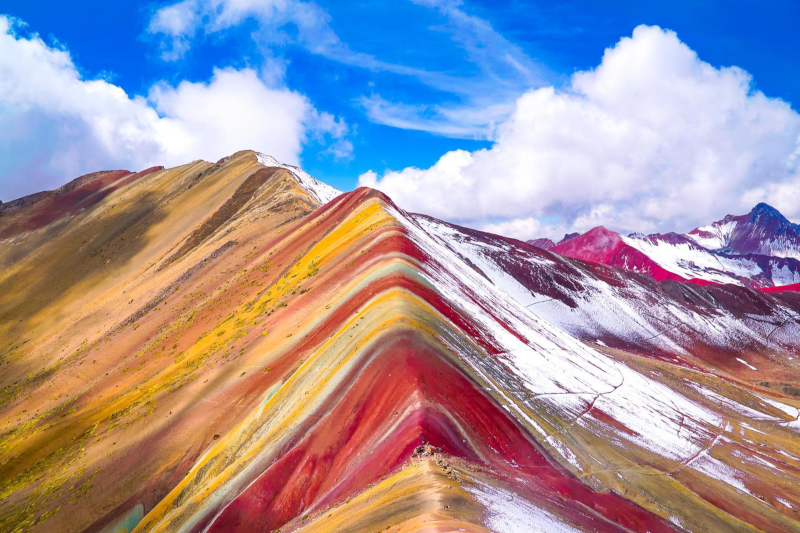
Landscapes of Cusco have remarkable diversity and breathtaking beauty and expose an epic palette of nature marvels. Colored mountains, valleys with fertile soils are just a few of the things that can leave a sight to the pleasure of both the traveling and photographing persons. Besides, both settings tell another tale of nature and time. You find yourself as you pass through the territory; all the valleys, peaks, and tracks beckon you to explore them. Thus, here, visitors do not just see nature, but they relate with it.
Rainbow Mountain: Vinicunca
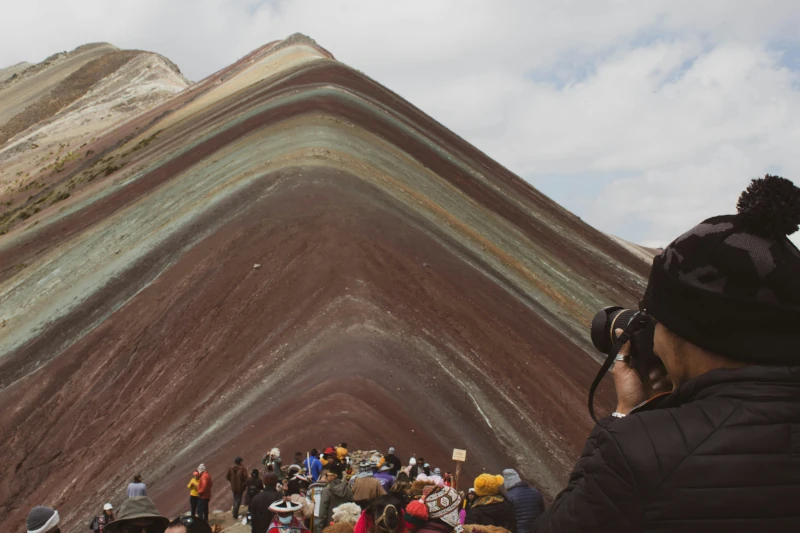
Rainbow Mountain, also known as Vinicunca, has quickly risen as one of the most desired attractions in Cusco Peru. It is a very colorful place, having its bright slopes as a result of strong mineral layers, and they shape a landscape that is almost unrealistic. Consequently, a significant number of the travelers put it on their bucket list. Despite the effort required to hike up it, the expansive Andean scenery delivers on those who hike it. Because of this reason, this experience is termed by many hikers as difficult and memorable.
Geological Wonders and Natural Beauty
The millions of years that created Rainbow Mountain were made up of mineral deposits that formed the colors of the Rainbow Mountain. Red, orange, yellow and green layers cover the slopes and give natural mosaic. As a result, this mountain is one of the most distinctive attractions in the area. Such structures are also used to show how the earth is very active in the field of geology. It is due to this that the site does not only receive tourists but also nature enthusiasts. Numerous visitors stand and stare in silence particularly when they absorb the vivid colors and the dramatic contrast of the color with the neighboring mountains.
The Trek to Vinicunca’s Summit
The hike to Vinicunca is a challenge to stamina and strong will. Given the fact that the route is a high-altitude ascent, the hikers require adequate acclimatization and preparation. Nevertheless, this passage provides an unending satisfaction. On the trails, hikers get panoramic mountain sceneries. Moreover, they usually see llamas and alpacas grazing around. One by one the landscape grows larger beneath them. Lastly, once the hikers are on the summit, they use the experience to celebrate the victory and have panoramic views of the Andes. This is normally the best thing in their trip to Cusco.
The Cultural Significance of Vinicunca
Vinicunca has a profoundly personal meaning to local Quechua communities also. They believe that the mountain is holy, and relate it to their traditional ancestry. Moreover, a great number of families have been dwelling in the communities around such lands since generations. The mountain colors are related to the richness and identity based on culture. As such, respectful tourism is significant in this case. Tourists who take time to learn through the local society are in a better position to have a more beautiful understanding. Travelers get to value the people and the landscape more through conversations and through sharing stories, which appear as a whole.
Cultural Experiences in Cusco
Besides the natural and historical charm, Cusco is also a hub of the living culture. The city is vibrating with everyday traditions, life in the community, and colorful heritage. Consequently, the tourists do not just have sightseeing experiences; they get to explore the real local life. Through the flats, fetes and the street scenes one can see how tradition mingles with new beats. Thus, sightseeing in Cusco can be rather all-inclusive as opposed to being on the periphery.
San Pedro Market
A trip to San Pedro Market is a way to start living the life of the locals. Vendors crowd the stalls with fresh foods, cloth and everything handmade. In the meantime, the rhythmic motion and good-natured conversations make the atmosphere very energetic. Tourists tend to visit to savor such cuisine as ceviche or rocoto relleno. Meanwhile, they encounter locals and they share their culture and cuisine. Due to this fact, there is taste and cultural knowledge in the market.
A Feast for the Senses
The colorful, full-flavored, and energetic sounds, colors, and aromas of San Pedro Market impress the visitors. Bright fruits and fragrant herbs attract attention on your way between the aisles. Besides, the food counters sell traditional snacks and beverages like coca tea. All the sections present new tastes and ingredients of Andes origin. This makes the market a location in which the market learns and also tastes. Most visitors go home having a better insight into Peruvian food.
Artisanal Crafts and Traditional Textiles
Regional practice is also exhibited in the market. Artisans also exhibit ancestral woven fabrics, jewelry and pottery. Moreover, a lot of sellers describe the way they make their works. These handicrafts are a heritage of knowledge and culture. Thus, the purchase of a handmade product is a direct contribution to the local family. More to the point, every one of the pieces has an Andes story behind it.
Connecting with the Local Community

San Pedro Market is a daily gathering of locals. There, families make purchases and gossip and communicate. To the visitor these are moments where they look into the very fabric of life. During basic discussions, they soon become cordial cultural interactions. Consequently, the travelers recollect these encounters even after the excursion is over. The most significant travel memories are typically formed under the influence of personal relations.
Cusco’s Vibrant Festivals
Cusco provides a tribute to its heritage by celebrating it at festivals where people make merry with music, dance, and ritual. Such events preserve the ancient traditions as well as uniting communities. It is seen through the color and sound of color livelihood throughout the year. As such, the scheduling of a visit during one of the festivals can add value to any tour. Visitors that come are sometimes better placed to see the local identity and pride.
The Inti Raymi: A Celebration of the Sun
Inti Raymi stands as Cusco’s most famous festival. It celebrates Inti, the Sun Father and the winter solstice. Actors are dressed up in fancy attires and they re-enact the rituals of the Incas. In the meantime, music and dancing dominate the plazas. This is primarily celebrated at Sacsayhuamun where huge numbers of people attend. As a result, the event is a combination of history, spirituality and spectacle. It is said by many visitors as a heritage of their culture.
Other Festivals and Cultural Events
There are also many other celebrations taking place in Cusco throughout the year. As an example, there are religious processions and traditional dances in Corpus Christi. All of the festivals are some blend of colonial and Indigenous. Due to this mixture, the cultural calendar of Cusco is very heterogeneous and dynamic. Tourists who visit are observing living customs as opposed to exhibits.
Embracing the Spirit of Celebration
Attending local festivals will enable the traveler to identify themselves with the society. These parties are an expression of identity, thankfulness and continuity. They are not mere performances but cultural heritage. When you join them you find how proud people are about their practices. Finally, all these moments enhance cultural popularization and appreciation.
Planning Your Cusco Tour
Various things to include in the Cusco tour would be a combination of history, nature and culture. It could be taken as an example to combine market visits and archeological ones. This equilibrium produces a more enhanced itinerary. Also, careful planning can be used to control the altitude and travel time. One can have a different but satisfying everyday in Cusco, with attitude.
Practical Tips for Visiting Cusco
- Cusco is at a high altitude, therefore one needs to allow 1 to 2 days to acclimatise, relax and drink a lot of water without alcohol.
- Dry and sunny in the months May to September are the best time to visit it, but since it is peak season, it is always good to book well in advance or you may visit during the months of April and October and have fewer visitors.
- Within the center of Cusco, it is easy to walk but guided tours can be used when going to Machu Picchu and Sacred valley whereby taxis and public transport are available to provide a flexible choice.
Conclusion
Cusco is a second to none destination that incorporates history, nature and living culture into a single destination. Tourists will be strolling through ancient ruins, hiking over incredible sceneries, and learning about strong traditions. Due to the difference, every day may seem entirely different. One time you are visiting stone temples, and the next time you are visiting colorful markets or mountain trails. Such diversity makes the journey interesting throughout. As you discover the top attractions in Cusco Peru, the city’s energy and heritage leave a strong impression.
Therefore, start your adventure in Cusco out of curiosity and planning. Every experience is an addition to your narration. Eventually, such instances translate into unforgettable ones. You will still remember the sights, the tastes and the experiences even after you have gone home. Cusco is a fascinating city to see whether you are fascinated with history, nature, culture etc. It beckons you to come and seecand enjoy the city. Ultimately, it is the city of Cusco that impresses, but not to leave a visitor indifferent.
Inca Trail or Salkantay Trail
To most, visiting the lost city of Incas, Machu Picchu tops the bucket list while travelling to South America. What if we tell you that there is more than one way to reach there? Yes, whether you take Inca Trail or Salkantay Trail, both will take you to amazing sceneries.
The Inca Trail to Machu Picchu assists you to walk in the steps of the Incas. Salkantay trek is attended by solitude and wildlife.

INCA TRAIL TO MACHU PICCHU
Classic Inca Trail is an adventurous hiking Path in Peru. This ancient Inca path was built some 500 years ago. It begins from Km.82 near the village of Ollantaytambo in Sacred Valley and takes you to the ruins of Machu Picchu. This is the only hike that licenses travellers to enter Machu Picchu through the Sun gate (Intipunku).
The rugged terrain integrated with the altitude and oxygen devoid environment can conclude in slow progression. The Inca Trail has several microclimates, from rainforests to mountains.
The Inca Trail to Machu Picchu is the symbolic trail of the Incas. In order to protect the trail, the authorities restrict the access to just 500 trekkers a day. This includes porters, guides and chefs so barely 200 trekkers get to hike Inca Trail in a day. Often Inca Trail permits are sold out six to seven months in advance.
The Inca Trail needs pre-booking. It generally gets full due to the many trekkers. This might also interfere with your photo sessions. The path takes you along the ancient trade route utilized by the Incas.
Hiking through the cloud forests of Peru is another remarkable experience.
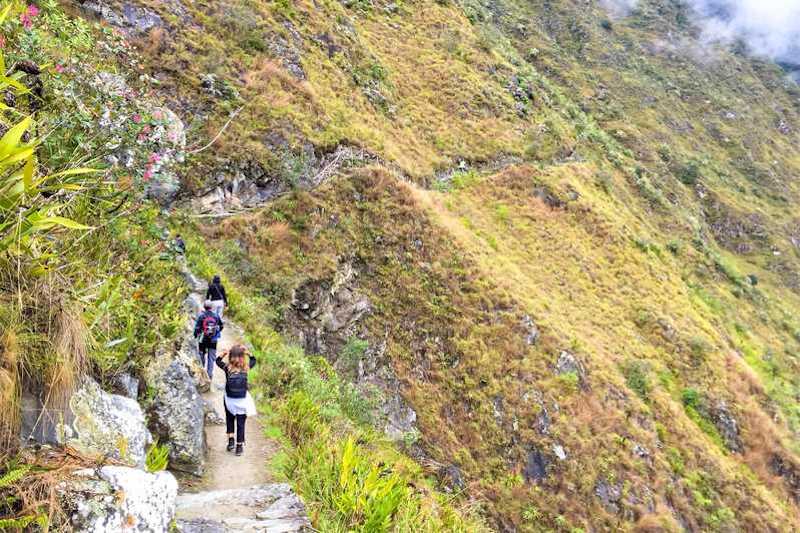
SALKANTAY TREK TO MACHU PICCHU
On the Salkantay Trek to Machu Picchu, the camping areas are put underneath the great Vilcabamba range. The Salkantay will have an extensive assortment of amenity choices accessible in this trek.
Salkantay Trek has an exhilarating experience to offer. It has turquoise blue lake “Humantay Lake“, wonderful snow-capped mountains, and a dense green setting accompanied by hummingbirds. The famous ruins of Machu Picchu await you.
Soraypampa – Chaullay is the greatly tough part of the Salkantay Trek. The elevation of 4580 can be problematic for some. The Apacheta pass is at the highest elevation in this entire trek. Too, the steep slopes add more to the trouble.
Whilst hiking the Salkantay Trek, you will be entering Machu Picchu through Aguas Calientes town.

CONCLUSION
While considering Inca Trail vs Salkantay Trek, both trips provide great benefits. You will get master guides, breathtaking views and freedom to engage with the local population.
After understanding much about both the treks, let us understand the major differences.
Highest Altitude: Both are a high altitude experience. The highest point in Salkantay Trek is Salkantay Pass at 15000 feet. Inca Trail is the Dead Woman’s Pass at 13, 828 feet. It is highly recommended that you spend a few days in Cusco before the trek to avoid altitude sickness.
Distance: The Salkantay trek is 46 miles over 5 days. Inca Trail Trek is around 26 miles over 4 days.
Difficulty Level: The Inca Trail trek is mild in terms of difficulty level. The Salkantay Trek is difficult due to the uneasy path.
No matter whether you choose Inca Trail or Salkantay Trail, both are equally wonderful. However, both trails require you to be fit.
The Significance of Llama Husbandry in the Inca Economy
Llamas, majestic and captivating creatures, have long been an integral part of South American culture and economy, particularly during the reign of the Inca Empire. In this article, we will explore the immense significance of llama husbandry in the Inca economy. This practice not only played a critical role in the development and sustenance of the empire, but also helped establish a unique cultural identity.
We will delve into the myriad ways in which these fascinating animals were utilized, from their vital contributions to agriculture and transportation, to their importance as a symbol of wealth and power. As we unravel the multifaceted role of llamas in Inca society, we will gain a deeper understanding of how the ancient empire thrived and expanded its reach, thanks in no small part to the humble llama.
Llamas as the backbone of Inca agriculture and food supply
Llamas played a vital role in Inca agriculture and food supply. As the backbone of the Inca economy, these animals were essential for the empire’s growth. Llamas, native to the Andean highlands, adapted well to the harsh terrain. Thus, this made them indispensable for the Incas.
Their strong, agile bodies allowed them to navigate the mountainous landscape with ease. Therefore, llamas were used as pack animals, carrying food and supplies. Also, they were essential for the construction of the extensive Inca road system, the Qhapaq Ñan. This network facilitated trade and communication throughout the Inca Empire.
One of the most famous routes is the Inca Trail to Machu Picchu. Llamas were crucial for the transportation of goods and people along this trail. They carried items like maize, potatoes, and quinoa from agricultural terraces to markets and storage facilities.
Additionally, llama dung was an invaluable resource, too. It served as a natural fertilizer, helping to enrich the soil in agricultural areas. This improved crop yields and ensured a stable food supply for the empire’s population.
In addition to their role in agriculture, llamas were also a vital food source. Their meat was lean and high in protein, providing essential nutrients for the Inca people. Llama meat was often dried and preserved, making it perfect for long journeys.
Their wool was also of great importance. It was spun into strong, warm textiles, used for clothing and blankets. This helped protect the Inca people from the cold Andean climate.
Overall, llamas were indispensable for the Inca Empire. They played a critical role in agriculture, transportation, and food supply, contributing to the empire’s success. The Inca people’s reliance on llamas helped shape their society, culture, and economy.
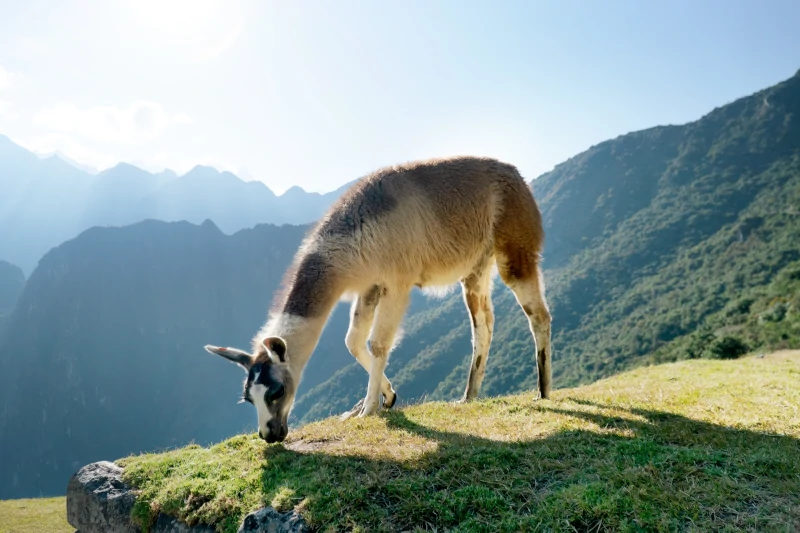
The essential role of llamas in transportation and trade
Llamas played a crucial role in transportation and trade during the Inca Empire. As pack animals, they could carry up to 75 pounds of goods. This made them ideal for traversing the Andean terrain.
The Inca road system, a marvel of ancient engineering, spanned over 30,000 km (18,000 miles). Llamas were essential for the maintenance and operation of these roads. They transported food, supplies, and raw materials across vast distances, connecting cities and settlements.
One notable trading center was Pisac, situated in the Sacred Valley. Llamas carried goods from Pisac to the capital city of Cusco and beyond. They facilitated the exchange of products from various regions, helping the empire flourish economically.
Textiles, pottery, and precious metals were among the items traded. Llamas enabled the distribution of these goods to all corners of the empire. Thus, their ability to carry heavy loads ensured that commerce continued to thrive.
Llamas were also vital for military endeavors. They transported weapons, armor, and supplies to Inca troops. This logistical support was key to the expansion and maintenance of the empire’s territory.
In addition, llamas played a role in long-distance communication. They carried messages in the form of quipus, a system of knotted cords. These were used to convey information on various subjects, including trade and administrative matters.
Furthermore, llamas’ natural resilience was an asset for long journeys. They could withstand high altitudes and harsh weather, often without needing additional water or food. This made them ideal for the challenging Andean environment.
In summary, the essential role of llamas in transportation and trade cannot be overstated. These versatile creatures contributed to the Inca Empire’s prosperity by facilitating the exchange of goods, supporting military campaigns, and enabling communication across vast distances.

Cultural and symbolic importance of the llama in Inca society
Llamas held a unique cultural and symbolic importance in Inca society. These majestic creatures were revered and valued for their various contributions to the empire. Thus, this deep connection transcended their practical uses and resonated throughout Inca culture.
Llamas were often depicted in Inca art and iconography. Thus, pottery, textiles, and metalwork showcased their prominent place in society. These artistic expressions highlighted the bond between humans and llamas, celebrating their mutual dependence.
Additionally, in Inca mythology, llamas were seen as sacred animals. They were believed to be gifts from the gods, entrusted to the Inca people. This divine association led to their use in religious ceremonies and rituals.
Furthermore, Llamas played a significant role in sacrifices, a central aspect of Inca religious practice. They were offered to the gods to ensure a bountiful harvest, protection from natural disasters, or victory in battle. The color of the llama chosen for sacrifice held symbolic meaning, with white llamas often considered the most sacred.
Inca nobility and royalty also utilized llamas as symbols of power and wealth. Possessing large herds was a sign of prestige, reflecting the owner’s status and influence. Llamas were even buried alongside nobles to accompany them in the afterlife.
Today, the cultural and symbolic importance of llamas remains evident in Andean communities. Traditional rituals and festivals still celebrate the bond between humans and llamas, honoring their rich shared history.
For those interested in experiencing this unique connection firsthand, consider taking the Lares Trek to Machu Picchu. This journey offers a glimpse into the enduring relationship between llamas and the descendants of the Inca Empire, while traversing breathtaking landscapes steeped in history and tradition.
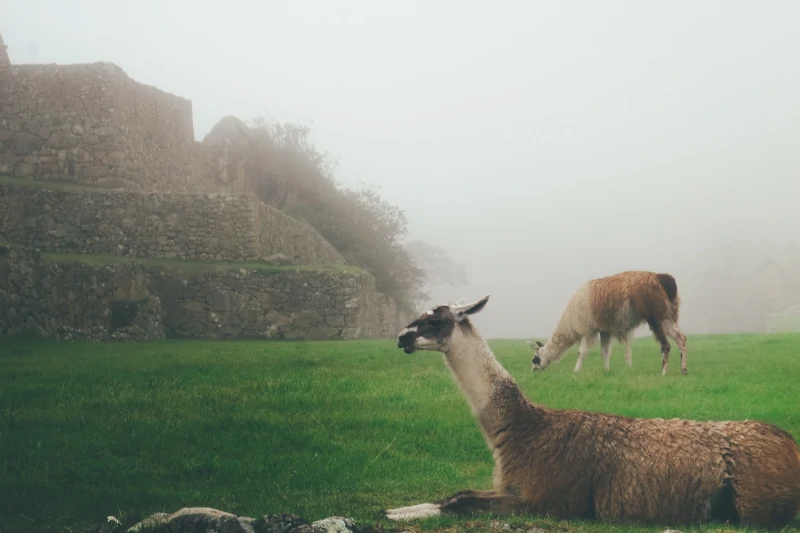
The Cachicata Inca Quarry: An Adventure into Ancient Industry
In the secluded reaches of the Sacred Valley in Peru, not far from the world-renowned Machu Picchu, lies a marvel of ancient industry less trodden by the footsteps of tourists – the Cachicata Inca Quarry. This vast archaeological site, perched high in the Andean mountains, serves as a profound testament to the extraordinary technological prowess of the Inca Empire, its silent stones whispering tales of a bygone era where ingenuity and labor bore remarkable feats of architecture.
The Cachicata Inca Quarry, sometimes referred to as ‘The Lost Quarry’, is a portal that thrusts us back to the zenith of the Inca civilization, laying bare the intricate systems that made them one of the most exceptional empires in history. With its hewn rocks, abandoned tools, and a trail that unveils the once-bustling supply chain, this site offers adventurers, history buffs, and curious minds alike a deep dive into the past, and an adventure into the heart of ancient industry.
An exploration into the ancient Cachicata Inca Quarry
In the heart of Peru, the Cachicata Inca Quarry tells a remarkable tale. This forgotten site whispers of the Inca Empire’s prowess. Encased in the Sacred Valley’s rugged mountains, it’s a testament to ancient ingenuity. Here, the Incas fashioned the very stones that built their empire.
The Inca Quarry is truly an open-air museum. Vestiges of a complex stone crafting process unfold before the visitor’s eyes. Tools abandoned mid-work, unfinished sculptures, and carved rocks pepper the landscape. They invite us to contemplate the industrious nature of the Inca civilization.
The trail leading to the quarry adds to its intrigue. It meanders through the valley, linking the quarry to Inca sacred sites. It’s easy to imagine, centuries ago, stone-laden llamas treading these paths. Laborers, artisans, and overseers bustled, creating a vibrant tapestry of industry.
As we delve further into the Cachicata Inca Quarry, we find massive stones. These unfinished monoliths leave us in awe of the Inca’s grand vision. They worked with extraordinary precision, their handiwork standing the test of time.
The Inca Quarry also provides an intimate connection to the past. Observing the quarry’s structure and the partially finished works, one feels a kinship with the ancient artisans. The legacy of their labor surrounds us, leaving a tangible resonance.
In essence, the Cachicata Inca Quarry is not merely a site of interest. It’s an active dialogue between the past and present. As we walk its grounds, we uncover the heart of an ancient industry. This quarry challenges us to respect and appreciate the remarkable complexity of the Inca Empire.
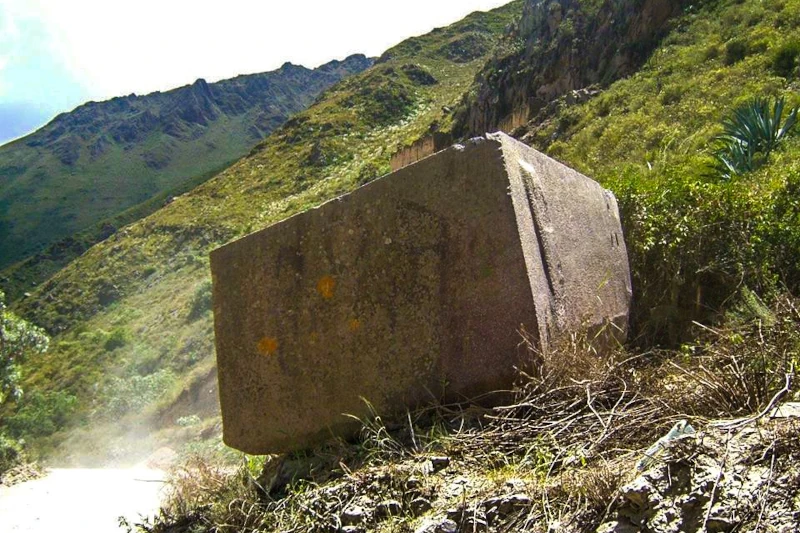
Understanding the Inca’s stone crafting techniques and industrial systems
The Cachicata Inca Quarry reveals the engineering marvels of the Inca civilization. Their stone crafting techniques are nothing short of extraordinary. The quarry’s layout offers clues to the organization of their industrial systems.
Rocks here weren’t chosen randomly. Each piece, carefully selected, had a destined use in Inca constructions. Such precision testifies to the Incas’ meticulous planning and efficient resource management. The quarry itself attests to the systematized nature of their operations.
At the Cachicata Inca Quarry, it’s possible to see the entire stone crafting process. The process starts with rough hewn blocks. Then, these blocks were gradually sculpted into the final form. All the stages of this process remain visible in the landscape.
You can find stones in various stages of completion. Some are nearly finished, others barely worked on. The Cachicata Inca Quarry thus acts as a living timeline of Inca stone crafting. It provides a unique insight into their methodical, step-by-step approach.
The stones sourced from the Cachicata Inca Quarry found their way to many places. Among them are the iconic sites of Machu Picchu and Pisac. The stones bear witness to the extensive reach of Inca trade and transport systems.
The Incas had no wheel or draft animals for heavy loads. So, how did they move these massive stones across vast distances? This remains one of the many intriguing questions surrounding Inca engineering. The Cachicata Inca Quarry leaves us with a sense of awe at their accomplishment.
The Cachicata Inca Quarry offers a fascinating lens to view Inca engineering. It helps us understand how their stone crafting and industrial systems operated. It gives us a window into the mechanics of an ancient, yet sophisticated, civilization.

The cultural and historical significance of the Inca Quarry to modern Peru
The Cachicata Inca Quarry doesn’t only hold historical significance. It’s also deeply intertwined with the cultural tapestry of modern Peru. This site provides a unique view into the Inca’s past, enriching our present understanding.
The quarry, as an ancestral workplace, has become a symbol of Inca industriousness. It’s a testimony to their extraordinary skill and organization. This connection to their ancestors gives Peruvians a sense of pride in their heritage.
The Cachicata Inca Quarry has a profound educational value too. Schools often organize visits to expose students to their nation’s rich history. For these young minds, the quarry brings textbook lessons to life.
In addition, this site plays a crucial role in Peru’s tourism industry. Its uniqueness attracts travelers worldwide. The influx of visitors fosters local economies, benefiting rural communities.
Moreover, the Cachicata Inca Quarry has influenced modern Peruvian architecture. The Incas’ stone crafting techniques inspire contemporary designs. This harmony between old and new is a distinctive feature of Peruvian cultural landscapes.
Research at the Cachicata Inca Quarry is ongoing. Each new discovery adds a piece to the puzzle of Inca history. This fuels academic discourse and sparks public interest, keeping Inca heritage alive in people’s minds.
So, the quarry isn’t a relic of a distant past. It’s a dynamic link between history and the present. It remains a living testament to the cultural richness of Peru.
Exploring Peru’s Inca heritage doesn’t end with the Cachicata Inca Quarry. Expand your journey with a Machu Picchu Full Day Tour. Or, for the adventurous at heart, take a trip to the stunning Vinicunca Rainbow Mountain.
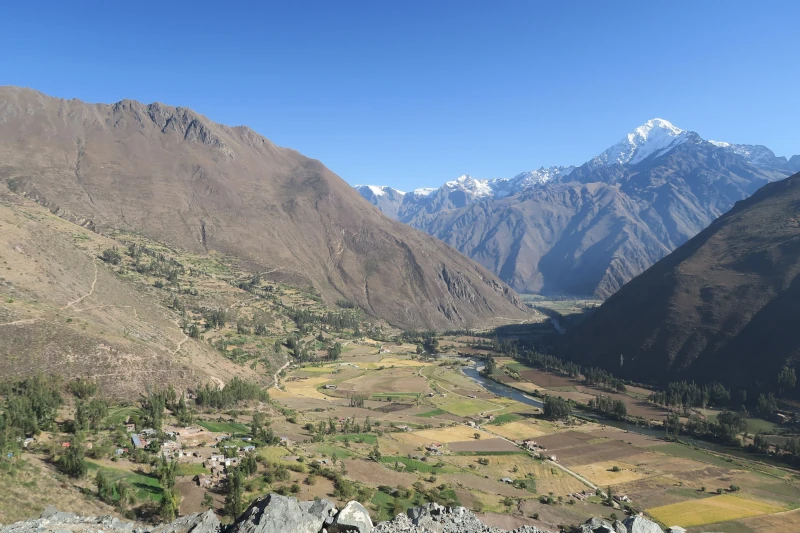
Vinicunca Formation: A Geological Wonder in the Andes
Vinicunca, known as the Rainbow Mountain, is a marvel in the Cusco Region. Its vibrant stripes captivate visitors worldwide. The Vinicunca formation had unique environmental factors.
The mountain’s colors come from mineral deposits. Weathering and sedimentary processes play crucial roles. These elements create a stunning, multicolored facade.
Vinicunca’s beauty extends beyond its hues. Is a testament to nature’s artistry. The Andes house this breathtaking spectacle.
This article explores Vinicunca’s formation. We delve into its geological and environmental aspects in your visit Rainbow Mountain Tour. Understanding this marvel reveals Earth’s dynamic processes.
The Andean marvel: Vinicunca Formation unveiled
Tucked away in the Andes lies the Vinicunca Formation. This geological wonder, often called Rainbow Mountain, enchants many. Its distinct colors form an unparalleled natural painting.
The Vinicunca Formation owes its hues to mineral diversity. Iron, sulfur, and copper blend, creating the vivid stripes. Erosion and weathering processes further sculpt its beauty.
Each layer tells a story of geological history. These stories reflect millions of years of Earth’s changes.
Visitors often pair a trip to Vinicunca with the Red Valley. This nearby marvel complements Vinicunca’s vibrant colors. Hikers find the trail challenging but rewarding.
The journey unveils breathtaking views at every turn. Alongside, the Andean culture enriches the experience.
Vinicunca serves as a good travel destination year-round. However, the dry season offers clearer paths and views. Local guides enhance the trip with insightful stories. They explain the significance of this formation to the Andean people.
The area’s flora and fauna add to the allure. Rare species thrive in this unique environment. Photographers and nature enthusiasts find endless inspiration here.
Environmental conservation efforts protect the Vinicunca formation. Sustainable tourism practices ensure its preservation. These efforts help maintain the site for future generations.
The Vinicunca formation stands as a testament to nature’s artistry. Its colors and history offer a unique experience. It remains a must-visit for nature lovers and adventurers alike.

The geological forces behind Vinicunca Formation
The Vinicunca Formation, also known as the Rainbow Mountain, is a geological masterpiece. It stands tall in the Peruvian Andes. This formation’s creation involved several dynamic earth processes.
Minerals play a key role in the Vinicunca formation’s vibrant colors. Iron oxides impart red and yellow tones. Copper sulphate adds green, while chlorite offers a subtle brown.
Erosion and sedimentary processes shaped its unique layers. Over time, these forces unveiled the top of the mountain’s striking hues.
Tectonic activity underlies the Vinicunca formation’s existence. The Andean orogeny, a mountain-building event, elevated these structures. This uplift exposed previously buried sedimentary layers. Weather elements then sculpted its current form.
Hiking the Rainbow Mountain offers a firsthand view of these geological wonders. The trek is challenging but provides unmatched scenic beauty. Visitors witness the impact of millennia of geological changes.
Another formation, Palccoyo, presents a similar spectacle. It serves as a quieter alternative to the more frequented Vinicunca. Both sites showcase the Andes’ dynamic geological history.
Conservation efforts aim to preserve the Vinicunca formation’s integrity. They address the impacts of tourism and climate change. These efforts ensure future generations can witness this natural phenomenon.
The Vinicunca formation is a testament to Earth’s dynamic nature. Its colors and structure narrate a story of geological evolution. This natural wonder continues to fascinate scientists and tourists alike.

Exploring Vinicunca Formation: Nature’s canvas in the Andes
Vinicunca Formation, known as Rainbow Mountain, is a breathtaking sight in the Peruvian Andes. Its natural colors captivate visitors from around the world. The mountain’s vibrant hues are nature’s own canvas.
Geologically, the mountain’s colors result from varied mineral deposits. Iron, copper, and sulfur contribute to its rainbow appearance. Over time, environmental forces like erosion have shaped its unique look.
The trek to Vinicunca Peru is both challenging and rewarding. Hikers experience varying terrains and altitudes. The journey offers a glimpse into Andean culture and biodiversity.
The formation’s ecosystem supports rare flora and fauna. These species have adapted to the high-altitude environment. Conservation efforts are crucial to protect this delicate habitat.
Vinicunca is more than a hiking destination. Is a symbol of natural history and geological processes. Its beauty and significance draw researchers and nature enthusiasts alike.
The mountain’s popularity has grown in recent years. Yet, responsible tourism practices help preserve its pristine condition. Visitors must respect and protect this natural wonder.
Nearby attractions complement a visit to Vinicunca. The Red Valley with its red clay offers another perspective of the Andean landscape. Together, they provide a full experience of the region’s beauty.
For a complete Andean adventure, consider taking a Rainbow Mountain Peru Tour. This guided experience enhances the journey with expert insights.
Or embark on a 4 Day Inca Trail to Machu Picchu. This trek combines history, culture, and natural beauty. Both options promise unforgettable experiences in the Peruvian Andes.
Learning Spanish in Cusco: Tips for Beginners
Visitors are always welcome in Cusco, a city where anyone can learn the language and the culture. Dive into learning Spanish in Cusco, so get ready for a journey full of knowledge and rewards.
Cusco is perfect if you look for a linguistic experience mixed with culture and history. This city has Spanish on its streets and learning will become a part of life. All can start with a simple phrase with locals.
Cusco features classes to all levels and especially if you are a beginner. You can choose a school that goes with your learning style. There are also small groups available if you want more personalization.
The angular stone in learning is the practice. For this, you can engage in a conversation with a local that has native spanish. People in Cusco are very patient and helpful.
Learning any language needs patience, it is a process. You need to be comprehensive with your pace. And don’t forget to celebrate the small victories along the way!
Choosing the Right Spanish School in Cusco
If you are up to learning Spanish in Cusco, you need to choose the right school that gets better for your experience. Keep in mind that cultural immersion helps you to get context and a better experience.
Cusco is a tourist city, so schools differ in size, methodology, and location. Small institutions have a personalized approach and environment. They locate near the Plaza de Armas for more convenience and active streets.
There are some schools that blend immersion into the local, learning Spanish in Cusco and cultural activities. These kinds of features may include tours to Sacred Valley or cooking classes. Such experiences improve your understanding of the language and the culture.
If you opt for an intensive learning program, some schools offer private classes. Remember that everyone has their one pace and individual needs that may need focus on tailored sessions. This kind of learning is a quick way to adapt to Spanish and an easy exploration to Machu Picchu or Rainbow Mountain.

Exploring Beyond the Classroom
Many programs have time to explore and relax in your free time or with a teacher. This is important if you want to have the full experience in Cusco. Now, picture yourself practicing Spanish in the San Pedro Market or a trip to Lake Titicaca in Puno.
The best schools in Cusco know the relevance of creating a chill learning environment. There are some common areas where you can share your thoughts with your classmates. Is natural that these spaces have amazing views or spots for coffee and tea. This encourages informal practice.
While you are looking for Spanish courses keep in mind the extra services that they may offer. Some provide excursions to the Inca Trail to Machu Picchu or the Lares Trek. These kinds of experiences gets you deeper into the Peruvian culture and language.
Ensuring Quality and Comfort
Make sure that you choose a reputable school that has experience teaching and learning Spanish in Cusco. They must have a high quality and reliable service. Look at feedback from past students who will give you all the ups and downs of the learning experience.
Also, some schools offer accommodation or you can look for it on your own. There is a chance to interact with the guests to improve your ability to learn. Your accommodation will need to give you a good rest, after a day of learning Spanish in Cusco. Also, it need to provide you the right environment to learn.
Not all is learning, Cusco is a great opportunity for touristing during your stay. For this purpose, a school within the center aims to explore Cusco’s landscapes and places. Whether it is Cusco or Puno the convenience matters for that effect.
Taking the right decision is important to have a memorable and educational journey. Once you have your study program, you will connect with the Andean culture and a new language.

Practical Strategies for Everyday Spanish Practice
Is crucial that you incorporate Spanish into your daily life in Cusco and your home country. Also, spend your free time by listening to Spanish podcasts . This will give you a wide view of the language while you do your own stuff.
Every common moment is great to engage with locals or students, especially during meals. The mealtime is great to practice common phrases and vocabulary. This kind of interaction improves your speaking skills and builds confidence.
A great tip for your learning experience is that you take notes in a notebook for new words, meanings and expressions. Once you have those notes, review them for a better understanding. Building this habit enhances your learning and expands your vocabulary.
Immersing Yourself in Local Culture
Also, you can participate in local community events where Spanish can be practiced. Try -for example- dance classes, local festivals or public events. These activities have a great real context on learning Spanish.
Local organizations offer volunteer participation where you can practice your Spanish. This will help you with the language and you will work for a better world. This kind of exposure gives you a wide variety of local terms.
Another recommendable tip is to watch movies or series in Spanish with subtitles. This is really helpful for your listening skills to understand the conversations better. Learning Spanish in Cusco must be entertaining as well.
These strategies turn your learning Spanish in Cusco into a part of your life. This city represents a daily opportunity to practice and enhance your Spanish fluency. This is not just about learning but about connect with locals.

Peru Machu Picchu Hike Tours
The allure of Machu Picchu is undeniable.
Perched high in the Andes, this ancient Inca city draws travelers from around the globe.

But for many, the journey to get there is just as captivating as the destination itself.
The Peru Machu Picchu hike is a bucket-list adventure. It’s a journey that takes you through stunning landscapes, past ancient ruins, and up to the iconic Sun Gate.
The Inca Trail is the most famous route. It’s a four-day trek that follows the path the Incas themselves would have taken.
But it’s not the only way to hike to Machu Picchu.
There are alternative routes like the Salkantay Trek and the Lares Trek. Each offers its own unique experiences and challenges.
No matter which path you choose, preparation is key.
You’ll need to train for the physical demands of the hike. You’ll also need to acclimatize to the high altitude.
Equally important is understanding the cultural significance of the places you’ll visit.
Machu Picchu is a UNESCO World Heritage Site. It’s a place of immense historical importance.
Respecting the site and practicing responsible tourism is crucial.
This guide aims to provide you with all the information you need to prepare for your Peru Machu Picchu hike.
- We’ll cover everything from choosing your route to what to pack.
- We’ll delve into the history of Machu Picchu and the Inca civilization.
- Also, we’ll provide tips on how to deal with altitude sickness and how to be a responsible tourist.
Whether you’re a seasoned hiker or a novice adventurer, this guide is for you.
So lace up your hiking boots, and let’s embark on this journey together.
The Peru Machu Picchu hike awaits.
Why Hike to Machu Picchu?
Hiking to Machu Picchu is about more than just reaching the destination. It’s about the journey itself.

The trek takes you through diverse landscapes. You’ll traverse cloud forests, mountain passes, and ancient Inca ruins.
Each step brings you closer to understanding the Inca civilization. You’ll walk the same paths they did, experiencing the ingenuity of their engineering firsthand.
The physical challenge is also part of the appeal.
Conquering the steep ascents and descents, and the high altitude, is a test of endurance.
But the reward is worth every step.
Reaching the Sun Gate at sunrise, with the first rays of light illuminating Machu Picchu, is an unforgettable experience.
It’s a moment of triumph, awe, and connection with history that’s hard to put into words.
So why hike to Machu Picchu?
Because it’s an adventure that challenges you, teaches you, and leaves you with memories that last a lifetime.
The Historical Significance of Machu Picchu
Machu Picchu is more than just a stunning vista.
It’s a testament to the ingenuity and resilience of the Inca civilization.

Built in the 15th century, it was a thriving city for about a hundred years.
Then, it was abandoned, only to be rediscovered in 1911 by Hiram Bingham.
The city’s location, high in the Andes, protected it from the Spanish Conquistadors.
This allowed it to remain largely intact, providing a unique window into Inca life.
The precision of the stonework, the complex network of terraces and water channels, and the alignment of key structures with celestial bodies, all speak to the Inca’s advanced knowledge and skills.
Machu Picchu is a UNESCO World Heritage Site and one of the New Seven Wonders of the World.
Its historical significance, combined with its natural beauty, make it a must-visit destination.
But to truly appreciate it, one must journey there on foot, just as the Incas did.
This is the essence of the Peru Machu Picchu hike.
Choosing Your Machu Picchu Hiking Tours: Inca Trail and Alternatives
There are several routes to hike to Machu Picchu.
Each offers a unique experience, with varying levels of difficulty and scenery.

The most famous is the Classic Inca Trail.
But there are also alternative treks like the Salkantay and Lares.
Your choice will depend on your fitness level, interests, and the time you have available.
Here are the three most popular routes:
- The Classic Inca Trail
- The Salkantay Trek
- The Lares Trek
Let’s explore each one in more detail.
The Classic Inca Trail
The Classic Inca Trail is the most famous route to Machu Picchu.
It’s a 4-day, 3-night trek covering about 26 miles (42 kilometers).

The trail takes you through a variety of landscapes, from high mountain passes to cloud forests.
You’ll also pass several smaller Inca sites along the way.
The highlight is arriving at the Sun Gate on the final day, with a breathtaking view of Machu Picchu at sunrise.
The Salkantay Trek
The Salkantay Trek is a longer, more challenging alternative to the Inca Trail.
It’s a 5-day, 4-night trek covering about 46 miles (74 kilometers).

The trail takes you around the stunning Salkantay Mountain, one of the highest and most sacred in the Inca mythology.
You’ll pass through remote Andean valleys, tropical rainforests, and small coffee plantations.
The trek ends with a visit to Machu Picchu on the final day.
The Lares Trek
The Lares Trek is less well-known but offers a unique cultural experience.
It’s a 4-day, 3-night trek covering about 21 miles (34 kilometers).

The trail takes you through the Lares Valley, home to traditional Andean communities.
You’ll have the chance to interact with the local people and learn about their way of life.
Like the other treks, it ends with a visit to Machu Picchu on the final day.
Preparing for Your Machu Picchu Hiking Tour: Training and Acclimatization
Hiking to Machu Picchu is a physical challenge.
It requires preparation and acclimatization to high altitude.

This section will guide you through the necessary steps.
We’ll cover physical preparation and how to acclimatize to the altitude.
By following these tips, you’ll increase your chances of a successful and enjoyable hike.
Physical Preparation
Physical preparation is key for the Machu Picchu hike.
The trail involves long days of walking, often uphill and at high altitude.

Start training at least two months before your trip.
Focus on cardio exercises like running, cycling, or swimming.
Strength training can also be beneficial, especially for your legs and core.
Hiking in your local area with a loaded backpack can provide good practice.
Remember, the better your physical condition, the more you’ll enjoy the hike.
Acclimatization to High Altitude
Acclimatization is crucial when hiking in the Andes.
The Inca Trail reaches over 13,800 feet (4,200 meters) at its highest point.

At such heights, the air is thinner and some people may experience altitude sickness.
Symptoms include headache, nausea, and fatigue.
Spend at least two days in Cusco or another high-altitude city before starting the hike.
This will help your body adjust to the altitude.
Drink plenty of water, eat light meals, and avoid alcohol to help with acclimatization.
Essential Gear and Packing List
Packing the right gear is crucial for your Machu Picchu hike.
You’ll need to be prepared for various weather conditions and terrains.

Remember, you’ll be carrying your pack for several days, so pack light but smart.
Here’s a basic packing list for your hike:
- Backpack (30-40 liters)
- Lightweight hiking boots
- Quick-dry clothing (layers)
- Rain jacket and pants
- Hat, sunglasses, and sunscreen
- Water bottle or hydration bladder
- High-energy snacks
- First aid kit
- Headlamp or flashlight
- Sleeping bag and pad (if camping)
- Personal hygiene items
- Camera or smartphone
This list covers the basics, but you may need additional items depending on your personal needs.
For example, if you wear glasses, bring an extra pair.
If you’re prone to blisters, pack blister plasters.
Remember, it’s better to have it and not need it than to need it and not have it.
Also, consider the weight of your pack.
A heavy pack can make the hike more challenging.
Try to pack as light as possible, while still bringing all the essentials.
Finally, remember to leave space in your pack for water, snacks, and any souvenirs you might pick up along the way.
Obtaining Permits and Choosing a Tour Company
Hiking the Inca Trail to Machu Picchu requires a permit.
These permits are limited to 500 per day, including guides and porters.
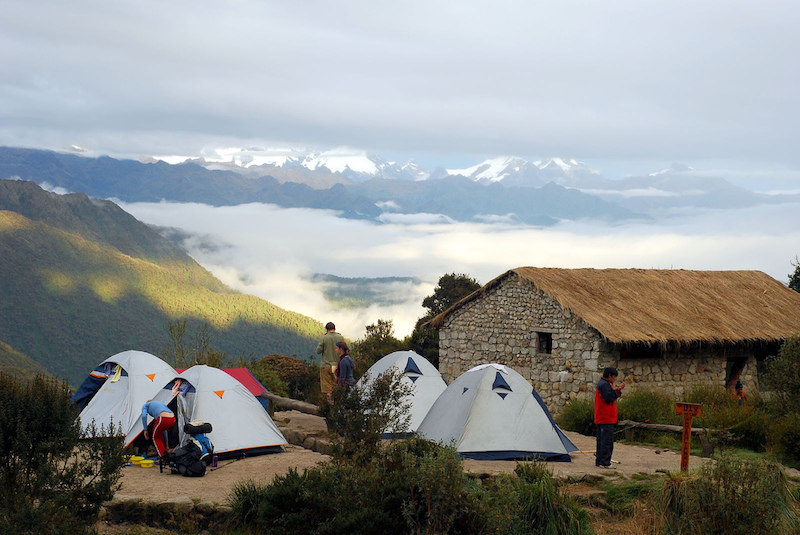
This means that only about 200 permits are available for tourists each day.
Permits sell out quickly, especially during the peak season from May to September.
It’s recommended to book your hike at least six months in advance to secure a permit.
When choosing a tour company, do your research.
Look for a reputable company that prioritizes sustainable tourism practices.
They should treat their porters well and respect the local environment.
Also, consider the size of the group.
Smaller groups tend to offer a more personalized experience.
Finally, read reviews and ask for recommendations to ensure you’re choosing the best company for your hike.
What to Expect on the Trail: A Day-by-Day Breakdown
The Peru Machu Picchu hike is a journey of discovery.
It’s a physical challenge, but also a cultural immersion.

Each day brings new landscapes, archaeological sites, and experiences.
Here’s a day-by-day breakdown of what to expect on the classic four-day Inca Trail hike.
Day 1: The Journey Begins
The first day of the hike is relatively easy.
You’ll start at Km 82, the official beginning of the Inca Trail.
The trail follows the Urubamba River, offering stunning views of the Andean landscape.
You’ll pass the archaeological site of Llactapata and camp for the night at Wayllabamba.
Day 2: The Challenge of Altitude
Day two is the most challenging day of the hike.
You’ll ascend to Dead Woman’s Pass, the highest point on the trail at 4,215 meters.
The climb is tough, but the panoramic views from the top are worth it.
After a rest, you’ll descend to the campsite at Pacaymayu.
Day 3: The Highs and Lows
Day three is a rollercoaster of ascents and descents.
You’ll pass through cloud forest and visit several Inca ruins, including Runkurakay and Sayacmarca.
The day ends at the beautiful campsite of Wiñay Wayna, close to another impressive Inca site.
Day 4: Arrival at Machu Picchu
The final day starts early, with a hike to the Sun Gate for sunrise.
From here, you’ll get your first glimpse of Machu Picchu.
After a guided tour of the site, you’ll have free time to explore on your own.
The day ends with a bus ride down to Aguas Calientes and a train back to Cusco.
Navigating Altitude Sickness: Prevention and Treatment
Altitude sickness is a common concern for hikers on the Peru Machu Picchu hike.
It’s caused by the lower amount of oxygen available at high altitudes.

Symptoms can include headache, nausea, dizziness, and shortness of breath.
However, there are ways to prevent and treat altitude sickness to ensure a safe and enjoyable hike.
Prevention starts before the hike.
It’s recommended to spend at least two days in Cusco or another high-altitude city to acclimatize.
Staying hydrated, eating a high-carb diet, and avoiding alcohol can also help.
During the hike, it’s important to ascend slowly and take regular breaks.
If symptoms of altitude sickness occur, the best treatment is to descend to a lower altitude.
Medication like Acetazolamide can also be used under the guidance of a healthcare professional.
Remember, it’s important to listen to your body and not push yourself too hard.
Your health and safety are more important than reaching the summit.
Cultural Etiquette and Responsible Tourism
Respect for local culture and the environment is crucial when hiking to Machu Picchu.
The trail passes through sacred Inca sites and delicate ecosystems.
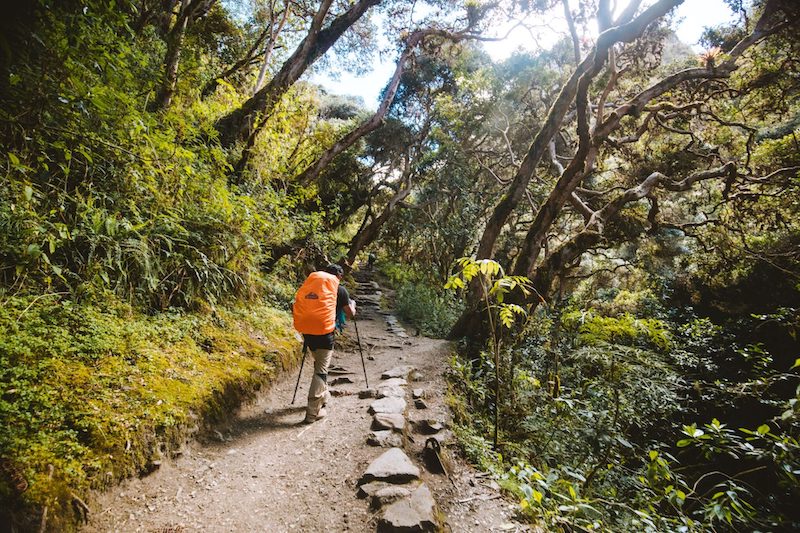
It’s important to follow the principle of “leave no trace”.
This means taking all trash with you, staying on the marked trails, and not removing any natural or cultural artifacts.
Respect for local communities is also important.
This includes learning a few words of Quechua, the local language, and asking for permission before taking photos of people.
It’s also recommended to support local businesses by buying locally made products and services.
Responsible tourism also involves choosing a tour company that treats its porters and guides fairly.
This includes providing them with proper wages, equipment, and working conditions.
By following these guidelines, you can ensure a respectful and responsible Peru Machu Picchu hike.
Wildlife and Flora: The Biodiversity of the Andes
The Peru Machu Picchu hike takes you through diverse ecosystems.
From high-altitude grasslands to cloud forests, each has its unique flora and fauna.

You might spot the Andean condor, the largest flying bird in the world.
Or the elusive spectacled bear, the only bear species in South America.
The trail is also home to hundreds of bird species, from hummingbirds to tanagers.
The flora is equally diverse, with over 3,000 species of orchids found in the region.
You’ll also see bromeliads, ferns, and mosses, especially in the cloud forest areas.
The biodiversity of the Andes adds another layer of wonder to the Peru Machu Picchu hike.
Remember to respect the wildlife and flora, keeping a safe distance and not feeding the animals.
This way, we can preserve the natural beauty of the trail for future generations.
After the Hike: Exploring Machu Picchu
Reaching Machu Picchu is a moment of triumph.
The sight of the ancient city, nestled among the clouds, is a reward for your efforts.

You can explore the site at your own pace, taking in the intricate stonework and terraces.
Don’t miss the Temple of the Sun, the Room of the Three Windows, and the Intihuatana stone.
These structures offer insights into the Inca civilization and their astronomical knowledge.
If you have the energy, consider climbing Huayna Picchu or Machu Picchu Mountain.
Both offer stunning views of the site and the surrounding landscape.
Remember to respect the site and follow the visitor rules to preserve Machu Picchu for future generations.
After exploring, you can take the bus down to Aguas Calientes.
This small town offers hot springs, markets, and restaurants to relax and refuel after your hike.
Extending Your Trip: Beyond Machu Picchu
Your adventure doesn’t have to end with Machu Picchu.
Peru offers a wealth of experiences that can complement your hike.

Consider a day trip to the Rainbow Mountain from Cusco.
This natural wonder is known for its strikingly colorful peaks, a result of mineral deposits.
You could also explore the Sacred Valley, home to numerous Inca ruins and traditional markets.
For a change of scenery, head to the Amazon Rainforest or Lake Titicaca.
Both offer unique ecosystems and cultural experiences.
If you have more time, consider visiting other parts of Peru.
Cities like Arequipa and Trujillo offer colonial architecture and archaeological sites.
You can also see the Nazca Lines, mysterious geoglyphs etched into the desert floor.
Whatever you choose, extending your trip will enrich your Peruvian adventure.
Conclusion: The Reward of the Peru Machu Picchu Hiking Tour
The Peru Machu Picchu hike is more than just a physical challenge.
It’s a journey through history, culture, and stunning landscapes.

The sense of achievement when you reach the Sun Gate is unparalleled.
You’ve followed in the footsteps of the ancient Incas, braved high altitudes, and navigated rugged trails.
The memories and friendships formed on the trail will last a lifetime.
And the sight of Machu Picchu, bathed in the golden light of dawn, is a reward in itself.
In the end, the Peru Machu Picchu hike is an adventure that truly enriches the soul.
FAQs About Hiking to Machu Picchu
Embarking on the Peru Machu Picchu hike is a significant decision.
It’s natural to have questions and concerns.
Here are some frequently asked questions to help you prepare for this unforgettable journey.
- When is the best time to hike to Machu Picchu? The dry season, from May to September, is the best time. However, it’s also the busiest. Consider the shoulder months of April and October for fewer crowds.
- Do I need a permit for the Inca Trail? Yes, a permit is required and the number of permits is limited. It’s best to book your hike several months in advance.
- What should I pack for the hike? Pack light but ensure you have essentials like good hiking boots, warm clothing, rain gear, a hat, sunscreen, water purification tablets, and a first aid kit.
- How fit do I need to be? The hike is challenging, especially due to the altitude. It’s recommended to have a moderate level of fitness and to spend a few days acclimatizing in Cusco before the hike.
- Can I hike alone? The classic Inca Trail must be done with a guide. However, alternative routes like the Salkantay Trek can be done independently.
- What if I get altitude sickness? It’s important to acclimatize before the hike. If you feel unwell, let your guide know immediately. Severe cases may require descent and medical attention.
Remember, every hiker’s experience is unique.
Your preparation, attitude, and willingness to embrace the adventure will greatly influence your Peru Machu Picchu hike.
References and Further Reading
For more detailed information on the Peru hiking trip, consider checking out the official website of Peru’s Ministry of Culture. It provides comprehensive guidelines on permits, regulations, and conservation efforts.
Additionally, the Lonely Planet’s guide to hiking in Peru offers practical tips, route descriptions, and cultural insights. It’s a valuable resource for any hiker planning to embark on this unforgettable journey.